
Pruning
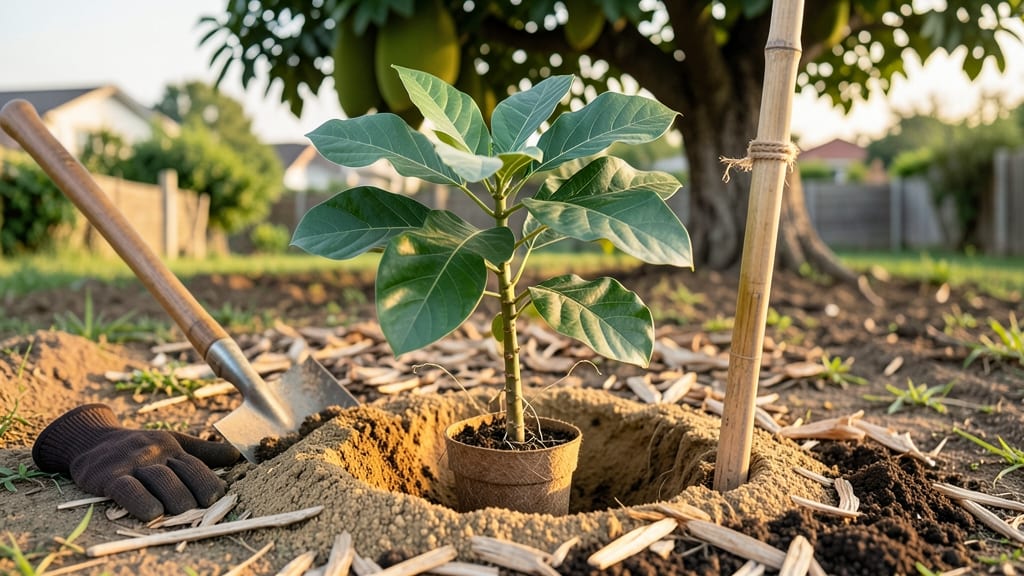
Planting a jackfruit tree means tropical flavors and lush shade in your yard—if you live where it thrives. 🌴 I planted mine last spring in Miami, and now it’s already sending out new leaves like it’s been there for years.
The key isn’t just digging a hole; it’s mimicking the rich, well-draining soil of its Southeast Asian homeland. You’ll need a spot with full sun, protection from wind, and soil that drains fast but holds moisture.
Amend heavy clay with compost or coconut coir, and avoid planting in winter—jackfruit hates frost. The tree itself can start as a seedling (cheaper) or a young grafted tree (faster fruit), but either way, give it space—these trees grow 20-40 feet tall.
Water deeply after planting, then keep the soil moist but never soggy for the first three months. Mulch around the base to lock in moisture and keep roots cool. By summer, you’ll see vigorous growth—just don’t expect fruit for 3-5 years (patience pays off with those giant, sweet-smelling fruits).
If you’re in a cooler climate, grow it in a large container and overwinter indoors. Frost will kill it, but with the right care, even northern gardeners can enjoy this tropical giant—just temporarily.
📚 In This Guide
- What you need
- Instructions
- Tips and common mistakes
- Wrapping up and next steps
What you need
- ● Jackfruit seeds or saplings: 1-3 (fresh seeds from ripe fruit or nursery-bought saplings for faster growth).
- ● Well-draining potting mix: 5-10 gallons (use a blend of coconut coir, perlite, and compost for optimal drainage).
- ● Large container or nursery pot: 15+ gallons (if starting indoors) or a direct planting hole (12" deep x 18" wide for saplings).
- ● Pruning shears: Sharp, sterilized pair (for trimming and shaping young trees).
- ● Organic fertilizer: Balanced NPK (10-10-10) or compost (apply sparingly at planting and monthly thereafter).
- ● Mulch: 2-3 inches of wood chips or straw (to retain moisture and regulate soil temperature).
- ● Watering can or hose: With a gentle spray nozzle (jackfruit trees dislike soggy roots!).
- ● Sunlight access: Full sun (6+ hours daily) or partial shade (if in extremely hot climates).
- ● Soil pH tester: Ideal pH range: 6.0–7.5 (jackfruit prefers slightly acidic to neutral soil).
- ● Drip irrigation system: For consistent moisture without overwatering.
- ● Tree support stake: 1-2 stakes (if planting in windy areas, especially for young saplings).
- ● Fungicide (organic or chemical): For prevention of root rot or fungal diseases in humid climates.
- ● Garden gloves: Heavy-duty (to protect hands while handling soil or pruning thorns).
- ● Shade cloth: Lightweight (to protect young seedlings from intense afternoon sun).
Step-by-step instructions for planting a jackfruit tree
Here's how to get your tropical jackfruit tree off to a strong start—perfect for warm climates.
🌱 Step 1: Choose the Right Location and Prepare the Soil
Jackfruit trees thrive in full sun, so pick a spot that gets at least 6-8 hours of direct sunlight daily. They need space to grow—20-30 feet wide at maturity—so avoid planting near structures or other trees. If your soil drains poorly, amend it with 3-4 inches of compost mixed into the top 12 inches to improve aeration and fertility.
Test the soil pH—jackfruit prefers slightly acidic to neutral (6.0-7.0). If your soil is too alkaline, add sulfur or peat moss to adjust it before planting. Dig a hole twice as wide as the root ball but only as deep—planting too deep can suffocate the roots. Loosen the sides of the hole to encourage root spread.
🪴 Step 2: Plant the Tree at the Correct Depth
Remove the jackfruit tree from its container and gently loosen the roots if they’re circling. Place it in the hole so the top of the root ball sits level with the surrounding soil—never bury the trunk. Backfill with native soil, tamping lightly as you go to eliminate air pockets. A 6-inch layer of mulch (wood chips or straw) around the base helps retain moisture and regulate soil temperature.
Water deeply right after planting—10-15 gallons—to settle the soil and encourage root contact. Avoid compacting the soil with your feet; instead, use your hands to gently press it around the roots. If the tree leans, straighten it now before backfilling completely. Jackfruit trees are sensitive to root disturbance, so handle them carefully.
☀️ Step 3: Establish a Watering and Fertilizing Routine
For the first 2-3 weeks, water the tree every 2-3 days to keep the soil consistently moist but not soggy. After that, reduce to once a week, adjusting for rainfall—jackfruit trees are drought-tolerant once established but need regular water during their first year. Check moisture by sticking your finger 2 inches deep; if it’s dry, water thoroughly.
Fertilize lightly 3 months after planting with a balanced, slow-release fertilizer (10-10-10). Apply ½ cup per tree and water it in. Avoid heavy nitrogen—jackfruit responds better to potassium and phosphorus for root and fruit development. In subsequent years, fertilize twice a year (spring and fall) with the same ratio. Over-fertilizing can burn roots, so follow package instructions closely.
✂️ Step 4: Prune and Protect Young Growth
Wait 6-12 months before pruning—jackfruit trees establish roots slowly. Once new growth appears, trim only dead, diseased, or crossing branches using sterilized pruning shears. Make cuts just above a leaf node to encourage healthy regrowth. Avoid heavy pruning in the first year, as it stresses the tree.
Protect young trees from strong winds and frost. If temperatures dip below 32°F, cover the tree with a frost cloth or move potted trees indoors. Jackfruit is tropical—even brief cold snaps can damage leaves. In windy areas, stake the tree temporarily until roots stabilize. Monitor for pests like aphids or scale, treating with neem oil if needed.
⏰ Step 5: Monitor Growth and Prepare for Fruit
After 2-3 years, your jackfruit tree will start producing flowers—male and female blooms appear on separate trees, so you’ll need at least two for pollination. Watch for small green fruits forming; they take 6-9 months to mature. Harvest when the fruit turns yellow-green and fragrant—it won’t ripen further off the tree.
Thin out excess fruit if the tree bears too many—leave 3-5 per cluster to ensure larger, healthier jackfruits. Support heavy branches with stakes or pruning to prevent breakage. In warm climates, jackfruit trees can produce year-round, but they often have a peak season (spring to summer). Enjoy your harvest, and save seeds for future plantings if desired!
Tips & tricks for planting a jackfruit tree
Here's what I learned after helping clients grow their own tropical jackfruit trees—these tricks make all the difference in your tree's long-term health.
Sunlight Strategy: While 6-8 hours of sunlight is the minimum, I've found that jackfruit trees thrive best with full sun exposure (8+ hours) during their first year. If you're planting in a location with partial shade, consider using a temporary shade cloth during the hottest afternoon hours to prevent leaf scorch. The key is to gradually acclimate the tree to full sun over a few weeks rather than shocking it with direct exposure all at once.
Soil Preparation Insight: When amending your soil with the 3-4 inches of compost, I recommend mixing in a handful of perlite or vermiculite to improve drainage further. Jackfruit roots are sensitive to waterlogging, and this extra step prevents root rot—especially important if your native soil is clay-heavy. The goal is to create a soil texture that's light and airy, almost like a well-draining potting mix.
Watering Wisdom: That initial 10-15 gallons of water after planting isn't just about settling the soil—it's about establishing a deep root system. I've seen dramatic differences when I water deeply but infrequently (every 2-3 days) versus light, frequent watering. The deep watering encourages roots to grow downward where they'll find more stable moisture, rather than staying near the surface where they dry out quickly. Use a garden hose with a slow setting or a watering can with a pour spout for best results.
Frost Protection Hack: If you're pushing the limits of your climate zone and planting near the 32°F threshold, consider installing a small fan on a timer near the tree during cold snaps. The gentle airflow prevents frost from settling on the leaves, which can be just as damaging as actual freezing temperatures. This works especially well for container-grown trees that you can move indoors if needed. Even a few degrees of protection can mean the difference between a healthy tree and a frost-damaged one.
Pro Tips for Planting Jackfruit Tree
- Here's what I learned after helping clients grow their own tropical jackfruit trees—these tricks make all the differe...
- Sunlight Strategy: While 6-8 hours of sunlight is the minimum, I've found that jackfruit trees thrive best with full ...
- Soil Preparation Insight: When amending your soil with the 3-4 inches of compost, I recommend mixing in a handful of ...
Frequently asked questions
Got questions about growing your own jackfruit tree?
Here are some of the most common concerns—and answers—to help you succeed! Whether you're a first-time planter or a seasoned gardener, these FAQs will guide you through the process.
What’s the best time of year to plant a jackfruit tree?
Jackfruit thrives in warm weather, so plant it in spring or early summer (after the last frost) when soil temperatures are consistently above 60°F (15°C). Avoid planting in fall or winter—young trees are sensitive to cold and may struggle to establish roots before cooler months. If you’re in a frost-free zone, you can plant year-round!
Can I grow a jackfruit tree in a pot, or does it need to be planted in the ground?
Young jackfruit trees (Artocarpus heterophyllus) can start in large containers (15+ gallons) with drainage holes, but they’ll need repotting every 2–3 years as they grow. For long-term success, transplant to the ground once they reach 3–5 feet tall—jackfruit trees have extensive root systems and do best with 6+ feet of space in well-draining soil.
What pests or diseases should I watch out for when growing jackfruit?
Jackfruit is generally hardy, but watch for fruit flies, aphids, and scale insects—they love the tree’s sweet sap! Fungal issues like anthracnose or root rot can occur if the soil stays too wet. Prevent problems by:
- Pruning for airflow (remove crowded branches).
- Using neem oil or insecticidal soap for pests.
- Avoiding overhead watering to keep foliage dry.
How long does it take for a jackfruit tree to bear fruit?
Patience is key! Jackfruit trees typically take 3–5 years to produce fruit from seed, though grafted trees may fruit in 1–2 years. Young trees focus on root and canopy growth first—provide full sun, regular watering, and balanced fertilizer (like 10-10-10) to speed up fruiting. Once established, a healthy tree can yield 50–100+ pounds of fruit per year!
Can I grow jackfruit from seed, or should I buy a nursery-grown tree?
You can grow jackfruit from seed (just plant the large, brown seeds 1–2 inches deep), but it’s a slower process—seedlings may take years to fruit and won’t match the predictable growth and earlier fruiting of grafted nursery trees. If you’re in a tropical or subtropical climate, buy a grafted tree from a reputable supplier for faster, more reliable results!
Wrapping up and next steps
Planting a jackfruit tree is a rewarding journey that brings tropical beauty and delicious fruit to your backyard—if you’re in the right climate! 🌴 From selecting the perfect spot to nurturing young seedlings, each step plays a role in ensuring a thriving tree.
With patience and care, you’ll soon enjoy shade, vibrant blooms, and a bountiful harvest.
Ready to take the next step? Start by monitoring your young tree’s growth and learning about pruning techniques to keep it healthy and productive. Happy planting—your future jackfruit feast awaits! 🍈✨