
Flowers
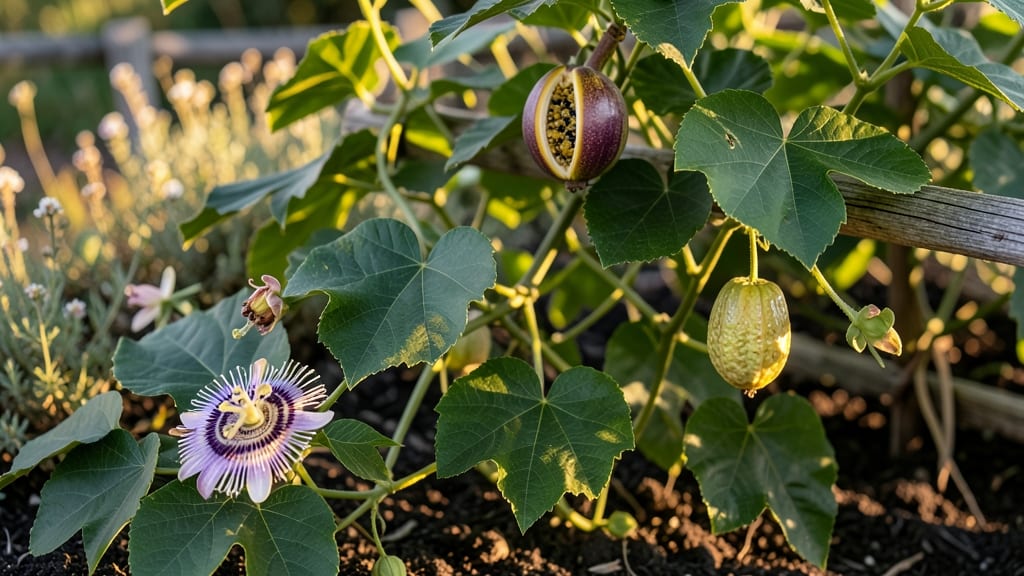
Growing passion fruit from flower to fruit is a rewarding journey that turns your vine into a tropical treasure chest—but only if you know the exact steps to follow.
Picture this: one morning, your vine bursts with exotic blossoms, and by late summer, you’re harvesting sweet, pulpy fruit straight from your garden. The catch? Missing a single stage—like pollination or watering—can leave you with flowers but no fruit.
Here’s how to nail every milestone, from bloom to harvest, so you don’t waste a single season.
We’ll cover the critical 6-week window after flowering, when fruit sets and develops, plus the telltale signs (color shifts, size changes) that mean it’s ready to pick. Even better, I’ll show you how to troubleshoot common problems—like dropped flowers or stunted fruit—before they happen.
By the end, you’ll know exactly when to fertilize, how much water to give, and the hand-pollination trick that works even in low-pollinator zones. Ready to turn your vine into a fruit-producing powerhouse?
Passion fruit flowering stages: identifying key blooms and pollination timelines
Passion fruit vines produce two distinct flower types that play crucial roles in fruit development: male flowers and female flowers. Understanding their differences is key to maximizing your harvest.
Male flowers appear first and are smaller with five white petals, while female flowers are larger with a purple corona at the center. Both typically bloom in the morning and last just one day—so timing matters!
For fruit to set, female flowers must be pollinated by male flowers from the same or nearby vines. This process is critical because passion fruit plants are self-pollinating but inefficient—they rely heavily on bees, hummingbirds, or gardeners for assistance.
In areas with few pollinators, like indoor setups or early spring, you may need to step in and hand-pollinate to ensure fruit formation.
Here’s the breakdown of flower lifespan and pollination windows you need to track:
- Male flowers: Open at dawn, last 4-6 hours, and produce pollen.
- Female flowers: Open slightly later, last 8-12 hours, and must receive pollen within 24 hours to set fruit.
- Best pollination time: Between 8 AM and 10 AM when flowers are fully open.
The corona (the purple, crown-like structure) in female flowers is a dead giveaway. It’s your cue to monitor for pollination success. If you see the corona wilt or drop within 24 hours, pollination likely failed.
This is often why gardeners see abundant flowers but few fruits—the pollination window was missed.
🌱 Pro Tip: If you’re growing passion fruit in containers or greenhouses, plant at least two vines to ensure cross-pollination. Even outdoor vines benefit from having neighbors for better fruit set rates.
| Flower Type | Key Features | Lifespan | Pollination Role | Best Time for Action |
|---|---|---|---|---|
| Male Flower | Small, white petals, no corona | 4-6 hours (opens at dawn) | Pollen producer | 8-10 AM (peak pollen release) |
| Female Flower | Large, white petals, purple corona | 8-12 hours (opens mid-morning) | Requires pollen for fruit set | 8-10 AM (hand-pollinate if needed) |
| Unpollinated Female | Corona wilts/drops within 24 hours | 24 hours max for fruit set | No fruit development | Remove to redirect energy |
Hand-pollination is simple but requires daily attention during peak flowering. Use a soft paintbrush or cotton swab to transfer pollen from male to female flowers. Gently brush the stamens (male flower’s pollen-producing parts) and then touch the stigma (the female flower’s center).
Repeat this process every morning for 2-3 days to maximize fruit set.
For indoor growers or those in cooler climates, consider artificial pollination with a small electric toothbrush. Run it near open flowers to simulate bee activity. This method works well in greenhouses where natural pollinators are scarce. Just ensure you’re pollinating before 10 AM when flowers are freshest.
Watch for fruit set within 7-10 days after successful pollination. You’ll notice the corona drop off and a tiny green fruit begin to form.
If you see flowers dropping without fruit, it’s a sign of failed pollination—time to revisit your technique or attract more pollinators with native plants like sunflowers or marigolds.
🌿 Warning: Overwatering or nutrient imbalances can cause flowers to drop before pollination. Always ensure your passion fruit vine has well-draining soil and balanced fertilization (high in potassium) to support both blooms and fruit development.
By mastering these flowering stages and pollination timelines, you’ll transform your vine from a flower powerhouse to a fruit-bearing machine. Keep an eye on those morning blooms, and soon you’ll be harvesting passion fruit like a pro!
Critical growth milestones: from fruit set to ripe passion fruit (with visual cues)
Once your passion fruit flowers have been successfully pollinated, the real magic begins. The transformation from tiny fruit set to a ripe, flavorful passion fruit takes 120-240 days, depending on your climate and variety.
Tracking these week-by-week milestones ensures you don’t miss the perfect harvest window or overlook signs of trouble.
In the first 2-4 weeks after pollination, the fruit will appear as a pea-sized green bump on the vine. This stage is critical because any stress—like underwatering or nutrient deficiencies—can cause the fruit to drop prematurely.
Keep your vine well-hydrated and monitor for pests like aphids that thrive on young fruit.
| Stage | Size | Color | Texture | Days After Pollination |
|---|---|---|---|---|
| Fruit Set | Pea-sized | Bright green | Firm, smooth | 0-14 |
| Rapid Growth | Golf ball-sized | Green with slight yellowing | Slightly waxy | 15-45 |
| Maturation | Baseball-sized | Deep green to yellow/orange | Firm but yielding | 46-90 |
| Near-Ripe | Full-sized | Vibrant yellow/purple | Softens slightly | 91-120 |
| Ripe | Full-sized | Deep yellow/orange/purple | Gives when pressed | 120-240 |
Around 4-6 weeks, your passion fruit will swell to about the size of a golf ball. This is when you’ll notice the first signs of color change—tiny yellow or orange spots appearing on the green skin.
If your fruit stays uniformly green or develops brown spots, it could signal fungal infection or sunburn. Provide light shade during peak afternoon sun if needed.
By 8-12 weeks, your fruit should be the size of a baseball and developing its mature color—yellow for yellow passion fruit varieties or deep purple for purple passion fruit. The skin will feel slightly waxy but still firm.
This is the stage where many gardeners make the mistake of harvesting too early. Wait until the fruit detaches easily from the vine with a gentle twist.
In the final 4-8 weeks before harvest, your passion fruit will undergo its most dramatic transformation. The color will deepen to a vibrant yellow, orange, or purple, and the skin will yield slightly when pressed with your thumb.
If you see shriveled or cracked fruit, it’s a sign of overripening or water stress. Harvest immediately to avoid losing your crop to pests like fruit flies.
Once ripe, passion fruit should detach with ease when twisted gently from the vine. The stem will pull away cleanly, and the fruit will feel heavy for its size. Store ripe passion fruit at room temperature for up to a week or refrigerate to extend freshness.
If you miss the window, don’t worry—some varieties like Granadilla can be harvested slightly underripe and left to ripen indoors.