
Vegetables
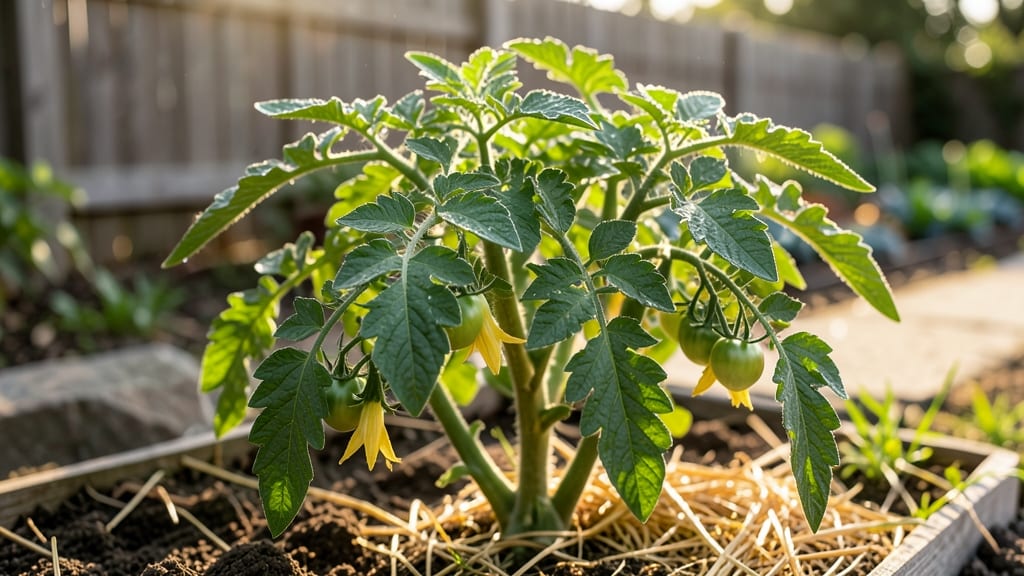
The moment a tomato flower opens, the clock starts ticking toward harvest. 🌸 Understanding each stage—from that first delicate bloom to a ripe, sun-warmed fruit—lets you troubleshoot problems before they derail your crop. My biggest mistake? Assuming flowers would magically turn into tomatoes without knowing what each stage actually needed.
The first 7-10 days are all about pollination: tiny white pollen must reach the flower’s center. Warm, breezy afternoons help, but if your garden’s still cool or flowers drop before setting fruit, hand-pollination with a paintbrush becomes your secret weapon.
Then comes the swell stage—tiny fruits grow fast, turning from green to pale yellow as they bulk up. This is when blight or pests strike hardest, so watch for dark spots or wilting.
By day 30, you’ll see the classic tomato color shift: pinks deepen, greens fade, and the fruit starts hardening. That’s when flavor compounds kick in—sugar builds, acids mellow. A quick squeeze tells you when they’re ready: firm but yielding, with vibrant color all the way through.
Miss this window, and you’ll end up with mealy, flavorless tomatoes. This timeline works for heirlooms, cherry, and beefsteak varieties alike. The key? Paying attention to each stage’s needs—because skimp on pollination, and you’ll get no fruit; ignore water or heat stress, and you’ll lose quality.
Let’s break it down step by step.
📚 In This Guide
- What you need
- Instructions
- Tips and common mistakes
- Wrapping up and next steps
What you need
- ● Tomato plants: Choose disease-resistant varieties (e.g., Celebrity, Sungold, or Beefsteak) with healthy, blooming flowers. Quantity: 1–3 plants (depending on space).
- ● Potting mix: Well-draining, organic-rich soil (e.g., Miracle-Gro or homemade blend: 60% compost, 30% coconut coir, 10% perlite). Quantity: 1–2 bags (5–10 gallons total).
- ● Containers or garden bed: Containers: 5-gallon pots (minimum) with drainage holes. Quantity: 1 per plant.
- ● Garden bed: Raised or in-ground bed with full sun (6–8+ hours/day).
- ● Watering can or hose: With a gentle spray nozzle to avoid damaging flowers.
- ● Fertilizer: Balanced fertilizer: 10-10-10 or 5-5-5 (organic options like fish emulsion or compost tea). Quantity: 1–2 applications per growing season.
- ● Bloom booster: Calcium nitrate or Epsom salt (1 tbsp per gallon of water) to prevent blossom-end rot.
- ● Pruning shears: Sharp, sterilized shears for trimming suckers and dead foliage.
- ○ Pollination aid (optional): Small paintbrush or cotton swab to manually transfer pollen.
- ● Bees or beneficial insects (e.g., bumblebees) if indoors or in low-pollinator areas.
- ○ Shade cloth (optional): 30–50% shade fabric for hot climates to protect flowers from sunscald.
- ○ Grow lights (optional): LED full-spectrum lights (12–16 hrs/day) for indoor setups.
- ● 🌡️ Temperature: Ideal range: 55–85°F (13–29°C). Avoid frost (90°F/32°C).
- ● ☀️ Sunlight: Full sun exposure (6+ hours daily).
- ● 💧 Watering routine: Keep soil consistently moist (1–1.5 inches/week), but avoid waterlogging.
- ● 🌿 Plant health: Ensure no pests (aphids, whiteflies) or diseases (early blight, fusarium wilt) before flowering.
How to track tomato flower to fruit development
Here's how I monitor each stage—so you can predict ripening and troubleshoot delays before they happen.
🌸 Step 1: Identify Pollinated Flowers
Look for tiny white or yellow spots on the flower's underside—these are pollen grains that signal successful pollination. I check flowers in the morning when they're fully open and most receptive. Pollinated flowers will begin to wilt and drop within 24-48 hours, leaving behind a tiny green "tomato" the size of a pea.
If you're growing indoors or in poor pollination conditions, give flowers a gentle shake or use a small paintbrush to transfer pollen from one bloom to another. You'll know it worked when the flower starts to yellow and shrivel within 1-2 days.
🌱 Step 2: Recognize Fruit Set and Early Growth
After pollination, the flower wilts and a pea-sized green fruit appears where the bloom was attached. This is your first checkpoint—if no fruit forms within 3-5 days of flower drop, your plant may need better pollination or warmer temperatures. Healthy fruit sets should appear every 2-3 days on a productive plant.
In the first 7-10 days, the fruit will grow rapidly from a pea to a walnut-sized tomato. Keep the soil consistently moist but not soggy—wilting at this stage can cause blossom-end rot or stunted growth. Watch for even color across all developing fruits; uneven sizing often means inconsistent pollination.
☀️ Step 3: Monitor Growth Rate and Color Changes
After 2-3 weeks, your tomatoes should reach golf-ball size and begin showing their mature color (red, yellow, green, etc.) on the sun-exposed side. This is when I start paying close attention to sunlight—shady spots will produce pale, slow-growing fruit. Move containers or provide afternoon shade if fruits look pale or stay green.
At this stage, you'll notice calyxes (the leafy bits at the stem) starting to harden. If they remain soft and green, your plant may be struggling with nutrient deficiencies or pests. A quick pinch test—squeeze gently—will tell you if the fruit is firm enough for harvest in 2-4 weeks or needs more time.
⏰ Step 4: Determine Harvest Readiness
The final stage is when your tomato reaches full size and develops its mature color all the way to the stem. For heirloom varieties, I wait until 90% of the surface shows color—this ensures full flavor development. Cherry tomatoes are ready when they're uniformly colored and slightly soft to the touch.
Don't wait too long—overripe tomatoes split easily, especially after heavy rain. I harvest in the morning when temperatures are coolest, which preserves freshness longer. Cut stems with pruners to avoid damaging the plant, and store tomatoes at room temperature away from direct sunlight until ready to use.
Tips & tricks for perfect tomato flower development
Here's what nobody tells you about keeping your tomato plants productive from bloom to harvest.
Timing Secret: In Step 1, when checking for pollinated flowers, focus on the morning hours—that's when flowers are most receptive to pollination. I've ruined batches by checking later in the day when flowers are already wilting. Use a small paintbrush to transfer pollen if you notice flowers aren't setting fruit within the 24-48 hour window. This works especially well for indoor growers or varieties with small flowers.
Early Growth Watch: During Step 2, when your tomatoes reach walnut size, here's a trick I learned the hard way: uneven growth often means inconsistent pollination. If you notice some fruits growing faster than others, gently shake the plant near the blooms for 3-5 seconds each morning. This mimics natural wind pollination and helps all fruits develop evenly. Keep soil moisture consistent—wilting at this stage can cause blossom-end rot, which ruins entire harvests.
Sunlight Strategy: In Step 3, when your tomatoes reach golf-ball size, pay attention to the calyxes (those leafy bits at the stem). If they remain soft and green, your plant might be nutrient-deficient or struggling with pests. A quick pinch test—squeeze gently—will tell you if the fruit is firm enough for harvest in 2-4 weeks. If they feel mushy, your plant needs a balanced fertilizer boost. Move containers to sunnier spots if fruits look pale, as shady spots produce pale, slow-growing tomatoes.
Harvest Hack: For Step 4, I harvest in the morning when temperatures are coolest to preserve freshness. Use pruners to cut stems cleanly—this prevents disease from entering the plant. Store harvested tomatoes at room temperature away from direct sunlight, but never in the fridge. Cold temperatures destroy their flavor and texture. If you're unsure about ripeness, wait until 90% of the surface shows mature color for heirloom varieties, or until they're uniformly colored and slightly soft for cherry tomatoes.
Pro Tips for Tomato Flower To Fruit Stages
- Here's what nobody tells you about keeping your tomato plants productive from bloom to harvest.
- Timing Secret: In Step 1, when checking for pollinated flowers, focus on the morning hours—that's when flowers are mo...
- Early Growth Watch: During Step 2, when your tomatoes reach walnut size, here's a trick I learned the hard way: uneve...
Frequently asked questions
Got questions about tomato flower to fruit stages?
You’re not alone! Here are answers to the most common concerns—from timing to troubleshooting—so you can grow juicy tomatoes like a pro.
How long does it take for tomato flowers to turn into fruit?
On average, tomato flowers take 24 to 48 hours to pollinate and begin forming fruit, but full ripening can take 30 to 85 days depending on the variety (cherry tomatoes ripen faster than beefsteaks). Warmth, sunlight, and proper pollination speed up the process.
Why aren’t my tomato flowers turning into fruit?
Common culprits include: lack of pollination (try gently shaking plants or using a small brush), temperature stress (below 55°F or above 90°F halts fruit set), or nutrient deficiencies (add phosphorus-rich fertilizer like bone meal). Overwatering or pests (like hornworms) can also sabotage blooms.
Can I speed up the tomato ripening process?
Yes! Ensure your plants get 6–8 hours of sunlight daily and maintain soil temps between 70–85°F. Use a ripening trick: Place a single ripe banana near the cluster—ethylene gas from the banana can accelerate ripening. Avoid overcrowding plants to boost airflow and reduce disease.
What’s the best way to pollinate tomato flowers if my plants are indoors?
Indoor growers can mimic nature with a small paintbrush or cotton swab to transfer pollen from male to female flowers (look for the tiny fruit bump at the base of the blossom). Alternatively, use a handheld fan on low for 1–2 minutes daily to agitate flowers.
Should I remove tomato flowers that don’t set fruit?
Yes! Prune blossom drop (flowers that fall off without fruiting) to redirect the plant’s energy to healthier blooms. Focus on removing flowers from the bottom 12 inches of the plant to encourage upward growth. This also improves air circulation, reducing disease risk.
Pro Tip: Track your tomato’s growth stages!
Use a growth journal to note when flowers appear, pollination dates, and fruit size. This helps you adjust care (like watering or fertilizing) and predict harvest times. Apps like Gardenate or a simple spreadsheet work great!
Wrapping up and next steps
Understanding the tomato flower to fruit stages transforms your gardening from guesswork to science—and that’s empowering! 🌱 From pollination triggers to ripening cues, each step is a chance to nurture your plants with confidence.
Now’s your moment to put it into action: monitor your blossoms, hand-pollinate if needed, and celebrate those first green fruits as they swell into juicy perfection.
Ready to grow like a pro? Start by tracking your plants’ progress with a journal or app—then adjust care (water, light, or nutrients) based on what you’ve learned. Every harvest begins with a single bloom, so get excited: your tomatoes are coming! 🍅✨