
Companion Plants
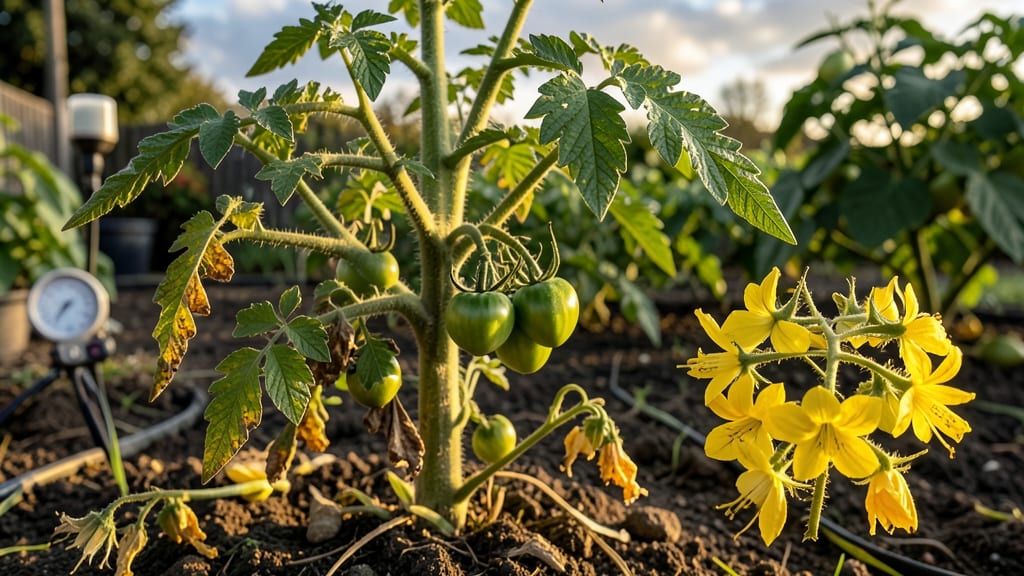
Tomato plants not setting fruit?
That heartbreaking sight of blossoms falling off without turning into tomatoes happens to every gardener at some point. ✨ I’ve stared at my own tomato plants in frustration, only to realize the fix was simpler than I thought—often just a matter of hand-pollination or adjusting watering habits.
The most common culprits are temperature swings (too hot or too cold), poor pollination, or overwatering that stresses the plant. Even indoor growers face this when their plants don’t get enough airflow or light. The good news?
Each issue has a straightforward solution, and once you address it, your plants will start producing those juicy tomatoes you’re dreaming of. By the end of this, you’ll know exactly how to boost pollination, tweak your watering schedule, and even adjust your fertilizer routine to encourage fruit set.
No more wasted blossoms—just a steady stream of ripe tomatoes ready for harvest. Let’s get those plants producing!
First, check your plant’s environment. Tomatoes need consistent temperatures between 70-85°F—any hotter or colder, and they’ll drop flowers instead of setting fruit. If your garden is struggling with heatwaves, provide afternoon shade or mulch to keep roots cool.
Overwatering can also cause blossom drop, so let the top inch of soil dry out between waterings—this encourages deeper root growth and better fruit development.
Pollination is the next big hurdle. If you notice flowers falling off without swelling, your plants might need a little help. On a dry, sunny morning, gently shake the plant or use a small brush to transfer pollen from flower to flower.
For indoor growers, a small handheld fan running for 10 minutes a day can mimic wind pollination and do the trick. Once you see those tiny tomatoes forming, you’ll know you’re on the right track!
For long-term success, focus on balanced fertilization—too much nitrogen leads to leafy growth but no fruit. Switch to a low-nitrogen, high-phosphorus fertilizer when flowers appear, and you’ll see a difference in just a few weeks.
Whether you’re growing in the ground, containers, or indoors, these fixes will turn your struggling plants into productive powerhouses. Ready to save your harvest?
Root Causes Behind Empty Tomatoes
Tomato plants are thriving, but your baskets stay empty? The issue often lies in unseen factors that disrupt the plant’s ability to produce fruit. Let’s break down the science behind why your tomatoes refuse to set—so you can fix it fast.
---
Tomatoes are self-pollinating, meaning they rely on vibrations (like wind, bees, or even your fingers) to transfer pollen from the male anthers to the female stigma. Without this, flowers drop off without forming fruit.
- Why it happens: - Lack of pollinators (bees, butterflies, or even hummingbirds) in urban or greenhouse settings. - Poor airflow—crowded plants or dense foliage block natural vibrations. - Hand-pollination neglect—if you’re growing indoors or in greenhouses, you might be skipping the manual step.
💡 Pro tip: Give your plants a gentle shake in the morning to mimic wind pollination. Or, use a small paintbrush to transfer pollen between flowers.
---
Tomatoes are temperature-sensitive. Too much heat or cold can prevent fruit set by: - Stunting pollen production (high temps >90°F/32°C). - Disrupting flower development (low temps <55°F/13°C). - Causing blossom drop—flowers form but fail to mature.
- Why it happens: - Midday heatwaves cause pollen to desiccate before pollination. - Nighttime chills (especially after warm days) shock the plant. - Greenhouse overheating without proper ventilation.
🌡️ Fix it: Use shade cloth during peak heat and row covers for early-season cold snaps. Choose heat-tolerant varieties like ‘Solar Fire’ or ‘Heatmaster.’
---
Tomatoes need consistent moisture, but fluctuations can trigger fruit failure.
- Why it happens: - Drought stress → Flowers abort before setting fruit. - Overwatering → Root rot weakens the plant, reducing energy for fruit production. - Inconsistent watering → Causes blossom end rot (a calcium deficiency symptom) or flower drop.
💧 Solution: Water deeply 1–2 times per week (1–2 inches per week) and mulch to retain moisture. Avoid wetting leaves to prevent disease.
---
Tomatoes need specific nutrients at the right stages. Too much or too little can halt fruit set.
| Nutrient Issue | Symptoms | Fix | |---------------------|-------------|---------| | Low Phosphorus (P) | Weak roots, poor flower development | Apply bone meal or compost at planting. | | Excess Nitrogen (N) | Lush foliage, no flowers | Switch to a low-N, high-P fertilizer (e.g., 5-10-10). | | Calcium Deficiency | Blossom end rot, weak cell walls | Use crushed eggshells or calcium nitrate. |
⚠️ Watch out: Over-fertilizing with nitrogen (like lawn fertilizer) promotes leaves over fruit.
--- Some invaders damage flowers or block pollination before fruit can form.
- Common culprits: - Hornworms (devour flowers and fruit). - Aphids (suck plant sap, weakening growth). - Fungal diseases (like early blight) that distort flowers.
🛡️ Prevent it: Use neem oil for pests and copper fungicide for diseases. Handpick hornworms early!
--- Some tomato types are more stubborn about setting fruit.
- Why it happens: - Determinate varieties (bush tomatoes) may drop flowers if stressed. - Indeterminate varieties (vining tomatoes) need consistent support—if they flop, flowers won’t pollinate. - Hybrid sensitivity—some F1 hybrids require specific conditions to fruit.
🌱 Action step: Choose pollination-friendly varieties like ‘Better Boy’ or ‘Cherry Roma’ for reliability.
Quick Fixes for Blossom Woes
Now that you know the culprits behind your tomato plants’ fruitless blooms, let’s roll up our sleeves and get those vines producing like a well-oiled (and pollinated) machine! 🍅🌿 Below are practical, step-by-step solutions tailored to each common cause—plus pro tips to keep your tomatoes flourishing long after the harvest.
---
Problem: Wind or bees aren’t doing their job, so blossoms fall before fruiting.
How to Fix It: - Hand-Pollinate Like a Pro 👨🍳 Grab a small paintbrush, cotton swab, or even a feather. Gently tap the center of each flower (where pollen sits) to transfer it to the stigma. Do this in the morning when flowers are fresh and sticky with pollen. Pro Tip: 💡 If you’re growing indoors or in a greenhouse, pollinate every 2–3 days during blooming season.
- Invite Pollinator Friends 🐝 Plant companion flowers near your tomatoes to attract bees: - Basil (repels pests and draws bees) - Marigolds (bright colors = bee magnets) - Borage (edible flowers + pollinator superstar) - Sunflowers (tall and easy for bees to spot) Bonus: Avoid pesticides—even "organic" sprays can harm pollinators!
- Shake It Up (Literally) ⏰ If your plants are outdoors, give them a gentle shake every few days during blooming. This mimics wind pollination and can dislodge stubborn pollen.
---
Problem: Extreme heat (above 90°F/32°C) causes blossoms to drop before fruiting.
How to Fix It: - Provide Afternoon Shade 🌳 Use shade cloth (30–50%) or temporary row covers to block hot afternoon sun (1 PM–5 PM). Focus on young plants or those in peak bloom. Pro Tip: 🌡️ If you’re in a hot climate, opt for heat-tolerant varieties like ‘Heatmaster’ or ‘Solar Fire.’
- Mulch Like a Boss 🌱 Apply 2–3 inches of mulch (straw, grass clippings, or wood chips) to keep soil cool and retain moisture. This also prevents soil-borne diseases that thrive in heat.
- Water Deeply (But Not Too Much) 💦 Water early in the morning (6–8 AM) to let foliage dry before evening. Aim for 1–1.5 inches per week, focusing on the roots, not the leaves. Warning: 🚫 Avoid wetting flowers—this can spread fungal diseases like blossom end rot.
---
Problem: Poor soil or inconsistent watering starves plants, leading to weak blooms.
How to Fix It: - Fertilize Right (No More, No Less) 📊 Use a balanced fertilizer (10-10-10 or 5-5-5) when plants are 6–8 inches tall, then switch to a low-nitrogen, high-phosphorus feed (like 3-4-6) when flowers appear. Pro Tip: 💡 Fish emulsion or compost tea adds micronutrients without burning roots. Apply every 2–3 weeks during fruiting.
- Test Your Soil 🧪 Grab a DIY soil test kit (or send a sample to your local extension office). Tomatoes love pH 6.0–6.8. If your soil is too alkaline, amend with sulfur or peat moss.
- Water Consistently (No Droughts!) 🚰 Tomatoes hate moisture swings. Water deeply 2–3 times per week (rather than daily shallow watering) to encourage strong root growth. Signs of Stress: 🚨 Wilting leaves, yellowing lower foliage, or blossoms dropping? Time to adjust your watering routine!
---
Problem: Overcrowding, pests, or disease divert energy from fruit production.
How to Fix It: - Prune for Airflow & Sun ✂️ - Remove suckers (side shoots between main stem and branches) to focus energy on fruit. - Trim lower leaves to improve airflow (reduces disease risk). - Indeterminate varieties? Prune aggressively to 3–4 main stems for better yields.
- Combat Pests Naturally 🐛 - Aphids/Whiteflies? Spray with neem oil or soapy water (1 tbsp mild soap + 1 quart water). - Hornworms? Handpick them (they’re big and green—easy to spot!) or introduce parasitic wasps. - Fungal issues? Apply copper fungicide or baking soda spray (1 tsp baking soda + 1 quart water + a drop of soap).
- Support Heavy Plants 🌱 Use cages or stakes to keep vines upright. Drooping plants can’t pollinate efficiently and are prone to disease.
---
Once you’ve revived your plants, lock in success with these long-term strategies: - Start with strong seedlings (or transplant 6-week-old healthy starts). - Rotate crops—never plant tomatoes in the same spot year after year. - Use row covers early to protect from late frosts or early heatwaves. - Plant companion herbs (basil, thyme, or oregano) to repel pests and boost flavor. - Keep a garden journal!
Note what worked (and what didn’t) each season.
--- Final Thought: 🌟 A little extra care now means bountiful tomatoes later—so don’t let those blossoms go to waste! Pick one fix to start today, and watch your plants transform from "blossom dropouts" to "fruit factories." 🍅🚀
Frequently asked questions about tomato plants not setting fruit
Why do my tomato flowers keep falling off before turning into fruit?
This usually happens due to temperature stress (above 90°F or below 55°F) or poor pollination. Tomatoes need consistent warmth and gentle vibrations (from wind or bees) to set fruit. Try hand-pollinating with a paintbrush or shaking plants gently in the morning.
Can overwatering really prevent tomatoes from fruiting?
Overwatering causes root stress and blossom drop, while inconsistent watering leads to blossom end rot. Water deeply 1–2 times per week (1–2 inches total) and mulch to maintain even moisture. Avoid wetting leaves to prevent fungal diseases.
How do I tell if my tomato plant needs more phosphorus for fruiting?
Look for weak roots, small flowers, or delayed fruit set—these are signs of phosphorus deficiency. Switch to a low-nitrogen, high-phosphorus fertilizer (like 5-10-10) when flowers appear. You can also add bone meal or compost to the soil.
Will shaking my tomato plant help if I don’t have bees?
Yes! Giving your plant a gentle shake 2–3 times a week mimics wind pollination. Do this on dry mornings when flowers are open. For indoor plants, use a handheld fan for 10 minutes daily or hand-pollinate with a soft brush.
Are there tomato varieties that set fruit more reliably?
Yes! Heat-tolerant varieties like ‘Solar Fire’ or ‘Heatmaster’ handle high temps better, while determinate types (like ‘Roma’) produce fruit in clusters without needing constant support. For indoor growing, try cherry tomatoes (e.g., ‘Sweet Million’)—they pollinate more easily.