
Companion Plants
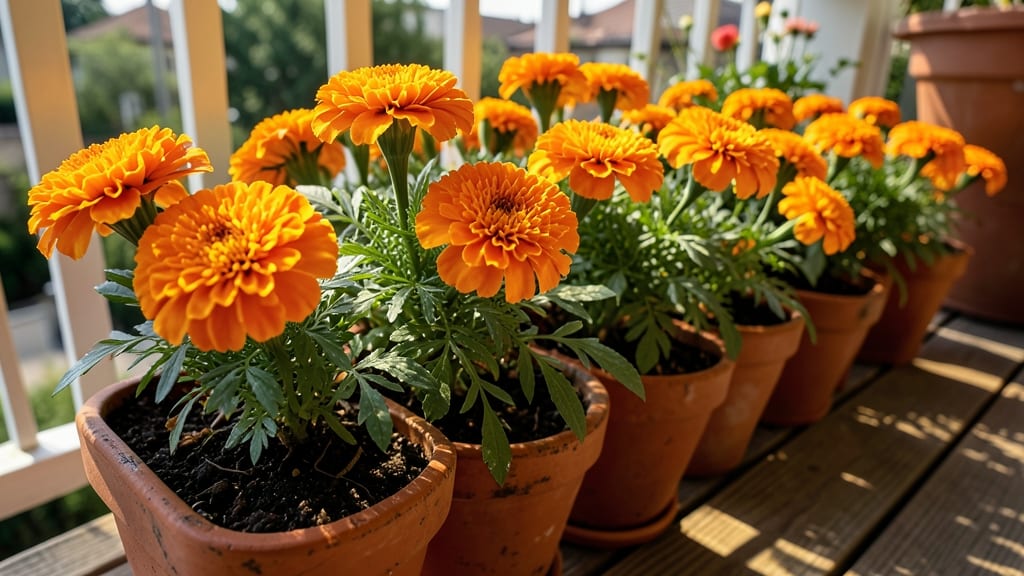
Tired of fruit flies ruining your produce and invading your kitchen? These 10 natural plants act as powerful repellents, offering chemical-free solutions that work indoors and outdoors while enhancing your garden's beauty.
Basil Plants for Kitchen Countertops
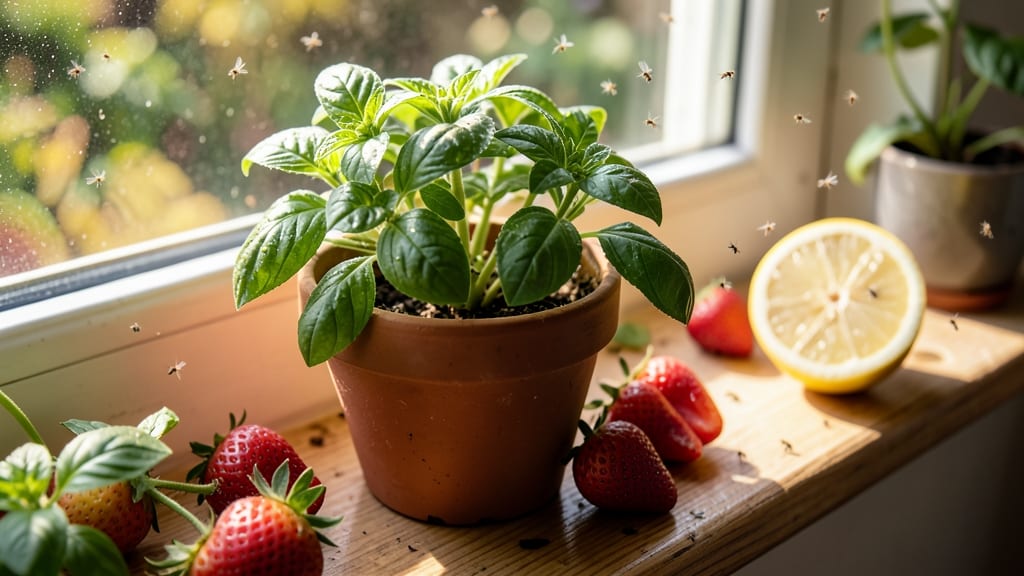
Fruit flies swarming around your overripe fruit or kitchen trash? Sweet basil isn’t just for pesto—its potent aroma masks the scents that lure these pests, making it a natural countertop defense. Place a small pot on your windowsill or herb garden, and you’ll disrupt their feeding patterns while adding fresh flavor to your meals.
Basil thrives in 6 hours of sun daily and needs well-draining soil to prevent root rot. Pinch back flowers to encourage leaf growth, and harvest regularly to keep the plant bushy. The stronger the scent, the better it repels flies—so let it grow lush and fragrant. This herb is especially effective near fruit bowls or compost bins where flies congregate.
Urban gardeners and small-space growers will love how basil fits perfectly on kitchen counters or sunny windowsills. Its dual purpose—pest control and culinary use—makes it a must-have for any fly-prone kitchen. 🌱
Lavender Bushes Near Fruit Trees
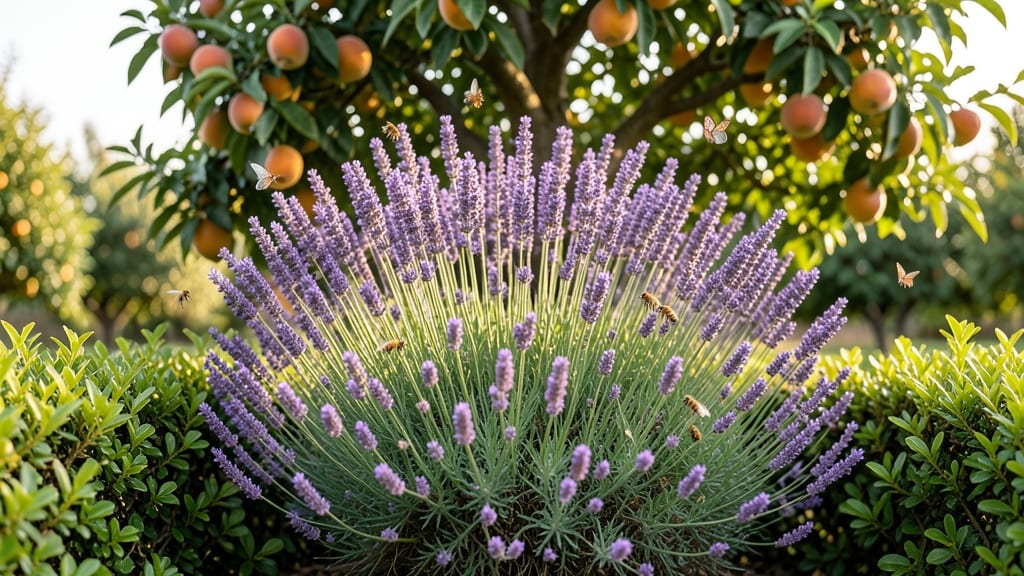
If your fruit trees are magnets for fruit flies but you also want to support pollinators, lavender bushes are the perfect multi-tasking solution. Their intense floral scent masks the odors that attract flies while drawing in bees and butterflies with their nectar-rich blooms.
Plant lavender in full sun (at least 6 hours daily) near orchards or compost bins, where flies tend to congregate. The drought-tolerant nature of lavender makes it low-maintenance, thriving in well-drained soil with minimal watering once established. Prune lightly after blooming to encourage bushier growth and more flowers.
This dual-purpose plant works especially well for home orchard owners or gardeners with compost piles, offering both pest control and pollinator support without competing with fruit trees. 🌿
Citronella Grass in Outdoor Spaces
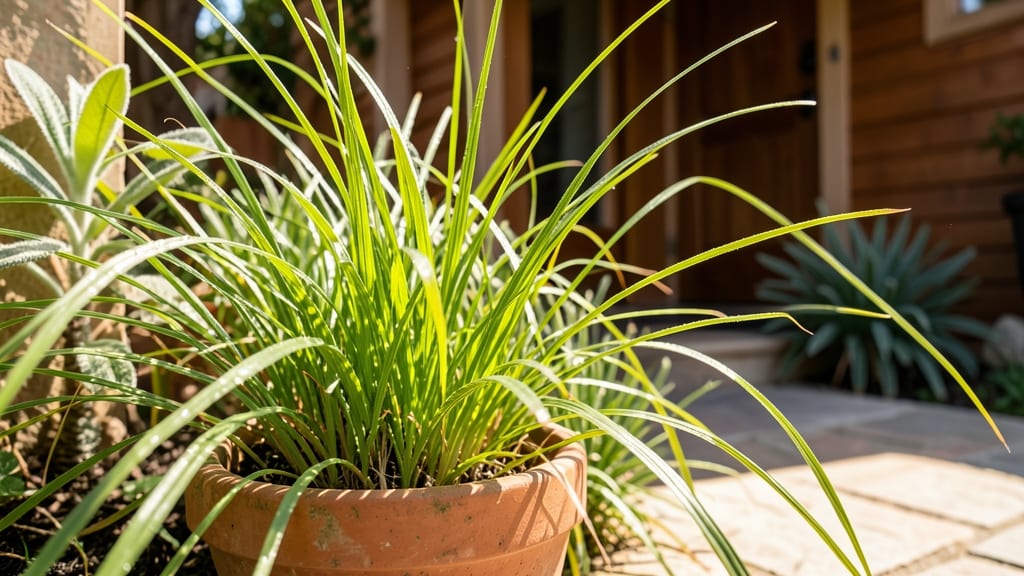
If you're tired of fruit flies buzzing around your patio or entryway, citronella grass might be your secret weapon. While it’s famous for repelling mosquitoes, its strong citrusy scent also disrupts fruit flies’ ability to land on surfaces—making it a dual-purpose pest fighter.
This tropical perennial thrives in full sun to partial shade** and grows best in well-draining soil. Place it in containers near patios, decks, or entryways where fruit flies congregate. Water regularly to keep the soil moist, and trim back browned leaves to encourage lush growth. The taller varieties (3-6 feet) create a natural barrier against pests while adding a tropical vibe to outdoor spaces.
Perfect for urban gardeners or those with limited yard space, citronella grass offers a fragrant, low-maintenance solution that keeps fruit flies away without chemicals. 🌻
Mint Plants by Kitchen Windows
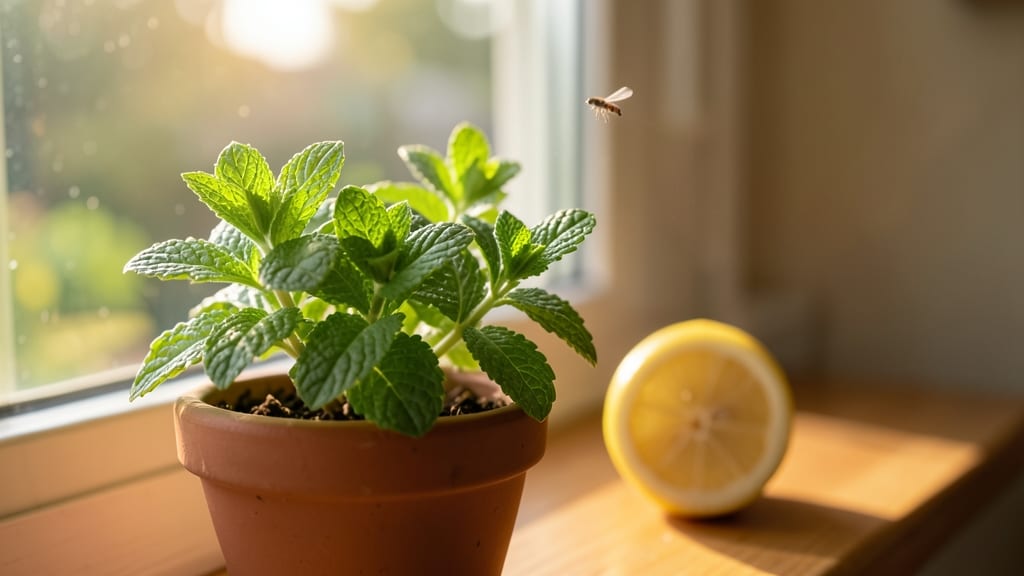
Struggling with fruit flies buzzing around your kitchen? Peppermint and spearmint might be your secret weapon—these powerhouse herbs don’t just add flavor to cocktails, they overwhelm fruit flies’ scent-detection abilities with their intense aroma. The key is placing them strategically near windows or fruit storage areas where flies are most active.
For best results, grow them in hanging baskets or shallow pots to contain their aggressive spread—mint roots can take over garden beds if left unchecked. Place the containers near sunny kitchen windows (4-6 hours of sunlight daily) where the scent will naturally disperse. Bonus: The fresh leaves double as a natural air freshener and pest deterrent.
This solution is perfect for urban gardeners with limited space or anyone who wants a low-maintenance way to keep fruit flies at bay. Just be prepared for your kitchen to smell like a minty paradise! 💚
Rosemary Bushes Near Compost Areas
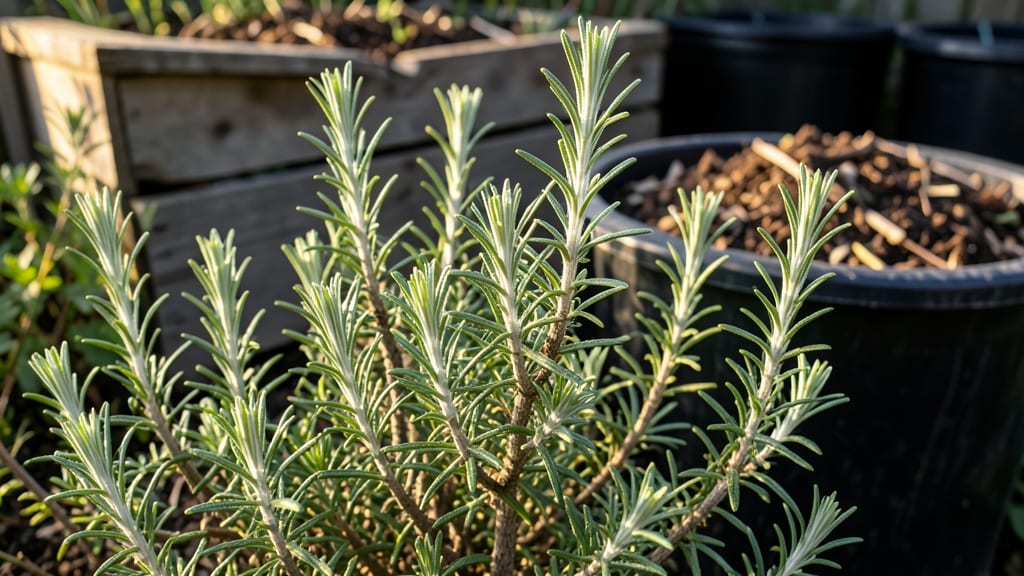
If your compost pile or outdoor waste bins are becoming a fruit fly magnet, rosemary bushes are your secret weapon. This hardy, woody herb releases natural camphor-like compounds that disrupt flies' ability to locate food sources, making it perfect for placement near organic waste.
Rosemary thrives in full sun to partial shade and requires minimal water once established, making it ideal for both in-ground beds and container gardens. Its aromatic foliage also deters other pests while improving soil health through its deep root system. For best results, plant near compost areas or under fruit trees where flies are most active.
Urban gardeners and small-space growers will love how rosemary doubles as a culinary herb, while its drought-tolerant nature makes it low-maintenance. 🌱
Lemon Balm in Window Herb Gardens
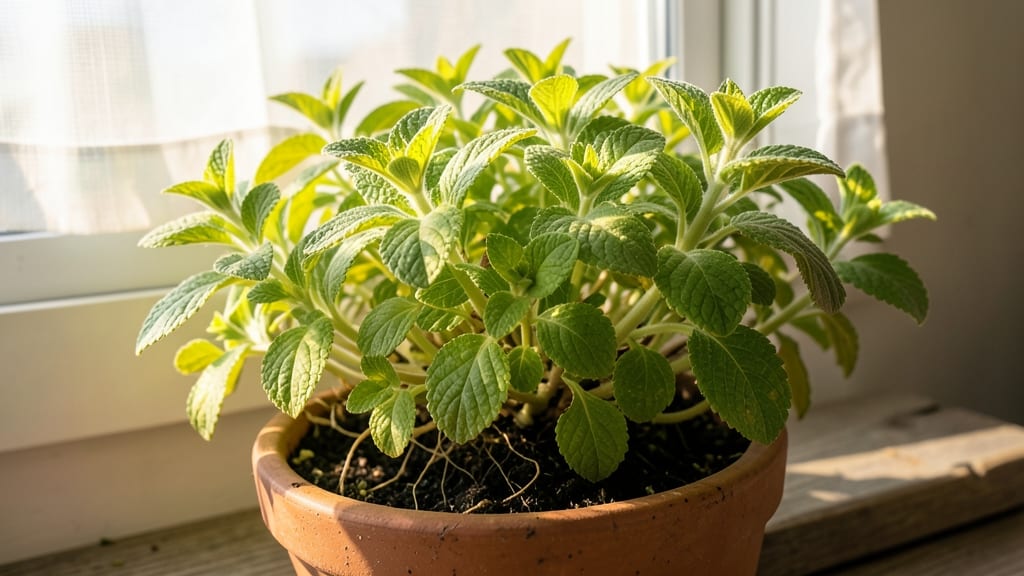
Need a fruit fly disruptor that thrives where others fail? Lemon balm is your secret weapon—its bright, citrusy scent scrambles flies' olfactory systems while growing effortlessly in partial shade, making it perfect for windowsill herb gardens near fruit storage.
This hardy perennial spreads aggressively but stays contained in pots, releasing volatile oils that repel flies for months. Place it near fruit bowls or kitchen windows where flies congregate—its lemony aroma lingers even when dried. Bonus: It’s deer-resistant and attracts pollinators, doubling as a garden helper.
Urban gardeners and small-space growers will love how lemon balm fits into tight spaces while delivering year-round protection. Just pinch back stems to control its spread! 🌿
Thyme Ground Cover Around Patios
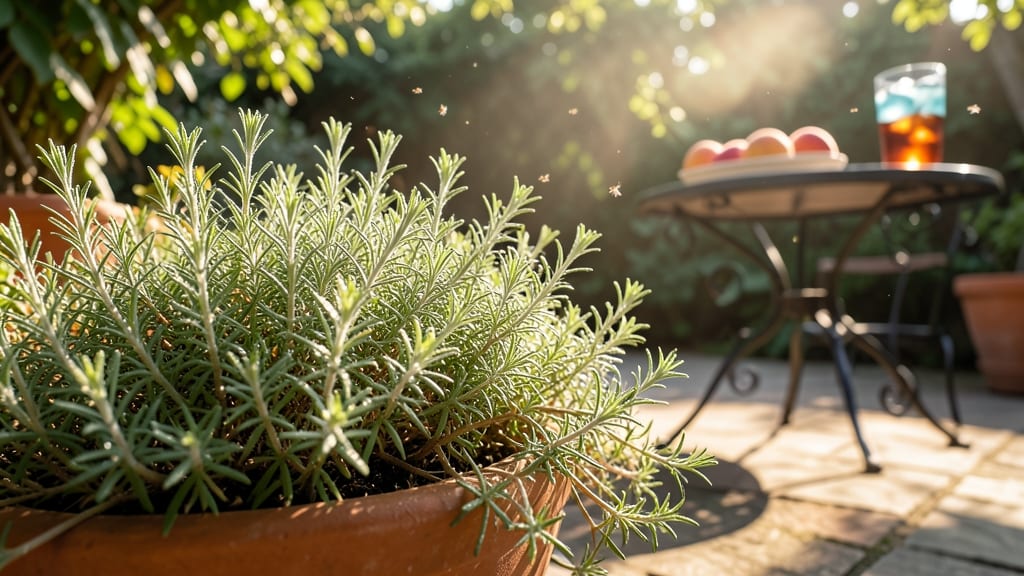
Tired of fruit flies buzzing around your patio while you enjoy an outdoor meal? Thyme isn’t just a culinary herb—it’s a natural fly deterrent with a pine-like fragrance that disrupts their attraction to food sources. This hardy ground cover thrives in sunny spots, making it ideal for borders or container edges where flies linger.
Plant thyme in well-draining soil with 6 hours of sun daily, and watch it spread into a dense mat that smothers weeds while releasing aromatic oils. Varieties like lemon thyme or common thyme work best for fly control, and they’re drought-tolerant once established. Snip sprigs for cooking or garnishes to keep your plants tidy.
Perfect for urban gardeners or anyone with limited time, thyme requires almost no maintenance—just occasional pruning to encourage bushier growth. Its dual purpose as a pest repellent and edible herb makes it a must-have for patios, balconies, or garden edges. 🌿
Catnip Plants in Garden Beds
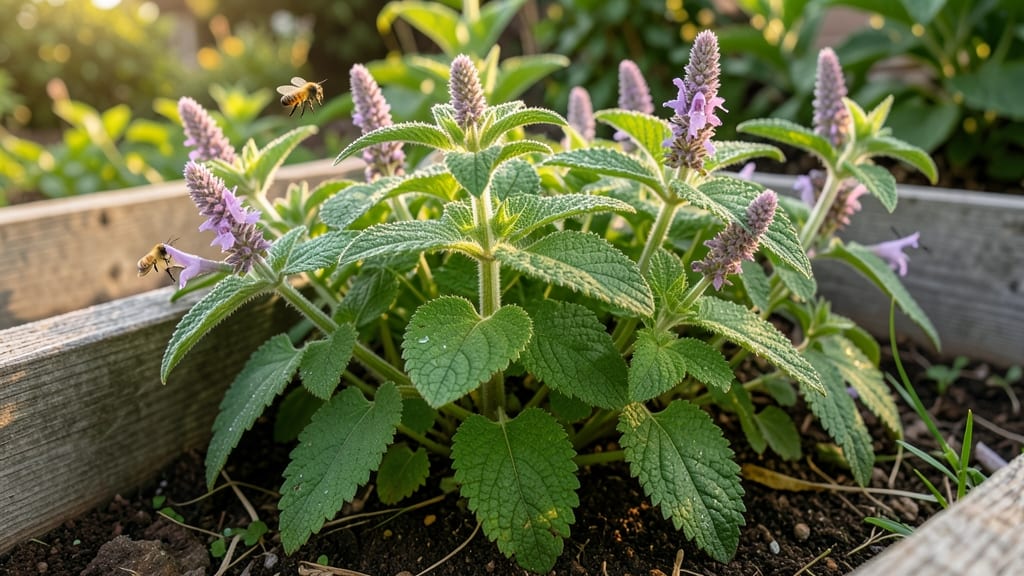
If you’ve ever struggled with fruit flies swarming your garden, catnip might be your secret weapon. This hardy perennial isn’t just for cats—it contains nepetalactone, a compound proven to be 10 times more effective than DEET at repelling insects, including fruit flies.
Plant catnip in vegetable patches or near compost bins to create a natural barrier. It thrives in full sun to partial shade and tolerates poor soil, making it a low-maintenance addition. The fuzzy leaves and white flowers add texture to garden beds while keeping pests at bay.
This is especially useful for gardeners who prefer chemical-free solutions without sacrificing beauty. 🌱
Bay Leaves in Kitchen Storage
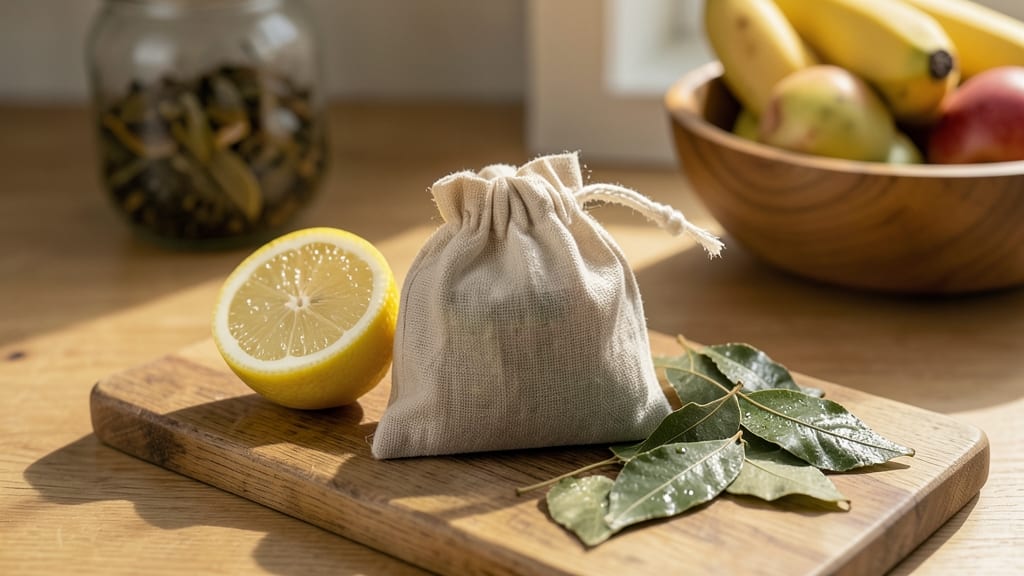
Skip the store-bought fly traps and reach for your bay leaf stash instead. These aromatic leaves contain natural oils that disrupt fruit flies' ability to locate food, making them a zero-effort solution for pantries and fruit bowls.
Simply place a few dried bay leaves in muslin bags and tuck them into pantry corners, or hang small bundles from cabinet hooks near ripe produce. The oils release continuously for months, creating a protective barrier without chemicals. For extra potency, crush leaves slightly to intensify their scent.
This trick works especially well for renters, small-space gardeners, or anyone who prefers non-toxic pest control. No planting required—just repurpose what you already have! 💚
Marigold Flowers in Garden Containers

Want a two-in-one solution for brightening your balcony and keeping fruit flies at bay? Marigolds pack a natural pest-fighting punch with their pyrethrin-rich blooms, which disrupt fruit fly nervous systems while adding vibrant color to any container garden.
These hardy annuals thrive in full sun to partial shade and prefer well-draining soil. Plant them in 6-inch pots near entryways, patios, or balcony railings where flies congregate. Deadhead spent blooms to encourage continuous flowering, and watch as their cheerful orange and yellow hues repel pests while attracting pollinators. The more flowers you grow, the stronger the fly-deterrent effect!
Balcony gardeners and urban dwellers will love how marigolds combine beauty with function—no chemicals needed. Just add water and sunshine for a fly-free, fragrant oasis. ✨