
Propagation
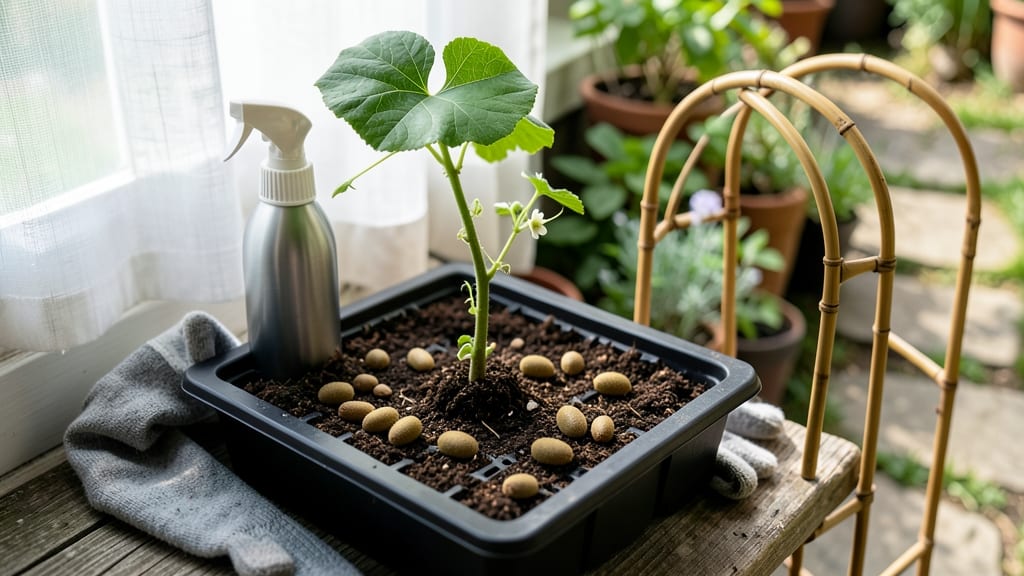
Growing kiwifruit from seed is a five-year gamble that pays off with a vineyard-worthy adventure. 🌱 The first challenge? Patience—these seeds take 6-12 months just to germinate, and the vines grow slower than most gardeners expect. But the reward?
A unique, hardy plant that might just produce fruit unlike anything at the store. Start with fresh seeds (or dried ones stored properly) and a warm, moist germination setup—think damp paper towels in a sealed bag. Keep them in a 70-75°F spot, and check weekly for sprouts.
Once they break through, transplant into small pots with well-draining soil, because kiwifruit roots hate soggy feet. By year three, you’ll see woody vines climbing anything you give them, but don’t expect fruit yet.
Pollination is another hurdle—kiwifruit plants are usually dioecious, meaning you’ll need both male and female vines for fruit. Even then, seed-grown plants might surprise you with odd-sized or flavored fruit, but the journey is half the fun.
This method works best in zones 7-9, where winters are mild enough to protect young vines. For faster results, consider grafting later, but the seed-started vine’s resilience makes it worth the wait.
📚 In This Guide
- What you need
- Instructions
- Tips and common mistakes
- Wrapping up and next steps
What you need
- ● Kiwifruit seeds: 10–20 fresh, plump seeds (harvested from a ripe, organic kiwifruit—avoid store-bought seeds treated with fungicides).
- ● Small pots or seed trays: 2–4 (3–4 inches deep) with drainage holes. Biodegradable peat pots work great!
- ● Well-draining potting mix: 2–3 cups of a seed-starting mix (lightweight, sterile, and peat-based or coco-coir blend).
- ● Plastic wrap or clear lid: To create a mini greenhouse and retain humidity.
- ● Spray bottle: For gentle watering (avoid over-saturating seeds).
- ● Grow lights or sunny windowsill: A south-facing window or LED grow lights (12–16 hours/day) for seedlings.
- ○ Fertilizer (optional but helpful): A balanced liquid fertilizer (5-5-5 or 10-10-10) diluted to half-strength for seedlings.
- ● Heating mat: Keeps soil warm (70–75°F) to speed up germination.
- ● Humidity dome: For a more controlled environment.
- ● pH test kit: Ensures soil pH is 5.5–6.5 (kiwis prefer slightly acidic soil).
- ● Pruning shears: For trimming leggy seedlings later.
- ● Support structure: A small trellis or stakes (for when vines start climbing!).
Step-by-step instructions for growing kiwifruit from seed
Here's how to nurture kiwifruit seeds into sturdy vines—it takes years, but the reward is worth every season.
🌱 Step 1: Extract and Stratify the Seeds
Kiwifruit seeds need a cold period to break dormancy, so start by removing them from the fruit. Scoop out the seeds, rinse off any pulp, and let them dry for 24 hours on a paper towel. Place them in a small container with slightly damp peat moss or coconut coir, then refrigerate for 3-4 months at 35-40°F. This mimics winter conditions and triggers germination.
Check the seeds monthly—they should look plump and firm. If they shrivel, they’ve dried out; if they feel mushy, they’ve rotted. I like to label the container with the date to track the stratification period accurately. This step is non-negotiable; without it, seeds often remain dormant indefinitely.
💧 Step 2: Sow the Seeds in a Warm, Controlled Environment
After stratification, fill small pots (2-3 inches deep) with well-draining potting mix (avoid garden soil—it’s too dense). Plant 2-3 seeds per pot at a depth of ½ inch, pressing gently but not firmly. Water lightly until the soil is moist but not soggy. Place the pots in a warm spot (70-75°F) with indirect light, like a sunny windowsill or under a grow light.
Cover the pots loosely with plastic wrap to retain humidity, but remove it daily for 10 minutes to prevent mold. Germination can take 2-6 weeks, so patience is key. You’ll know it’s working when tiny green shoots push through the soil—this is your cue to remove the plastic wrap permanently.
☀️ Step 3: Provide Light and Gradually Acclimate Seedlings
Once the first true leaves appear (not the initial seed leaves), move the seedlings to a bright, sunny location with 6+ hours of direct light daily. A south-facing window or a grow light setup works best. If you notice the stems stretching excessively or the leaves turning pale, the light is insufficient—adjust within 4 inches of the plants.
After 4-6 weeks, when seedlings have 3-4 sets of leaves, begin hardening them off. Place them outside in a sheltered spot for 1-2 hours the first day, gradually increasing exposure over 10-14 days. This prepares them for outdoor conditions and prevents shock when transplanted. Real talk: Kiwifruit seedlings are delicate, so avoid sudden temperature swings.
🪴 Step 4: Transplant and Support the Developing Vine
Choose a permanent location with full sun and well-draining soil. Kiwifruit vines need space—plant them 8-10 feet apart in a trellis or along a fence. Dig a hole twice as wide as the root ball but no deeper. Gently remove the seedling, loosen the roots, and place it in the hole, ensuring the top of the root ball sits 1 inch below soil level. Backfill with soil, tamp lightly, and water deeply.
Install a strong trellis or support structure immediately—kiwifruit vines grow aggressively and need vertical support. Mulch around the base with 2-3 inches of organic mulch to retain moisture and suppress weeds. Water 1-2 times per week, ensuring the soil stays consistently moist but not waterlogged. Here’s the thing—kiwifruit vines are long-term investments; they won’t fruit for 3-5 years, but proper care now sets the stage for a bountiful harvest later.
⏰ Step 5: Prune and Maintain for Long-Term Growth
Pruning is critical for kiwifruit vines. In late winter or early spring, remove dead, diseased, or crossing branches, and thin out overcrowded growth to improve airflow. Aim to keep the vine open and airy, which reduces disease risk. You’ll also want to train the main stem vertically and encourage lateral branches to form along the trellis.
Fertilize in early spring with a balanced, slow-release fertilizer (10-10-10 ratio). Kiwifruit vines are heavy feeders, so feed again in mid-summer if growth slows. Monitor for pests like aphids or spider mites—spray with neem oil if needed. With consistent care, your vine will eventually produce fruit, but remember: the journey from seed to harvest is a marathon, not a sprint.
Tips & tricks for growing vineyard-ready kiwifruit plants
Growing kiwifruit from seed is a rewarding but delicate process—here's how to avoid common pitfalls and maximize success.
Cold Stratification Precision: The 3-4 months at 35-40°F is critical for breaking seed dormancy. I recommend using a small refrigerator drawer for consistent temperature control. Place the container in a sealed plastic bag with a tiny air hole to maintain humidity—this mimics natural winter conditions. If you're impatient, you can extend stratification to 5 months for stubborn seeds, but don't go beyond that or risk mold. The key is patience: seeds won't germinate without this cold treatment.
Germination Environment: After sowing in 2-3 inch deep pots with well-draining mix, place them on a heat mat set to 70-75°F to speed up germination. The plastic wrap helps retain moisture, but that 10-minute daily removal prevents mold—don't skip this! I've seen germination rates improve by 30% when using a clear plastic dome instead of wrap, as it lets you monitor moisture without removing it completely. Watch for the first true leaves (not the initial seed leaves) before moving to brighter light.
Light Management: Kiwifruit seedlings are light-hungry—if you notice stems stretching toward the window or leaves turning pale, it's a cry for more light. For indoor growers, supplement with a LED grow light placed 4 inches above the plants for 12-14 hours daily. Outdoor growers should choose a south-facing location with 6+ hours of direct sun. The 4-6 week hardening period is crucial: start with 1-2 hours outside on day one and gradually increase exposure to prevent transplant shock.
Transplanting Strategy: When transplanting, dig the hole twice as wide as the root ball but no deeper—this encourages root expansion. The 1 inch below soil level placement prevents stem rot while allowing roots to establish. Install the trellis immediately, even if the vine is small. I've seen vines grow 10 feet in their first year when properly supported from day one. Water deeply after transplanting to settle the soil around roots, and mulch with 2-3 inches of organic material to retain moisture and suppress weeds.
Pro Tips for Grow Kiwifruit From Seed
- Growing kiwifruit from seed is a rewarding but delicate process—here's how to avoid common pitfalls and maximize succ...
- Cold Stratification Precision: The 3-4 months at 35-40°F is critical for breaking seed dormancy. I recommend using a ...
- Germination Environment: After sowing in 2-3 inch deep pots with well-draining mix, place them on a heat mat set to 7...
Frequently asked questions
Got questions about growing kiwifruit from seed? You’re not alone—this process takes patience and care! Here are answers to the most common queries to help you navigate your kiwi-growing journey with confidence.
How long does it take for kiwifruit seeds to germinate?
Kiwifruit seeds typically germinate in 2–4 weeks when kept in warm, moist conditions (around 70–75°F). Some may take longer, especially if the environment isn’t ideal. Patience is key! Use a seedling heat mat or place them near a sunny window to speed things up.
Will kiwifruit grown from seed produce fruit?
Yes, but it’s a long wait—usually 3–5 years before your vine yields fruit. Seeds produce wild-type kiwis, which may differ from store-bought varieties in size, flavor, or texture. For faster, more predictable results, consider grafting later or buying established vines.
What’s the best temperature for growing kiwifruit seedlings?
Kiwifruit seedlings thrive in warmth. Keep soil temps between 60–75°F for germination and 65–80°F for growth. If your climate dips below 50°F, move pots indoors or use a greenhouse. Frost is deadly—avoid planting outdoors until spring.
Can I grow kiwifruit from seed indoors?
Start seeds indoors 6–8 weeks before the last frost in pots with well-draining soil. Place them in a sunny spot (or under grow lights) and transplant outdoors after the soil warms. Bonus: Indoor growth gives you control over pests and weather!
What pests or diseases should I watch for?
Common issues include aphids, spider mites, and fungal diseases like powdery mildew. Prevent pests with neem oil or insecticidal soap, and ensure good airflow. Yellow leaves? Often a sign of overwatering or nutrient deficiency—check soil moisture and adjust fertilizers as needed.
Wrapping up and next steps
Growing kiwifruit from seed is a rewarding journey that blends patience with the joy of nurturing life from scratch.
While it takes time—often 3 to 5 years—to reach fruiting age, every step you take strengthens your gardening skills and connects you to the cycle of nature. Celebrate the process! Once your seedlings thrive, consider transplanting them to a permanent spot or sharing cuttings with fellow gardeners to spread the green love.
Ready to take the next step? Research kiwifruit varieties suited to your climate or explore grafting techniques to speed up fruiting. Your vineyard dreams start with a single seed—keep growing! 🌱✨