
Vegetables
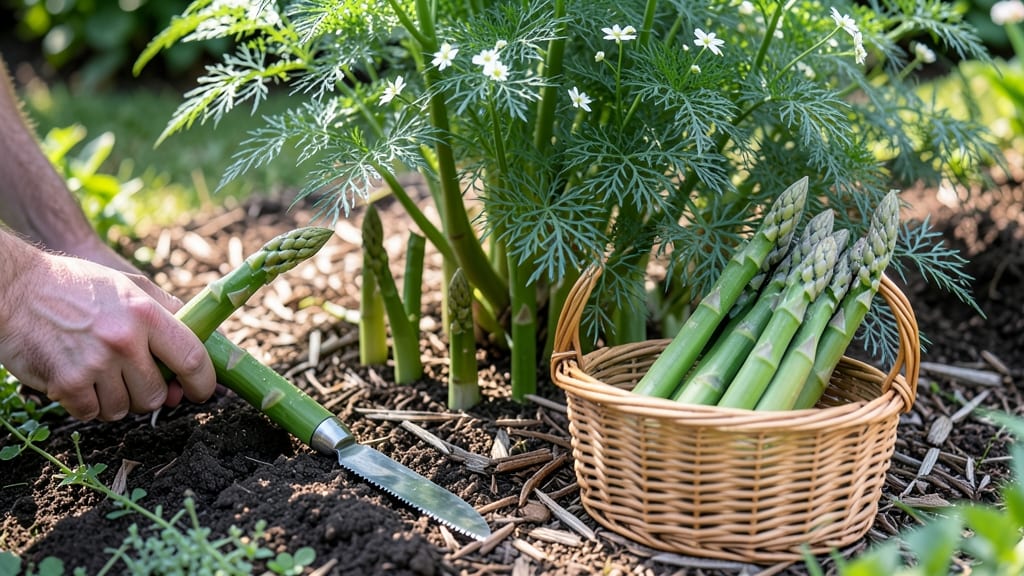
Determining whether asparagus is a fruit or vegetable reveals it's botanically a vegetable because its edible parts are the plant's young shoots—non-reproductive growth. Yet its development from flower buds creates this common culinary classification confusion.
This distinction matters because botanists classify plants based on reproductive parts, while chefs categorize by taste and texture. 🌱 The asparagus spear you eat grows from the plant's flower stalk, but since it's harvested before flowering, it's considered a vegetable.
Many people mistakenly call it a fruit because of its seed-bearing potential later in growth, but that's where the botanical debate begins.
What's fascinating is how this classification plays out in everyday cooking.
While asparagus behaves like a vegetable in recipes—pairing well with savory flavors and roasting beautifully—its botanical roots (literally) reveal a more complex story. 💫 Gardeners often joke that asparagus is the "plant that fools everyone," since it looks like a vegetable but has fruit-like origins.
💡 In This Article
- Botanical Classification: Why Asparagus Confuses Gardeners
- Growing Asparagus: Tips for Harvesting Edible Shoots Correctly
Botanical classification: why asparagus confuses gardeners
The confusion around asparagus stems from how botanists define fruits versus vegetables. Scientifically, fruits develop from a plant's flowering parts and contain seeds, while vegetables come from other edible plant structures like leaves, stems, or roots.
Asparagus grows from the flower bud of the plant, which would technically classify it as a fruit—but only if allowed to mature fully. Since we harvest it as a young shoot (6-10 inches tall), it's considered a vegetable because we're consuming the non-reproductive growth stage.
Here's where it gets interesting: The asparagus spear you eat is actually the meristem—the rapidly dividing cells at the tip of the shoot. This part would eventually develop into flowers and seeds if left unharvested.
The plant's reproductive cycle begins with these buds, which is why some gardeners and chefs mistakenly call asparagus a fruit. 🌱 However, botanically, the key distinction is whether we're eating the plant's reproductive structures (fruit) or its vegetative parts (vegetable).
The confusion extends to other plants too—like tomatoes, which are botanically fruits but used as vegetables in cooking. Asparagus shares this gray area because its flavor profile and culinary uses align with vegetables: savory, not sweet, and perfect for roasting or grilling at 400-425°F.
This dual nature makes it a fascinating case study in how botanical definitions don't always match kitchen realities.
What most people don't realize is that asparagus belongs to the Liliaceae family, which includes other vegetables like onions and garlic. The plant's flower stalks (which become asparagus spears) emerge from the ground in spring, growing at a rate of about 1 inch per day under ideal conditions.
This rapid growth is why gardeners must harvest carefully—cutting too many spears can weaken the plant for future seasons.
In culinary terms, the classification matters less than the experience: asparagus's tender-crisp texture and earthy flavor make it a vegetable star. Yet its botanical roots (literally) reveal how plants can defy simple categories.
The debate highlights how science and cooking sometimes speak different languages—one based on reproductive biology, the other on taste and texture.
For gardeners, this knowledge changes how you approach harvesting. Since asparagus is a perennial, proper management of its flower buds ensures a steady crop for years.
The first year's harvest should be minimal (2-3 spears per plant) to let the roots establish, while mature plants can yield 10-20 spears per season when cared for correctly.