
Companion Plants
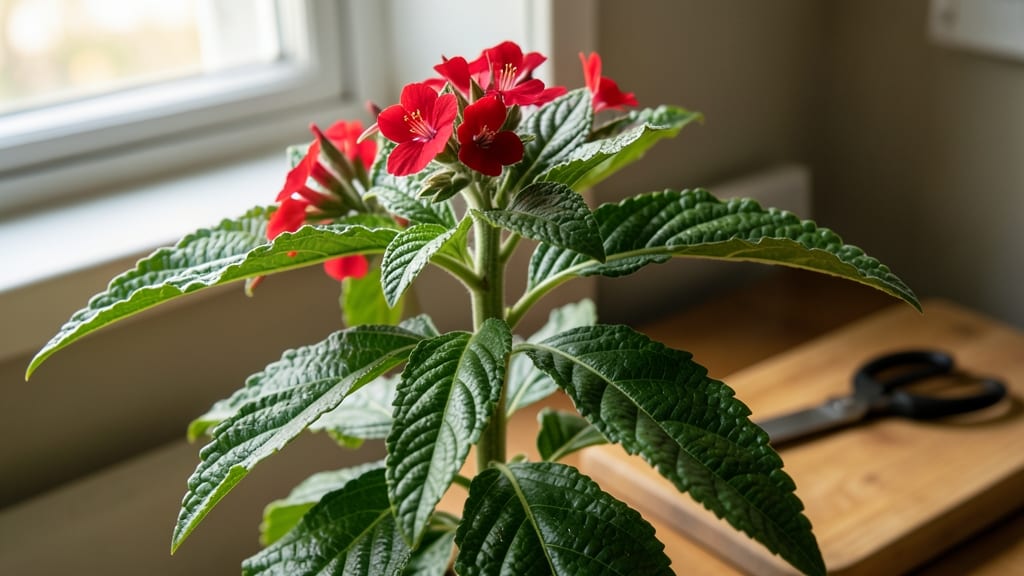
Struggling to grow fruit indoors with limited sunlight? These 10 low-light indoor fruit plants produce edible harvests while thriving in apartments, offices, or shady corners—no greenhouse required.
Dwarf Citrus Trees Like Meyer Lemon
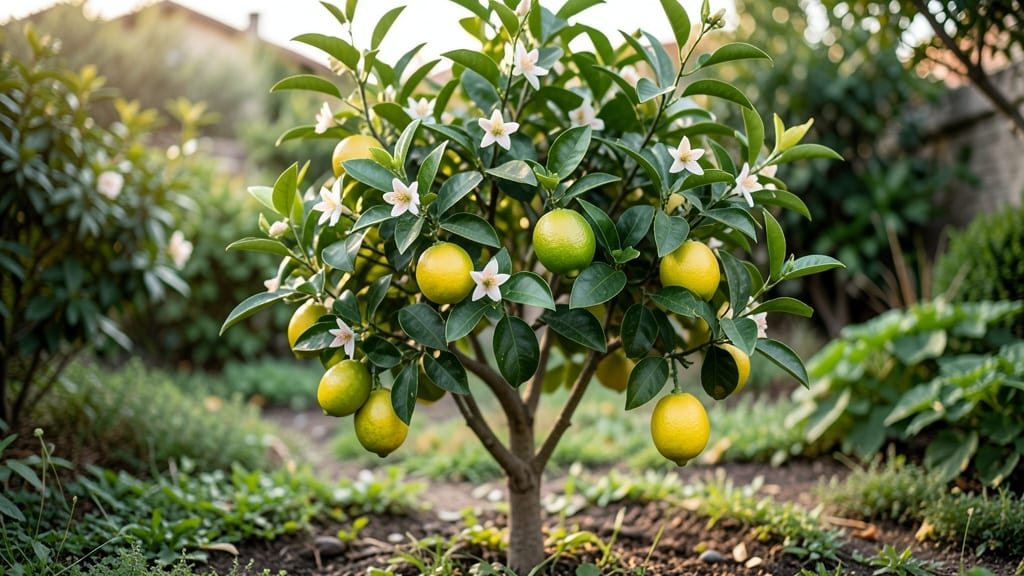
Imagine harvesting your own Meyer lemon fruit indoors—no backyard required! These dwarf citrus trees thrive with just 4-6 hours of indirect light, making them perfect for kitchens, sunrooms, or even bright bathrooms.
The Meyer lemon variety is especially rewarding, offering sweet, fragrant flowers and juicy fruit that’s less acidic than traditional lemons. Plant in a well-draining pot with a mix of cactus soil and perlite, and keep the soil lightly moist (but never soggy). A grow light can extend the flowering season if natural light is limited.
This is the ideal first fruit plant for urban gardeners or anyone with limited space—plus, the citrus scent doubles as a natural air freshener. 🌱
Strawberry Guinevere Variety
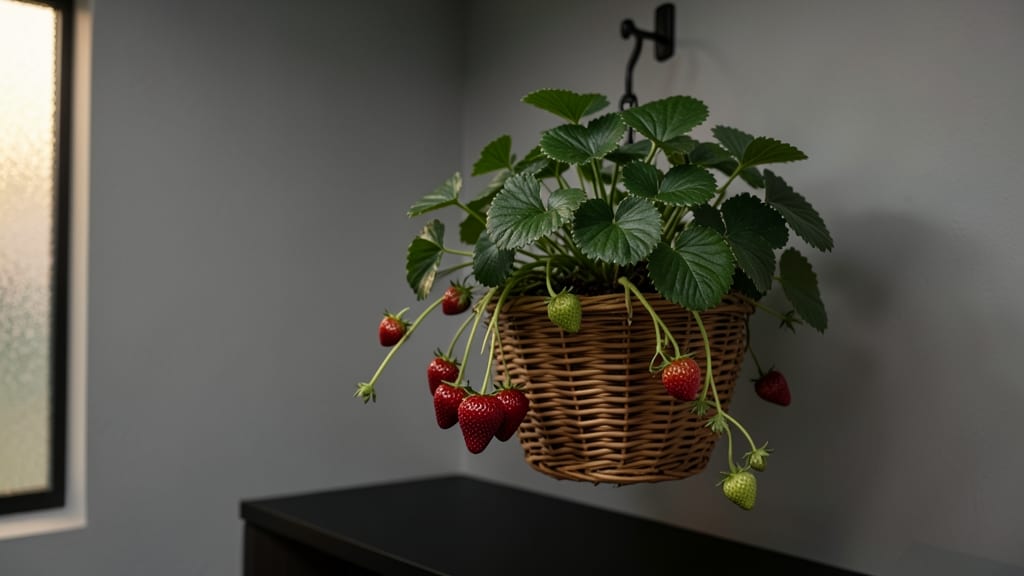
Tired of waiting for summer to enjoy fresh strawberries? The Guinevere strawberry delivers year-round harvests—even in bathrooms or offices—with just moderate indoor light. This ever-bearing variety thrives in hanging baskets, transforming any space into a mini fruit garden.
Unlike traditional strawberries, Guinevere produces sweet, seedless berries continuously when kept in bright indirect light (like a north-facing window or grow lights). Use a well-draining potting mix and keep soil moist but not soggy. Prune runners to maintain compact growth, and fertilize lightly every 4-6 weeks for peak production. 🌱
Perfect for urban gardeners, beginners, or anyone with limited space, Guinevere proves you don’t need a greenhouse for homegrown fruit. Just add water and a little light! 💚
Dwarf Fig Trees Like Chicago Hardy
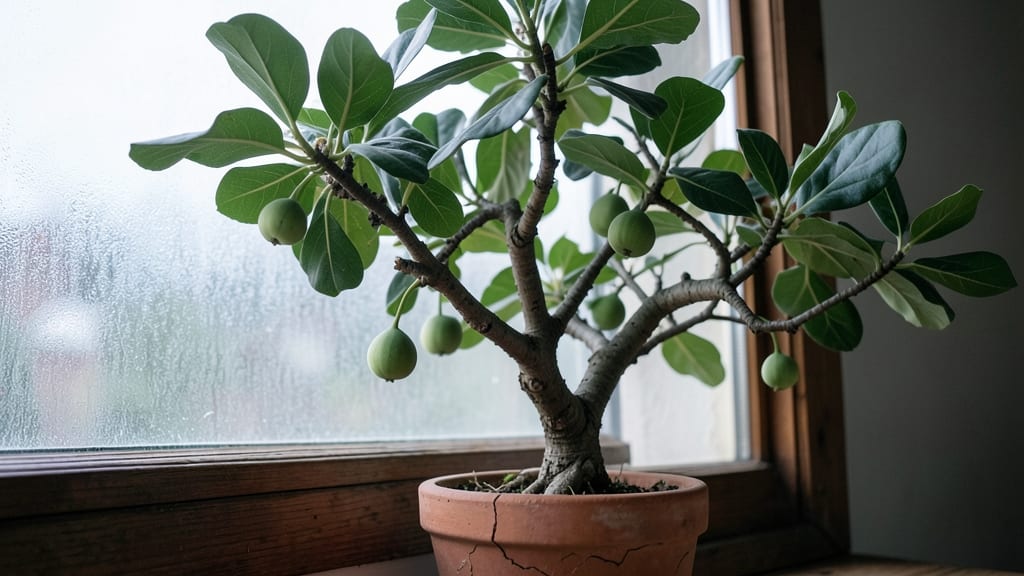
If you live in a northern climate or struggle with dim indoor lighting, the Chicago Hardy fig tree might be your new favorite fruit producer. Unlike traditional figs that demand full sun, this cold-hardy variety thrives in partial shade and even tolerates indoor conditions as low as 40°F (4°C)—making it ideal for basements, sunrooms, or north-facing windows.
This dwarf variety matures quickly, producing sweet, purple-skinned figs within 1-2 years of planting, and its large leaves add lush texture to any space. For best results, use a well-draining potting mix and water when the top inch of soil feels dry—overwatering can lead to root rot. A light, balanced fertilizer in spring and summer encourages robust growth and fruit production.
Perfect for urban gardeners or those in cooler regions, this fig tree delivers edible rewards without the fuss of high-maintenance tropical plants. 🌱
Miniature Blueberry Bushes
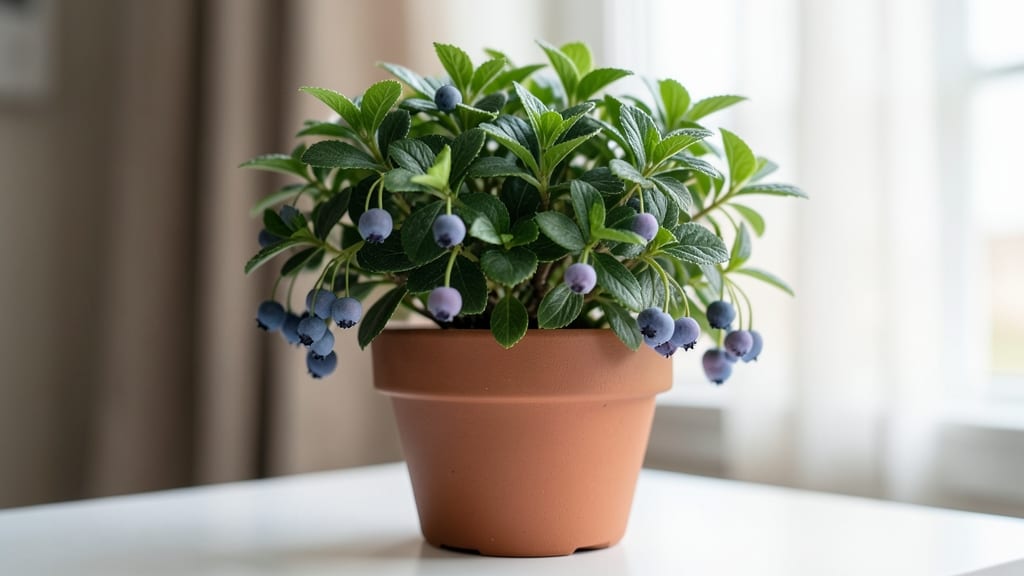
If you crave fresh berries but lack a bright, sunny spot, miniature blueberry bushes are your solution. These compact varieties thrive in containers with just 6 hours of light, making them perfect for apartments, patios, or even bright offices where other fruit plants would struggle.
Choose dwarf cultivars like 'Top Hat' or 'Peach Sorbet'—both produce tart-sweet berries in just 1-2 years. The key to success is using a soil mix with peat moss or pine bark to maintain the acidic pH (4.5-5.5) these plants need. Water consistently and fertilize with an acid-loving plant formula in spring and summer.
Urban gardeners and small-space growers will love how these bushes stay under 2 feet tall while delivering a bountiful harvest. With minimal care, you'll enjoy homegrown blueberries year after year! 🌻
Dwarf Apple Trees Like Columnar Red Delicious
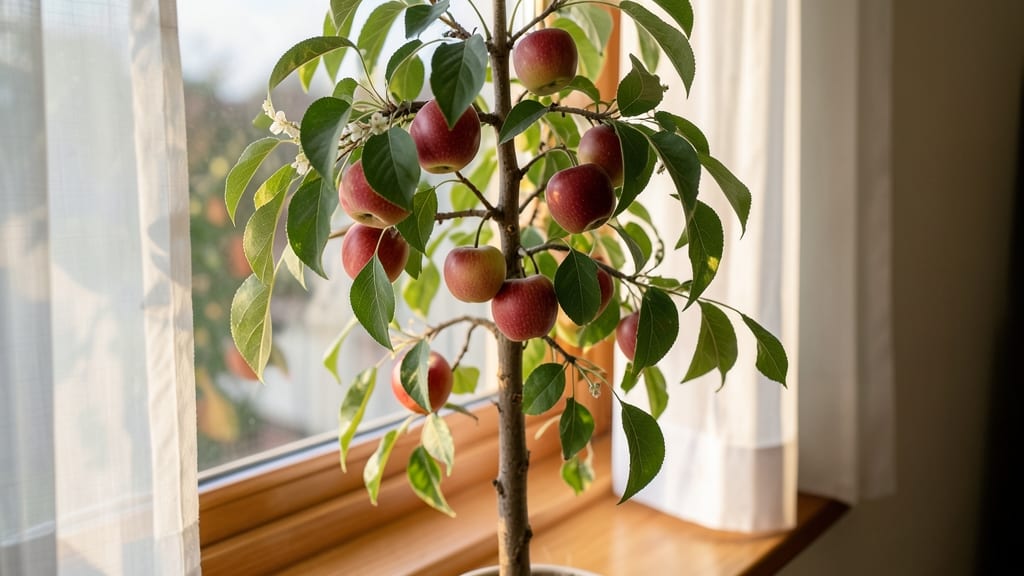
If you’ve ever dreamed of picking fresh apples but lack space or sunlight, columnar apple trees like Red Delicious are your solution. These narrow-growing varieties produce real fruit in as little as 4-6 hours of partial shade, making them ideal for balconies, patios, or even sunny windowsills.
Unlike traditional apple trees, columnar varieties grow just 6-12 feet tall but stay under 2 feet wide, saving space while delivering miniature apples. Plant in well-draining soil with a slow-release fertilizer in spring, and prune lightly after harvest to maintain shape. They’re self-pollinating, so you’ll get fruit even in small spaces!
Perfect for urban gardeners or those with limited light, these trees offer the joy of homegrown fruit without the commitment of a full orchard. 🌱
Passion Fruit Vines For Indoor Growing
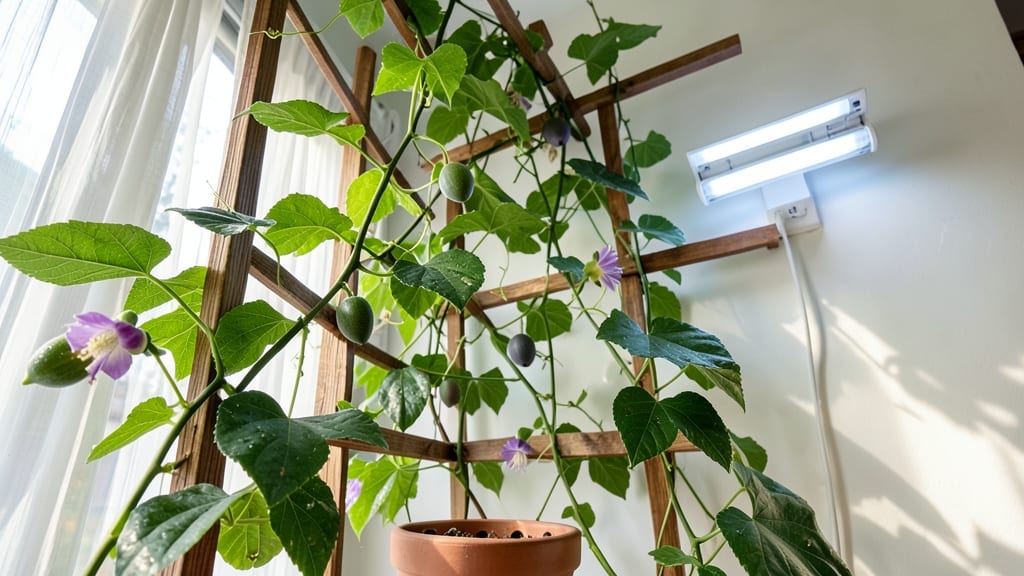
Want to grow tropical fruit indoors without scorching sunlight? Passion fruit vines are your answer—these fast-growing climbers thrive in bright indirect light and produce exotic, edible fruit with minimal fuss.
Plant your vine near a sunroom window or under grow lights, training it up a wooden trellis or wall-mounted frame. Varieties like Purple Passionfruit (Passiflora edulis) or Golden Passionfruit (Passiflora ligularis) need well-draining soil and regular watering (let the top inch dry between waterings). With patience, you’ll see vibrant purple flowers followed by sweet, tangy fruit in just 6-12 months.
Perfect for urban gardeners or anyone with limited outdoor space, these vines add a tropical touch while rewarding you with homegrown fruit. Just be prepared for their vigorous growth—prune regularly to keep them manageable! 🌻
Dwarf Peach Trees Like Bonanza
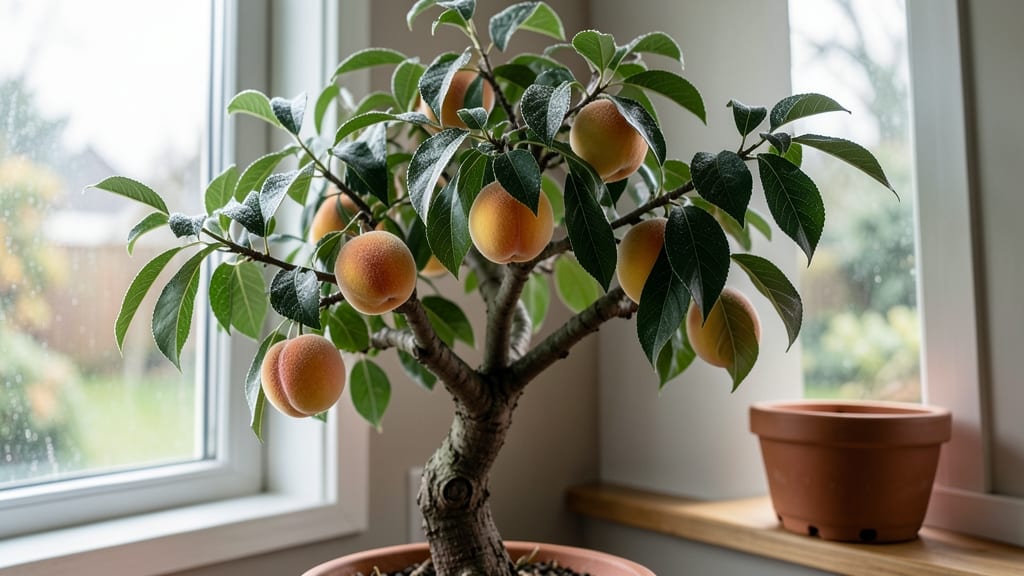
Cold climates don’t have to mean giving up on homegrown peaches—dwarf peach trees like Bonanza thrive indoors with the right care, including a crucial winter dormancy period. This cold-resistant variety produces sweet, fuzzy peaches while adapting to cooler indoor temperatures, making it ideal for growers in USDA zones 5-7 or chilly apartments.
Place your 5-6 foot tall Bonanza tree near a south-facing window for 6-8 hours of light daily, then mimic winter by moving it to a cooler spot (50-60°F) and reducing water for 8-10 weeks. Use well-draining soil with a 20-20-20 fertilizer during spring/summer, and prune after harvest to maintain shape. The tree blooms in spring and bears fruit in late summer, rewarding patience with juicy rewards.
Perfect for urban gardeners or those in northern regions, Bonanza peach trees prove fruit growing isn’t limited to warm climates—just give them seasonal care adjustments and a sunny spot. 🌟
Indoor Grapevines Like Thompson Seedless
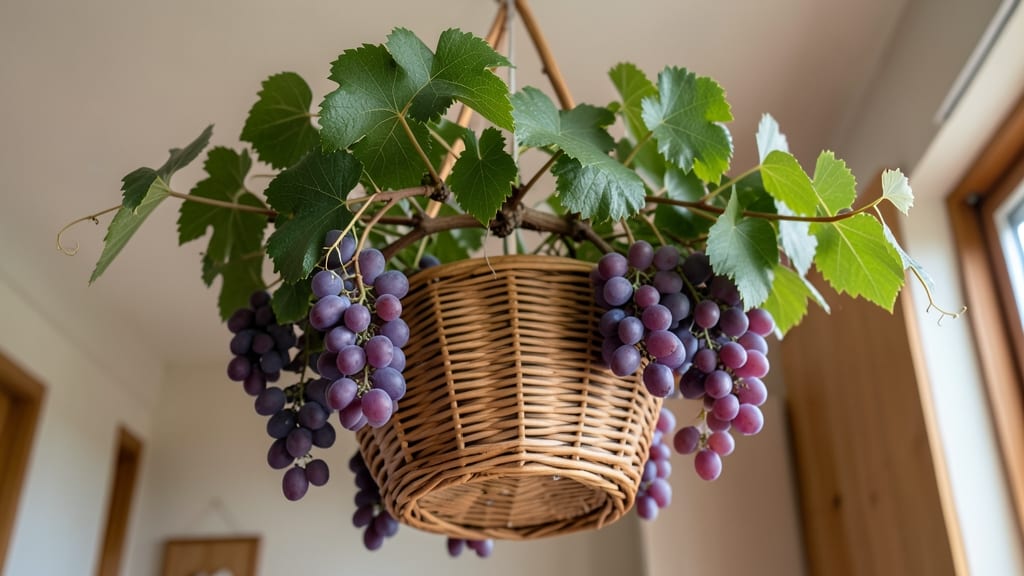
Want to grow grapes indoors without sacrificing your living space? Thompson Seedless grapevines are your answer—these compact varieties thrive in hanging baskets with just 4-6 hours of afternoon shade, making them perfect for kitchens, patios, or sunrooms.
These vines produce sweet, seedless grapes in just one growing season, and their trailing habit adds a charming, vineyard-like touch to any space. Use a well-draining potting mix and water when the top inch of soil feels dry. Prune in early spring to encourage bushier growth and better fruit production.
Urban gardeners and apartment dwellers will love how these grapevines transform a simple corner into a mini vineyard—no greenhouse or backyard required! 🌱
Dwarf Cherry Trees Like Stella
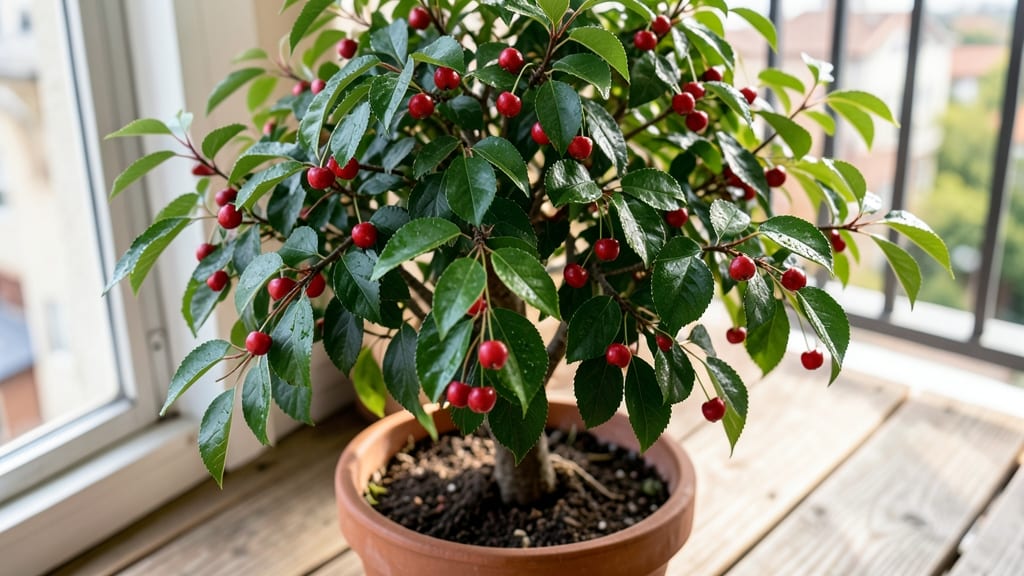
Imagine harvesting your own sweet cherries from a tree that fits on your balcony or windowsill—Stella dwarf cherry trees make this dream possible with just 6 hours of light daily. These compact varieties are specifically bred for containers, producing delicious fruit while adapting to urban spaces where full sun is scarce.
Stella cherries thrive in 5-gallon containers or larger, needing well-draining soil mixed with compost for optimal growth. Prune lightly after harvest to encourage bushier growth, and provide a balanced fertilizer during spring and summer. The key to success is consistent moisture—keep soil evenly damp but not soggy—and protect from late frosts if growing near windows.
Perfect for apartment dwellers, office balconies, or small patios, these trees offer year-round interest with spring blossoms and summer fruit. Even beginners can enjoy fresh cherries with minimal effort. 🌟
Pineapple Sage Plant For Edible Leaves

Looking for an indoor plant that doubles as a fragrant kitchen companion? Pineapple sage offers edible, pineapple-scented leaves and vibrant red flowers—no fruit required! This versatile herb thrives in low-light conditions, making it perfect for offices, bathrooms, or north-facing windows.
Harvest the aromatic leaves anytime for teas, garnishes, or cocktails, and let the bright flowers attract pollinators (if grown outdoors). It’s drought-tolerant once established and prefers well-draining soil. Prune regularly to encourage bushier growth, and enjoy its sweet citrusy aroma year-round.
Urban gardeners and beginners will love this low-maintenance, high-reward plant—it’s the only one on this list that gives you culinary value without needing sunlight. 🌱