
Companion Plants
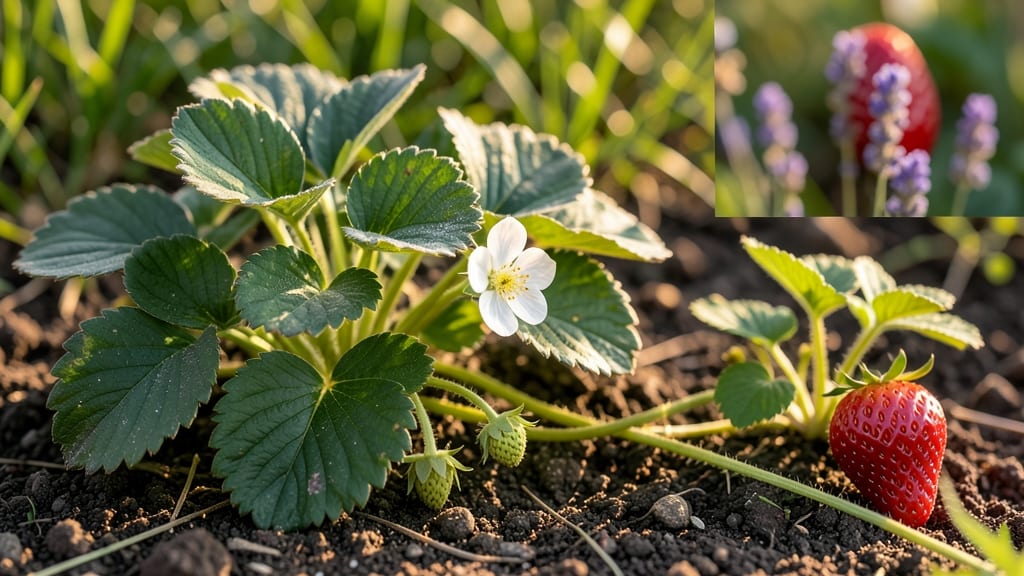
Strawberry plants produce fruit how long before strawberry plants produce fruit within 3 to 6 months when grown from transplants, but the timeline shifts dramatically depending on the variety and care you provide.
Picture this: you’ve just planted your 🍓 seedlings in March, dreaming of summer berries, only to wonder why the first harvest keeps slipping away. The truth?
Some varieties—like everbearing or day-neutral types—can reward you with fruit in as little as 90 days, while June-bearing strawberries might take until next year. The difference comes down to how you plant, where you live, and a few simple tricks to speed things up.
In USDA Zone 6a, where spring planting is ideal, the key to a faster harvest lies in choosing the right strawberry type and giving them the perfect start.
Everbearing varieties, for example, produce two harvests a year, while June-bearing types focus all their energy on one big crop—usually the following summer. But with the right soil, sunlight, and a little extra care, you can shave weeks (or even months) off that wait time.
Below, I’ll break down the fastest strawberry varieties, climate-specific planting windows, and 5 proven tips to get your plants fruiting sooner—so you can enjoy homegrown berries without the long delay.
Fastest strawberry varieties that produce fruit in 3-6 months
If you're dreaming of fresh strawberries from your garden, the good news is some varieties deliver fruit in as little as 3 months—if you choose the right type. The fastest strawberries fall into three categories: everbearing, day-neutral, and June-bearing.
Each has unique traits that influence how quickly they produce fruit, making them perfect for impatient gardeners or those with short growing seasons.
Everbearing strawberries are my top recommendation for speed, often yielding fruit 60-90 days after planting. These varieties produce two harvests per year—one in early summer and another in fall—thanks to their ability to fruit in both cool and warm weather.
My favorite examples include Albion and Seascape, which thrive in containers or garden beds alike.
Day-neutral varieties are another quick producer, offering fruit throughout the growing season as long as temperatures stay moderate. They typically bear fruit 90-120 days after planting. Varieties like Ozark Beauty and Fort Laramie are excellent choices for regions with mild winters, as they continue fruiting well into autumn.
June-bearing strawberries, while slower, can still produce fruit in 6-8 months under ideal conditions. These varieties focus all their energy on one massive harvest in late spring or early summer. Popular picks like Chandler and Jewel are worth the wait for their large, flavorful berries, especially in cooler climates.
To accelerate fruit production, focus on soil quality and light exposure. Strawberries thrive in well-draining soil with a pH between 5.5 and 6.8. Amend your garden bed with compost or aged manure before planting to give roots a nutrient boost.
I also recommend using a balanced fertilizer (like 10-10-10) at planting and again when flowers appear to encourage faster fruiting.
Light is another critical factor. Strawberries need at least 6 hours of direct sunlight daily to set fruit. If your garden is shady, consider growing them in containers near a sunny window or balcony.
In my experience, even partial shade can delay fruiting by 2-4 weeks, so prioritize full sun for the fastest results.
Watering strategies also play a role in speeding up harvests. Keep the soil consistently moist but never soggy, especially during flowering and fruiting stages. I water my strawberries deeply in the morning to reduce fungal risks and encourage strong root growth.
Mulching with straw or shredded leaves helps retain moisture and keeps berries clean, reducing rot and speeding up ripening.
Pruning can further encourage faster fruit production. Remove old leaves after the first harvest to redirect energy to new growth and fruit. For everbearing varieties, I also trim runner production in the first year to focus the plant’s energy on fruiting.
This simple step can shave off 1-2 weeks from your harvest timeline.
If you're planting in containers, choose compact varieties like Alpine or Tristar, which produce fruit in 3-4 months. Containers warm up faster in spring, giving you an earlier start.
Just ensure pots have drainage holes and use a high-quality potting mix to prevent root rot, which can stall fruiting entirely.
For gardeners in cooler climates, consider using black plastic mulch or row covers to warm the soil and extend the growing season. I’ve seen this technique cut the time to first fruit by 3-4 weeks by creating a microclimate that mimics warmer conditions.
Just remove covers during flowering to allow pollinators access.
Climate-specific timelines: when to plant for fastest harvests
Your local climate plays a huge role in how quickly strawberries produce fruit. In cold climates (USDA zones 3-6), strawberries need chilling hours (14-16 weeks below 45°F) to trigger flowering—delaying harvests until late spring or summer.
Meanwhile, warm climates (zones 7-10) can yield berries in as little as 3 months with the right varieties and timing. Understanding your microclimate (e.g., urban heat islands or sheltered valleys) can shave weeks off your wait time.
For June-bearing strawberries in cooler regions, planting in early spring (March-April) ensures a single summer harvest (June-July). Everbearing types, however, thrive with two plantings: one in early spring for a summer crop and another in late summer for a fall harvest.
In warm climates, avoid winter planting—strawberries won’t survive frost and may take 6+ months to fruit if planted too late.
| Climate Zone | Best Planting Window | First Harvest Window | Time to Fruit |
|---|---|---|---|
| Cold (Zones 3-6) | March-April (spring) | Late June-July | 4-6 months |
| Temperate (Zones 7-8) | February-March or August-Sept | May-June or Oct-Nov | 3-5 months |
| Warm (Zones 9-10) | October-November or February | January-February or May-June | 2.5-4 months |
In USDA zones 3-6, where winters are harsh, plant June-bearing varieties like 'Jewel' or 'Chandler' in early spring (as soon as soil is workable) to maximize daylight for fruit development. Everbearing types (e.g., 'Seascape' or 'Tristar') handle cooler temps better and can be planted 6-8 weeks before last frost for a spring harvest.
For fall crops, set out plants in late summer—they’ll fruit before winter sets in.
Gardeners in zones 7-10 should prioritize day-neutral varieties like 'Albion' or 'Seascape', which produce fruit continuously when planted in fall or early spring.
In hot climates, provide afternoon shade during peak summer to prevent fruit scorching and extend the harvest season. Mulch heavily with straw to keep roots cool and retain moisture—critical for 3-month harvests in warm regions.
Don’t overlook microclimates—a south-facing slope or urban heat island can push your zone up by 1-2 levels. Test your soil’s temperature before planting: strawberries thrive when soil reaches 45-55°F.
Use a soil thermometer to time plantings perfectly. In cooler microclimates, opt for early-maturing varieties like 'Honeoye' to harvest before summer heat arrives.
Pro tip: Container growers in cold zones can extend the season by planting in late winter (under row covers) and moving pots to sheltered spots as temps rise.
This cuts harvest time by 2-3 weeks compared to ground planting. Always harden off young plants for 7-10 days before transplanting to avoid shock delays in fruiting.