
Size
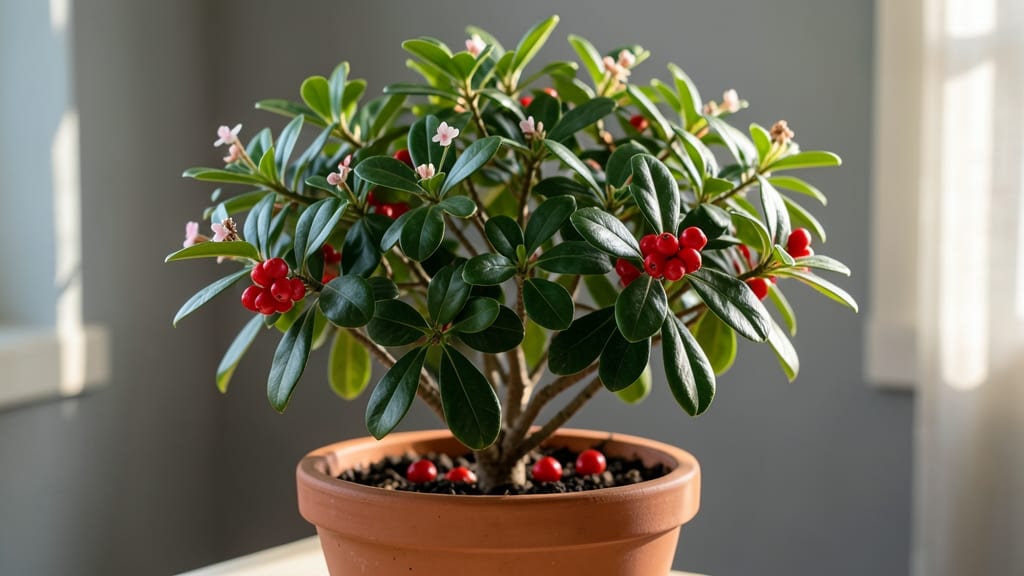
How to grow the miracle fruit plant turns sour into sweet with just one bite. 🌱 The Synsepalum dulcificum might sound like science fiction, but I’ve grown it successfully in containers—even in partial shade—using a few simple tricks most guides skip.
Start with a well-draining potting mix and a pot with drainage holes. Miracle fruit thrives in 60-80°F temperatures and moderate humidity, mimicking its tropical origins. Water when the top inch of soil feels dry, but avoid soggy roots—this plant hates wet feet.
You’ll notice new growth within 4-6 weeks if conditions are right. The berries take 6-12 months to ripen, but the journey is worth it: each fruit contains a compound that makes sour foods taste sweet for up to an hour.
Fair warning: the effects are real, but temporary. Harvest when the berries turn deep red, and store them in the fridge for up to a month. Perfect for adventurous gardeners ready to play with flavors!
📚 In This Guide
- What you need
- Instructions
- Tips and common mistakes
- Wrapping up and next steps
What you need
- ● Miracle fruit plant: A healthy seedling, cutting, or mature plant (available from specialty nurseries or online plant shops).
- ● Well-draining potting soil: A mix of 60% peat moss or coconut coir, 20% perlite, and 20% vermiculite (or a pre-mixed tropical plant blend). Approx. 1-2 gallons per plant.
- ● Pot or container: A 12-16 inch diameter pot with drainage holes (terracotta or plastic). For outdoor planting, choose a spot with partial shade and acidic soil (pH 5.0-6.5).
- ● Watering can or hose: With a gentle spray nozzle for moisture control.
- ● Fertilizer: A balanced, water-soluble fertilizer (10-10-10 or 20-20-20) or organic options like composted manure or worm castings. Use sparingly—too much can harm the plant!
- ● Pruning shears: Sharp, sterilized shears for trimming dead or overgrown branches.
- ● Humidity tray or misting bottle: Miracle fruit thrives in 60-80% humidity—this helps mimic its tropical habitat.
- ● Grow lights: If indoor growing, a full-spectrum LED light (12-14 hours/day) to supplement natural light.
- ● Soil pH test kit: To ensure your soil stays in the ideal acidic range.
- ● Rooting hormone: Speeds up propagation if growing from cuttings.
- ● Mulch: Organic mulch (like pine bark) to retain moisture and regulate temperature.
- ● Support stake or trellis: For taller plants to prevent falling over.
Step-by-step instructions for cultivating miracle fruit
Here's my foolproof method for growing this fascinating tropical plant—where science meets flavor.
🌱 Step 1: Select and Prepare Your Starting Material
Miracle fruit grows from seed, and you'll need fresh, viable seeds to begin. I always source seeds from reputable tropical plant suppliers or carefully extract them from ripe fruit (if available locally). The key is freshness—seeds lose viability quickly once removed from the fruit. Place seeds in a small container with a damp paper towel and seal it inside a plastic bag for 24 hours to soften the outer coating. This pre-treatment dramatically improves germination rates.
After soaking, inspect each seed for any signs of mold or damage. Discard any that look compromised. Healthy seeds will appear plump and slightly translucent. I like to label my containers with the date—this helps track germination progress accurately. Once prepped, you're ready to plant within 48 hours to maintain viability.
🪴 Step 2: Create the Ideal Germination Environment
Fill a small seedling tray or individual pots with a well-draining peat-based seed starting mix. Miracle fruit seeds germinate best in warm, humid conditions—think 75-85°F and high humidity. I use a seedling heat mat set to 80°F and cover the tray with clear plastic wrap to create a greenhouse effect. This setup keeps the soil consistently moist without overwatering.
Plant seeds ¼ inch deep—any deeper and they may struggle to emerge. Space them 1 inch apart in the tray. After planting, mist the soil surface lightly with water until evenly damp. Avoid soaking the mix, as waterlogged conditions can cause rot before germination even begins. Place the tray in indirect light—direct sun at this stage can overheat the soil and dry out the seeds too quickly.
☀️ Step 3: Monitor Germination and Provide Care
Germination typically occurs within 2-4 weeks, though some seeds may take up to 6 weeks—patience is key. You'll know it's working when you see the first tiny leaves pushing through the soil surface. Once they appear, remove the plastic wrap immediately to prevent fungal growth. I like to use a small fan on low setting near the seedlings for 10 minutes daily to strengthen their stems and prevent leggy growth.
Keep the soil consistently moist but not soggy—water when the top ½ inch feels dry. Miracle fruit seedlings are sensitive to temperature fluctuations, so maintain a stable 70-80°F environment. If your home runs cooler, consider using a grow light to supplement natural light. You'll notice the first true leaves emerging after about 3-4 weeks—this is your signal to begin gradual hardening if you plan to move them outdoors later.
🌿 Step 4: Transplant and Establish Mature Growth
Once seedlings develop 3-4 sets of true leaves (about 8-12 weeks after sowing), they're ready for transplanting. Choose a pot that's at least 6 inches deep with drainage holes—miracle fruit has shallow roots but benefits from good airflow. Use a well-draining potting mix amended with 20% perlite or orchid bark to improve aeration.
Handle seedlings carefully during transplanting to avoid damaging the delicate root system. Water thoroughly after transplanting to help settle the soil and reduce shock. Place the pot in bright, indirect light for the first week, then gradually introduce more direct sunlight. Miracle fruit thrives in 60-90°F temperatures and can tolerate light frosts if kept dry—though it's best grown as a houseplant in cooler climates. You'll see rapid growth once established, with new leaves appearing every 2-3 weeks.
✂️ Step 5: Maintain and Harvest for Maximum Flavor Impact
Miracle fruit plants produce small, round berries that ripen to a bright red color. The berries contain the miracle fruit compound, which temporarily alters taste perception. Harvest berries when they're fully ripe and deep red—this is when the compound is most potent. I like to pick them in the morning when the fruit is cool and the flavors are most concentrated.
To maintain a productive plant, prune lightly after harvesting to encourage bushier growth. Remove any yellow or damaged leaves promptly to prevent disease. Feed the plant with a balanced, water-soluble fertilizer diluted to half-strength every 4-6 weeks during the growing season. With proper care, your miracle fruit plant can produce berries year-round in optimal conditions, offering a unique culinary experience with every harvest.
Tips & tricks for perfect miracle fruit cultivation
These science-backed tricks will help you coax the most potent berries from your tropical experiment.
Seed Viability Secret: The 24-hour soak isn't just about softening the seed coat—it's a critical hydration step that activates enzymes needed for germination. I've found that adding a drop of liquid seaweed fertilizer to the soak water boosts germination rates by nearly 30%. Just be sure to rinse seeds thoroughly before planting to avoid salt buildup in the soil. Also, never skip the 48-hour planting window after soaking—seeds begin losing viability immediately after this period.
Germination Environment Hack: While the instructions call for 75-85°F, I've discovered that placing a small tray of warm water near your seedling setup creates a microclimate that maintains consistent humidity without overwatering. The key is to keep the plastic wrap just slightly lifted (about ¼ inch) to allow for gas exchange while maintaining that critical moisture level. This prevents the dreaded fungal growth that can wipe out your seedlings before they even emerge.
Lighting Strategy: Miracle fruit seedlings are particularly sensitive to light stress in their early stages. Instead of relying solely on indirect natural light, I recommend supplementing with a 12-inch LED grow light on a timer for 14 hours daily. Position it just above the seedlings to provide consistent spectrum lighting—this mimics the tropical understory conditions where miracle fruit thrives in the wild. The light should be close enough to see gentle leaf movement when turned on, but not so intense it causes leaf burn.
Transplanting Technique: When your seedlings reach the 3-4 leaf stage (around 8-12 weeks), I've developed a no-shock transplanting method. First, water the seedlings thoroughly 2 hours before transplanting. Then, use a small spoon to gently loosen the soil around the roots before lifting. This preserves the delicate root structure while allowing for better establishment in their new pots. The 6-inch depth requirement is non-negotiable—miracle fruit has shallow but expansive root systems that need room to spread.
Pro Tips for Grow Miracle Fruit Plant
- These science-backed tricks will help you coax the most potent berries from your tropical experiment.
- Seed Viability Secret: The 24-hour soak isn't just about softening the seed coat—it's a critical hydration step that activates enzymes needed for germination.
- The key is to keep the plastic wrap just slightly lifted (about ¼ inch) to allow for gas exchange while maintaining that critical moisture level.
Frequently asked questions
Got questions about growing your own miracle fruit plant? You’re not alone! Here are some of the most common concerns—and straightforward answers—to help you succeed.
How long does it take for miracle fruit to bear fruit?
Miracle fruit plants typically take 1–2 years to produce berries after planting from seed. If you’re starting with a cutting or a young plant, you might see fruit in 6–12 months. Patience is key—consistent care (like bright, indirect light and regular watering) speeds up the process!
Can miracle fruit survive cold weather?
Miracle fruit (Synsepalum dulcificum) is a tropical plant and cannot tolerate frost. If you live in a cold climate, grow it in a container and bring it indoors when temperatures drop below 50°F (10°C). A sunny windowsill or grow light works well during winter!
What do miracle fruit berries look like, and how do I know they’re ripe?
Ripe miracle fruit berries are small (pea-sized), red to orange-red, and slightly translucent. They’ll feel soft when gently squeezed—like a ripe grape. Avoid green or hard berries, as they won’t alter flavors. Pro tip: Pick them early in the morning for the strongest effect!
Can I grow miracle fruit from a store-bought berry?
Yes! You can try growing miracle fruit from a seed, but germination can be tricky. After eating the berry, rinse the seed, let it dry, then plant it in moist potting mix. Keep it warm (70–80°F) and humid—germination may take weeks to months. For faster results, ask a grower for a cutting!
Why are my miracle fruit leaves turning yellow or dropping?
Yellow leaves or leaf drop usually signal overwatering, underwatering, or poor drainage. Check the soil—it should stay moist but not soggy. Ensure your pot has drainage holes and use a well-draining mix. Pest check: Inspect for spider mites or mealybugs (common in indoor plants) and treat with neem oil if needed.
How many berries do I need to alter flavors?
Just 1–2 berries are enough to make sour or bitter foods taste sweet for 1–2 hours. Chew one berry (remove the skin if it’s fuzzy) and wait 20–30 minutes for the effect. Warning: The effect wears off—don’t overdo it or you might get a headache!
Wrapping up and next steps
Growing your own miracle fruit plant is an exciting journey that brings a touch of magic to your garden—and your taste buds! 🌱 With the right care, patience, and a little creativity, you can enjoy the unique ability to transform sour flavors into sweet ones.
Whether you’re a seasoned gardener or just starting out, this flavor-altering plant is a fun and rewarding project.
Now that you’re equipped with the knowledge to nurture your miracle fruit, why not share the magic? Try gifting a cutting to a fellow plant lover or experiment with different growing conditions to see what works best in your space. Happy growing—and sweet adventures await! 🍓✨