
Container Gardens
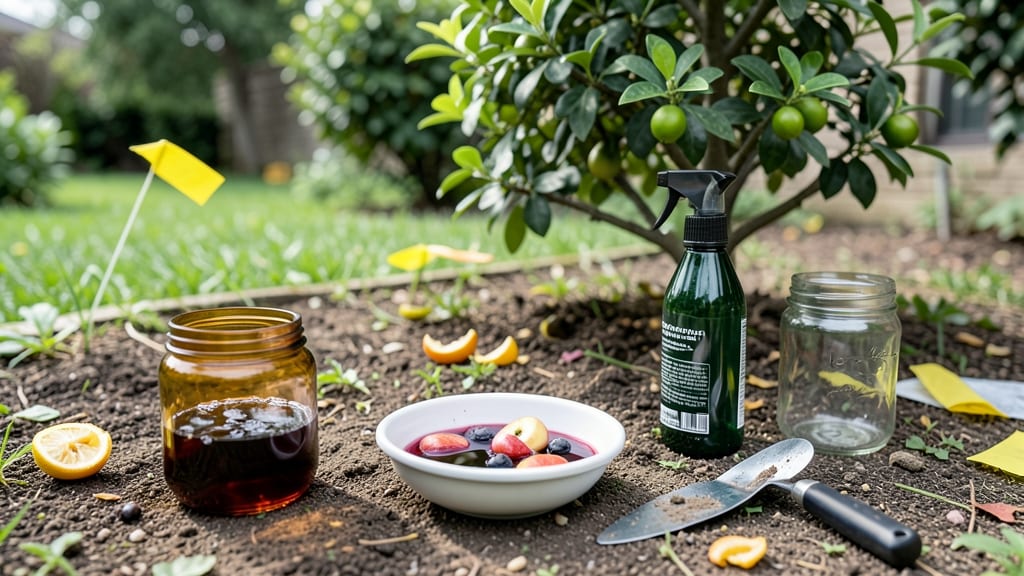
Fruit flies on your indoor plants are more than just a nuisance—they’re a sign your little jungle needs a reset. 🌿 I’ve battled these tiny pests for years, and the apple cider vinegar trap isn’t just a quick fix—it’s a game-changer that works in hours, not days.
The secret lies in their weakness: they’re drawn to the scent of vinegar but can’t escape once trapped.
These flies thrive in damp soil and rotting organic matter, so the first step is cutting off their food source. Wipe down leaves, repot soggy plants, and remove any fallen fruit or debris.
Once you’ve cleaned up, the vinegar trap becomes your secret weapon—a simple mix of apple cider vinegar and a drop of dish soap in a small container, covered with plastic wrap and poked with holes. Place it near your plants, and watch the flies disappear within 24 hours.
What you’ll end up with is a pest-free indoor garden where your plants can finally breathe. The trap is reusable, non-toxic, and works without harsh chemicals, so you can keep using it until those flies are a distant memory.
Plus, it’s a natural solution that won’t harm your plants or your family.
This method works for any indoor setup—whether you’re growing herbs on a windowsill or keeping tropical plants in your living room. The key is consistency: keep trapping, keep cleaning, and soon, your green space will be fly-free and thriving again.
The Hidden Triggers Behind Fruit Flies
Fruit flies (or Drosophila melanogaster) don’t just appear out of nowhere—they’re drawn to your indoor plants by specific conditions. Understanding these triggers is the first step to stopping their invasion. Let’s break down the science behind why these pesky insects keep showing up in your green space.
Fruit flies are attracted to fermenting sugars and organic decay, which release volatile organic compounds (VOCs) like ethanol and acetic acid. These scents act like a dinner bell, signaling that food is ripe—or past ripe—for breeding.
- Why it happens: Overripe bananas, citrus peels, or even forgotten fruit scraps in the trash emit these odors.
Even a single slice of apple left on the counter can become a magnet. - Actionable insight: Fruit flies can detect these smells from up to 2 miles away (yes, really!). If you’ve got compost bins, fruit bowls, or trash cans nearby, they’re likely the culprit.
Indoor plants with moist, nutrient-rich soil create the perfect breeding ground. Fruit flies lay eggs in damp organic material, where larvae can thrive in just 24–48 hours.
- Why it happens: Overwatering, dead leaves, or mulch that hasn’t decomposed fully provide ideal conditions. Even a single rotting leaf trapped in a pot can trigger an infestation. - Actionable insight: Check the top inch of soil—if it’s soggy, fruit flies may already be nesting there.
Houseplants like pothos, ferns, and peace lilies are especially prone due to their dense foliage.
Fruit flies are opportunistic hitchhikers. They enter homes through:
- Open windows (even slightly ajar)
- Screen tears in vents or doors
- Grocery bags or produce brought indoors
- Why it happens: A single pregnant female can lay 500 eggs in her lifetime, and if she slips in unnoticed, her offspring can multiply in days. - Actionable insight: Even a 5-minute window opening can invite them in.
If you’re battling flies, consider fine mesh screens or keeping windows closed during peak fly activity (dawn/dusk).
Some plants naturally produce sugary sap or nectar, which can ferment over time—creating a fruit fly buffet.
- Why it happens: Plants like monstera, rubber plants, or even spider plants can develop sticky residues from overwatering or high humidity.
When this sap ferments, it releases yeast and alcohol, which fruit flies adore. - Actionable insight: Wipe down leaves with a damp cloth to remove sap buildup. If your plant is prone to stickiness, reduce watering slightly.
Even if your plants are pristine, nearby trash or compost can be the real problem.
- Why it happens: Organic waste (coffee grounds, tea bags, food scraps) ferments quickly, emitting the same attractive odors as rotting fruit.
- Actionable insight: Store trash in sealed bins and take compost outside. If you compost indoors, freeze scraps until disposal to slow fermentation.
Fruit flies thrive in warm (70–80°F) and humid environments—common in bathrooms with plants or kitchens with poor airflow.
- Why it happens: High humidity keeps organic matter moist longer, extending the window for egg-laying and larval development.
- Actionable insight: Use a dehumidifier or fan near infested areas to make conditions less hospitable.
Sometimes, other insects (like fungus gnats or even bees) are mistaken for fruit flies—but their presence can indirectly attract the real pests.
- Why it happens: Dead insects or their waste can ferment, creating a secondary food source. Even honeydew from aphids on plants can draw fruit flies.
- Actionable insight: Treat for secondary pests first (e.g., aphids) to break the cycle.
Fruit flies don’t choose your plants randomly—they’re following a scent trail to food, moisture, and shelter. By identifying which of these triggers apply to your space, you can cut off their access before they multiply.
The good news? Once you know where they’re coming from, elimination becomes much easier. 🚀
Quick Fixes for Fruit Fly Infestations
Fruit flies on your indoor plants aren’t just annoying—they multiply fast and can spread to your kitchen too. The good news? You can tackle them with simple, effective methods tailored to the root cause.
Below, we’ll break down the most common reasons fruit flies invade your plants and how to eliminate them—plus tips to keep them away for good.
Fruit flies are drawn to fermenting organic matter, and overripe fruit or produce scraps are their favorite buffet. If you’ve spotted them near rotting bananas, citrus peels, or soft produce, act quickly with these traps:
🔥 Apple Cider Vinegar Trap (Works in Hours!) Why it works: Fruit flies are attracted to the smell of vinegar, which mimics fermenting fruit. They’ll dive in—but they won’t fly out. How to do it: 1.
Fill a small bowl or jar with apple cider vinegar (or white vinegar in a pinch). 2. Add a drop of dish soap to break the surface tension (so flies drown). 3. Cover the bowl with plastic wrap, poke small holes in it, and secure with a rubber band.
- Place near your plants or in the kitchen. Check and refresh every 24 hours—empty and refill as needed.
✨ Pro Tip: For extra potency, add a few slices of overripe fruit (like banana or apple) to the vinegar for a stronger lure.
If your plants’ soil is damp, mulchy, or hiding decomposing leaves, fruit flies will lay eggs there. Here’s how to sanitize and deter them:
👨🍳 Refresh the Soil & Prune Wisely 1. Remove dead leaves, stems, or fallen fruit from pots and the area around plants. Compost these away from your home (fruit flies will follow).
- Repot if needed: If soil is soggy or moldy, transfer your plant to fresh, dry potting mix (well-draining is key).
- Disinfect pots: Wipe containers with a 1:10 bleach-water solution (rinse well) or soak in hydrogen peroxide (3%) for 10 minutes.
- Reduce watering: Overwatering creates the perfect breeding ground. Let the top inch of soil dry out between waterings.
💡 Prevention Hack: Sprinkle a thin layer of dry sand or cinnamon on top of soil to deter eggs and repel flies naturally.
Open beer, wine, or even fermenting coffee grounds can attract swarms. If your flies seem drawn to liquids, contain the source:
🍺 Secure Your Drinks & Food
- Store alcohol in sealed containers (even opened bottles should be refrigerated).
- Clean spills immediately—sugary residues (like juice or soda) are fly magnets.
- Use a funnel with a fine mesh when pouring wine or beer to block flies.
- Check coffee/tea grounds: If you compost them indoors, move the bin outside or use a lidded container.
🎯 Long-Term Fix: Keep a small fan near fruit bowls or drinks—flies avoid strong airflow.
Fruit flies squeeze through tiny openings. If you’ve tried traps but they keep coming back, inspect your home’s weak spots:
🔪 Caulk & Screen Off Problem Areas 1. Check windows and doors: Install fine mesh screens or seal gaps with caulk. 2. Inspect drains: Pour boiling water + vinegar down sinks and showers to kill eggs/larvae.
Use a drain cover afterward. 3. Store produce properly: Use mesh produce bags or airtight containers for fruits/veggies. 4. Vacuum regularly: Flies hide in cracks, baseboards, and under appliances—use the crevice tool to suck them up.
🌡️ Extreme Heat Trick: Place a bowl of hot, soapy water near entry points—flies are less likely to linger in warm areas.
Once you’ve eliminated the infestation, these habits will keep fruit flies from returning:
- Inspect new plants before bringing them indoors (quarantine for 48 hours if possible).
- Wash fruits/veggies thoroughly before storing (even if you’re not eating them).
- Take out trash daily—don’t let organic waste sit in bins.
- Use essential oils like eucalyptus, peppermint, or lemongrass (diluted in water, spray lightly around plants).
- Freeze overripe fruit instead of leaving it out—flies can’t breed in cold temps!
Final Reminder: Consistency is key! Fruit flies reproduce in 24–48 hours, so act fast and combine traps + cleanup + prevention for the best results. With these methods, your plants—and your kitchen—will stay fly-free!
Frequently asked questions
Why do fruit flies keep coming back even after I use traps?
Fruit flies reproduce quickly—females lay 500 eggs in their lifetime! If you don’t address the source (like rotting fruit, damp soil, or trash), new flies will keep arriving. Always combine traps with cleaning: remove overripe produce, refresh soil, and seal trash bins. Consistency is key—check traps daily and reapply prevention methods.
Can I use vinegar traps near my plants without harming them?
Yes! Apple cider vinegar traps are completely safe for plants. The vinegar scent attracts flies, while the dish soap drowns them without affecting foliage. Just place traps near but not directly on plants—about 6-12 inches away—to avoid accidental contact with leaves. Refresh every 24 hours for best results.
How do I know if fruit flies are breeding in my plant soil?
Check for these signs: tiny white larvae (1/8-inch long) in damp soil, a sour smell, or flies hovering near the pot. Stick a chopstick into the soil—if you pull up larvae or eggs (tiny white specks), repot immediately using fresh, dry potting mix. Avoid overwatering to prevent future breeding.
Will essential oils really repel fruit flies?
Oils like eucalyptus, peppermint, or lemongrass disrupt fruit flies’ scent trails. Mix 10 drops of oil with 1 cup of water, spray lightly around plants (avoid direct leaf contact), and reapply every 3-4 days. For stronger protection, place a cotton ball with oil near traps.
What’s the fastest way to stop a new infestation?
Act in 3 steps:
- Set up apple cider vinegar traps immediately (they work in hours).
- Remove all rotting fruit, compost, and damp soil from plants.
- Seal entry points (windows, drains) and store food in airtight containers. Combine these, and you’ll see results within 24-48 hours. Speed matters—flies multiply fast!