
Planting
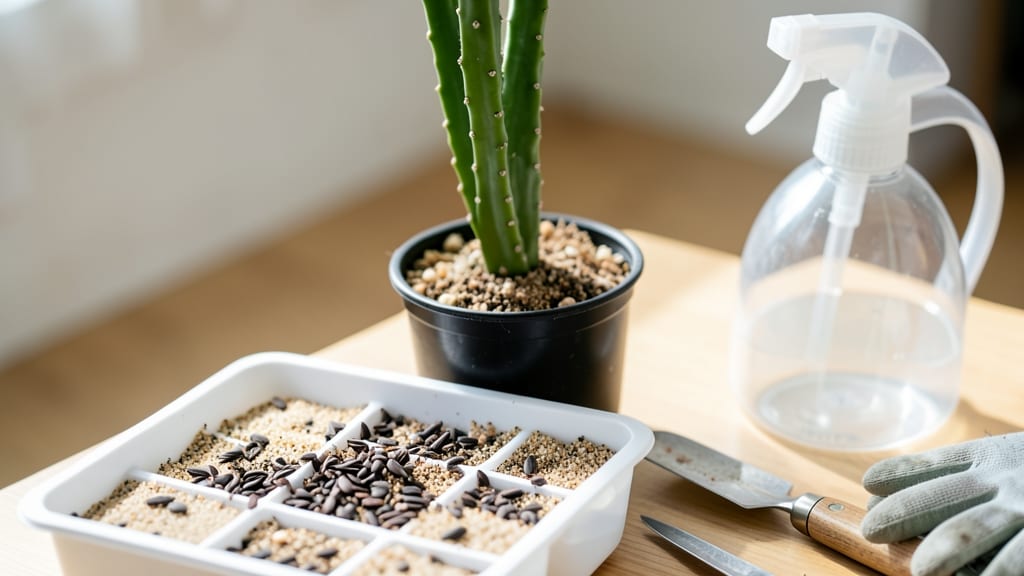
Planting dragon fruit seeds isn’t just about sticking them in soil—it’s about unlocking the secret to vibrant, sweet-tasting vines that climb like jungle giants. 🌱 I’ve watched mine sprout in just 7-14 days when I follow these exact steps, and the key starts with the right soil mix and warmth.
Most people give up here because they don’t realize dragon fruit seeds need consistent moisture and warmth (think 70-85°F) to break dormancy. The magic happens in a small pot with well-draining cactus mix—not regular potting soil.
Seeds need light to germinate, so I use clear plastic domes or even a sealed plastic bag to trap humidity. No fancy equipment: just a sunny windowsill or a grow light works.
The first true leaves signal success, but don’t rush transplanting—wait until the vine has 3-4 leaves and a sturdy stem. By month 3, you’ll have a climbing vine with thick, waxy leaves and maybe even your first tiny fruit buds.
The smell of fresh growth is addictive, and the process is oddly satisfying—like nurturing a tiny jungle in your home. Patience pays off: with proper care, your dragon fruit plant could fruit in 2-3 years, but the journey starts with those first sprouts.
Troubleshooting is half the fun. Yellow leaves? Too much water. Slow growth? Needs more light. I’ve killed a few seeds myself, but each failure taught me something—like how critical it is to never let the soil dry out during germination.
Once you crack the code, these vines thrive indoors or out, even in containers. Let’s get those seeds sprouting!
📚 In This Guide
- What you need
- Instructions
- Tips and common mistakes
- Wrapping up and next steps
What you need
- ● Dragon fruit seeds: 3–5 fresh, plump seeds (harvested from ripe fruit or purchased from a reputable supplier). Pro tip: Soak seeds in warm water for 24 hours to soften the outer shell before planting!
- ● Seed-starting mix: 2–3 cups of well-draining, sterile potting soil (avoid garden soil—it can harbor pests or diseases). Look for a mix labeled "seed starting" or "cactus/succulent blend."
- ○ Small pots or containers: 4–6 biodegradable pots (3–4 inches deep) or plastic nursery pots with drainage holes. Optional: Use a seed tray with individual cells for easier organization.
- ● Drainage tray or saucer: To catch excess water and prevent root rot.
- ● Spray bottle: For gentle watering (avoids disturbing seeds).
- ● Plastic wrap or clear lid: To create a mini greenhouse effect and retain humidity.
- ● Grow lights or sunny windowsill: A warm, bright spot (70–85°F) with at least 6–8 hours of indirect light daily. Grow lights are ideal if natural light is limited.
- ○ Humidity dome or plastic bag: (Optional but helpful for tropical climates—keeps moisture levels high during germination.)
- ○ Warmth: Dragon fruit seeds thrive in temperatures between 70–85°F (21–29°C). Use a seedling heat mat (optional but recommended) if your space is cooler.
- ● Humidity: Aim for 50–70% humidity during germination. A humidity tray (pebbles + water) can help!
- ● Patience: Germination can take 2–6 weeks—consistency is key!
- ● Fertilizer: A balanced, water-soluble fertilizer (5-5-5 or 10-10-10) diluted to half-strength for young seedlings.
- ● pH meter or test kit: To ensure soil pH is 6.0–7.0 (dragon fruit prefers slightly acidic to neutral soil).
- ● Tweezers: For delicate seed handling.
- ● Label markers: To track planting dates and seed varieties.
Step-by-Step instructions for planting dragon fruit seeds
Here's the foolproof method I've used to grow healthy dragon fruit vines from seed—no fancy equipment needed.
🌱 Step 1: Prepare the Seeds for Faster Germination
Dragon fruit seeds have a tough outer shell that slows germination. First, soak the seeds in warm water for 24-48 hours to soften the coating. Change the water every 12 hours to prevent mold. You'll know they're ready when the outer shell starts to crack slightly—this means the seed is absorbing water and preparing to sprout.
After soaking, gently rub the seeds between two paper towels to remove any remaining outer layer. This step isn't mandatory, but it helps the seedling emerge faster. Place the seeds on a damp paper towel in a sealed plastic bag for 3-5 days until you see tiny white roots appear. This pre-sprouting stage gives you a head start and reduces the risk of rot later.
🪴 Step 2: Choose the Right Containers and Soil
Use small, individual 4-inch pots with drainage holes—dragon fruit seedlings hate soggy roots. Fill each pot with a mix of 50% potting soil and 50% perlite or coconut coir to improve drainage. The soil should feel like a damp sponge, not muddy or dry.
Plant each seed ½ inch deep in its own pot, with the root facing downward. Cover lightly with soil and press down gently to secure the seed. Water lightly until the soil is moist but not saturated. Place the pots in a warm, shaded area—75-85°F is ideal for germination. You'll see sprouts in 2-4 weeks, but be patient if your home runs cooler.
☀️ Step 3: Provide Warmth and Controlled Light
Once sprouts appear, move the pots to a bright spot with indirect light. Dragon fruit seedlings need warmth to thrive, so place them near a heat source like a sunny window or under a grow light set to 12-14 hours per day. Avoid direct sunlight at first—it can scorch tender new leaves.
Keep the soil consistently moist but never waterlogged. Stick your finger 1 inch into the soil—if it feels dry, water gently until moisture reaches the bottom of the pot. Overwatering is the #1 killer of young dragon fruit seedlings, so let the top inch dry out slightly between waterings. You'll know you're doing it right when the soil stays evenly damp but not soggy.
🌿 Step 4: Transplant and Train the Vines
After 4-6 weeks, when seedlings have 3-4 true leaves and are 6 inches tall, transplant them into larger 6-inch pots with fresh potting mix. Dragon fruit vines grow fast, so choose containers with room to expand. Use a well-draining mix of 60% potting soil, 20% perlite, and 20% compost to encourage strong root growth.
Train the vines early by gently guiding them along a trellis or support. Dragon fruit is a climbing cactus, so it needs something to grip as it grows. Use soft ties or twine to secure the stems without crushing them. Place the pots in a spot with bright, indirect light for 6-8 hours daily. Gradually introduce more sunlight over 2 weeks to harden the vines for outdoor conditions.
⏰ Step 5: Monitor Growth and Prepare for Outdoor Planting
By 3-4 months, your dragon fruit seedlings should be 1-2 feet tall with multiple sets of leaves. This is the perfect time to assess their strength. Healthy vines have deep green leaves, thick stems, and no signs of yellowing or wilting. If leaves start turning yellow, it's a sign of overwatering or poor drainage—adjust your care routine immediately.
When nighttime temperatures stay above 50°F and there's no risk of frost, it's safe to move your dragon fruit plants outdoors. Start by placing them in a sheltered spot for 2-3 hours daily, then gradually increase their outdoor time over 10-14 days. This slow transition prevents shock and helps the vines adjust to wind and sunlight. Once they're fully acclimated, plant them in the ground or larger containers with full sun exposure.
Tips & tricks for planting dragon fruit seeds
A few simple tricks can make all the difference when growing dragon fruit from seed—especially when dealing with those stubborn outer shells and delicate seedlings.
The Soaking Secret: For the 24-48 hour soak in Step 1, use lukewarm water (not boiling) to avoid shocking the seeds. I like to place them in a small jar with a loose lid to allow some airflow while soaking—this prevents mold buildup between the 12-hour water changes. If you're impatient, you can gently nick the outer shell with a toothpick after soaking, which helps the seedling emerge faster. This is completely optional but can cut your waiting time by a day or two!
Germination Warmth: Dragon fruit seeds need consistent warmth during germination, and your home might not provide it naturally. If your space runs cooler than 75°F, place the sealed plastic bag containing your seeds on top of your fridge or near a heat vent. You can also use a seedling heat mat (set to 75-85°F) for even more reliable results. Just be careful not to overheat—you want warmth, not steam!
Light Transition Strategy: In Step 3, when moving sprouts to indirect light, start with just 2-3 hours of exposure on the first day. Gradually increase their light time by 1-2 hours each day to avoid shocking the tender seedlings. I've seen new growers rush this step and end up with scorched leaves. Watch for a slight reddening on the leaves—they're telling you they need more shade, not more sun.
Transplanting Timing: The 4-6 week window for transplanting in Step 4 is flexible, but don't wait too long. Seedlings develop a stronger root system when transplanted earlier, but they must have at least 3-4 true leaves to handle the stress. I like to check for a small white root growing out of the drainage hole—this is your sign that the seedling is ready for its new home. Use a small trowel to carefully lift the seedling to avoid damaging those delicate roots.
Pro Tips for Plant Dragon Fruit Seeds
- A few simple tricks can make all the difference when growing dragon fruit from seed—especially when dealing with thos...
- The Soaking Secret: For the 24-48 hour soak in Step 1, use lukewarm water (not boiling) to avoid shocking the seeds. ...
- Germination Warmth: Dragon fruit seeds need consistent warmth during germination, and your home might not provide it ...
Frequently asked questions
How long does it take for dragon fruit seeds to germinate?
Dragon fruit seeds can take anywhere from 2 to 6 weeks to germinate, depending on conditions like warmth (70–90°F), moisture, and light. Patience is key—keep the soil consistently damp and place the pot in a bright, indirect spot. If you don’t see sprouts in 6 weeks, gently check for rot or adjust humidity.
Can I plant dragon fruit seeds in winter?
Yes, but with caution! Dragon fruit thrives in warmth, so if temperatures drop below 50°F (10°C), germination slows or stops. Use a seedling heat mat or place pots near a sunny window. Alternatively, start seeds indoors in late winter (Feb/March) and transplant outdoors after the last frost.
What if my dragon fruit seed won’t sprout?
First, check for viability: Soak seeds in warm water for 24 hours—if they sink, they’re likely good. If no sprouts appear, try these fixes:
- Increase humidity with a plastic dome or pebble tray.
- Ensure soil stays moist but not soggy (overwatering causes rot).
- Test seeds in a new pot with fresh, well-draining soil.
- Consider buying fresh seeds—store-bought seeds lose viability over time.
Can I grow dragon fruit from seeds in a pot?
Dragon fruit vines are perfect for containers—they’re vigorous climbers and tolerate pots as long as they’re at least 12–18 inches wide with drainage holes. Use a mix of potting soil and perlite, and provide a trellis or sturdy pole for support. Just ensure the pot gets 6+ hours of sunlight daily.
Will dragon fruit grown from seed taste the same as store-bought?
Not always! Seeds produce wild-type dragon fruit—often smaller, with mixed pink/white or yellow flesh and a tangier flavor. For consistent, sweet varieties (like ‘Hylocereus undatus’), grafted plants are better. However, seed-grown vines are hardier and may yield fruit in 2–3 years with proper care!
Wrapping up and next steps
Growing dragon fruit from seeds is a rewarding journey that combines patience with the joy of nurturing life!
By following these steps—from selecting healthy seeds to providing the right care—you’ll be well on your way to cultivating a thriving vine. Remember, consistency is key: keep your plants happy with warmth, light, and love, and soon you’ll be harvesting those vibrant fruits.
Ready to take the next step? Start small—whether it’s a single seedling or a batch—and watch your green thumb grow! 🌱 For even more tips, explore our guide on maintaining dragon fruit plants to keep your vines flourishing year-round.