
Plants
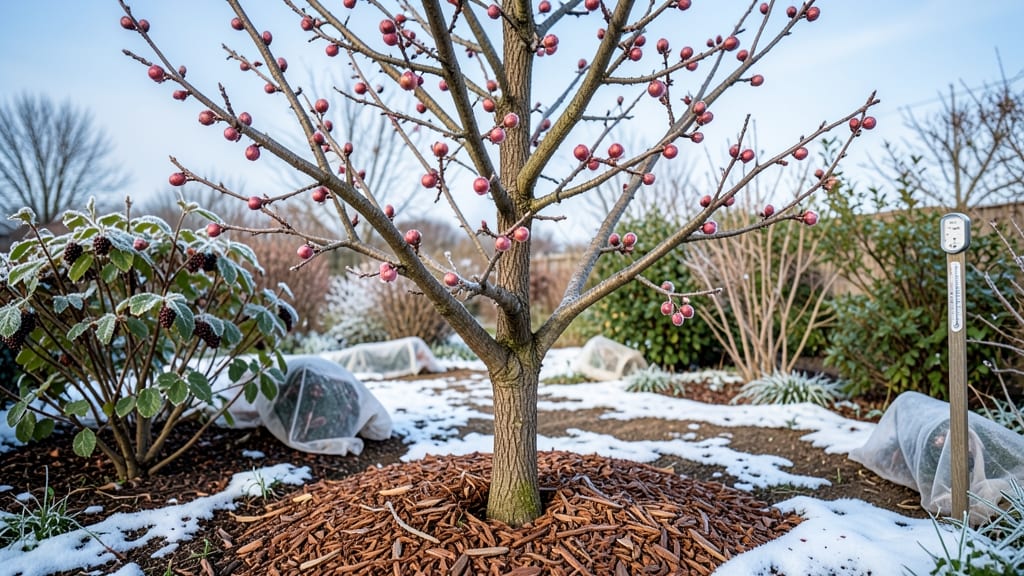
Cold weather fruits like hardy apples and winter berries thrive when you plant them right. 🌿 I’ve grown cranberries, gooseberries, and winter-hardy figs in my Zone 5 garden, and the secret isn’t just choosing the right varieties—it’s preparing the soil and protecting them from late frosts.
These plants reward patience with fruit that ripens when most gardens are dormant.
The key starts with well-draining soil mixed with compost—cold weather fruits hate soggy roots. Mulch heavily in fall to insulate roots, and prune in late winter to encourage strong growth before buds break.
Varieties like Everbearing strawberries and Arctic Kiwi produce fruit even in short growing seasons, while crabapples and juneberries handle frost like pros.
By mid-summer, you’ll harvest sweet, crisp fruit that stores well through winter. The berries stay firm in freezer storage, and apples keep for months in a cool basement. Even in harsh climates, these plants deliver reliable harvests with minimal fuss—no greenhouses or heat lamps needed.
Works for small yards, raised beds, or even containers on patios. Whether you’re in Zone 3 or 6, these cold-hardy fruits prove that winter doesn’t have to mean empty fruit bowls. Let’s get planting!
📚 In This Guide
- What you need
- Instructions
- Tips and common mistakes
- Wrapping up and next steps
What you need
- ● Apples (4-6 medium): Tart or sweet varieties like Granny Smith or Honeycrisp (organic preferred).
- ● Pears (3-4 ripe): Choose firm but yielding types like Bosc or Anjou.
- ● Persimmons (2-3 fully ripe): Look for deep orange, jelly-like flesh (e.g., Fuyu or Hachiya).
- ● Clementines or Mandarins (6-8): Easy-to-peel citrus for brightness (e.g., Cutie or Satsuma).
- ● Pomegranate seeds (1 cup): Freshly extracted for crunch and sweet-tart flavor.
- ● Cinnamon sticks (2): For warmth (or 1 tsp ground cinnamon as a substitute).
- ○ Honey or maple syrup (¼ cup): To balance tartness (optional for savory dishes).
- ● Vanilla extract (1 tsp): Enhances depth in baked goods.
- ● Chef’s knife + cutting board: For chopping and slicing.
- ● Peeler: To remove apple/pear skins if desired.
- ● Mixing bowls (2-3): Medium and large sizes for prep.
- ○ Blender or food processor: For smoothies or sauces (optional for chunky textures).
- ● Baking sheet + parchment paper: If roasting fruits (e.g., apples or pears).
- ● Measuring cups/spoons: For precise ingredient ratios.
- ○ Citrus juicer (optional): For fresh clementine or pomegranate juice.
- ● Nuts/seeds (¼ cup): Walnuts, almonds, or chia seeds for crunch (toast first!).
- ● Ginger (1 tbsp, grated): Adds zing to desserts or sauces.
- ● Yogurt or coconut milk (½ cup): For creamy smoothies or compotes.
- ● Dark chocolate (1 oz, chopped): For decadent fruit salads or bark.
- ● Herbs (rosemary/thyme): Sprinkle on roasted fruits for earthy notes.
Step-by-Step guide to growing cold-hardy fruits in chilly climates
Here's how to cultivate resilient fruit varieties that thrive when temperatures drop.
🌱 Step 1: Select Cold-Tolerant Fruit Varieties
Focus on fruit types known for winter hardiness like apples, cherries, blueberries, gooseberries, and arctic kiwi. These varieties survive temperatures below -20°F once established. Check your USDA hardiness zone to choose varieties suited for your region—some apple varieties, like 'Honeycrisp', thrive in zones 3-8, while blueberries prefer zones 4-7.
I always research dwarf or semi-dwarf rootstocks for container growing—they produce fruit faster and are easier to protect during extreme cold snaps. For example, 'Patriot' apple trees are bred for disease resistance and cold tolerance, making them ideal for northern climates. Buy certified disease-free plants from reputable nurseries to avoid introducing pathogens that weaken winter resilience.
🪴 Step 2: Prepare the Planting Site for Winter Survival
Choose a location with full sun exposure (6-8 hours daily) and well-draining soil—a critical factor for cold weather fruit success. Amend heavy clay soils with 2-3 inches of compost and a handful of sand or perlite to improve drainage. Poor drainage leads to root rot, which is fatal in winter when roots can't recover.
Plant in early fall or late winter to allow roots to establish before summer heat stress. Dig a hole twice as wide as the root ball but only as deep. Place the plant so the graft union (visible bump on the trunk) sits 2-3 inches above soil level3-4 inches of organic mulch like straw or shredded bark to insulate roots.
☀️ Step 3: Implement Winter Protection Strategies
Young trees need extra protection during their first few winters. Wrap the trunk with tree guard or burlap to prevent rodent damage and sun scald. For extreme cold (-15°F), mound 12-18 inches of soil or mulch around the base of the tree, leaving only the top bud exposed—this creates an insulating blanket that preserves root health.
I've found that wrapping the entire tree with bubble wrap or frost cloth during sudden cold snaps adds an extra 5-10°F of protection. Secure the wrap loosely to allow airflow and remove it during daytime thawing to prevent moisture buildup. For container-grown fruits, move pots to a sheltered location or wrap them in insulated frost blankets and bury them partially in straw or leaves for added insulation.
⏰ Step 4: Prune and Fertilize for Winter Resilience
Prune in late winter (just before buds swell) to remove dead or crossing branches—this improves airflow and reduces disease risk. Cut back 20-30% of the previous year's growth to encourage strong new growth that's better equipped to handle cold. Avoid heavy pruning in fall, as fresh cuts don't heal properly before winter and become entry points for pests.
Apply a balanced 10-10-10 fertilizer in early spring to replenish nutrients lost during winter. I also top-dress with compost or aged manure in fall to build organic matter that improves soil structure and water retention. For blueberries, which prefer acidic soil, mix in sulfur or peat moss to maintain a pH between 4.5-5.5—this prevents nutrient deficiencies that weaken cold tolerance.
🌿 Step 5: Monitor and Adjust Through the Season
Watch for signs of winter stress like brown or cracked bark, which indicates frost damage. If you see these symptoms, apply a water-based bark sealant in late fall to protect against cold and sun exposure. For container plants, check soil moisture monthly—even in winter, pots dry out faster than in-ground plantings.
Adjust your approach based on your climate. In regions with freeze-thaw cycles, protect blossoms from late frosts by covering trees with frost cloth during bloom time. In areas with prolonged cold, delay pruning until after the last frost to avoid exposing fresh cuts to harsh conditions. By late summer, gradually reduce watering to harden off plants for winter dormancy—this prepares them to withstand freezing temperatures.
Tips & tricks for growing cold-resistant fruit
These practical strategies will help you navigate the challenges of winter fruit cultivation with confidence.
Variety Selection: When choosing cold-hardy varieties like 'Honeycrisp' apples or 'Patriot' cherries, always verify their specific hardiness zone requirements. For example, while 'Honeycrisp' thrives in zones 3-8, some blueberry varieties only do well in zones 4-7. I recommend checking the USDA Plant Hardiness Zone Map and selecting varieties that match your local climate—this prevents costly mistakes when temperatures dip unexpectedly.
Soil Preparation Insight: The 2-3 inches of compost and sand/perlite mix in Step 2 isn't just about drainage—it's about creating a thermal buffer. Organic matter like compost actually improves soil insulation, helping roots maintain more stable temperatures during freeze-thaw cycles. For heavy clay soils, I've found adding perlite creates tiny air pockets that prevent ice formation around roots, which can be fatal in extreme cold.
Winter Protection Layering: The 12-18 inches of soil or mulch around young trees in Step 3 might seem excessive, but this creates a critical thermal mass that can raise soil temperatures by 5-10°F during cold snaps. For container plants, I've had success using insulated frost blankets combined with straw—this two-layer approach adds an extra 15°F of protection compared to single-layer methods. Remember to remove these covers during daytime thawing to prevent moisture buildup that can lead to fungal issues.
Pruning Precision: The 20-30% pruning recommendation in Step 4 isn't arbitrary—it's based on the plant's ability to regenerate new growth that's better equipped to handle cold. I always prune just before buds swell in late winter because this timing allows fresh cuts to heal before summer heat stress. For blueberries specifically, avoid removing more than 10% of old wood, as these branches often produce the most flavorful fruit in colder climates.
Pro Tips for Cold Weather Fruits
- These practical strategies will help you navigate the challenges of winter fruit cultivation with confidence.
- Variety Selection: When choosing cold-hardy varieties like 'Honeycrisp' apples or 'Patriot' cherries, always verify their specific hardiness zone requirements.
- Soil Preparation Insight: The 2-3 inches of compost and sand/perlite mix in Step 2 isn't just about drainage—it's about creating a thermal buffer.
Frequently asked questions
Got questions about cold weather fruits?
Here are some answers to help you navigate the chilly season harvest with ease!
What are the best fruits to grow in cold weather?
Cold-hardy fruits like apples, pears, cherries, blueberries, rhubarb, and gooseberries thrive in cooler climates. Choose varieties bred for your specific hardiness zone (e.g., Honeycrisp apples for zones 3–8). Always check local nursery recommendations for the best matches!
How do I protect cold weather fruits from frost damage?
Use frost cloths or row covers to shield tender fruits before temperatures drop below 28°F (-2°C). For trees, wrap trunks with burlap or tree guards to prevent sunscald. Mulch around the base with straw or leaves to insulate roots. Avoid watering before frost—wet fruit freezes faster!
When is the ideal time to harvest cold weather fruits?
Harvest timing varies by fruit:
- Apples/Pears: Late summer to early fall (when firm but slightly soft to touch).
- Blueberries: Mid to late summer (when deep blue and easy to pluck).
- Rhubarb: Early spring (before leaves wilt in heat).
- Cherries: Late spring to early summer (when fully colored and slightly soft).
Can I grow cold weather fruits in containers? Yes! Here’s how:
Dwarf varieties of apples, blueberries, and strawberries work well in pots (minimum 15–20 gallons). Use well-draining soil and place containers in sunny spots. Move pots indoors or to a garage if temperatures drop below 20°F (-7°C). Ensure pots have drainage holes to prevent root rot in cold, wet soil.
What’s the best way to store cold weather fruits for later use?
Store fruits properly to extend freshness:
- Apples/Pears: Keep in a cool (32–40°F / 0–4°C), humid place (like a root cellar).
- Blueberries: Rinse, dry, and store in a single layer in the fridge (eat within 1 week).
- Rhubarb: Trim stems, wrap in damp paper towels, and refrigerate for up to 2 weeks.
- Cherries: Pit and freeze for pies, or store whole in the fridge for 3–5 days.
Pro Tip:
If your cold weather fruits develop cracks or soft spots, it’s often due to uneven watering or temperature swings. Adjust care by watering consistently and protecting plants from sudden cold snaps. A little extra TLC goes a long way!
Wrapping up and next steps
Cold weather doesn’t have to mean giving up on fresh, flavorful fruits! From tart apples to zesty citrus and warming pears, these seasonal gems bring cozy vibes and big nutrition to your table.
Whether you’re blending them into smoothies, baking them into pies, or savoring them raw, cold-weather fruits are your secret weapon for staying energized and happy during the chillier months.
Ready to embrace the harvest? 🌟 Start by exploring one of the recipes featured above—or get creative and invent your own! Share your favorite cold-weather fruit dish with friends and family, and let the warmth (and deliciousness) spread. 🍏✨