
Trees
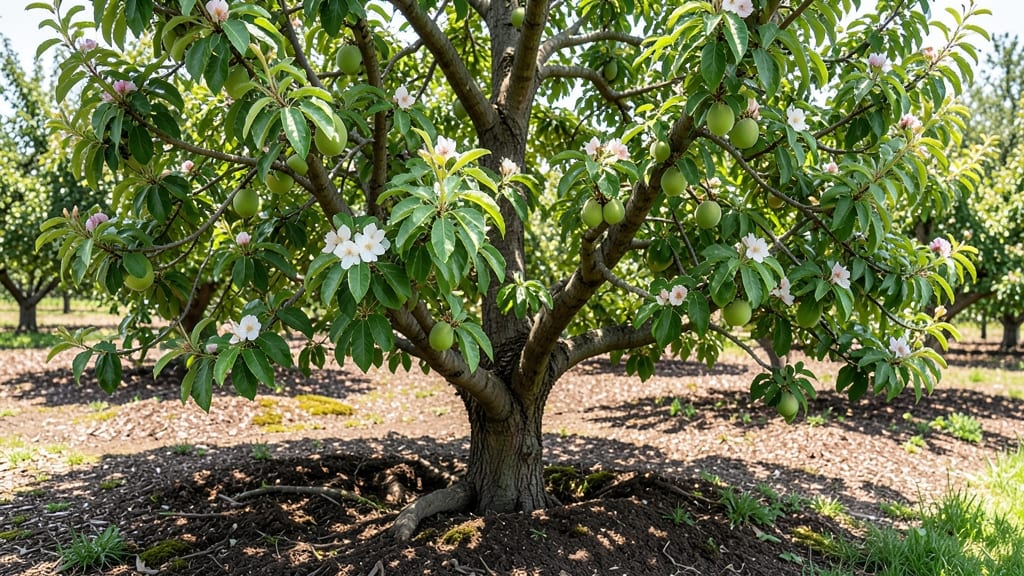
Peach trees take between 2 to 5 years to produce fruit, depending on the variety and growing conditions you provide.
If you’ve ever planted a peach tree dreaming of juicy summer fruit, you know the wait can feel endless—but timing everything right makes the difference between years of frustration and a bountiful harvest.
The key is choosing the right variety for your climate, like the fast-growing Redhaven or the cold-hardy Elberta, and giving your tree the proper care from day one.
Below, I’ll break down the exact timeline by variety, the 5 critical factors that speed up fruiting, and how to spot when your tree is finally ready to reward you with those sweet, ripe peaches.
Peach tree fruit production timeline by variety: early vs late-bearing types
Peach trees are famous for their juicy summer fruit, but the wait for your first harvest depends heavily on the variety you choose. Some varieties like 'Redhaven' can bear fruit in just 2-3 years, while others like 'Elberta' may take 4-5 years to reach full production.
The difference comes down to genetics, tree size, and even your local climate zone.
Understanding these timelines helps you set realistic expectations and optimize care for faster fruiting. For example, dwarf varieties often produce fruit sooner than standard trees because they mature faster.
Meanwhile, late-bearing types prioritize tree growth before focusing on fruit, which can delay your first harvest by a full year or more.
Here’s how early-bearing and late-bearing varieties compare, including how climate zones and tree size influence production timelines:
| Variety | First Fruit (Years) | Peak Production (Years) | Tree Size | Climate Zone Adaptability |
|---|---|---|---|---|
| 'Redhaven' | 2-3 | 5-7 | Standard (20-30 ft) | Zones 5-9 |
| 'Elberta' | 4-5 | 8-10 | Standard (20-30 ft) | Zones 5-8 |
| 'Bonanza' (Dwarf) | 1-2 | 3-5 | Dwarf (8-12 ft) | Zones 5-9 |
| 'Sanguinole' (Freestone) | 3 | 6-8 | Semi-Dwarf (12-18 ft) | Zones 6-9 |
| 'Contender' (Clingstone) | 2-3 | 5-7 | Standard (20-30 ft) | Zones 5-9 |
If you live in warmer climates (Zones 8-9), your peach tree may produce fruit 1-2 years earlier than the timelines above. This is because chilling hours (cold winter temperatures) trigger flowering, and milder winters can delay or reduce bloom.
In contrast, cooler climates (Zones 5-6) often see faster fruiting because trees enter dormancy more reliably, ensuring proper bloom cycles.
For dwarf varieties, the smaller size means faster maturity—some can even bear fruit in their first or second year if given proper care. However, dwarf trees may produce smaller yields compared to standard trees.
If space isn’t an issue, a standard-sized tree like 'Redhaven' will eventually outperform dwarf types in both fruit size and quantity.
One common mistake is assuming all peach trees follow the same timeline. Late-bearing varieties like 'Elberta' focus on building a strong root system and trunk before producing fruit, which is why they take longer.
Meanwhile, early-bearing types like 'Bonanza' prioritize flowering and fruiting sooner. Knowing your variety’s tendencies helps you adjust care—like pruning strategies or fertilization schedules—to encourage faster production.
To speed up fruiting, prioritize well-draining soil, full-sun exposure, and consistent watering during the first 2 years. Avoid heavy fertilization early on, as it can encourage leafy growth over fruit production. Instead, use a balanced 10-10-10 fertilizer in spring and early summer once your tree is established.
Remember, even if your tree doesn’t fruit in the first year, it’s still growing roots and branches—critical for future harvests. Patience and proper care will pay off with juicy peaches in just a few seasons! 🍑
5 Critical factors that speed up (or delay) peach tree fruit production
Your peach tree’s journey to fruit-bearing glory isn’t just about time—it’s about the right conditions. Even the fastest-growing varieties can stall without proper care, while ideal conditions can accelerate fruiting by 1-2 years.
The key lies in understanding these 5 critical factors that either speed up or delay your tree’s productivity.
First, let’s tackle the biggest surprise: winter chilling hours. Most peach varieties need 400-1,000 hours below 45°F to trigger flowering. Without enough cold, your tree might just keep growing leaves instead of fruit. This is especially critical in warm climates where peaches often struggle to fruit at all.
Let’s talk about pruning—this is where many gardeners accidentally sabotage their trees. I’ve seen peach trees with over-zealous pruning that removed next year’s flower buds without the grower even realizing it. Always prune after harvest (late summer) to preserve fruitwood for the following season.
Another common mistake? Skipping winter care. Even in mild climates, peach trees need dormancy to reset. Wrap young trees in burlap during winter to protect them from late frosts, which can kill flower buds before they open.
A little extra protection here can mean the difference between a few peaches and a full harvest.
Finally, don’t underestimate the power of pollination. While peach trees are self-pollinating, bees and wind play a huge role in fruit set. Plant a second variety nearby (like ‘Redhaven’ and ‘Elberta’) to ensure cross-pollination, which can double your yield in the first fruiting year.
By mastering these 5 factors, you’ll turn your peach tree from a patient waiting game into a fruit-bearing powerhouse in just 2-3 years—not the 5+ years many gardeners experience.
Start with soil and chilling hours, then refine your pruning and watering, and you’ll be picking peaches sooner than you think! 🍑