
Trees
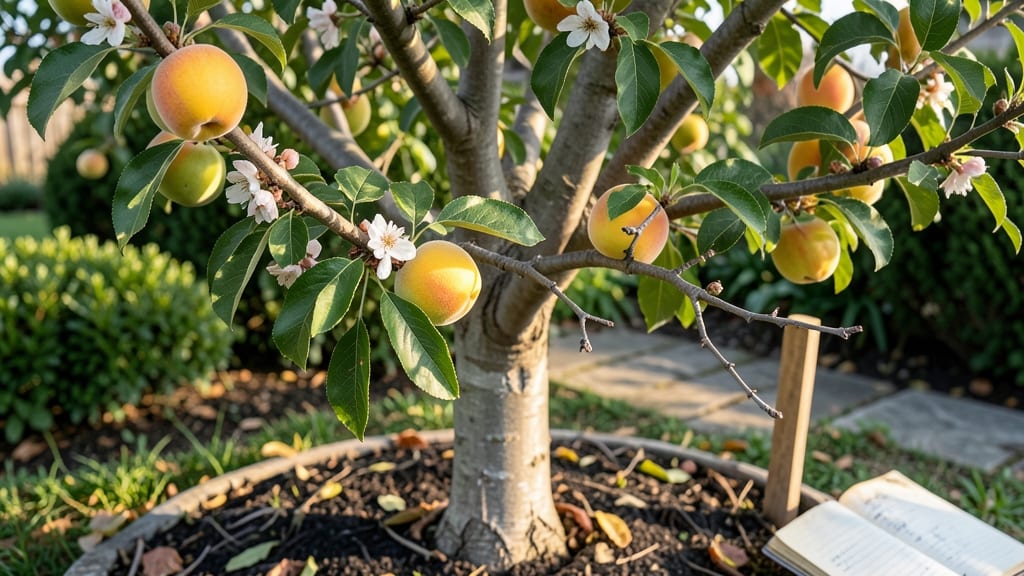
Peach trees don't produce fruit every year—they follow a natural pattern called biennial bearing, where heavy fruit years alternate with lighter ones. This cycle depends on the tree's age, growing conditions, and how well it stores energy between seasons.
This alternating pattern isn't a flaw—it's how peach trees conserve energy. 🌳 After a big harvest, the tree focuses on rebuilding roots and branches for next year's growth.
Young trees often take 3-5 years before their first fruit, while mature ones may skip years entirely if stressed by drought or poor soil. The key is understanding your tree's signals: too many leaves with few fruits? It's likely saving energy for a future bumper crop.
What's interesting is how you can influence this cycle. Pruning at the right time or using balanced fertilizers can help maintain more consistent yields. For example, heavy pruning after a fruit-heavy year encourages new growth for the following season.
The goal isn't to force annual production—it's to work with the tree's natural rhythms while giving it the best conditions to thrive.
💡 In This Article
- Understanding Peach Tree Biennial Bearing Patterns
- Maximizing Peach Tree Fruit Production Year-Round
Understanding peach tree biennial bearing patterns
The biennial bearing pattern in peach trees stems from a complex interplay of plant hormones and energy management. After a heavy fruit year, the tree prioritizes root and branch growth over fruit production, storing carbohydrates in its roots and trunk.
This process is driven by gibberellins—plant hormones that promote vegetative growth—while fruit production hormones like auxins and cytokinins take a backseat. 🌱 The result is what gardeners call "alternate bearing," where a year of abundant fruit (like 50-80% of the tree's capacity) is followed by a lighter year (often 10-30% of capacity).
Temperature plays a crucial role in triggering this cycle. Peach trees require 700-1,000 chill hours (temperatures between 32-45°F) during winter dormancy to set proper fruit buds for the next season. Insufficient chill hours (common in warmer climates) can disrupt this pattern, leading to irregular fruiting.
For example, a tree in Southern California might produce heavily one year if it gets enough winter chill, then struggle the next year if temperatures stay too mild. The tree's internal clock also responds to daylight changes—longer summer days signal the tree to store energy rather than produce fruit.
This energy conservation strategy isn't just about survival—it's about quality. When peach trees focus on root development, they build a stronger framework that supports larger, sweeter fruit in subsequent years. The trade-off is frustrating for growers, but nature has a reason: a tree that exhausts itself every year risks decline.
You'll often see this pattern in commercial orchards where trees are managed to balance fruit production with tree health. For example, some growers thin fruit in heavy years to reduce stress on the tree and encourage better-quality fruit in the following season.
Age matters too. Young peach trees (under 3 years old) often skip fruiting entirely as they establish their root systems. Mature trees may produce fruit every other year, while ancient specimens (over 20 years old) might enter a more erratic cycle.
The key visual clue is the tree's foliage: a healthy, fruiting tree will have a balance of leaves and fruit, while an overburdened tree might show yellowing leaves or stunted growth as it diverts energy away from fruit production.
Climate extremes can amplify this pattern. Drought stress forces trees to conserve water by reducing fruit production, while excessive moisture can lead to root rot and further disrupt the cycle. Even soil fertility plays a role—trees with nutrient-rich soil (especially potassium and phosphorus) tend to have more balanced bearing patterns.
For instance, adding 2-3 pounds of 10-10-10 fertilizer per year can help maintain a more consistent yield by supporting overall tree health.
What's fascinating is how this pattern varies by peach variety. Some cultivars, like 'Elberta' or 'Redhaven,' are more prone to biennial bearing, while others like 'Contender' or 'Relenta' (a Spanish variety) show more consistent production.
The difference lies in their genetic predisposition to balance growth and fruit production. If you're planting a new tree, choosing a variety known for regular bearing can help manage expectations and reduce frustration during off-years.