
Planting
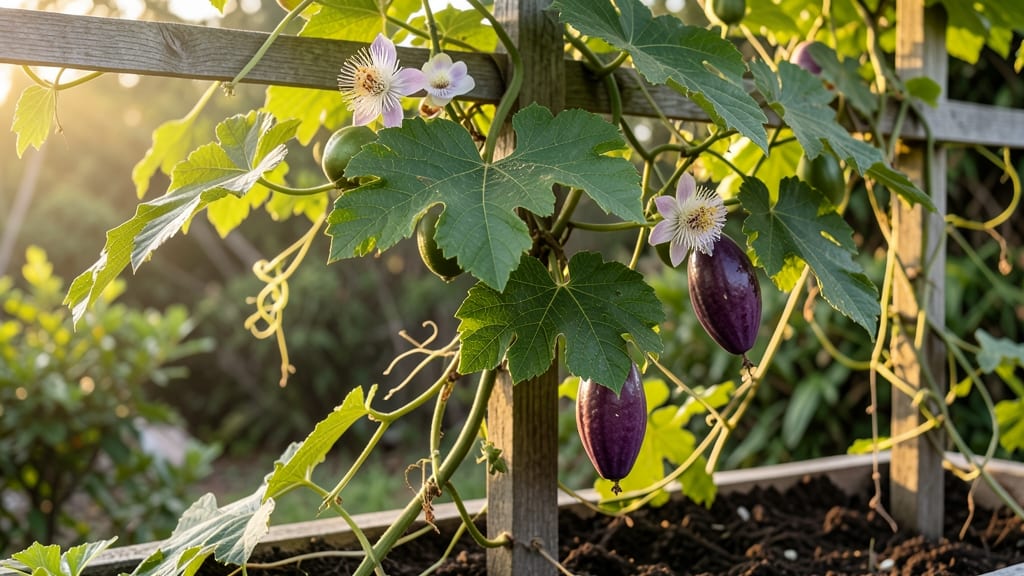
Passion fruit plants thrive best in USDA growing zones 8 through 12, where they enjoy consistent warmth between 60°F and 85°F year-round. These tropical vines avoid frost damage and extreme heat, with varieties like Passiflora edulis needing steady humidity. Cold-sensitive plants should be grown in containers or protected during winter months.
Passion fruit plants are tropical at heart, so their ideal climate range directly impacts fruit production and vine health. 🌿 The 60°F to 85°F window isn't just about comfort—it's where photosynthesis and flowering hormones work optimally. Without proper warmth, vines may produce fewer flowers or drop buds entirely.
Even in zones 8-12, afternoon shade helps prevent heat stress during peak summer months, while morning sun kickstarts growth. The humidity requirement isn't just about leaf moisture—it's critical for fruit development, as passion fruit skins need consistent moisture to prevent cracking.
For gardeners outside these zones, container growing becomes a game-changer. Cold-hardy varieties like Passiflora incarnata (maypop) can survive brief dips to 10°F, but most tropical types need winter protection. I've seen growers use thick mulch, frost blankets, or even move potted plants to unheated garages during freezes.
The key is maintaining root warmth while protecting the vines themselves—roots can tolerate cooler temps if the rest of the plant stays above 50°F.
💡 In This Article
- Understanding Passion Fruit Plant Climate Needs
- Extending Passion Fruit Growth in Cooler Zones
Understanding passion fruit plant climate needs
Passion fruit plants are tropical vines that rely on specific temperature ranges to trigger their biological processes. When daytime temperatures drop below 55°F, the plant's cellular metabolism slows dramatically, causing flower buds to abort and leaves to yellow—a condition called chilling injury.
This happens because cold temperatures disrupt the production of ethylene, a hormone essential for fruit development. The ideal 60°F to 85°F range keeps these processes active, allowing vines to produce up to 100 flowers per vine during peak season.
The humidity requirement goes beyond just keeping leaves moist—it's about maintaining the delicate balance of transpiration and photosynthesis. Passion fruit plants need 60-80% relative humidity to prevent fruit from developing cracks or becoming tough. In dry climates, you'll notice the fruit skins becoming leathery and less sweet.
The vines also rely on high humidity to prevent fungal infections like powdery mildew, which thrives in the 70-80°F range but becomes more aggressive when humidity drops below 50%. This is why coastal areas often produce sweeter fruit than inland regions.
Sunlight intensity plays a crucial role too, but it's not just about duration—it's about the right balance. Passion fruit vines need 6-8 hours of direct sunlight daily, but intense afternoon sun in zones 10-12 can cause heat stress, leading to leaf burn. The solution?
Provide afternoon shade using 30-50% shade cloth during peak summer months. This mimics their natural understory habitat in tropical forests, where they receive dappled sunlight rather than harsh direct exposure. The right light balance ensures optimal photosynthesis while preventing leaf scorch.
There's a fascinating difference between tropical and subtropical varieties. Passiflora edulis (the common passion fruit) is purely tropical and cannot tolerate temperatures below 40°F for more than a few hours.
In contrast, Passiflora incarnata (maypop) is subtropical and can handle brief exposures to 10°F—though it won't produce fruit until temperatures consistently stay above 55°F. This distinction is crucial for gardeners selecting varieties.
Tropical types need year-round warmth, while subtropical varieties can handle cooler springs and falls but still require protection during winter freezes.
What most growers don't realize is how microclimates can extend growing zones. A north-facing wall or greenhouse can create a 5-10°F warmer environment than the surrounding area, potentially allowing tropical varieties to thrive in zone 7 with proper winter protection.
I've seen passion fruit vines grown successfully in zone 6 using thick mulch and cold frames, where daytime temperatures reach 70°F during summer months. The key is understanding how to manipulate these microenvironments to compensate for broader climate limitations.
One visual clue to monitor is leaf color—healthy passion fruit leaves should be deep green with a slight waxy sheen. When temperatures dip or humidity drops, you'll notice leaves developing yellow edges or brown spots.
This is your plant's way of signaling stress before more serious damage occurs. Paying attention to these early warning signs can prevent fruit drop and ensure a more productive harvest.