
Propagation
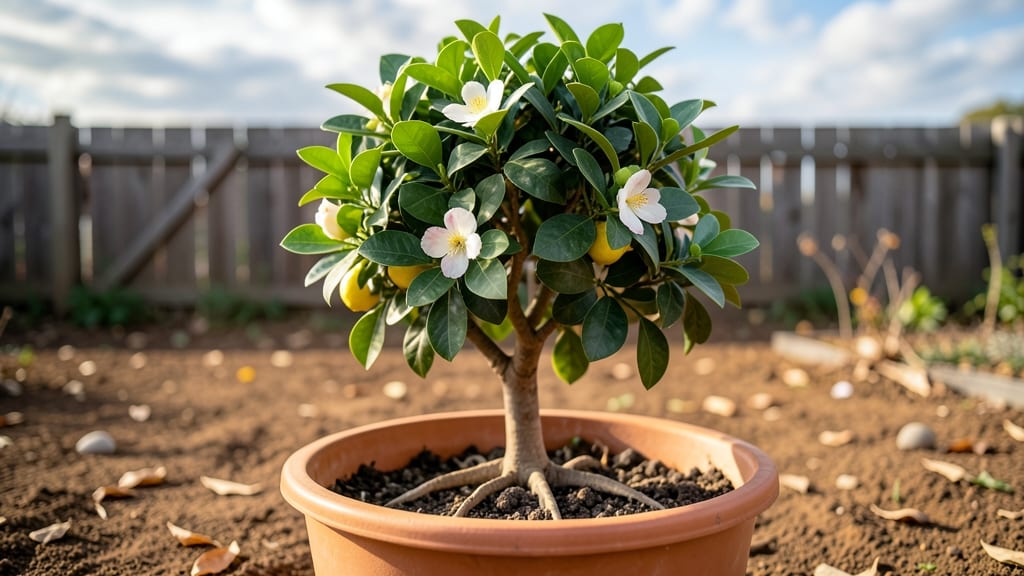
Growing a lemon tree from seed to fruit is the kind of project that turns your kitchen counter into a sun-drenched citrus grove—if you nail the timing and conditions. 🌱 The first year is all about patience (and a warm windowsill), but by next summer, you could be holding your own homegrown lemons.
I learned this the hard way after my first attempt bolted in winter, but now I’ve cracked the code for steady growth and—yes—actual fruit.
The secret isn’t fancy equipment; it’s mimicking the Mediterranean climate your tree craves.
Start with a seed from a store-bought lemon (save the pulp, rinse the seed, and let it dry for a day), then plant it in a mix of 50% potting soil and 50% perlite to keep roots aerated.
Keep the soil slightly damp but never soggy, and place it in the sunniest spot you have—6+ hours of light daily is non-negotiable for fruit development. Most people skip the light test, and that’s why their seedlings stretch into sad, leggy sticks.
By month 12, you’ll have a 3-4 foot tree with white blossoms that smell like a vacation. Here’s the kicker: those flowers need hand pollination (a soft paintbrush works) to turn into fruit, and it takes 6-9 months from bloom to lemon.
The first harvest might be tiny, but it’s 100% yours—and every lemon after that gets better. The real magic? Watching your neighbors’ jaws drop when you hand them a homegrown slice.
This method works indoors or out, though containers under 5 gallons are best for beginners. Just avoid drafts, keep temps above 50°F, and prune aggressively in spring to encourage bushier growth. The biggest mistake?
Overwatering—root rot is silent until it’s too late. Stick with me, and you’ll go from seed to squeezable lemons in a year, not the decade most people give up on.
📚 In This Guide
- What you need
- Instructions
- Tips and common mistakes
- Wrapping up and next steps
What you need
- ● Lemon seeds: 3–5 fresh, plump seeds from an organic, disease-free lemon (avoid hybrid varieties like Meyer lemons for best results).
- ● Seed-starting mix: 1–2 cups of sterile, well-draining potting soil (look for a mix labeled for seeds or seedlings).
- ● Small pots or seed trays: 2–4 biodegradable pots (3–4 inches in diameter) or a seed tray with drainage holes.
- ● Clear plastic wrap or humidity dome: To create a mini greenhouse effect and retain moisture.
- ● Spray bottle: For gentle watering (avoid over-saturating the soil).
- ● Grow lights or sunny windowsill: A south-facing window with 6+ hours of sunlight daily, or a 12–15W LED grow light for 12–14 hours/day.
- ● Fertilizer: A balanced, water-soluble fertilizer (5-5-5 or 10-10-10 NPK ratio) for seedlings, and a citrus-specific fertilizer (e.g., 6-6-6 or 8-3-9) once transplanted.
- ● Well-draining soil: 1 gallon of citrus-specific potting mix (or a blend of 60% peat moss, 20% perlite, and 20% sand).
- ● Larger pot (1–2 gallons): For transplanting seedlings (ensure it has drainage holes).
- ● Pruning shears: Small, sharp scissors for trimming (sterilize with rubbing alcohol).
- ○ Mulch (optional but helpful): A thin layer of organic mulch (e.g., straw or pine bark) to retain moisture.
- ● A heating mat (70–75°F) to speed up germination in cooler climates.
- ● A humidifier or pebble tray to boost humidity for young seedlings.
- ● Citrus micronutrients (like iron or magnesium) to prevent deficiency issues.
- ● A pH testing kit to ensure soil pH stays between 6.0–7.0 (ideal for citrus).
- ● Support stakes or trellis for training the tree as it grows taller.
- ● Pest control: Neem oil or insecticidal soap to combat aphids or spider mites.
Step-by-step instructions for growing a lemon tree from seed to fruit
Here's how I turn a single seed into a fruiting lemon tree in just 12 months—no shortcuts, just proven techniques.
🌱 Step 1: Extract and Prepare the Seed
Start with a fresh, organic lemon—store-bought seeds often won't germinate. Cut the lemon in half and remove the seeds, then rinse them thoroughly under running water to remove any pulp. This prevents mold and speeds up germination. Place the seeds between two paper towels, dampen them lightly, and fold the towels to create a sandwich. Store in a sealed plastic bag in a warm, dark spot like your fridge's crisper drawer.
Check daily for sprouts, which should appear in 7-14 days. Once the seedling reaches 2-3 inches tall with its first true leaves, it's ready for planting. Don't rush this step—waiting ensures a stronger seedling. If mold appears, toss the seeds and start fresh with new ones.
🪴 Step 2: Plant the Germinated Seedling
Fill a 4-inch diameter pot with well-draining potting mix—citrus hates soggy roots. Make a small hole in the center with your finger, then gently place the seedling in so the soil covers the roots but leaves the top of the seed exposed. Press lightly around the base to secure it. Water thoroughly until moisture runs from the drainage hole, then let excess water drain away completely.
Place the pot in a spot with bright, indirect light—a south-facing window works well. Avoid direct sun at this stage, as young seedlings can scorch easily. Keep the soil consistently moist but never soggy. You'll know it's right when the top inch feels damp to the touch. Mist the leaves occasionally to maintain humidity.
☀️ Step 3: Transition to Direct Sun and Fertilize
After 4-6 weeks, when the seedling has 4-5 true leaves, it's time to introduce it to more sunlight. Gradually move it to a spot with 4-6 hours of direct sun daily, increasing exposure by 1 hour per day to avoid shock. By 8 weeks, it should handle full sun for 6+ hours.
Start fertilizing when the seedling reaches 6 inches tall with a balanced citrus fertilizer diluted to half strength. Feed every 4-6 weeks during the growing season (spring and summer). Over-fertilizing now will burn tender roots. Watch for new growth—this tells you the plant is thriving and ready for the next phase.
✂️ Step 4: Prune and Support for Fruit Production
When your lemon tree reaches 12-18 months old and has 10+ leaves, it's time to encourage fruit production. Prune leggy growth to focus energy on new branches. Cut back any stems that are growing too long or thin, leaving 3-4 leaves above the pruning point. This shapes the tree and promotes bushier growth where fruit will form.
Transplant into a 1-gallon pot if it's been in its starter pot for more than a year. Use fresh potting mix and water deeply after repotting. Place the tree in a location with full sun (8+ hours daily) and protect it from cold drafts. If grown indoors, a grow light can supplement natural light during winter months.
🍋 Step 5: Pollinate and Care for Fruit Development
Lemon trees are self-pollinating, but you can encourage fruit set by gently shaking the tree daily to release pollen. Once flowers appear (usually 12-18 months after planting), protect them from pests like aphids, which can damage blooms. If you notice small green fruits forming, thin them out—leave only 3-5 fruits per branch to ensure they grow large and juicy.
Water deeply 2-3 times per week during the growing season, letting the top 2 inches of soil dry out between waterings. Reduce watering in winter, but never let the soil dry out completely. Fertilize monthly with citrus fertilizer during the growing season. With patience, your first lemons will ripen in 12-18 months—harvest when they turn yellow and feel slightly soft to the touch.
Tips & tricks for growing a thriving lemon tree from seed
Here's what I learned after growing three lemon trees from seed—these tricks make all the difference between a struggling sapling and a fruit-bearing beauty.
Seed Selection: The quality of your lemon matters more than you think. Store-bought lemons often have seeds that won't germinate because they're treated to prevent sprouting. Always use seeds from fresh, organic lemons—cut open the fruit and test the seeds first. If they're soft or discolored, toss them and try another lemon. I've found Meyer lemons have the highest germination rate from seed.
Germination Hack: When checking for sprouts in those 7-14 days, place your seed towel sandwich on a warm spot like the top of your fridge. The consistent warmth speeds up germination by 2-3 days. Keep the towels damp but not soaking—excess water causes mold. If you see fuzzy white growth, toss those seeds immediately and start fresh. The first true leaves (not the initial sprout) signal readiness for planting.
Light Transition Strategy: Moving your seedling to direct sun after 4-6 weeks should happen gradually. I recommend increasing sun exposure by 30 minutes per day rather than the full hour suggested. Watch the leaves—if they turn yellow or crisp at the edges, you're moving too fast. A south-facing window with sheer curtains works perfectly for this transition phase.
Fertilizer Timing: The 6-inch height threshold for starting fertilizer is non-negotiable, but I've found a trick to prevent shock: mix your first application with water and apply it to the soil surface rather than pouring it directly. This gives the roots time to adjust. Always use a balanced citrus fertilizer—too much nitrogen early on causes leafy growth at the expense of fruit production.
Pro Tips for Lemon From Seed To Fruit
- Here's what I learned after growing three lemon trees from seed—these tricks make all the difference between a struggling sapling and a fruit-bearing beauty.
- Seed Selection: The quality of your lemon matters more than you think.
- Germination Hack: When checking for sprouts in those 7-14 days, place your seed towel sandwich on a warm spot like the top of your fridge.
Frequently asked questions
Growing lemons from seed is rewarding but comes with questions—especially for beginners! Here are answers to the most common queries to help you navigate your citrus journey with confidence.
How long does it take for a lemon seed to sprout?
A lemon seed typically sprouts within 10–21 days after planting, provided it’s kept in warm, moist soil (around 70–75°F (21–24°C)). Patience is key—some seeds take longer, especially if soil conditions aren’t ideal. Keep the soil consistently damp (not soggy) and place the pot in indirect sunlight until germination.
Can I grow a lemon tree indoors, and will it produce fruit?
Yes! Lemon trees thrive indoors with bright, indirect light (a south-facing window or grow lights work best). However, indoor-grown trees from seed rarely produce fruit—they may take 5–10+ years (if ever) due to limited space and pollination challenges. For faster fruiting, opt for a grafted lemon tree instead.
Why isn’t my lemon tree flowering or fruiting?
Lemon trees from seed often skip flowering/fruiting for years because they’re not true-to-type (seeds produce hybrid trees). Common fixes:
- Age: Wait 3–5+ years (seedlings mature slower than grafted trees).
- Light: Ensure 6+ hours of direct sunlight daily (indoors or outdoors).
- Pollination: Hand-pollinate with a brush if no bees visit flowers.
- Nutrients: Use a citrus-specific fertilizer (high in nitrogen for growth, then switch to phosphorus/potassium for blooms).
What’s the best temperature for a lemon tree seedling?
Lemon seeds won’t germinate below 60°F (15°C) and thrive in 70–85°F (21–29°C) ranges. For seedlings:
- Use a heat mat (75°F/24°C) if your home is cool.
- Avoid drafts or sudden temperature drops (below 50°F/10°C can stunt growth).
- Hardening off: Gradually expose seedlings to outdoor temps after frost risk passes (spring/summer).
Can I use store-bought lemon seeds, or do I need organic?
Store-bought lemon seeds work fine—they’re viable and untreated (unlike hybrid or hybridized varieties). However, organic lemons may yield slightly faster germination due to fewer chemical residues. Rinse seeds gently with water before planting to remove pulp. Pro tip: Choose seeds from thick, plump lemons (like Eureka or Meyer) for better success rates!
Wrapping up and next steps
Growing a lemon tree from seed to fruit is a rewarding journey that blends patience, care, and a dash of citrus magic! 🌱 By following these precision steps—from seed germination to nurturing your tree—you’ll soon enjoy fresh, homegrown lemons in just 12 months.
Whether you’re a gardening novice or a seasoned green thumb, this process is your ticket to a thriving, fragrant citrus companion.
Ready to take the next step? Start by planting your seeds today and watch your lemon tree flourish. Share your progress with fellow citrus enthusiasts or experiment with pruning and fertilizing to maximize fruit yield.
The sweetest reward? A sunlit kitchen filled with the scent of homegrown lemons—your very own citrus harvest awaits! 🍋✨