
Shrubs
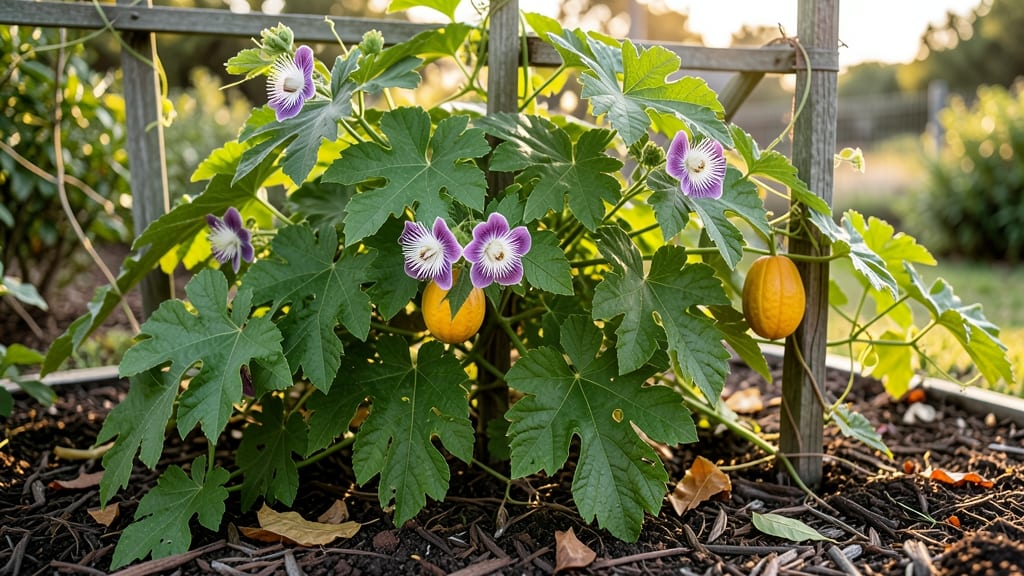
Growing passion fruit in Florida means turning your backyard into a tropical oasis where vines climb and fruit bursts with flavor. 🌿 The secret starts with the right variety—Florida’s heat and humidity suit purple passion fruit (Passiflora edulis) perfectly, but yellow varieties like Passiflora edulis flavicarpa also thrive.
I’ve grown both, and the purple ones produce fruit year-round with minimal fuss, while yellows handle Florida’s occasional dry spells better.
You’ll need full sun (at least 6 hours daily) and well-draining soil—Florida’s clay can be tricky, so amend with compost or raised beds if your yard stays soggy. Passion fruit vines are aggressive climbers, so give them a sturdy trellis or fence to reach 15–20 feet.
Water deeply once a week, but let the soil dry slightly between waterings—overwatering is the #1 killer in our humid climate.
Harvest begins about 90 days after flowering, when the fruit turns vibrant purple or yellow and gives slightly under gentle pressure. One vine can produce 50+ fruits per season, and the taste—tropical, tangy, and sweet—is worth every bit of effort.
The real magic? These vines are drought-tolerant once established, making them low-maintenance compared to other tropical fruits.
Watch for Florida-specific pests like passion vine hoppers (tiny green bugs that chew leaves) and treat with neem oil if needed.
Prune in late winter to shape the vine and remove dead growth, but avoid heavy pruning—these vines fruit on new growth, and Florida’s mild winters mean they stay active year-round. Start with seeds or cuttings from a local nursery, and you’ll have your first harvest by summer.
📚 In This Guide
- What you need
- Instructions
- Tips and common mistakes
- Wrapping up and next steps
What you need
- ● Passion fruit plants: Choose Passiflora edulis (Purple Passion Fruit) or Passiflora ligularis (Granadilla) varieties. Start with 3-5 healthy nursery-grown plants (or seeds, if you’re patient!).
- ● Well-draining soil: A mix of 60% potting soil, 30% perlite or sand, and 10% compost (pH 6.0–7.5). Florida’s sandy soil? Amend it with organic matter!
- ● Containers or garden space: Containers: 10–15 gallon pots with drainage holes (1 per plant).
- ● Garden beds: Full sun (6+ hours/day) and 6–8 feet of vertical space (passion vines love to climb!).
- ● Support structure: A trellis, arbor, or sturdy fence (at least 8 feet tall) for vines to twine.
- ● Gloves & pruners: Sharp, sterilized pruners for trimming and gardening gloves (passion vines have thorns!).
- ● Fertilizer: Balanced 10-10-10 or citrus-specific fertilizer (apply every 4–6 weeks during growing season).
- ● Mulch: 2–3 inches of organic mulch (straw or wood chips) to retain moisture.
- ● Watering can or hose: Passion fruit loves consistent moisture (1–2 inches/week, more in Florida heat!).
- ● Drip irrigation system: Saves time and ensures even watering.
- ● Epsom salt: 1 tablespoon/month boosts magnesium for vibrant foliage.
- ● Pest control: Neem oil or insecticidal soap (for aphids/mealybugs).
- ● Shade cloth: Protect young plants from intense afternoon sun (30–50% shade).
Step-by-step instructions for growing Florida passion fruit
Here's how to coax those tropical vines into producing sweet, fragrant fruit—even in Florida's heat.
🌱 Step 1: Select and Prepare Healthy Starts
Passion fruit thrives from cuttings, so start with 1-2 healthy vines from a local nursery or trusted grower. Look for thick, green stems with multiple nodes (those little bumps where leaves grow). I always choose yellow passion fruit (Passiflora edulis) for Florida's climate—it handles humidity better than purple varieties.
Trim any yellowing leaves or damaged stems with clean pruning shears before planting. Soak the cuttings in room-temperature water for 24 hours to encourage root growth. This step is critical—healthy starts mean fewer pests and faster establishment.
☀️ Step 2: Plant in Well-Draining Soil with Full Sun
Passion fruit needs 6+ hours of direct sun daily, so pick a spot with morning sun and afternoon shade if possible—Florida's afternoon heat can scorch leaves. Amend the soil with 2-3 inches of compost to improve drainage, since passion fruit hates soggy roots. I dig a hole twice as wide as the root ball but only as deep.
Plant in early spring after the last frost. Space vines 8-10 feet apart—they'll sprawl aggressively. Use trellises or strong stakes to support the heavy fruit. Mulch with 2-3 inches of wood chips to retain moisture and suppress weeds, but keep mulch 6 inches away from stems to prevent rot.
💧 Step 3: Water Deeply and Fertilize for Vigorous Growth
Water deeply 2-3 times per week during the first year, soaking the soil 12 inches down. You'll know it's enough when water runs out the drainage holes. Passion fruit is drought-tolerant once established, but young plants need consistent moisture. I water in the early morning to reduce fungal risks.
Fertilize every 6 weeks with a balanced 10-10-10 formula during growing season. Stop fertilizing in fall and winter—too much nitrogen then encourages leafy growth instead of fruit. Watch for yellowing leaves, which usually means overwatering or nutrient deficiency. Adjust accordingly.
✂️ Step 4: Prune for Airflow and Fruit Production
Prune twice a year: in late winter to shape the vine and in summer after fruiting. Remove dead, diseased, or crossing branches first—this keeps airflow strong and prevents fungal issues. Then, cut back overly long vines by one-third to encourage bushier growth and more fruit.
Here's the thing—passion fruit sets fruit on new growth, so pruning stimulates more blooms. I always leave 3-4 main stems and prune side shoots to 12 inches long. Avoid heavy pruning in fall, as the plant needs energy to harden off for winter.
🍈 Step 5: Harvest and Encourage Next Year's Crop
Harvest when fruit is fully colored (yellow or purple, depending on variety) and slightly soft to touch. Twist gently to detach—don't cut stems, as this can invite rot. Passion fruit ripens after picking, so harvest every 2-3 days in peak season (spring and fall in Florida).
After harvest, apply a light layer of compost around the base and water deeply. This preps the plant for next year's growth. Save 2-3 healthy vines from this year's growth to propagate new plants—passion fruit spreads easily, so you'll always have extras!
Tips & tricks for growing Florida passion fruit
These simple tricks will help you grow thriving passion fruit vines that produce bountiful harvests every season.
Root Growth Boost: After selecting your cuttings, trim the bottom at a 45-degree angle just below a node. This increases surface area for root development during that critical 24-hour water soak. I also add a pinch of cinnamon to the water—it's a natural antifungal that helps prevent rot while encouraging roots to form faster.
Soil Prep Secret: Before planting, mix in 1 cup of perlite or coarse sand into your amended soil. This improves drainage even further, which is crucial since passion fruit roots rot easily. I test drainage by filling a container with your soil mix and pouring water—it should drain completely within 15 minutes. If it pools, add more perlite.
Watering Wisdom: When watering those deep 2-3 times per week, focus on the base of the plant rather than overhead. This prevents fungal diseases like powdery mildew, which thrives in Florida's humidity. I use a soaker hose for the first year to ensure even moisture without wetting the leaves. Morning watering is key—it gives leaves time to dry before nighttime humidity sets in.
Pruning Payoff: During your late winter pruning, look for any suckers growing from the base of the plant. These compete with your main stems for energy. Remove them completely—they'll drain resources that could go toward fruit production. I also sterilize my pruning shears with rubbing alcohol between cuts to prevent spreading disease.
Pro Tips for Florida Passion Fruit
- These simple tricks will help you grow thriving passion fruit vines that produce bountiful harvests every season.
- Root Growth Boost: After selecting your cuttings, trim the bottom at a 45-degree angle just below a node. This increa...
- Soil Prep Secret: Before planting, mix in 1 cup of perlite or coarse sand into your amended soil. This improves drain...
Frequently asked questions
Got questions about growing Florida passion fruit? You’re not alone! Here are some of the most common queries—plus quick answers to help you cultivate a thriving vine.
When is the best time to plant passion fruit in Florida?
Plant passion fruit vines in late winter or early spring (February–March) to avoid frost. If starting from seeds, sow them indoors 8–10 weeks before the last frost date. Florida’s warm climate also allows for year-round planting in frost-free zones, but spring is ideal for established vines.
How long does it take for passion fruit vines to bear fruit?
Patience is key! Vines typically take 12–18 months to produce fruit from planting. Younger vines may flower first but need time to mature. In Florida’s heat, healthy, well-pruned vines can yield fruit as early as 6–9 months if given proper care (sun, water, and nutrients).
Why aren’t my passion fruit vines flowering or fruiting?
Common culprits include:
- Insufficient sunlight: Passion vines need 6+ hours of direct sun daily.
- Overwatering: Too much moisture can stress roots; let soil dry slightly between waterings.
- Nutrient deficiencies: Feed with a balanced fertilizer (10-10-10) or compost during flowering.
- Young age: Vines under 1 year may not flower yet.
Try pruning leggy growth to encourage bushier, fruit-bearing vines!
Can I grow passion fruit in containers, or do I need a garden bed?
Yes! Passion fruit thrives in large containers (15+ gallons) with drainage holes. Use a well-draining potting mix and place in full sun. Containers work well for small spaces or urban gardens, but expect slightly smaller yields than in-ground vines. Rotate pots occasionally for even growth.
Do passion fruit vines need pollinators, or can I hand-pollinate?
Passion fruit flowers are self-pollinating, but bees and hummingbirds boost yields. If pollinators are scarce, gently tap flowers with a paintbrush to transfer pollen. Florida’s warm climate attracts plenty of natural pollinators, so hand-pollination is rarely needed—but it’s a great backup!
How do I protect passion fruit vines from Florida’s occasional cold snaps?
Passion vines are tender perennials and die back in frost (<32°F). For protection:
- Cover vines with frost cloth or blankets.
- Move potted vines to a sheltered area.
- Prune back damaged growth in spring.
In frost-prone areas, grow vines as annuals or use row covers for winter.
Wrapping up and next steps
Growing Florida passion fruit is a rewarding journey that brings vibrant flavors and lush greenery to your garden—no matter your experience level! 🌿 From selecting the right vines to nurturing them with care, each step unlocks the sweet, tangy rewards of a homegrown harvest.
Whether you’re a seasoned gardener or just starting out, these sun-kissed vines will thrive with patience and passion.
Ready to dive in? Start small—plant a single vine or two—and let your curiosity grow! Soon, you’ll be savoring homemade passion fruit jam, smoothies, or even fresh slices straight from the vine. Your garden’s next adventure awaits—grab those seeds and get planting! 🌱✨