
Trees
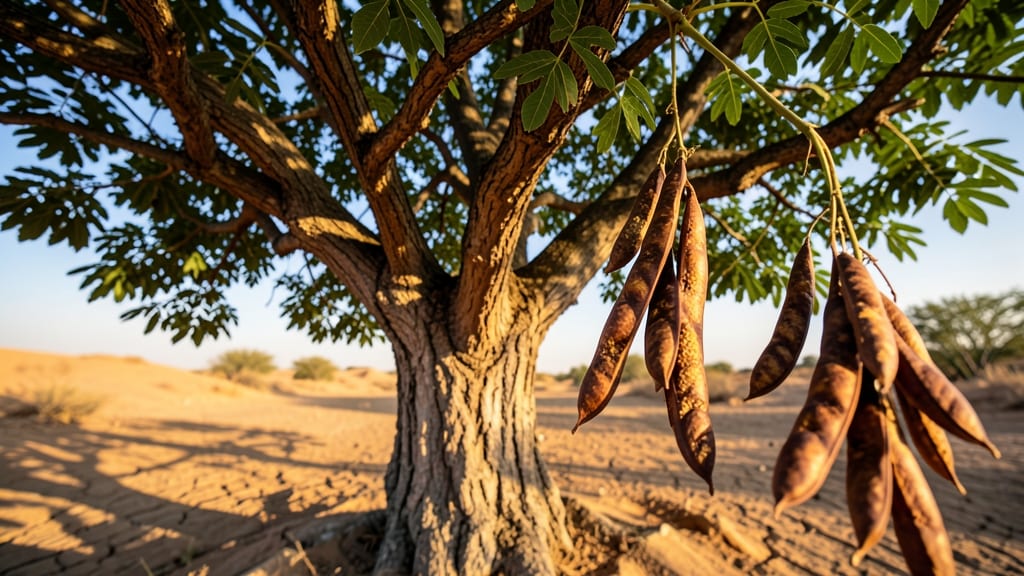
Growing fruit in desert climates doesn’t require giving up flavor or yield. These 10 drought-resistant fruit trees produce abundant harvests with minimal water while thriving in extreme heat and poor soil conditions.
Pomegranate Trees for Low-Water Gardens
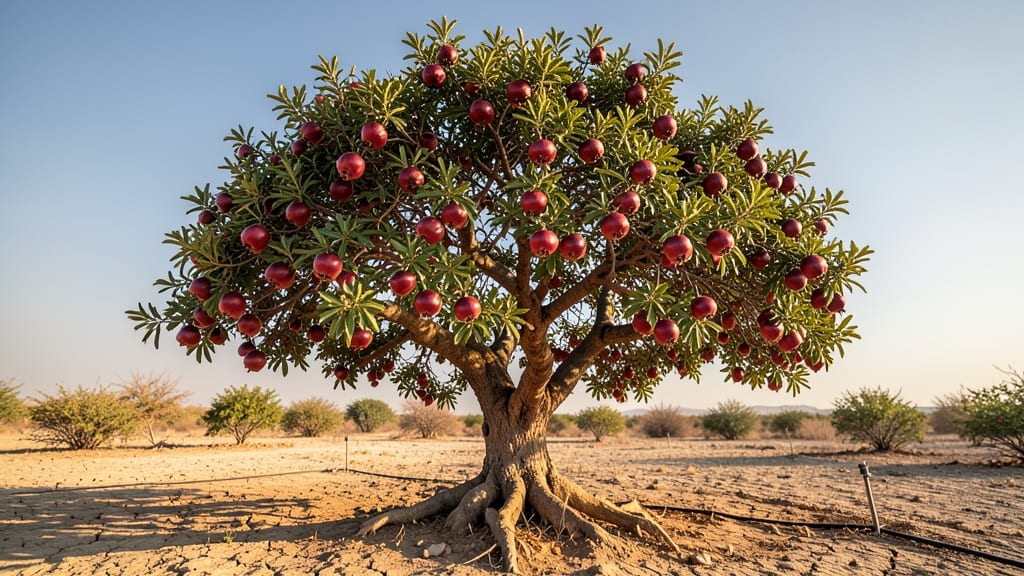
If you’ve ever dreamed of growing fruit in the desert without drowning your plants in water, pomegranate trees are your answer. These resilient trees thrive in arid landscapes, producing stunning jewel-like fruit with just minimal irrigation—and they won’t wilt even when temperatures hit 110°F.
Pomegranates prefer well-draining soil and full sun (6+ hours daily), but they’re surprisingly low-maintenance once established. Water deeply once a week during the first year, then taper to monthly waterings afterward. Prune in late winter to shape the tree and improve airflow, and watch for aphids or scale insects—common pests in dry climates. The fruit, packed with antioxidants, ripens in late summer to fall, offering a sweet reward for your drought-smart gardening.
Perfect for urban desert yards, farmers looking to conserve water, or anyone who loves edible landscaping, pomegranates turn your yard into a fruit-bearing oasis with almost no extra effort. 🌟
Feijoa Trees with Unique Cactus-Like Leaves
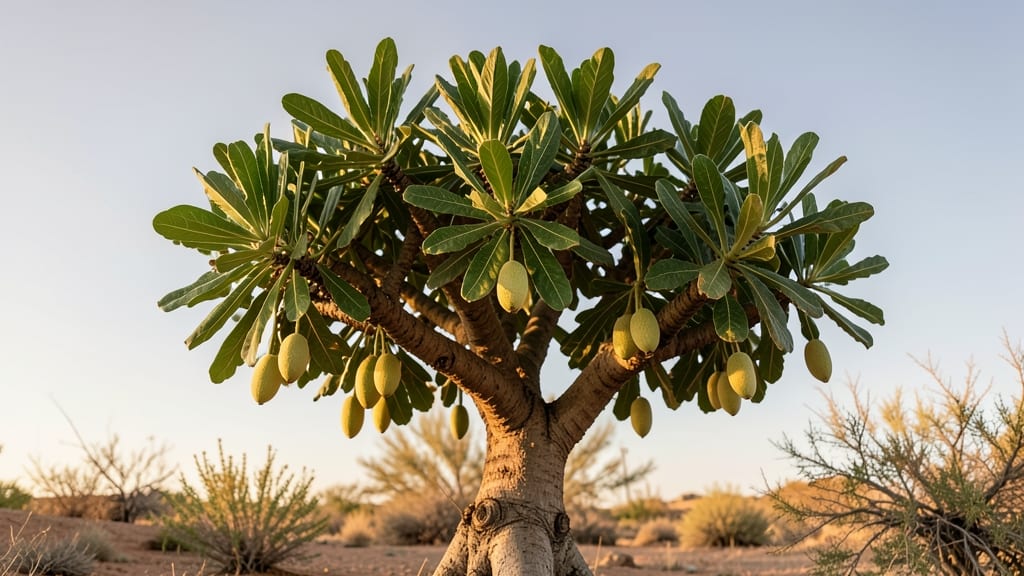
Looking for a desert fruit tree that’s equal parts exotic and easy? The feijoa (Acca sellowiana) delivers with its striking, cactus-like leaves and fragrant, pineapple-guava-flavored fruit—all while requiring almost no water once established.
Native to South America but perfectly adapted to desert climates, feijoas thrive in full sun (6+ hours daily) and tolerate temperatures up to 100°F. Their deep roots access moisture efficiently, making them ideal for low-water gardens. Plant in well-draining soil, and avoid overwatering—these trees prefer drought conditions once mature. Harvest fruit in late summer for a sweet, aromatic treat that’s rich in vitamin C.
Perfect for urban gardeners or small yards, feijoas offer a unique visual and culinary reward with minimal effort. 🌱
Fig Trees Thriving in Desert Heat
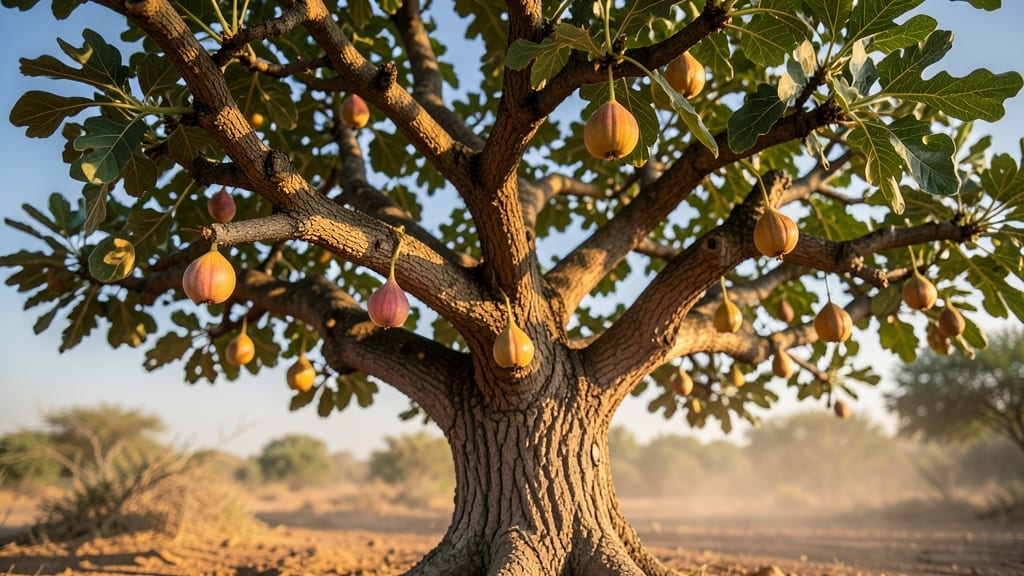
If you’ve ever dreamed of harvesting fresh fruit without the hassle of constant watering, fig trees are your perfect desert ally. These ancient fruit-bearing trees don’t just survive in arid climates—they thrive, producing sweet, sun-ripened fruit with almost no maintenance once established.
Figs are famously drought-tolerant, capable of surviving on rainfall alone in many desert regions. Varieties like Brown Turkey and Celeste are ideal for hot climates, producing fruit within 1-2 years of planting. Their deep roots access moisture deep underground, while their glossy leaves reflect sunlight, reducing water loss. Prune lightly in late winter to encourage air circulation and fruit production.
Perfect for beginners or busy gardeners, fig trees reward minimal effort with year-round harvests in warmer climates. Their shade also cools outdoor spaces, making them a practical and productive addition to any desert landscape. 🌻
Pistachio Trees for Hot, Dry Climates
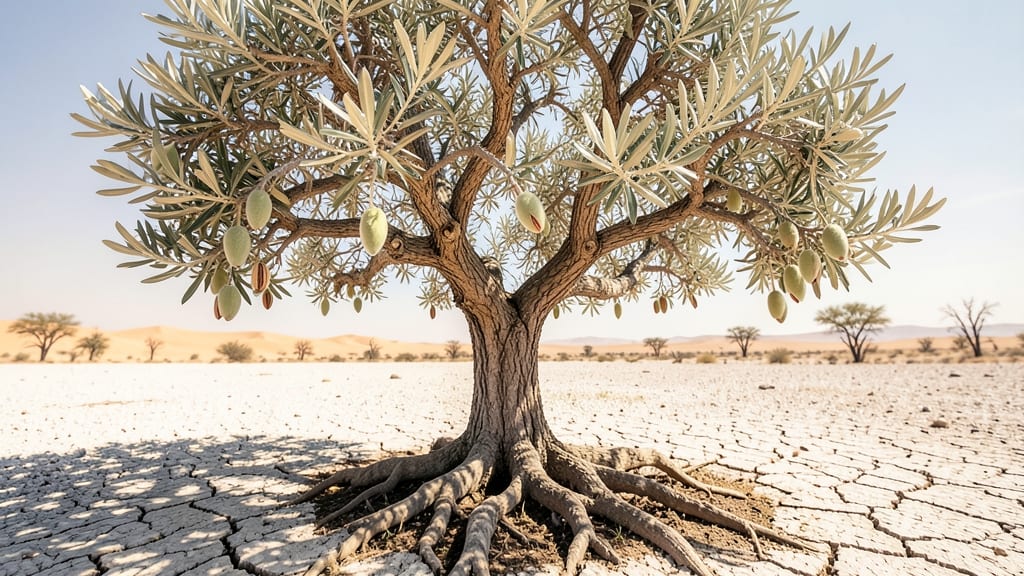
If you’ve ever dreamed of growing your own nuts in the desert but worried about water needs, pistachio trees are your game-changer. Their deep taproots can reach 10+ feet underground, accessing moisture that shallow-rooted plants can’t tap into—making them perfect for arid regions with sparse rainfall.
These trees thrive in full sun (6+ hours daily) and well-draining soil, requiring only moderate watering once established (about every 2–3 weeks in extreme heat). For best results, plant in USDA zones 7–10, where they produce sweet, buttery nuts in 4–6 years. Prune lightly in late winter to improve airflow and fruit production.
While they need more space than other desert fruit trees (20–30 feet apart), pistachios offer a high-value, low-maintenance harvest for gardeners with patience. 🌻
Date Palms Producing Sweet Fruit
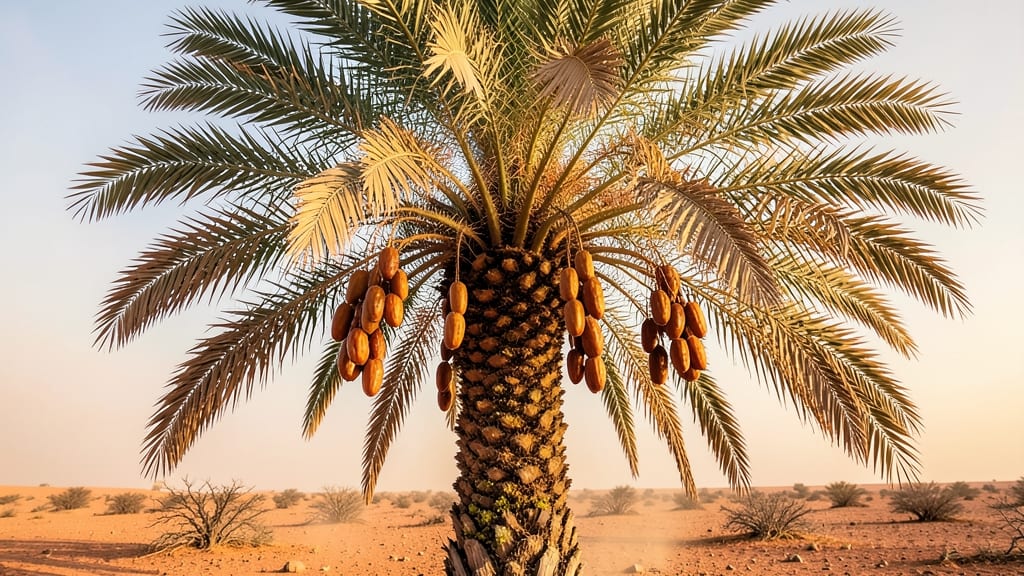
Imagine harvesting your own nutrient-rich dates straight from a tree that thrives on neglect—no overwatering, no fuss, just sweet rewards in the desert sun. Date palms are the gold standard for arid climates, producing fruit that’s been a staple for centuries with almost no irrigation once mature.
These hardy trees need full sun (6+ hours daily) and well-draining soil, but their deep roots make them drought-proof once established (typically after 2-3 years). Varieties like Medjool and Deglet Noor deliver luscious fruit, while smaller varieties (like 'Barhee') suit urban desert yards. Prune fronds only to remove dead ones—dates reward minimal care with bountiful harvests.
Perfect for homesteaders, food forests, or even container growing in warm climates, date palms turn desert landscapes into edible oases. 🌟
Olive Trees for Desert Landscapes
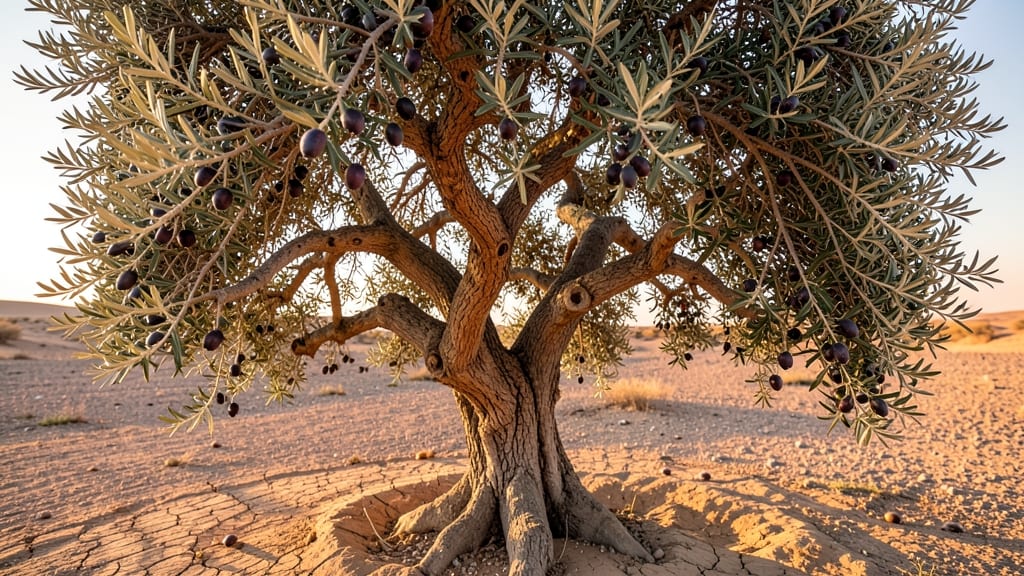
Want a desert-friendly fruit tree that’s as tough as it is beautiful? Olive trees (Olea europaea) are the unsung heroes of arid landscapes, producing edible olives while sipping minimal water once mature. Their silver-green foliage and gnarled branches add Mediterranean charm to any desert yard, all while requiring almost no extra care.
Plant olives in well-draining soil (they hate soggy roots!) and give them full sun (6+ hours daily)—they’ll reward you with drought-resistant growth. Young trees need occasional watering, but once established, they thrive on rainfall alone in many desert regions. Prune lightly to shape, and harvest olives in late fall for fresh or cured fruit. Their deep roots also help prevent soil erosion.
Ideal for low-maintenance gardeners or those seeking a dual-purpose tree (fruit + shade), olives are a smart choice for hot climates. 🌿
Jujube Trees with Drought-Proof Fruit
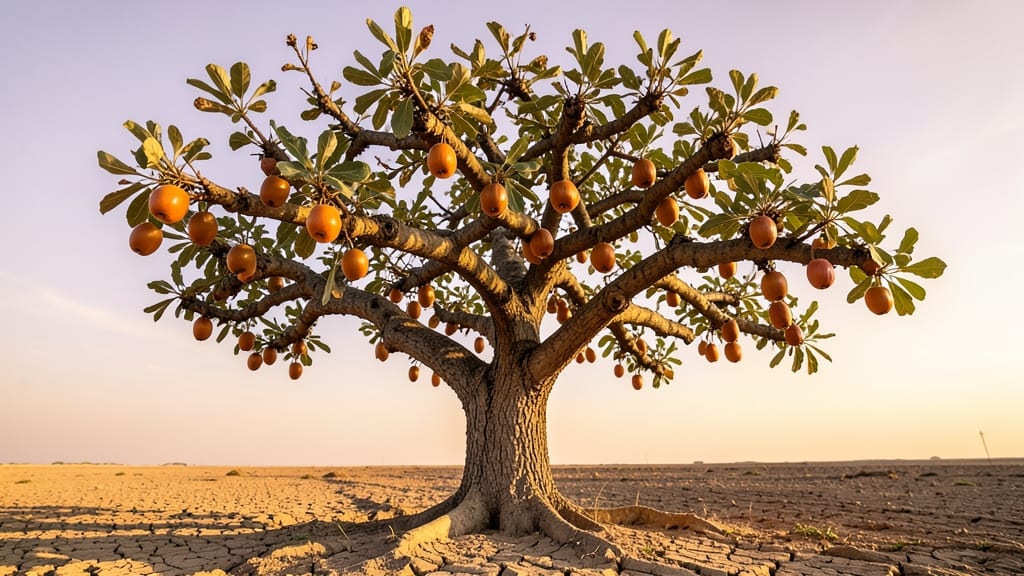
Want a desert fruit tree that tastes like a cross between an apple and a date? The jujube tree (Ziziphus jujuba) delivers that unique flavor while requiring almost no water—making it perfect for arid climates. Unlike other fruit trees, jujubes thrive in extreme heat (up to 115°F) and even grow in rocky or poor soil where most plants struggle.
These hardy trees produce sweet, apple-like fruit that ripens in late summer to early fall, with varieties ranging from crisp to soft textures. Plant them in full sun (6+ hours daily) and water only during the first year to establish roots—after that, they survive on rainfall alone. Prune lightly in winter to maintain shape, and watch for pests like aphids, which are rare due to the tree’s natural resilience.
Ideal for beginner gardeners or those with limited water, jujube trees offer a low-maintenance harvest that’s both delicious and drought-proof. 🌻
Mulberry Trees for Fast-Growing Fruit
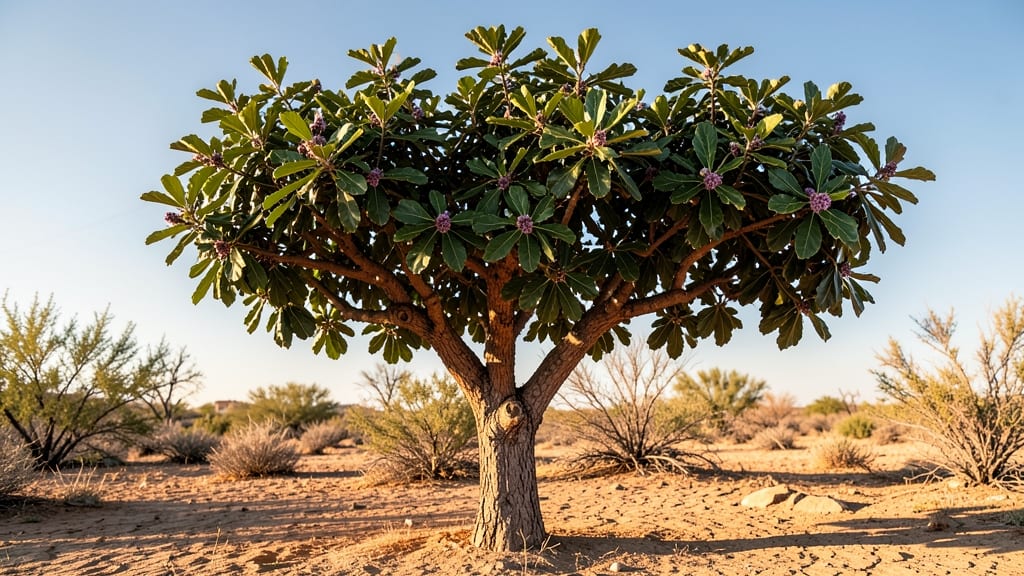
Tired of waiting years for fruit trees to mature? Mulberry trees grow faster than almost any other fruit-bearing tree, producing harvests in as little as 2-3 years—and they thrive in desert conditions where many trees struggle.
These hardy trees tolerate extreme heat and poor soil, making them perfect for desert gardens. Plant them in full sun (6+ hours daily) and water deeply once a week during the first year, then reduce to monthly waterings once established. Mulberries are self-pollinating, so a single tree can yield hundreds of pounds of fruit annually—ideal for snacking, jams, or feeding wildlife. Their fast growth and low-maintenance nature make them a dream for urban gardeners with limited space.
Perfect for beginners or experienced growers, mulberries turn your desert yard into a fruit-producing powerhouse with almost no effort. 🌻
Loquat Trees in Arid Environments
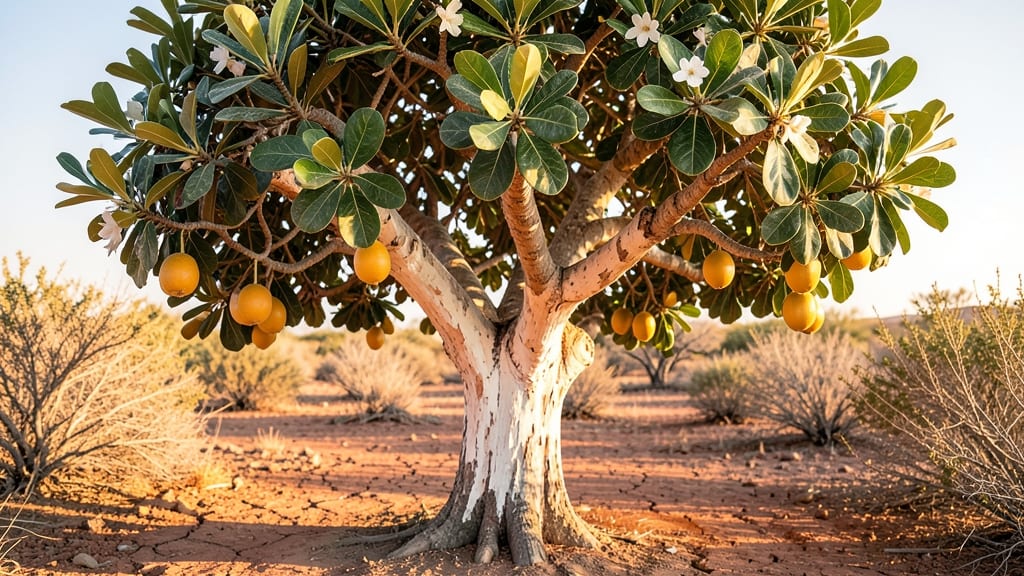
If you love citrus but dread the watering bills, loquat trees offer a fragrant, sweet alternative that thrives in desert heat. Unlike most citrus varieties, these trees tolerate dry conditions and intense sunlight while producing fruit that’s richer in flavor when grown in arid climates.
Native to Asia but perfectly adapted to desert environments, loquats need only moderate watering (every 2–3 weeks) once established and prefer well-draining soil. Their glossy, oval leaves help reduce water loss, while their early spring blooms (before summer heat peaks) ensure fruit sets successfully. Varieties like 'Big Jim' or 'Champagne' produce golden-yellow fruit with a honey-like taste, perfect for fresh eating or baking.
Ideal for gardeners in USDA zones 8–10, loquats reward minimal effort with year-round greenery and seasonal fruit—plus, their fragrant blossoms attract pollinators. A perfect choice for those who want low-maintenance citrus alternatives without sacrificing flavor. 🌿
Carob Trees for Sustainable Desert Farming

Need a desert fruit tree that’s as tough as it is tasty? Meet the carob tree, the unsung hero of sustainable farming—nicknamed the "poor man’s chocolate" for its naturally sweet, caffeine-free pods that thrive in drought conditions without a drop of extra water.
Carob trees are drought-proof powerhouses, requiring almost no irrigation once established (just occasional deep watering during extreme heat). Their deep roots access hidden moisture, while their silvery-green leaves reflect sunlight to conserve water. Plant in well-draining soil and full sun, and watch them produce edible pods within 3–5 years—perfect for grinding into flour, making syrup, or snacking fresh. They even improve soil health by fixing nitrogen!
Ideal for homesteaders, permaculture gardens, or livestock feeders, carob trees turn barren desert land into a productive, low-maintenance orchard. Plus, their evergreen foliage adds year-round beauty. 🌿