
Pruning
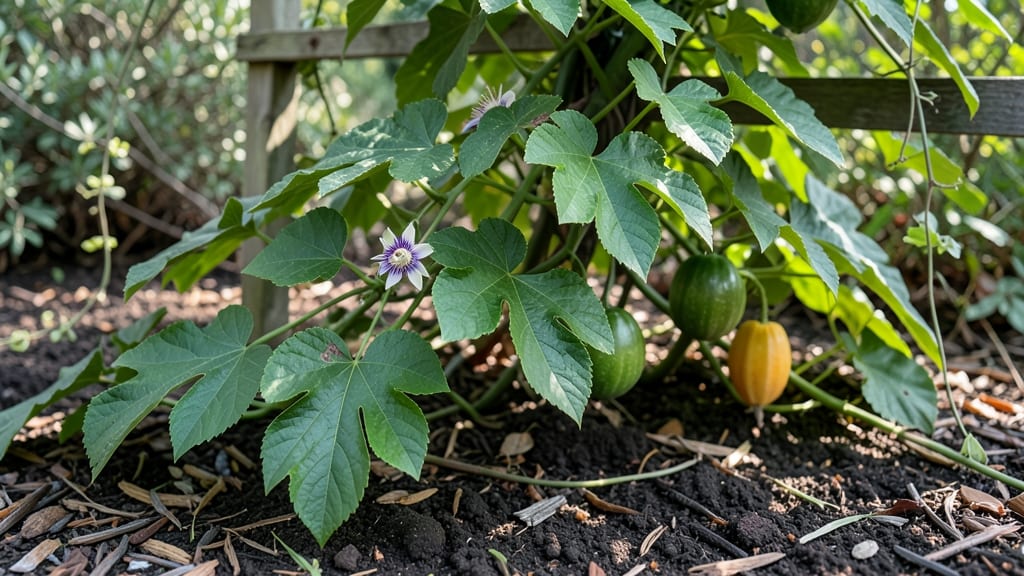
Growing a green passion fruit tree means year-round harvests if you prune like a pro. 🌱 The key is understanding how this tropical vine grows—it thrives on structure, not just sunshine, and a little strategic cutting can double your fruit production.
My first tree took off after I learned the right way to shape it, and now I get fruit from late summer through winter. The secret isn’t complicated: prune to open the center of the plant, letting light reach all the branches.
You’ll need a sharp pair of shears, a ladder (for taller plants), and about 30 minutes every few months. Start by removing dead or crossing branches, then thin out older growth to encourage new, fruiting wood.
What you’ll end up with is a vine covered in bright green (then yellow) passion fruit, some as big as golf balls. The flavor is tart and tropical, perfect for juices or desserts, and the plant itself becomes a stunning focal point in your garden or patio.
Works in containers for small spaces or planted directly in warm climates. Even in cooler areas, you can overwinter it indoors or in a greenhouse. Let’s get those vines productive!
📚 In This Guide
- What you need
- Instructions
- Tips and common mistakes
- Wrapping up and next steps
What you need
- ● Passion fruit seeds or a young sapling: Choose disease-resistant varieties like Passiflora edulis (green passion fruit) or Passiflora ligularis (sweet granadilla). If using seeds, ensure they’re fresh (germination drops after 1-2 weeks).
- ● Well-draining potting mix or garden soil: A blend of 60% peat moss/compost, 30% perlite/sand, and 10% coconut coir works best. For containers, use a 10-15 gallon pot with drainage holes.
- ● Fertilizer: Balanced organic fertilizer (e.g., 5-5-5 NPK) for young plants.
- ● High-potassium fertilizer (e.g., 0-10-10 NPK) for flowering/fruiting stages.
- ○ Citrus/micro-nutrient blend (optional but helpful for soil health).
- ● Support structure: A 6-8 ft wooden trellis or sturdy bamboo stake to guide vining growth (passion fruit vines can reach 20+ ft!).
- ● Pruning tools: Bypass pruners (for clean cuts on stems up to ½ inch thick).
- ● Loppers (for thicker branches, up to 1.5 inches).
- ● Garden shears (for shaping and deadheading).
- ● Disinfectant (rubbing alcohol or bleach solution) to sterilize tools between cuts.
- ● Mulch: 2-3 inches of organic mulch (e.g., straw, wood chips) to retain moisture and suppress weeds.
- ● Warm climate: Passion fruit thrives in USDA Zones 8-11 (or in containers in cooler zones). Ideal temps: 70–90°F (21–32°C) during the day, above 50°F (10°C) at night.
- ● Sunlight: 6+ hours of direct sunlight daily (morning sun is ideal to prevent scorching).
- ● Water source: Drip irrigation or a watering can with a spray nozzle for gentle hydration (overhead watering can cause fungal issues).
- ● Wind protection: Young plants are sensitive to strong winds; use a windbreak or mesh screen if needed.
- ● Grow lights for indoor seedlings or winter care.
- ● Soil moisture meter to monitor watering needs.
- ● Compost tea or mycorrhizal fungi to boost soil microbial activity.
- ● Fruit thinning scissors for managing overproduction.
- ● Harvest basket or net to gently collect ripe fruit without damaging vines.
How to grow a thriving green passion fruit tree
Here's how to cultivate a productive passion fruit vine that keeps bearing fruit year-round with minimal fuss.
🌱 Step 1: Choose the Right Location and Plant Your Vine
Passion fruit vines thrive in full sun—at least 6-8 hours daily—so pick a spot with southern or western exposure. I always plant mine against a sturdy trellis or fence, giving the vines something to climb as they grow aggressively. Dig a hole twice as wide as the root ball but only slightly deeper to encourage outward root spread.
Gently remove the plant from its container and loosen any tangled roots. Place it in the hole so the top of the root ball sits just below soil level. This prevents stem rot from sitting water while still keeping the plant stable. Backfill with native soil mixed with a handful of compost, then water deeply to settle everything.
☀️ Step 2: Train and Support the Vine Properly
Passion fruit vines need strong support to produce heavy fruit loads. I use a 6-foot tall trellis system with horizontal wires spaced 12-18 inches apart—this gives the vine plenty of room to sprawl while keeping fruit accessible. Train the main stem along the trellis, tying it loosely with soft plant ties every 2-3 feet.
Here's the thing—don't let the vine get too crowded. Prune side shoots to 12-18 inches long when they first appear. This encourages stronger main stems and better fruit production. You'll see new growth emerging from the leaf axils, and those are your future fruiting branches.
💧 Step 3: Water and Fertilize for Continuous Production
Water your passion fruit vine deeply 2-3 times per week during the first growing season, keeping the soil consistently moist but never soggy. Once established, reduce to once weekly during dry periods, checking that the top 4-6 inches of soil stay moist. Overwatering causes root rot, while underwatering leads to small, bitter fruit.
Feed your vine every 4-6 weeks with a balanced 10-10-10 fertilizer during the growing season. I switch to a low-nitrogen, high-phosphorus formula (5-10-10) when flowers appear to encourage better fruit set. Always water the plant thoroughly after fertilizing to prevent root burn.
✂️ Step 4: Prune Strategically for Year-Round Fruit
This is the moment that matters: prune your passion fruit vine twice yearly—once in late winter and again after harvest. In late winter, cut back one-third of the oldest wood to encourage new growth. Remove any dead, diseased, or crossing branches first. Then, trim back the remaining branches to 4-6 feet tall to maintain manageable size.
After harvest, prune again to remove any weak or unproductive growth. I always leave 3-4 strong canes as the main framework, as these produce the most fruit. Thin out any crowded branches to improve airflow, which reduces disease risk. You'll see new shoots emerging within 2-3 weeks—these are your next season's fruit producers.
🍈 Step 5: Harvest and Encourage Continuous Bearing
Harvest passion fruit when the skin turns from green to a slightly yellowish hue and the fruit feels slightly soft when gently squeezed. I pick mine in the morning when temperatures are cooler, as this preserves flavor and texture. Cut the fruit from the vine with clean pruners, leaving a short stem attached.
To keep your vine producing year-round, remove spent flowers and fruit that don't develop properly. This redirects the plant's energy to new growth and future harvests. With proper care, a well-pruned passion fruit vine can produce fruit continuously, giving you a steady supply of these tropical treats.
Tips & tricks for perfect green passion fruit trees
Took me years to figure out these tricks after watching my first vine struggle—here's what actually works for consistent harvests.
Sunlight Strategy: That 6-8 hours of daily sun is non-negotiable, but here's the thing: morning sun is more important than afternoon. I've found that positioning the trellis to catch the first rays of sun helps prevent sunburn on young leaves. If your location gets intense afternoon heat, provide afternoon shade during the hottest months to protect the fruit from scorching.
Trellis Technique: When building your 6-foot trellis, use galvanized wire or metal pipes instead of wood. Wood rots quickly from the constant moisture, and you don't want your support system failing when the vine is heavy with fruit. I also recommend adding a diagonal support wire from the top to bottom of the trellis for extra stability during storms.
Pruning Precision: The twice-yearly pruning schedule is perfect, but timing matters more than you'd think. That late winter prune should happen just before new growth begins—look for the first signs of swelling buds. For the post-harvest prune, wait until you've picked the last fruit of the season before cutting back. This ensures you're not removing potential fruit-producing branches too soon.
Watering Wisdom: Those first two growing seasons are critical for root development, so I've found it helpful to use a soaker hose for the 2-3 weekly waterings. This delivers water directly to the roots without wetting the leaves, which reduces fungal diseases. Once established, I check soil moisture by sticking my finger 4-6 inches deep—if it feels dry, that's when I water again.
Pro Tips for Green Passion Fruit Tree
- Took me years to figure out these tricks after watching my first vine struggle—here's what actually works for consist...
- Sunlight Strategy: That 6-8 hours of daily sun is non-negotiable, but here's the thing: morning sun is more important...
- Trellis Technique: When building your 6-foot trellis, use galvanized wire or metal pipes instead of wood. Wood rots q...
Frequently asked questions
Got questions about growing and maintaining your green passion fruit tree? You’re not alone! Here are some of the most common queries—plus practical answers to keep your vine thriving and fruiting year-round.
How long does it take for a green passion fruit tree to bear fruit?
A young Passiflora edulis plant typically takes 12–24 months to produce its first fruit, depending on climate and care. In warmer regions (USDA Zones 8–11), expect fruit as early as 9–12 months if planted in spring. Patience pays off—healthy vines reward you with abundant harvests in their second year!
Can green passion fruit trees survive winter in cold climates?
Green passion fruit trees are tropical and not frost-tolerant—they’ll die if exposed to temps below 25°F (-4°C). In colder zones, grow them in containers and move them indoors (or to a greenhouse) when temperatures drop. Alternatively, plant them near a south-facing wall for extra warmth or mulch heavily for root protection.
When and how should I prune my green passion fruit vine?
Prune twice a year: lightly in early spring (to shape the vine and encourage new growth) and heavily in late winter (to remove dead wood and control size). Use sterilized pruners to cut back 1/3 of the vine, focusing on old or tangled growth. Never prune during fruiting season—this stresses the plant and reduces yield.
What pests or diseases should I watch for on my passion fruit tree?
Common threats include:
- Mealybugs & scale insects: Wipe leaves with soapy water or use neem oil.
- Fungal diseases (like powdery mildew): Improve airflow, avoid overhead watering, and apply copper fungicide if needed.
- Root rot: Ensure well-draining soil and avoid overwatering.
Inspect leaves and stems weekly—early action prevents major damage!
How do I tell if my green passion fruit is ripe?
Ripe green passion fruit turns from bright green to a deep, golden-yellow hue (though some varieties stay green!). Gently squeeze the fruit—it should yield slightly like a soft tennis ball. The aromatic scent near the stem is another telltale sign. Never pick unripe fruit—it won’t ripen off the vine!
Can I grow green passion fruit in containers? What size pot do I need?
Yes! Passion fruit vines thrive in 5-gallon containers or larger (minimum 18" diameter). Use a well-draining potting mix with added compost, and provide a trellis or sturdy support for climbing. Container-grown vines may need more frequent watering and fertilization—check soil moisture daily in hot weather.
Wrapping up and next steps
Growing a green passion fruit tree is a rewarding journey that brings vibrant fruit and lush greenery to your garden year-round! 🌱 With the right pruning techniques—like selective trimming and training vines—you’ll maximize yields while keeping your plant healthy and thriving.
Remember, patience and consistency are key, so don’t hesitate to experiment with what works best for your climate.
Ready to take the next step? Start by observing your tree’s growth and adjusting your pruning schedule as needed. Before you know it, you’ll be enjoying juicy, sweet passion fruits straight from your own backyard! 🍈