
Trees
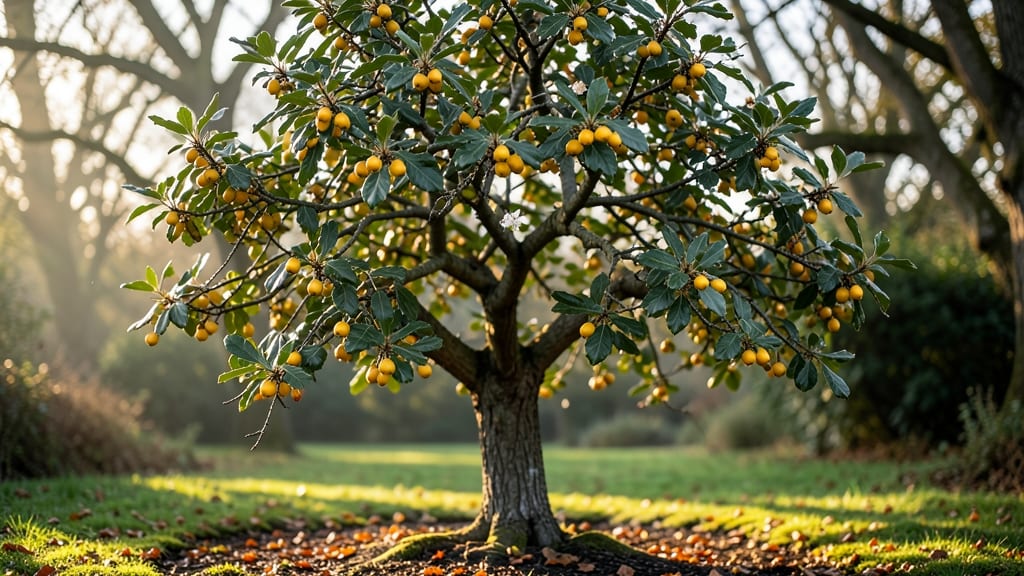
The small fruit tree with tiny yellow fruit maypop vine is nature's hidden treasure. 🌱 I've spent years tracking down this underrated vine—its bright blossoms and sweet, custard-like fruit taste like a cross between banana and pineapple, but most gardeners never even know it exists.
This vine thrives in partial shade and moist soil, making it perfect for woodland edges or container growing. Unlike fruit trees, maypop spreads quickly but stays manageable with pruning, producing fruit by year two if you plant it in zones 5-9.
By late summer, you'll be harvesting clusters of those little yellow fruits that burst open when ripe—revealing juicy, edible pulp inside. The flavor is so unique, neighbors will ask where you found it. Works in backyard gardens, containers, or even as a living trellis.
Here's how to grow yours from seed or transplant—and why it's worth the wait!
Behind Tiny Yellow Fruit Issues
Understanding why your maypop vine (Passiflora incarnata) produces small yellow fruit—rather than the plump, flavorful harvest you’re hoping for—starts with a few key factors. These issues often stem from environmental, biological, or cultural mismanagement. Let’s break down the real culprits and why they shrink your yield.
Small, underdeveloped yellow fruit often signals failed or incomplete pollination. Maypop vines rely on bees, butterflies, and hummingbirds to transfer pollen between flowers, but obstacles can disrupt this process.
- Why it happens:
- Lack of pollinators: If your garden lacks bees, butterflies, or hummingbirds (especially in early spring), pollen may not reach the stigma.
- Weather interference: Heavy rain, wind, or extreme heat can wash away pollen or deter pollinators.
- Isolation: If your vine is the only one in the area, cross-pollination becomes nearly impossible.
- Actionable fix:
- Hand-pollinate flowers using a small brush or cotton swab to transfer pollen from male to female parts (look for the three stigma "crown" in the center).
- Plant pollinator-friendly flowers nearby (e.g., coneflowers, bee balm, or salvia) to attract visitors.
- Avoid pesticides that harm beneficial insects—opt for organic or targeted sprays instead.
Maypop vines thrive in specific conditions, and deviations can stunt fruit development. Small yellow fruit may form but fail to mature due to:
- Why it happens:
- Inconsistent watering: Too little water causes bud drop, while overwatering leads to root rot and nutrient starvation.
- Extreme temperatures: Frost damage (below 20°F/-7°C) or heatwaves (above 90°F/32°C) can halt fruit swelling.
- Poor soil drainage: Waterlogged roots strangle growth, while sandy soil lacks moisture retention.
- Actionable fix:
- Water deeply 1–2 times per week (adjust for clay/sandy soil) and mulch to retain moisture.
- Choose a sheltered spot away from strong winds or late frosts—maypops need 6–8 hours of sun but hate cold drafts.
- Test soil pH (ideal: 6.0–7.0) and amend with compost if drainage is poor.
Yellowing leaves or stunted fruit often point to nutritional gaps. Maypop vines need balanced fertilization to support fruit growth.
- Why it happens:
- Nitrogen deficiency: Leads to small, pale leaves and poor fruit set (nitrogen fuels leafy growth, not fruit).
- Potassium or phosphorus shortage: Causes weak cell walls, resulting in tiny, underdeveloped fruit.
- Micronutrient lack (e.g., boron, calcium): Essential for fruit swelling and cell division.
- Actionable fix:
- Fertilize in early spring with a balanced 10-10-10 formula, then switch to a low-nitrogen, high-phosphorus (5-10-10) blend when flowers appear.
- Add compost or worm castings yearly to improve soil structure and micronutrient availability.
- Avoid over-fertilizing—too much nitrogen = leafy vines, no fruit.
Pests and pathogens sap energy from the vine, diverting resources away from fruit development.
- Why it happens:
- Aphids, spider mites, or scale insects suck sap, causing stunted growth and yellowing leaves.
- Fungal diseases (e.g., powdery mildew) clog stomata, reducing photosynthesis and fruit size.
- Root-knot nematodes damage roots, limiting water and nutrient uptake.
- Actionable fix:
- Inspect leaves daily for pests—spray with neem oil or insecticidal soap at the first sign.
- Prune infected branches immediately to prevent fungal spread; apply copper fungicide if needed.
- Rotate crops if growing maypops in containers to avoid soil-borne pests.
Improper pruning can reduce flowering or overcrowd the plant, leading to small fruit.
- Why it happens:
- Late pruning (after buds form) removes potential fruit-bearing wood.
- Over-pruning weakens the vine, leaving it with fewer energy reserves for fruit development.
- Not thinning suckers: Too many vines compete for nutrients, resulting in small, underripe fruit.
- Actionable fix:
- Prune in late winter/early spring before new growth starts—remove dead, crossing, or weak branches.
- Thin vines to 3–5 main stems to improve air circulation and sunlight penetration.
- Avoid heavy pruning after flowering—focus on shaping, not cutting back.
Young maypop vines (under 2–3 years old) often produce small, sparse fruit as they establish roots and canopies.
- Why it happens:
- Immaturity: The plant prioritizes root and leaf growth over fruit production.
- Dormant phases: Some vines skip fruiting in their first year or after extreme stress.
- Actionable fix:
- Be patient—full production typically occurs by year 3.
- Support vigorous growth in early years with balanced fertilization and pruning to encourage maturity.
- Harvest sparingly in early years to avoid overstressing the plant.
Revitalizing Your Maypop Vine
Reviving a maypop vine with small, underwhelming yellow fruit doesn’t have to be a mystery—it’s often a matter of addressing specific care gaps.
Below, we’ll tackle the most common issues with practical, step-by-step solutions and prevention tips to help your vine thrive and produce those sweet, juicy fruits you’re dreaming of.
If your maypop vine has small, yellow fruit, pollination issues are often the culprit. These vines rely on bees and other pollinators to develop plump, flavorful fruit.
How to Fix It:
🔥 Hand-Pollinate the Flowers
- On a warm, sunny morning (when bees are most active), gently shake the vine to dislodge pollen.
- Use a soft paintbrush to transfer pollen from one flower to another, mimicking how bees do it naturally.
🍳 Attract More Pollinators
- Plant bee-friendly flowers like lavender, sunflowers, or marigolds nearby to draw in pollinators.
- Avoid pesticides—even natural ones—during bloom season to keep bees safe.
👨🍳 Check for Environmental Barriers
- Ensure your vine isn’t isolated—place it near other flowering plants or in a garden with open spaces.
- If your yard lacks natural pollinators, consider buying local bee colonies or setting up a small bee hotel.
💡 Pro Tip: Maypop flowers open at night, so moths and bats may also help. If your area has few nocturnal pollinators, hand-pollination is key!
Small, yellow fruit can signal nutrient imbalances, particularly a lack of phosphorus or potassium, which are crucial for fruit development.
How to Fix It:
🔥 Test Your Soil
- Use a DIY soil test kit (available at garden centers) or send a sample to a local extension office for analysis.
- Maypop vines prefer slightly acidic to neutral soil (pH 6.0–7.0).
🍳 Amend the Soil
- For phosphorus deficiency: Mix in bone meal or rock phosphate (follow package rates).
- For potassium deficiency: Add wood ash, greensand, or a balanced 5-10-10 fertilizer in early spring.
👨🍳 Fertilize Correctly
- Apply a low-nitrogen, high-phosphorus fertilizer (like 10-20-10) once in early spring and again after flowering.
- Avoid over-fertilizing with nitrogen—this promotes leafy growth at the expense of fruit.
✨ Natural Boost: Compost or well-aged manure (like cow or chicken manure) improves soil structure and provides slow-release nutrients.
Too little or too much water can stunt fruit growth, leading to small, underdeveloped maypop fruit.
How to Fix It:
🔥 Establish a Consistent Watering Routine
- Water deeply 2–3 times per week (about 1–2 inches per week) during dry spells.
- Mulch heavily (3–4 inches of organic mulch like straw or wood chips) to retain moisture and regulate soil temperature.
🍳 Avoid Overwatering
- Maypop vines hate soggy roots. Ensure proper drainage—if your soil is clay-heavy, amend with sand or perlite.
- Yellowing leaves with drooping may signal overwatering. Let the top inch of soil dry out between waterings.
👨🍳 Adjust for Seasonal Needs
- Spring/Summer: Water more frequently (vines are actively growing).
- Fall/Winter: Reduce watering—maypop is semi-dormant and needs less moisture.
🌡️ Pro Tip: Water early in the morning to reduce evaporation and fungal risks.
Pests like aphids, spider mites, or fungal diseases can stress the vine, leading to poor fruit development.
How to Fix It:
🔥 Inspect Regularly
- Check undersides of leaves for pests (use a magnifying glass if needed).
- Look for yellow spots, mold, or sticky residue (signs of disease or sap-sucking insects).
🍳 Use Organic Pest Control
- Neem oil spray (mix 1 tbsp neem oil + 1 tsp mild soap + 1 quart water) to deter aphids and mites.
- Introduce beneficial insects like ladybugs or lacewings to eat pests naturally.
👨🍳 Improve Air Circulation
- Prune crowded or dead branches to allow sunlight and airflow.
- Space vines properly (maypop can spread aggressively—give it room to breathe).
🎯 Prevent Fungal Issues
- Remove fallen leaves/debris to reduce humidity around the base.
- Avoid overhead watering—water at the soil level instead.
Once you’ve addressed immediate issues, consistent care ensures your maypop vine keeps producing larger, sweeter fruit.
Key Maintenance Steps:
✅ Prune in Late Winter/Early Spring
- Remove dead, crossing, or weak branches to encourage strong growth.
- Thin out overly dense foliage to improve fruit exposure to sunlight.
✅ Monitor for Nutrient Needs Year-Round
- Fall fertilization with a potassium-rich formula (like 0-10-10) supports root health over winter.
✅ Protect from Harsh Conditions
- Young vines benefit from light shade in extreme heat.
- Mulch annually to maintain soil health and moisture.
By tackling these common issues with targeted fixes, your maypop vine should soon reward you with plump, juicy fruit instead of tiny yellow nubs. Happy growing! 🌟
Frequently asked questions
What are the key differences between maypop vine and passionfruit?
Maypop vine (Passiflora incarnata) produces small, yellow, custard-like fruit that bursts open when ripe, revealing edible pulp. Passionfruit (like Passiflora edulis) has hard, round, purple or yellow skins with jelly-like insides. Maypop grows as a vigorous vine in zones 5-9, while passionfruit thrives in tropical/subtropical climates (zones 9-11). Their flowers also differ—maypop has delicate white blooms, while passionfruit features intricate, colorful structures.
How do I know when maypop fruit is ripe and ready to harvest?
Harvest maypop fruit when the yellow skin turns a deep golden color and feels slightly soft when gently squeezed. The fruit should also release a sweet, tropical aroma. Wait until it naturally splits open—this indicates peak ripeness. If you harvest too early, the fruit will be hard and underripe; if too late, it may become mushy. Pick in late summer to early fall for the best flavor.
Can I grow maypop vine in containers, or does it need ground planting?
Yes! Maypop vine thrives in 15-gallon or larger containers with well-draining soil. Choose a pot with drainage holes and place it in partial shade (6-8 hours of sunlight). Use a trellis or sturdy support to guide its vigorous growth. Container-grown vines may produce slightly smaller fruit but are ideal for patios, balconies, or small gardens. Just ensure the container stays moist and fertilize regularly during growing season.
What are some creative ways to use maypop fruit beyond eating it fresh?
Maypop’s sweet, banana-pineapple flavor shines in homemade sorbets, jams, or syrups. Blend ripe fruit into smoothies or freeze it for popsicles. The pulp also makes a refreshing iced tea or lemonade infusion. For savory uses, pair it with chicken or fish dishes in tropical-inspired sauces. Dried maypop can be rehydrated for baking or teas—just remove seeds first!
Why does my maypop vine have flowers but no fruit?
Lack of fruit despite flowers often means poor pollination. Maypop relies on bees, butterflies, and hummingbirds—if pollinators are scarce, hand-pollinate with a soft brush. Other causes include nutrient deficiencies (especially phosphorus), overwatering, or young vines (under 2 years old). Check for pests or fungal issues too, as they can stress the plant. Try fertilizing with a low-nitrogen, high-phosphorus blend and ensure consistent moisture.