
Trees
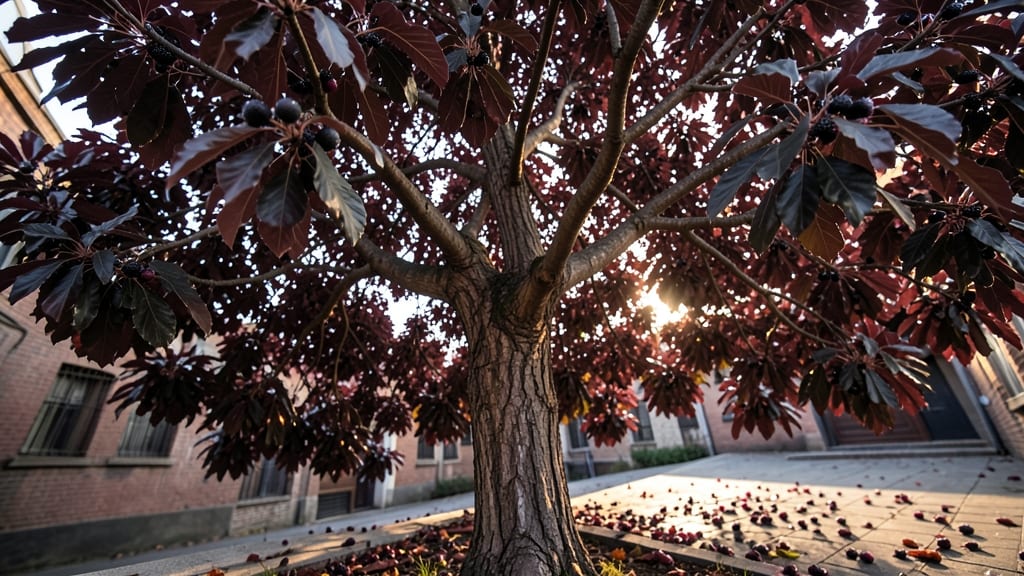
Small gardens don’t have to mean small harvests. These 10 fast-growing fruit trees thrive in USDA Zone 7A, delivering abundant yields with minimal space and care—ideal for urban homesteaders and backyard growers alike.
Dwarf Apple Trees for Containers
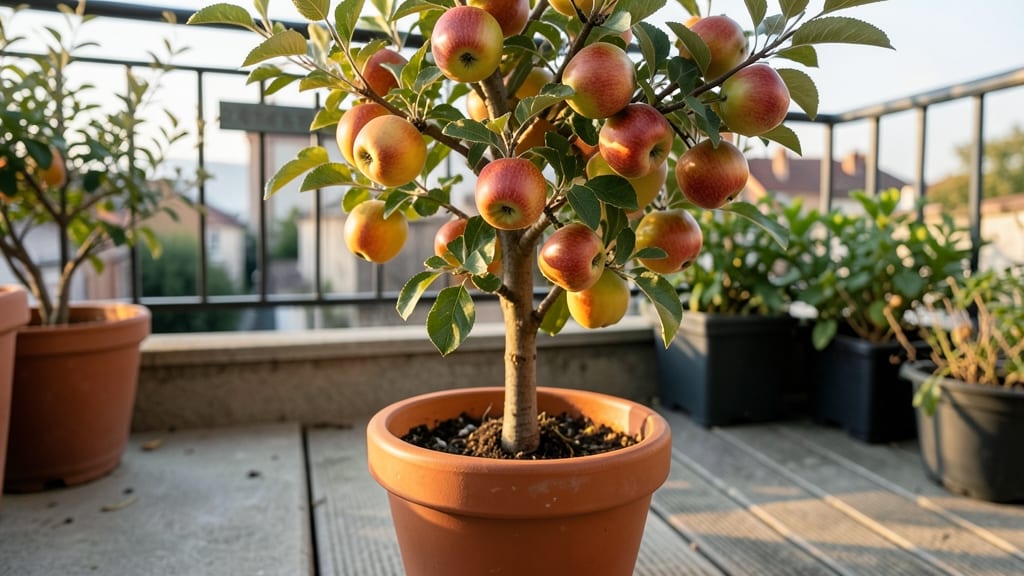
Imagine biting into a crisp, homegrown apple—without sacrificing your balcony or patio space. Dwarf apple trees like 'Columnar' or 'Patio' varieties thrive in 5-gallon pots, producing fruit in just 2-3 years while staying under 6 feet tall. These varieties are perfect for renters or urban gardeners who crave fresh fruit without the commitment of a full-sized orchard.
Choose cold-hardy varieties like 'Liberty' or 'GoldRush', which tolerate Zone 7A’s late frosts. Use well-draining potting mix with 50% compost to mimic orchard soil, and fertilize monthly during spring/summer with a balanced fruit tree fertilizer. Prune lightly after harvest to maintain shape, and move containers to full sun (6+ hours daily) for maximum fruit production.
This is the ideal first fruit tree for beginners—low-maintenance, space-efficient, and rewarding. 🌱
Peach Trees with Early Blooms
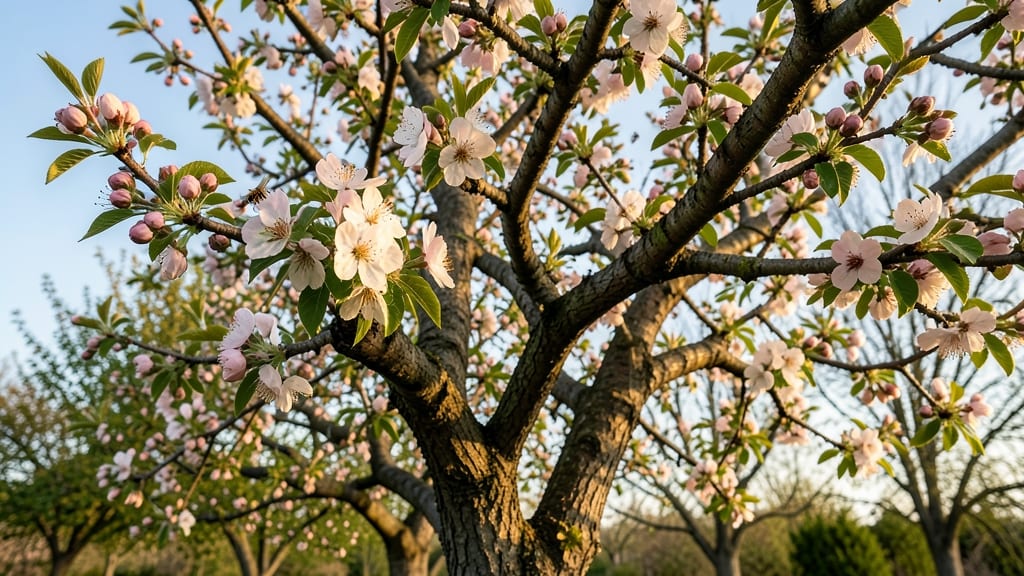
If you crave fresh fruit faster than most trees can deliver, peach trees are your speed—ready to bear ripe peaches in just two years. Their early spring blooms not only bring fragrant beauty but also lure bees and butterflies, turning your yard into a pollinator paradise while boosting curb appeal.
For Zone 7A, choose dwarf varieties like 'Bonanza' or 'Redhaven' to keep the tree manageable (10-15 feet tall). Plant in full sun with well-draining soil, and protect young blossoms from late frosts with a frost cloth. Prune in late winter to open the canopy for airflow, reducing disease risk. Harvest peaches when they easily detach from the tree and have a slight give when gently squeezed.
These trees are perfect for small yards or urban homesteaders who want fast rewards without sacrificing aesthetics. Just be prepared for hungry critters—birds and squirrels adore ripe peaches! 🌻
Fig Trees for Year-Round Fruit
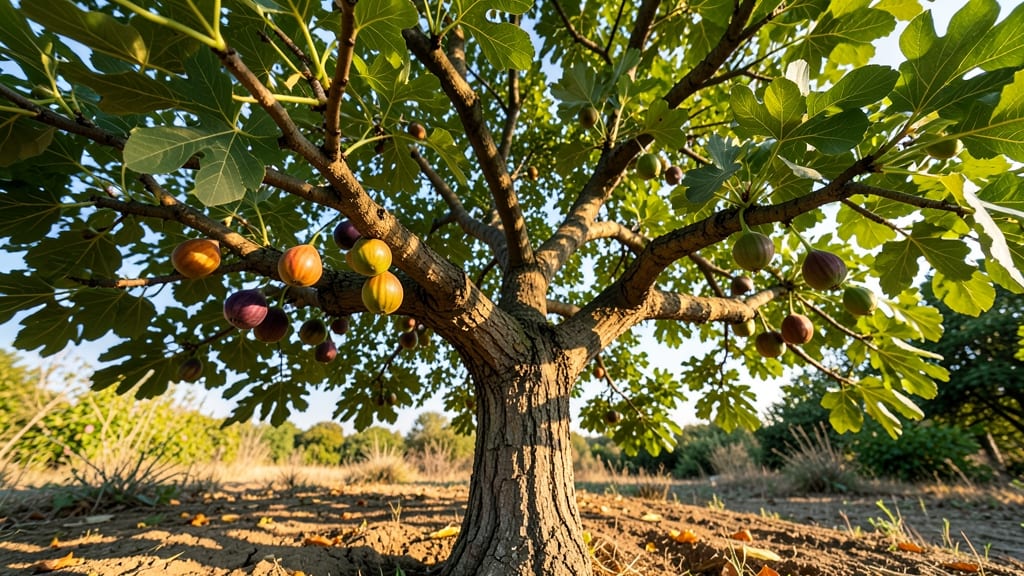
Tired of seasonal fruit harvests? Fig trees defy the norm by producing two crops annually—one in early summer and another in fall—with minimal effort. Their drought-tolerant nature makes them ideal for water-conscious gardeners in Zone 7A, thriving even in dry spells.
Choose cold-hardy varieties like Chicago Hardy or Brown Turkey for reliable yields. Plant in full sun with well-draining soil, and protect young trees from late frosts with row covers. Figs reward you with sweet, honey-like fruit that ripens directly on the tree—no picking required!
Perfect for Mediterranean-style patios or small orchards, fig trees add both beauty and bounty. 🌱
Blueberry Bushes with Super Productivity
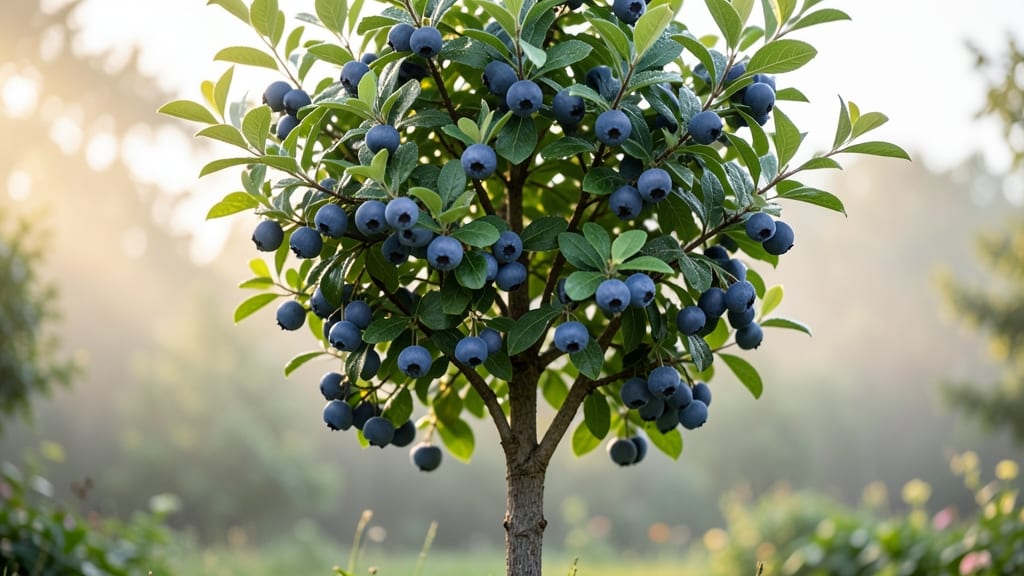
If you crave pounds of berries without the fuss of ladders or sprawling canopies, blueberry bushes are your secret weapon. Unlike traditional fruit trees, these shrubs grow upright like small trees—reaching 6-10 feet tall—while producing 1-2 gallons of berries per plant annually with almost no pruning.
They thrive in acidic soil (pH 4.5-5.5), making them perfect for gardeners with natural or amended acidic beds. Plant in full sun for maximum production, and harvest directly from the ground—no bending or climbing required. Varieties like Bluecrop or Duke are Zone 7A favorites, offering sweet, juicy berries from mid-summer to fall.
This low-maintenance powerhouse is ideal for small yards, raised beds, or even containers. Perfect for beginners or busy gardeners who want year-round productivity with minimal effort. 🌱
Cherry Trees with Dwarf Varieties
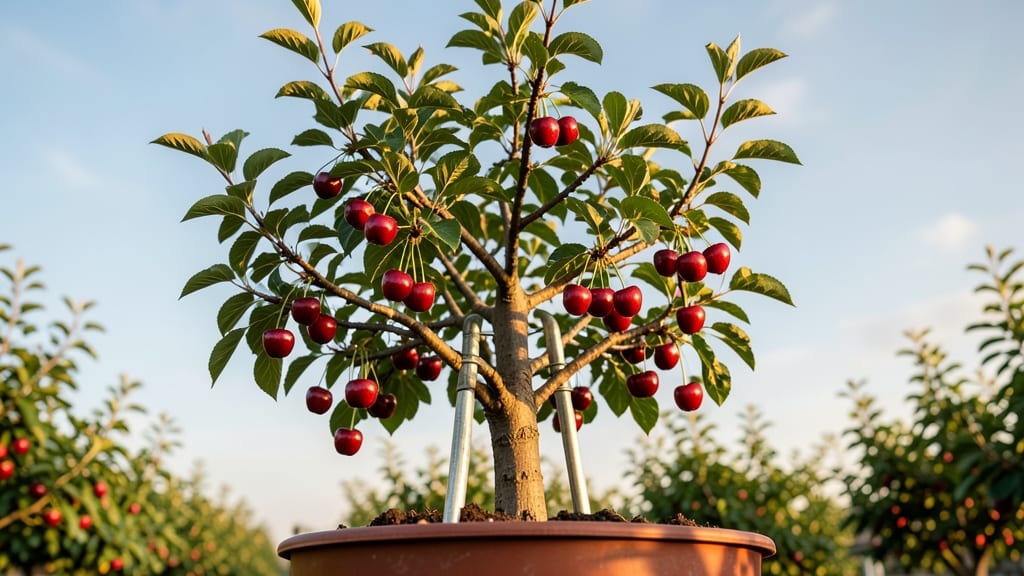
Imagine plucking your own sweet Bing cherries in just three years—without sacrificing your backyard to a towering tree. Dwarf cherry varieties like Stella or Compact Stella stay under 8 feet tall, making them ideal for small spaces, container orchards, or even patio planters with sturdy staking.
These cherries thrive in full sun (6+ hours daily) and well-draining soil, and their compact size means you can grow multiple varieties for cross-pollination. Prune lightly in late winter to maintain shape and encourage fruit production, and watch for late spring frosts—protect blossoms with frost cloth if needed. With proper care, you’ll enjoy pound after pound of juicy fruit each summer.
Perfect for urban gardeners, renters with balconies, or anyone craving a classic orchard experience without the space, these dwarf cherries prove big flavors don’t require big trees. 🌻
Pomegranate Trees for Drought Resistance
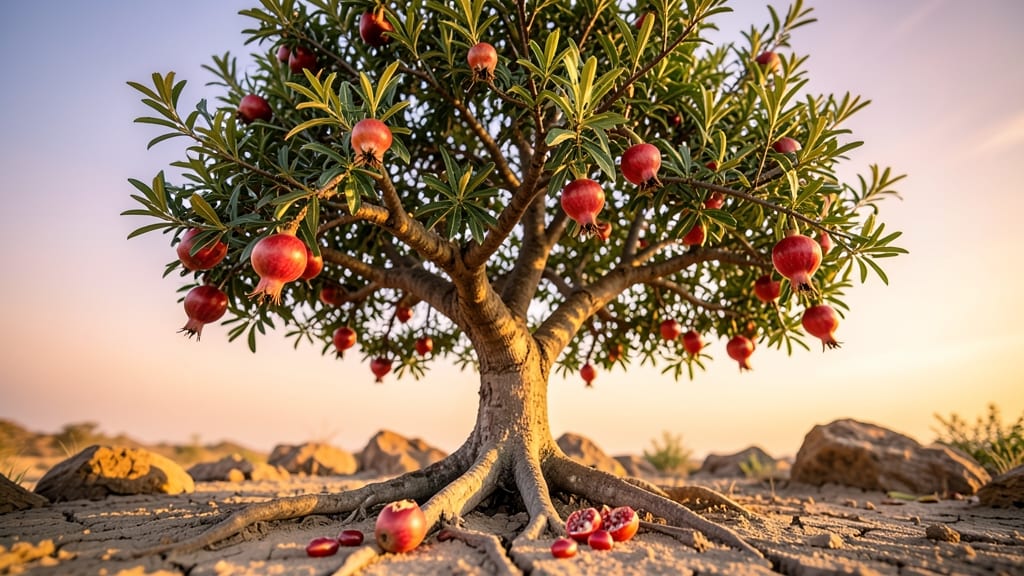
If you live in a Zone 7A area with hot summers and rocky or sandy soil, a pomegranate tree might be your secret weapon. Unlike many fruit trees, it thrives in drought-like conditions and even tolerates poor soil quality—making it perfect for low-maintenance gardeners or urban lots with limited space.
This hardy tree produces jewel-like fruit in just 3-4 years, and its striking red flowers bloom in late summer, adding ornamental value long before harvest. Plant it in full sun (6+ hours daily) and water deeply but infrequently—once established, it rarely needs irrigation. The fruit’s sweet-tart seeds are a nutrient-packed snack, and the tree’s glossy foliage adds texture to any landscape.
Ideal for dry climates, container gardens, or as a focal point, pomegranates offer both beauty and bounty with minimal fuss. 🌻
Plum Trees with Cold Hardy Roots
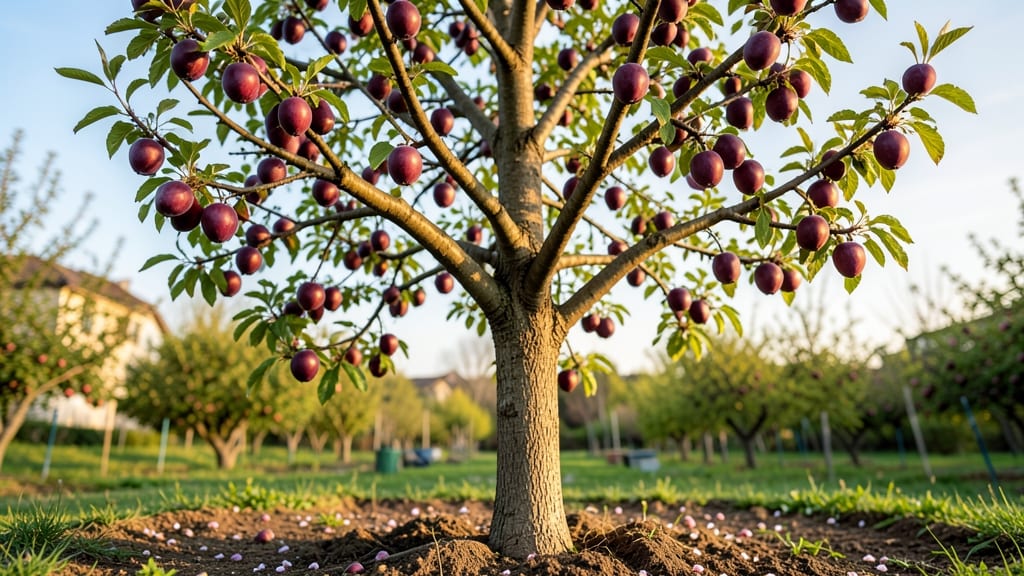
If you’re tired of fruit trees that demand constant attention or struggle with late frosts, plum trees are your reliable ally in Zone 7A. Unlike fussy varieties, these hardy trees survive the region’s unpredictable spring chills and reward you with juicy plums in just 2-3 years—no orchard experience required.
Choose disease-resistant varieties like Stanley or Methley, which produce sweet fruit while resisting common issues like brown rot or powdery mildew. Plant in full sun with well-drained soil, and prune lightly in late winter to encourage strong branches. Their compact size (10–15 feet) makes them perfect for small backyards or urban lots.
For beginners, plum trees offer a low-fuss harvest without sacrificing flavor or beauty. Their spring blooms and autumn fruit make them a year-round standout. 🌟
Persimmon Trees for Fall Color
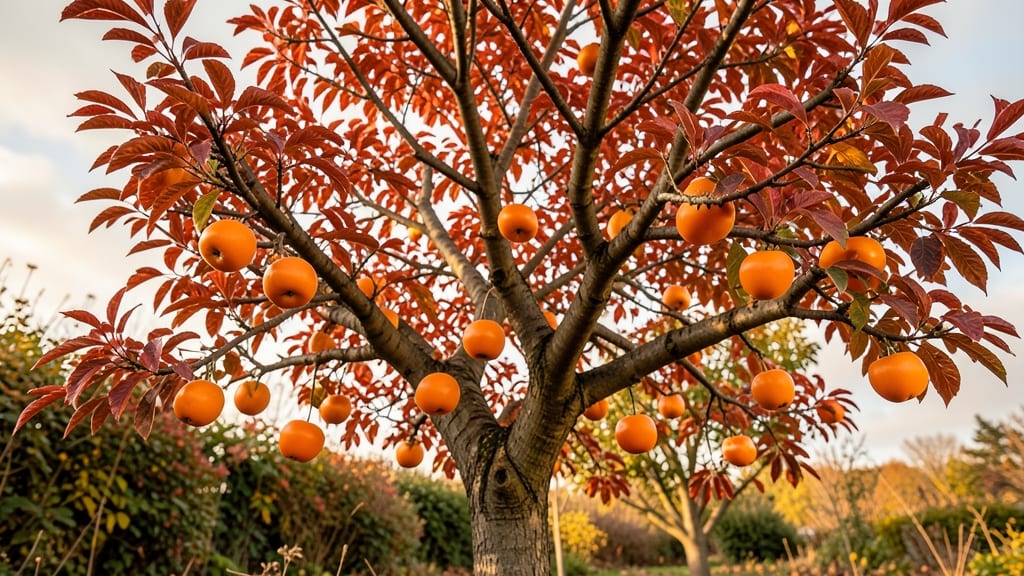
Want a tree that doubles as both a fruit producer and a fall spectacle? Persimmon trees deliver bright orange fruit with a honey-sweet flavor while transforming into a fiery red foliage display—perfect for small landscapes craving both beauty and harvest.
These fast-growing trees thrive in Zone 7A and mature quickly, producing fruit in just 3-4 years. Varieties like American persimmon (Diospyros virginiana) are cold-hardy and drought-tolerant, making them ideal for low-maintenance gardens. The fruit ripens in late fall, offering a seasonal treat that birds and humans alike will love.
Urban gardeners and small-space growers will appreciate how persimmons add year-round interest—spring blooms, summer foliage, and autumn color. Plus, the fruit’s natural astringency softens as it ripens, making it a unique (and delicious) harvest. 🌻
Kiwi Vines for Vertical Gardens
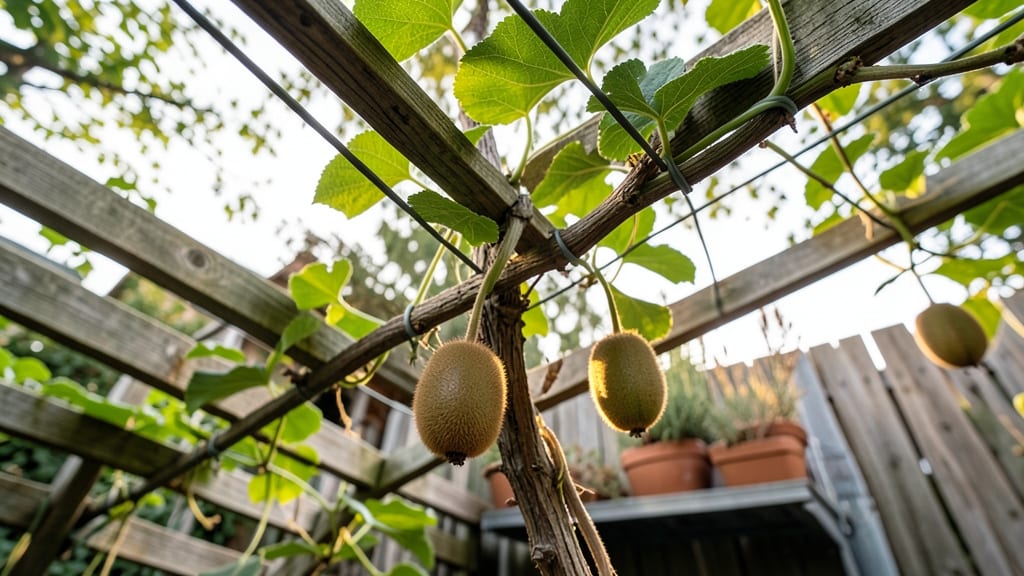
If you’ve ever dreamed of growing your own kiwi fruit but thought it required a sprawling orchard, think again. Hardy kiwi vines (like the Arctic Kiwi variety) can climb a trellis like a tree, producing sweet, fuzzy fruit in just two years—perfect for balconies, patios, or small yards in Zone 7A.
These vines thrive in full sun to partial shade and tolerate temperatures down to -15°F, making them one of the most resilient edible climbers. Train them on a sturdy trellis or fence, and they’ll grow 15–20 feet tall, yielding pounds of fruit annually. Prune in late winter to encourage airflow and fruit production, and watch your vertical garden transform into a year-round harvest machine.
This is the ideal solution for urban gardeners or anyone with limited space who wants fresh, homegrown kiwis without sacrificing yard room. 🌱
Mulberry Trees for Fast Shade

If you're craving instant shade and a double harvest—fruit and foliage—look no further than the mulberry tree. This powerhouse grows a staggering 6+ feet per year, outpacing most fruit trees while requiring almost no fuss. Perfect for urban lots where space is tight, it delivers privacy, shade, and edible berries in just a few seasons.
Mulberries thrive in full sun to partial shade and tolerate a range of soils, though they prefer well-draining conditions. Their minimal pest issues mean fewer sprays than other fruit trees, and the berries—whether black, red, or white—are a nutrient-packed treat for humans and birds alike. Prune lightly in late winter to shape the tree and encourage fruit production.
Urban gardeners and small-space homesteaders will love this all-in-one solution: shade for hot afternoons, a fast-growing privacy screen, and fresh fruit with almost no effort. 🌱