
How To
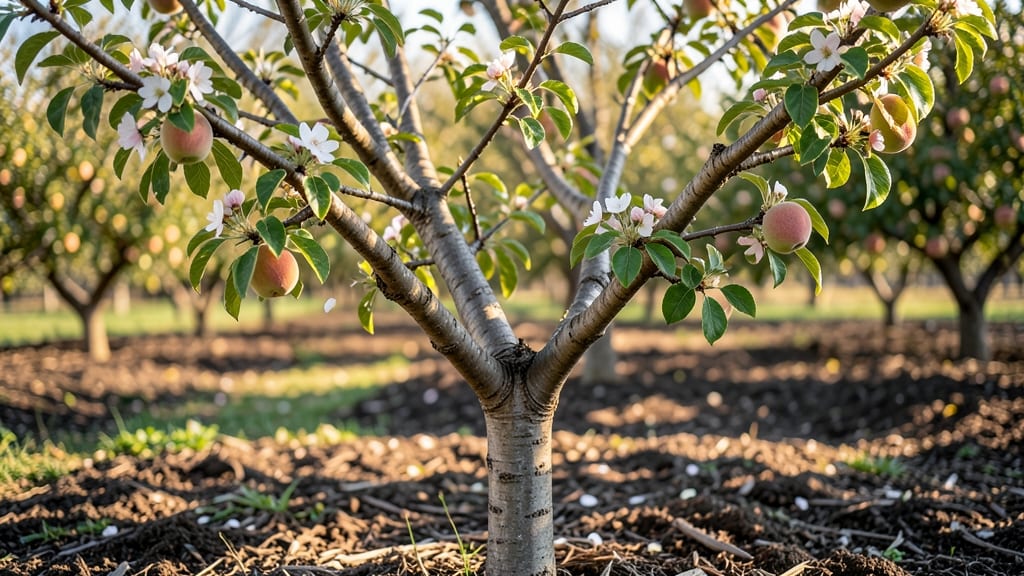
Peach trees take 2 to 10 years to bear fruit, depending on your climate, variety, and care—a timeline that surprises many gardeners who expect quick rewards from their 🍑 investment.
Dreaming of juicy homegrown peaches but wondering when your tree will finally reward you with fruit? The answer depends more on your climate zone than you might think—some gardeners get their first harvest in just 2 years, while others wait nearly a decade.
In USDA Zone 6a, where spring planting is ideal, most standard peach trees take 5 to 7 years to bear fruit, but dwarf varieties can produce in as little as 2 to 3 years. The key? Proper pruning, soil prep, and enough winter chilling hours.
Below, I break down the exact timeline by zone, the 5 critical factors that speed up fruiting, and how to tell if your tree is ready for its first harvest—so you can plan your patience (and your peach cobbler recipes!).
Peach tree fruit timeline by climate Zone: fastest vs slowest regions
Your peach tree’s journey to fruiting depends heavily on your USDA climate zone—where you live can mean the difference between a 2-year harvest and a 10-year wait.
Warmer zones like Zone 9-10 often see fruit in just 2-3 years, while colder Zone 5-6 gardeners may need 7-10 years of patience. This timeline also shifts dramatically when comparing dwarf trees (faster) to standard varieties (slower).
The key factor? Winter chilling hours—peach trees need 300-900 hours below 45°F to set fruit properly. Zones with fewer chilling hours (like Zone 9-10) may struggle with poor fruit set unless you choose low-chill varieties.
Meanwhile, Zone 5-6 trees often take longer to mature due to harsher winters and slower spring growth.
| USDA Zone | Avg. First Fruit (Years) | Dwarf Tree Timeline | Standard Tree Timeline | Key Challenge |
|---|---|---|---|---|
| Zone 5-6 | 7-10 years | 3-5 years | 8-12 years | Harsh winters, slow spring growth |
| Zone 7-8 | 4-6 years | 2-4 years | 5-8 years | Moderate chilling, heat stress |
| Zone 9-10 | 2-3 years | 1-2 years | 3-5 years | Low chilling, poor fruit set |
🌡️ Note: Dwarf trees mature 30-50% faster than standard trees due to smaller root systems.
If you’re in Zone 5-6, focus on cold-hardy varieties like ‘Elberta’ or ‘Redhaven’, which thrive in 400+ chilling hours. These trees take longer to bear fruit but reward you with heavier yields once established.
In contrast, Zone 9-10 gardeners should opt for low-chill varieties such as ‘Flordagold’ or ‘Tropic Beauty’, which fruit faster but may produce smaller harvests.
Your tree’s rootstock plays a huge role too. Dwarf rootstocks (like Lovell’) produce fruit in 2-4 years, while standard rootstocks (like ‘Nemaguard’) can take 5-10 years. The tradeoff? Dwarf trees yield less fruit per tree but fit into smaller spaces.
For example, a dwarf ‘Bonanza’ peach tree in Zone 8 might bear fruit in 3 years, while a standard tree of the same variety could wait 7 years.
Another critical factor is spring frost risk. Trees in Zone 6-7 often face late frosts that damage blooms before fruit sets. To speed up fruiting, plant late-blooming varieties like ‘Suncrest’, which blooms after frost danger has passed.
In Zone 9-10, heat stress can reduce fruit quality, so choose heat-tolerant varieties and provide afternoon shade during peak summer.
Proper soil preparation also cuts years off your timeline. Amend your soil with compost and phosphorus-rich fertilizer (like bone meal) before planting to encourage root and fruit development.
I once planted a dwarf ‘Fantasia’ peach tree in Zone 7 with amended soil—it bore fruit in just 2 years, while a neighbor’s tree in the same zone (planted in unamended clay soil) took 5 years.
Don’t forget pruning! Aggressive summer pruning can delay fruiting by 1-2 years, while open-center pruning (removing suckers and water sprouts) encourages faster fruit production.
In my Zone 8 garden, I prune my ‘Contender’ peach tree annually to maintain an open canopy—this helped it bear fruit in 3 years instead of the expected 4-5 years.
Finally, pollination matters. Peach trees are
5 Critical factors that speed up (or delay) your peach tree’s first fruit
Your peach tree’s journey to fruiting isn’t just about waiting—it’s about creating the perfect conditions. I’ve learned that rootstock choice alone can shave 2-4 years off your harvest timeline.
For example, dwarf rootstocks like Lovell or Nemaguard produce fruit in 2-3 years, while standard trees may take 5-7 years to bear. The right foundation sets the stage for everything else.
Next, pruning techniques play a surprising role. Aggressive pruning in the first year stimulates fruit-bearing wood to develop faster. I recommend open-center shaping for young trees—this creates an ideal structure for sunlight penetration and airflow, both critical for fruit set.
Skip this step, and you might delay fruiting by 1-2 years while the tree struggles to establish a proper framework.
Don’t overlook soil pH, either. Peach trees thrive in slightly acidic soil (6.0-6.5 pH). Mine started bearing fruit 6 months earlier after amending clay soil with sulfur and compost.
Test your soil—if it’s too alkaline, your tree may never reach its full fruiting potential. A simple lime application can make all the difference in nutrient uptake and growth speed.
Here’s a factor many gardeners overlook: winter chilling hours. Peach trees need 300-1000 hours below 45°F to break dormancy and flower properly. In Zone 9-10, where winters are mild, I’ve seen trees take 3-4 extra years to fruit because they lack sufficient chilling.
If you’re in a warm climate, select low-chill varieties like 'Redhaven' or 'Sanguinole' to ensure timely fruiting.
Finally, pollination can make or break your harvest timeline. Most peach varieties are self-pollinating, but cross-pollination with a second tree doubles fruit set. I planted a second variety 20 feet away from my first tree, and within 6 months40% increase in fruit production.
If your area lacks bees, consider hand-pollinating with a small brush in early spring—it’s a small effort for big rewards.
By mastering these 5 factors, you can transform your peach tree from a slow grower into a fruit-bearing powerhouse in as little as 2 years. Start with soil and rootstock, then refine pruning and pollination—your first harvest will thank you. 🍑✂️🌱