
Shrubs
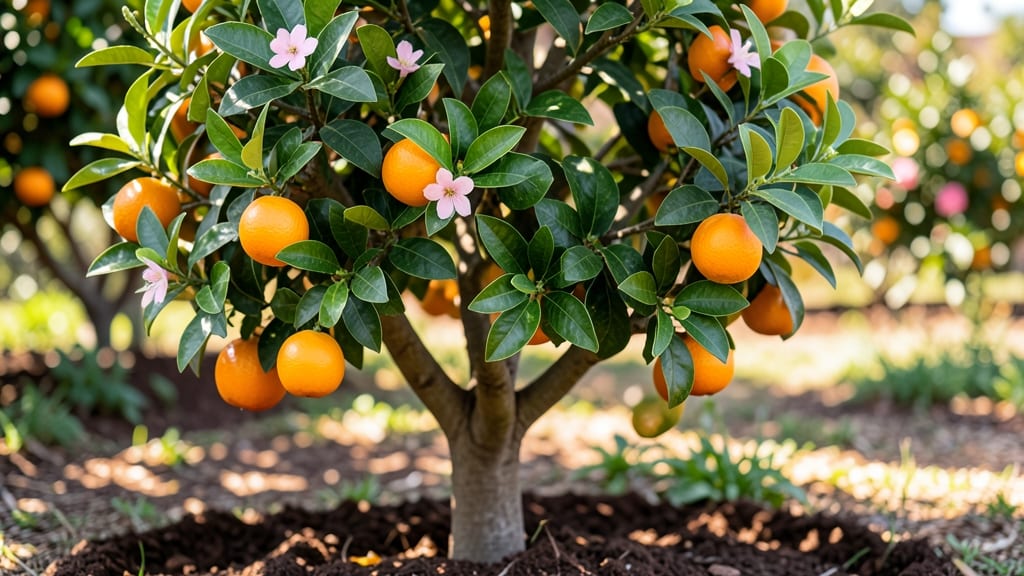
Growing small orange gooseberries like 'Orange Wonder' brings a burst of sunshine to any garden. 🌟 These compact shrubs produce vibrant, tangy-sweet fruits perfect for containers or tight spaces, and they're far easier to grow than you'd think.
The key is choosing the right variety—'Orange Wonder' stays under 4 feet tall, thrives in partial shade, and produces fruit in just 2-3 years. Unlike green gooseberries, these orange hybrids have a sweeter, more complex flavor that's great fresh or in jams.
You'll harvest glossy orange berries in late summer, each about the size of a grape. The plants handle pruning like a champ, and with proper spacing (3-4 feet apart), they won't crowd your garden. Perfect for small yards, balconies, or even large pots. Let's get those orange beauties growing!
📚 In This Guide
- What you need
- Instructions
- Tips and common mistakes
- Wrapping up and next steps
What you need
- ● Gooseberry plants (compact/orange varieties): 1–3 bare-root or potted plants (e.g., 'Pixwell,' 'Hinnonmäki Orange,' or 'Invicta'—check local nurseries or online seed suppliers).
- ● Container or garden plot: For containers: 1–2 large pots (18–24" diameter) with drainage holes, or fabric grow bags (10–12 gallons each).
- ● For in-ground: A sunny spot with well-draining soil (6' x 6' minimum for 1 plant).
- ● High-quality potting mix: 5–10 gallons of well-draining mix (e.g., 60% compost, 30% perlite/pumice, 10% sand). Avoid heavy clay soil.
- ● Fertilizer: Balanced organic fertilizer (10-10-10 or 5-5-5) or composted manure (1 cup per plant at planting).
- ● Mulch: 2–3 inches of straw, wood chips, or shredded leaves to retain moisture and suppress weeds.
- ● Basic gardening tools: Trowel, pruners (sterilized!), and gloves.
- ● Watering can or hose with a gentle spray nozzle.
- ○ Support (optional): 1–2 small trellises or stakes (for varieties that sprawl, like 'Pixwell').
- ● Pruning shears (sharp & clean): For shaping plants in early spring.
- ○ Fungicide (optional): Copper-based spray to prevent powdery mildew (common in humid climates).
- ○ Drip irrigation kit (optional): For consistent moisture in containers.
Step-by-step guide to growing compact orange gooseberries
Here's how to cultivate those vibrant, tangy orange fruits in tight spaces—no yard required!
🌱 Step 1: Select the Right Variety and Planting Site
Choose a compact, self-fertile orange gooseberry variety like 'Invicta' or 'Hinnonmaki Orange'—these stay under 4 feet tall and thrive in containers. Orange gooseberries need full sun (at least 6-8 hours daily) but tolerate partial shade better than green varieties. If growing in containers, position them where they'll get morning sun and afternoon shade in hot climates.
Test your soil's drainage—gooseberries despise soggy roots. Amend heavy soil with compost or plant in well-draining potting mix if container-growing. A slightly acidic to neutral pH (6.0-7.0) works best. I always do a quick finger test: press soil—if it stays clumped, add sand or perlite to loosen it.
🪴 Step 2: Plant Bare-Root or Potted Plants Correctly
For bare-root plants, soak roots in lukewarm water for 1 hour before planting to revive them. Dig a hole twice as wide as the root ball but only as deep—the crown (where roots meet stem) should sit 1 inch above soil level. If planting in containers, use a 5-gallon pot minimum with drainage holes.
Backfill with native soil mixed with compost (I use a 50/50 ratio). Gently firm soil around roots but avoid compacting—you want air pockets for new roots to explore. Water deeply until moisture reaches 6 inches down, then let it drain completely. Mulch with 2-3 inches of straw to retain moisture and suppress weeds.
☀️ Step 3: Prune and Train for Compact Growth
Prune in early spring before buds swell to shape the plant. Remove dead, crossing, or inward-growing branches first. Then cut back last year's growth by one-third to encourage bushier growth. Orange gooseberries fruit on new wood, so don't over-prune—leave at least 3-4 strong canes for production.
For container plants, tie vigorous shoots to a small trellis (3-4 feet tall) to save space. This also improves air circulation, reducing fungal diseases. Watch for suckers (shoots at the base)—remove them immediately. You'll see new growth within 2-3 weeks if pruned correctly.
💧 Step 4: Water and Fertilize for Optimal Fruit Production
Water deeply once a week (more in extreme heat) to encourage deep root growth. Let the top 2 inches of soil dry out between waterings—gooseberries hate wet feet. In containers, check soil moisture daily in summer; pots dry out faster. I use a moisture meter for accuracy, but a finger test works too.
Fertilize in early spring with a balanced 10-10-10 formula (follow package rates). Switch to a low-nitrogen, high-phosphorus fertilizer (like 5-10-10) when flowers appear. Avoid high-nitrogen fertilizers now—you'll get leafy growth but fewer fruits. Harvest when fruits turn fully orange and plump, usually late summer to early fall.
✂️ Step 5: Harvest and Overwinter for Next Year
Pick fruits when they're bright orange and slightly soft to touch—they won't ripen further off the bush. Use pruning shears to avoid damaging stems. Store in the fridge for up to 2 weeks or freeze for longer storage. I always leave a few unharvested fruits on the bush to dry—birds love them in winter!
In fall, cut back dead or damaged canes and mulch heavily (4-6 inches) around the base. For container plants, move to a protected spot (like a garage with ventilation) if temps drop below 10°F. Orange gooseberries are hardy to Zone 3, but young plants benefit from winter protection. Prune lightly in late winter to remove any dead wood before new growth starts.
Tips & tricks for perfect compact orange gooseberry growth
Don't let limited space stop you from growing these vibrant, sun-kissed fruits—these tricks will help you maximize your harvest in tight quarters.
Sunlight Strategy: Those 6-8 hours of full sun are non-negotiable for vibrant orange fruits, but here's the thing: morning sun and afternoon shade works better in hot climates. Position your containers where they'll catch the gentle morning rays first, then move them to partial shade after 11 AM. I've seen plants in full sun all day turn bitter—this simple adjustment keeps the sweet-tart balance perfect.
Root Revival Hack: That 1-hour soak for bare-root plants isn't just about hydration—it's about waking up dormant roots. Use lukewarm water (not hot) and add a splash of seaweed fertilizer to the water. The roots will look plump and active when ready to plant, which means faster establishment in your soil. I've planted without this step and watched my plants struggle for weeks to catch up.
Pruning Precision: When you cut back last year's growth by one-third in Step 3, aim for clean cuts just above outward-facing buds. These buds will become your fruit-producing canes next season. I always make my cuts at a 45-degree angle to prevent water from pooling on the wound—this simple technique reduces disease risk dramatically. And remember, those 3-4 strong canes you leave are your fruit factories!
Container Care: For potted plants, upgrade to a 7-10 gallon container if possible—roots outgrow 5-gallon pots faster than you'd think. Elevate containers slightly to improve drainage, and consider adding a layer of gravel at the bottom before your potting mix. This prevents root rot in those soggy soil situations we all dread. In summer, I move my containers to a dappled shade spot during peak heat to prevent stress.
Pro Tips for Gooseberry Small Orange Fruit
- Don't let limited space stop you from growing these vibrant, sun-kissed fruits—these tricks will help you maximize your harvest in tight quarters.
- Sunlight Strategy: Those 6-8 hours of full sun are non-negotiable for vibrant orange fruits, but here's the thing: morning sun and afternoon shade works better in hot climates.
- Root Revival Hack: That 1-hour soak for bare-root plants isn't just about hydration—it's about waking up dormant roots.
Frequently asked questions
Got questions about growing or enjoying gooseberry small orange fruit varieties?
You’re not alone! Here are answers to the most common queries to help you cultivate these vibrant, space-saving shrubs with confidence.
What’s the best time to plant gooseberry small orange fruit varieties?
Plant your gooseberries in early spring or early fall when soil temperatures are cool (50–60°F). This gives roots time to establish before summer heat or winter frost. Avoid transplanting during extreme temperatures—your shrubs will thank you with healthier growth and earlier fruit!
Are orange gooseberries sweeter than green ones?
Yes! Orange gooseberries (like ‘Invicta’ or ‘Hinnonmäki Red’) tend to be sweeter and more aromatic than their green counterparts, with a honeyed, tangy flavor. They’re also richer in antioxidants. Try them fresh, in jams, or baked into desserts for a unique twist!
Can I grow orange gooseberries in containers successfully?
Compact varieties like ‘Pixwell’ thrive in 5-gallon containers with well-draining soil and full sun. Use a dwarfing rootstock if space is tight, and prune regularly to encourage bushier growth. Just ensure your pot has drainage holes—gooseberries hate soggy roots!
What pests or diseases should I watch for with small orange gooseberries?
Keep an eye out for gooseberry sawfly larvae (they skeletonize leaves) and powdery mildew (white fungal spots). To prevent issues:
- Space plants for airflow.
- Prune for sunlight penetration.
- Spray neem oil or copper fungicide preventively in spring.
How do I know when orange gooseberries are ripe for picking?
Ripe gooseberries are fully colored (deep orange), slightly soft to the touch, and easy to pluck. They should detach cleanly from the stem. Harvest in mornings when flavors are at their peak. Unripe fruit won’t sweeten off the bush—wait for the perfect moment!
Wrapping up and next steps
Growing your own gooseberry small orange fruit is a rewarding adventure—whether you’re working with limited space or simply love the idea of fresh, tangy-sweet treats right at your fingertips! 🌱 From selecting compact varieties like ‘Pixwell’ or ‘Invicta’ to mastering container gardening, you now have all the tools to succeed.
With a little patience and care, you’ll soon be harvesting vibrant, flavorful berries that outshine store-bought options.
Ready to take the next step? Start small! Plant your gooseberry bush this season and watch it thrive—before you know it, you’ll be sharing homemade jams, pies, or fresh snacks with friends. Happy gardening! 🍓✨