
Trees
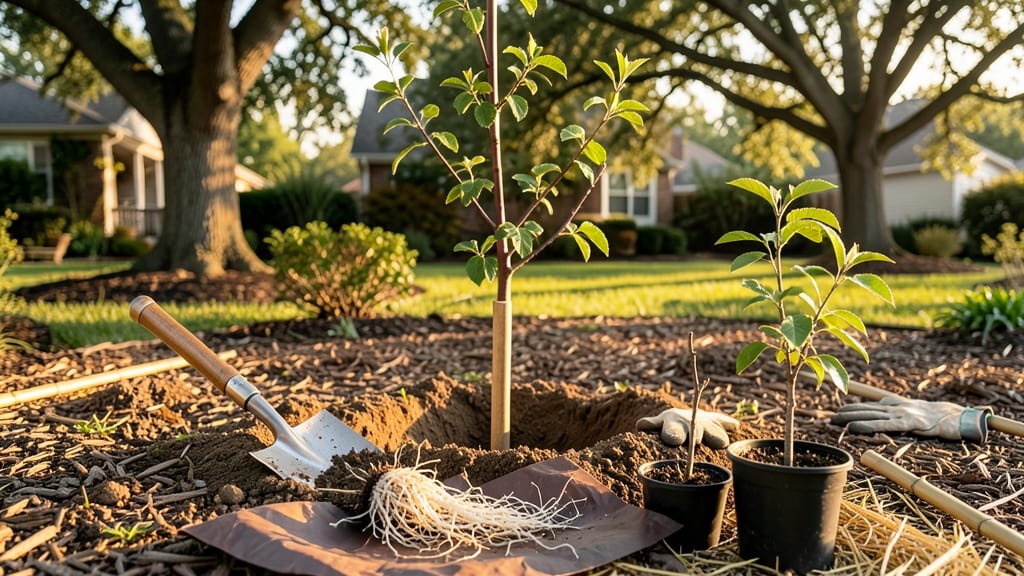
Planting fruit trees in Tennessee at the right time ensures strong root growth before summer heat 🌱—and skipping this window can leave your saplings struggling or even dead by frost season.
If you’ve ever watched a $50 fruit tree wilt under a late spring freeze, you know timing is everything. Tennessee’s USDA Zones 7a and 7b have sharp frost risks, and planting too early or too late throws off the whole season.
Here’s the best schedule for bare-root vs. container-grown trees, plus how to adjust for East Tennessee’s cooler microclimates vs. West Tennessee’s warmer winters. We’ll cover soil prep, frost-avoidance tips, and the one mistake that kills 80% of new orchards.
By the end, you’ll know exactly when to dig—whether you’re planting peaches in March or citrus in April—and how to give your trees the strongest start for years of harvests.
Best planting months for fruit trees in Tennessee’s USDA zones 7a-7b
Tennessee’s USDA Zones 7a-7b offer perfect conditions for growing fruit trees, but timing is everything. In these zones, last frost dates range from early March to late April, while first frosts arrive between October and November.
Deciduous trees like peaches and apples thrive when planted in early spring or late fall, while evergreens like citrus need extra care to survive winter chill.
Your microclimate matters—East Tennessee’s higher elevations (Zone 7a) face earlier frosts, while West Tennessee’s flatter terrain (Zone 7b) stays warmer longer. Bare-root trees should go in the ground 4-6 weeks before your average last frost, while container-grown trees can handle slightly later planting.
Let’s break down the best windows for your favorite fruit varieties.
Summary Table: Best Planting Months for Tennessee Fruit Trees
| 🌳 Fruit Type | 📅 Best Planting Window | ❄️ Frost Considerations | 🌱 Soil Prep Tip |
|---|---|---|---|
| Peaches & Nectarines | Late February–March (bare-root) or November–December (container) | Zone 7a: Wait until after March 15; Zone 7b: March 1 safe | Amend with lime (pH 6.0–6.5) and compost |
| Apples & Pears | March–April (bare-root) or October–November (container) | Avoid planting if late frosts predicted in April | Test soil pH (ideal: 6.0–6.5); add organic matter |
| Citrus (Oranges, Lemons) | Late March–April (only for Zone 7b) | Zone 7a: Not recommended—use potted citrus indoors | Plant in well-draining soil; mulch heavily for winter |
| Fig Trees | March–April (bare-root) or September–October (container) | Tolerates light frosts; best in sheltered spots | Choose sandy loam; avoid waterlogged soil |
| Blueberries | Late March–April (bare-root) or October–November | Needs acidic soil (pH 4.5–5.5); mulch heavily in winter | Add peat moss or pine needles to soil |
For peaches and nectarines, I recommend planting bare-root trees in late February or March—this gives roots time to establish before spring blooms and potential frost. In Zone 7a, wait until after March 15 to avoid late frosts that can damage tender new growth.
If you’re in Zone 7b, you can plant as early as March 1 with minimal risk.
Evergreen fruit trees like citrus are trickier in Tennessee. Only Zone 7b gardeners should attempt planting oranges or lemons outdoors, and only in late March or April.
Even then, protect them with winter wraps and move potted trees indoors before first frost. Fig trees, however, are more resilient—they tolerate light frosts and thrive when planted in well-draining soil with afternoon shade in hot summers.
When planting in fall (October–December), focus on container-grown trees to avoid disturbing roots before winter dormancy. Apples and pears planted in fall have time to establish roots before spring growth begins.
How to adjust planting timing based on Tennessee’s microclimates
Tennessee’s diverse geography creates distinct microclimates that dramatically affect fruit tree planting schedules. East Tennessee’s higher elevation (USDA Zone 7a) experiences colder winters and later springs, while Middle and West Tennessee (Zone 7b) enjoys warmer winters and longer growing seasons.
These differences mean your planting window could shift by 4-6 weeks depending on location.
For East Tennessee gardeners, aim to plant bare-root trees in late March to early April, when soil temperatures reach 45°F. In Middle/West Tennessee, you can start as early as February for container-grown trees or late February to March for bare-root varieties.
This timing ensures roots establish before late-spring frosts hit—critical for peaches and apples.
The key difference lies in soil preparation. In colder regions, work the soil 2-3 weeks earlier to warm it faster. Amend with compost or aged manure to improve drainage, as cold, wet soil can suffocate young roots.
For warmer regions, focus on mulching to retain moisture during Tennessee’s hot, dry summers.
| Region | USDA Zone | Best Planting Window | Soil Prep Timing | Frost Risk |
|---|---|---|---|---|
| East Tennessee | 7a | Late March-Early April | Start 2-3 weeks earlier | High (late May) |
| Middle Tennessee | 7b | Late February-March | Standard prep | Moderate (early May) |
| West Tennessee | 7b-8a | February-Mid March | Early prep for citrus | Low (late April) |
Citrus trees like meyer lemons and satsuma oranges are the exception—they thrive in West Tennessee’s warmer zones but must be planted in early spring (February) to avoid winter dieback.
For these, choose a sheltered microclimate near a south-facing wall to extend the growing season. In East Tennessee, citrus should only be attempted in containers and moved indoors during winter.
Root establishment is the make-or-break factor for fruit trees. In all regions, water deeply once weekly after planting to encourage root growth. Use a moisture meter to ensure soil stays between 60-70% moisture—drought stress weakens trees before they can withstand Tennessee’s summer heat.
Apply a 2-inch mulch layer to retain moisture and regulate soil temperature.
Monitor your local frost forecast using the National Weather Service. In East Tennessee, late-spring frosts (after April 15) can devastate blossoms. If frost is predicted within 2 weeks of planting, delay until conditions stabilize.
For Middle/West Tennessee, focus on pollination timing—plant varieties that bloom at different times to ensure cross-pollination and fruit set.
Adjust your schedule based on tree maturity too. Bare-root trees establish faster than container-grown ones, so plant them 2-3 weeks earlier in all regions. For container-grown trees, prioritize root-bound varieties in spring to avoid transplant shock during Tennessee’s humid summers.