
Trees
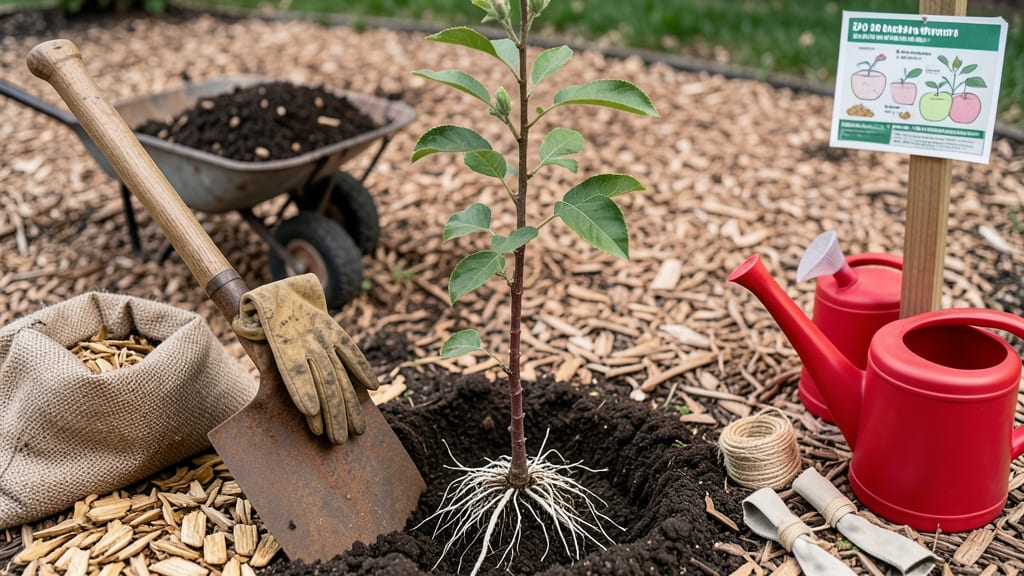
Planting fruit trees 🍎 in Indiana between mid-March and early April gives them the best shot at strong roots before summer heat arrives.
Indiana’s unpredictable spring weather can make or break your fruit tree’s first year—planting at the wrong time risks stunted growth or even death. Timing is everything, and knowing the exact window for your hardiness zone could mean the difference between a thriving orchard and wasted effort.
Most Indiana gardeners in zones 5b-6b should aim for early spring, when soil temperatures hit 50-60°F and frost danger has passed. Bare-root trees planted in late winter (February) can also thrive, but container-grown varieties offer more flexibility if you miss the ideal window.
In this guide, you’ll learn how to read your local frost dates, prepare soil for maximum root growth, and choose between spring vs. fall planting—plus the one mistake that kills young fruit trees faster than anything else.
Indiana’s planting zones and best months for fruit trees
Indiana spans USDA Hardiness Zones 5b through 6b, meaning our state experiences cold winters and variable springs. These zones determine which fruit tree varieties thrive and when you should plant them to avoid frost damage or poor root establishment.
For example, northern Indiana (Zone 5b) has a later last-frost date than southern Indiana (Zone 6b), which can shift your planting window by weeks.
Most Indiana gardeners plant fruit trees in early spring (March-April) or late fall (October-November).
Spring planting gives trees time to establish roots before summer heat, while fall planting allows roots to grow in cool soil before winter dormancy. Stone fruits like peaches and cherries prefer slightly warmer microclimates, while apples and pears tolerate cooler zones better.
To verify your exact zone, check the USDA Plant Hardiness Zone Map or use local climate data from the Indiana State Climate Office. Even within zones, microclimates matter—urban areas may be 1-2°F warmer than rural spots, affecting planting timing.
| Zone | Last Frost Date | Best Planting Window | Ideal Varieties | Soil Temp Threshold |
|---|---|---|---|---|
| 5b (Northern IN) | April 20-May 5 | Late April-May | Apples, Pears, Tart Cherries | 50-55°F |
| 6a (Central IN) | April 10-20 | March 20-April 15 | Apples, Peaches, Plums | 55-60°F |
| 6b (Southern IN) | March 25-April 10 | February 20-March 15 | Peaches, Nectarines, Sweet Cherries | 60-65°F |
For bare-root trees, the best time is late winter to early spring (February-April) before buds swell. This gives roots time to establish before summer stress. Container-grown trees, however, can be planted year-round but still benefit from dormant-season planting (fall or late winter).
Southern Indiana’s Zone 6b gardeners can sometimes plant as early as late February for peaches and nectarines, while northern Zone 5b areas should wait until late April to avoid frost damage. Dwarf varieties establish faster and tolerate cooler soils better, making them ideal for northern Indiana.
Always check local frost dates from the National Weather Service or Indiana DNR before planting. A late frost can kill new growth, so wait until after the average last frost date for your area.
For example, Evansville (Zone 6b) typically has a last frost by March 25, while South Bend (Zone 5b) waits until May 5.
Stone fruits like peaches and cherries need warmer microclimates and should be planted in southern Indiana (Zones 6a-6b). Pome fruits like apples and pears adapt better to cooler northern zones (5b-6a) and can handle later planting dates if needed. Always choose varieties bred for your zone to ensure success.
Pro tip: If planting in fall (October-November), do so 6-8 weeks before the first frost to allow roots to establish. Mulch heavily to protect roots during winter. For spring planting, amend soil with compost and water deeply to encourage root growth before summer heat arrives.
Signs your Indiana soil and climate are ready for planting
Indiana’s spring planting window is narrow, and missing the cues can leave your fruit trees vulnerable to frost damage or poor root establishment. The key is watching for soil temperature and frost-free dates—not just calendar months.
In northern Indiana (Zone 5b), for example, you might plant peach trees as early as late March, while southern Indiana (Zone 6b) gardeners can start in February.
Urban areas often experience microclimates that differ from rural zones, with pavement and buildings trapping heat. This can mean earlier soil warming in cities like Indianapolis compared to farmland in Vigo County. Always test your specific location’s conditions rather than relying on general zone guidelines.
⚠️ Critical Mistake: Planting When Soil Is Still Cold
Soil temperature below 50°F slows root growth, while above 60°F risks shock. Use a soil thermometer—plant only when temps consistently reach 55-60°F at 4" depth. In Indiana, this typically aligns with mid-April for northern regions and early April for southern areas. Frost dates matter too: wait until 3-4 weeks after the last expected frost.
Check for well-draining soil by digging a 12-inch hole and filling it with water. If it drains in 2-4 hours, your soil is ready. Poor drainage causes root rot, especially deadly for cherry trees.
Amend heavy clay with compost or sand if water pools. Rural soils often drain better than urban ones due to compacted city soil.
Monitor local frost forecasts from the National Weather Service or Purdue Extension. Urban areas can have 5-7°F warmer nights than rural zones, delaying frost. For bare-root trees, plant when buds are still dormant but swollen—usually late February to early March.
Container-grown trees are more flexible but still need stable soil temps.
Adjust for microclimates: A south-facing slope warms faster than a north-facing yard. If your site has late frosts, choose late-blooming varieties like Honeycrisp apples or Lapins cherries. Test drainage in multiple spots—urban backyards often have hidden drainage issues from underground utilities.
Finally, avoid planting after May 15 unless you’re in Zone 6b. Late plantings stress trees, making them susceptible to pests. Use a planting calendar from your local cooperative extension office for precision. With these signs, your Indiana orchard will thrive from day one. 🌱