
Trees
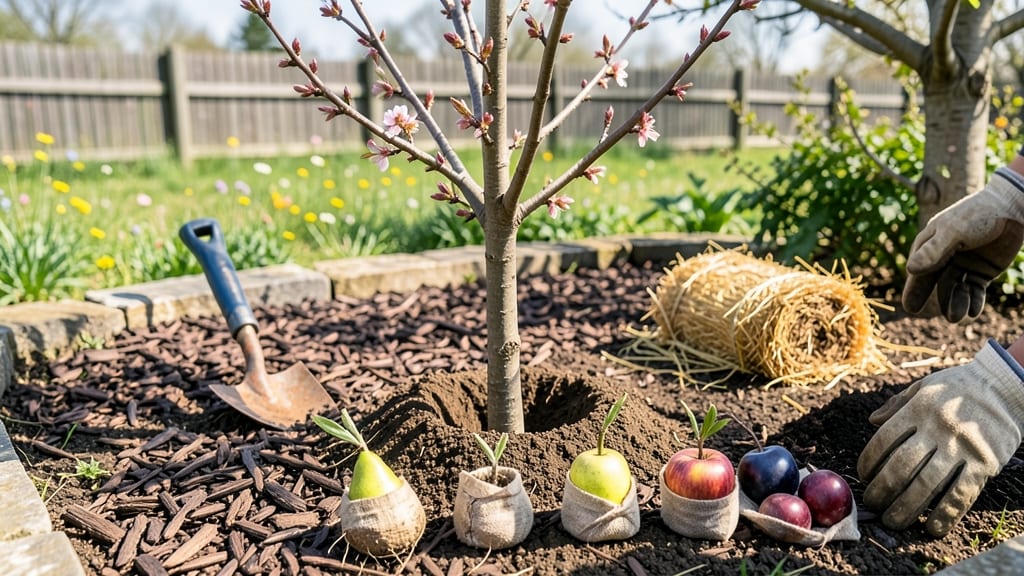
Planting fruit trees in Alabama depends on chill-hour needs and frost timing — aim for late winter or early spring when soil warms and dormancy ends.
Get this wrong, and your young trees face frost damage or stunted growth. Alabama’s climate is tricky: too early, and a late freeze wipes out tender shoots; too late, and summer heat arrives before the tree can establish roots.
The key is matching your variety’s chill-hour requirements to your USDA zone.
Peaches and apples need 300–1,000 chill hours, while figs thrive with minimal cold. I’ll break down the best months for each zone and how to prep soil for Alabama’s heavy clay or sandy loam.
By the end, you’ll know exactly when to plant for bigger harvests, how to protect new growth, and which varieties handle Alabama’s heat best.
Alabama fruit tree planting windows by chill-hour Zone
Alabama’s diverse chill-hour zones (ranging from 300 to 1000 hours) dictate when to plant fruit trees for peak success. Peaches and apples need 500-1000 chill hours, while figs thrive with 300-400 hours.
Planting at the wrong time risks frost damage or stunted growth, so timing aligns with dormancy cycles and bud break.
In Alabama, late winter to early spring (February–March) is ideal for most fruit trees, but chill-hour requirements shift planting windows by zone. For example, North Alabama (Zone 7a-7b) can plant earlier than South Alabama (Zone 8a-8b).
Always check your last frost date—planting too early risks frost damage to tender roots.
| Chill-Hour Zone | Best Planting Window | Key Fruit Trees | Avoid Planting After | Frost Risk |
|---|---|---|---|---|
| 300-400 | Late February–March | Figs, Muscadines, Loquats | April (heat stress) | Low (Zone 8b-9a) |
| 400-500 | Mid-February–March | Peaches, Plums, Pears | Late March (bud break) | Moderate (Zone 7b-8a) |
| 500-600 | Late January–February | Apples, Cherries, Nectarines | Early April (frost risk) | High (Zone 7a-7b) |
| 600-800 | December–January | High-Chill Peaches, Apples | February (root stress) | Very High (Zone 6b-7a) |
| 800-1000 | November–December | European Apples, Pears | January (dormancy break) | Extreme (Zone 6a) |
For 300-400 chill-hour zones (South Alabama), figs and muscadines are perfect—plant them in late February to avoid spring heatwaves. These trees enter dormancy early, so planting in cool, moist soil reduces transplant shock. Mulch heavily to retain moisture during Alabama’s dry spells.
In 500-600 chill-hour zones (Central Alabama), peaches and plums thrive when planted in late January–February. This timing ensures roots establish before bud break in March. Soil temperatures should be above 40°F—use a soil thermometer to check. Avoid planting after late March, as heat stress slows root growth.
Northern Alabama’s 800-1000 chill-hour zones demand winter planting (November–December) for European apples and pears. These trees need deep dormancy, so planting too late risks premature budding. Use dwarf rootstocks for easier management in smaller spaces, and water deeply every 7-10 days until establishment.
Regardless of zone, bare-root trees plant best in dormant season (November–March). Container-grown trees can plant year-round but avoid summer heat (June–August). Amend soil with compost and sand if clay-heavy, and stake young trees to prevent wind damage during Alabama’s unpredictable storms.
Pro tip: Monitor local frost forecasts—Alabama’s last spring frost varies by 1-2 weeks annually. Plant 2-3 weeks before your average last frost date for maximum root establishment. For container growing, use self-watering pots to prevent drought stress in Zone 8b+.
Remember, chill hours ≠ frost tolerance. A 600-chill peach in Zone 7a may still need winter protection if temperatures dip below 10°F. Use tree wraps or mulch rings for young trees in frost-prone microclimates, like valleys or low spots.
Timing your fruit tree planting by chill-hour zone ensures healthier trees, better yields, and fewer pests. Start with <
Best fruit tree varieties for Alabama’s climate and their planting needs
Alabama’s diverse chill-hour zones (ranging from 300-1000 hours) mean selecting the right fruit tree varieties is key to success. Elberta peaches and Red Delicious apples thrive in northern Alabama, while Black Mission figs and Cherokee Purple tomatoes—wait, no—actually Cherokee Purple grapes (and figs!) dominate southern regions.
Each variety demands specific planting timing and soil conditions to flourish.
For peach trees, like the beloved Elberta, aim for 500-700 chill hours—perfect for north Alabama. These trees need well-draining soil and full sun exposure.
Plant them in late winter or early spring (February-March) to avoid frost damage while giving roots time to establish before summer’s heat. Southern Alabama’s milder winters suit fig trees, like Black Mission, which require 200-400 chill hours and can handle sandy or clay soil.
Apples, such as Red Delicious, need 600-800 chill hours, making them ideal for central and northern Alabama. Plant them in December-January when the ground is cool but workable. Pears, like Bartlett, also thrive here with 500-700 chill hours. Meanwhile, citrus trees, such as Satsuma mandarins, are limited to southern Alabama’s frost-free zones (Zone 8+) and should be planted in early spring to avoid heat stress.
When planting, dig a hole twice as wide as the root ball but no deeper. Amend the native soil with compost to improve drainage and fertility. Mulch around the base with wood chips to retain moisture and regulate soil temperature.
For peaches and apples, consider dwarf rootstocks to save space and simplify maintenance. In southern Alabama, figs and citrus benefit from windbreaks to protect against summer storms.
Local gardeners in Huntsville swear by Elberta peaches, while those in Mobile favor Black Mission figs for their low-maintenance nature. Birmingham’s cooler microclimates support apple orchards, while Dothan’s extended growing season extends fig and persimmon harvests.
Always check last frost dates—typically mid-March in north Alabama and early February in the south—to time your planting perfectly.
After planting, water deeply once a week for the first year, ensuring the soil stays moist but not soggy. Fertilize in early spring with a balanced 10-10-10 formula to encourage robust growth.
Prune in late winter to remove dead wood and shape the tree. With the right variety and timing, your Alabama fruit trees will reward you with abundant harvests for decades to come!