
Trees
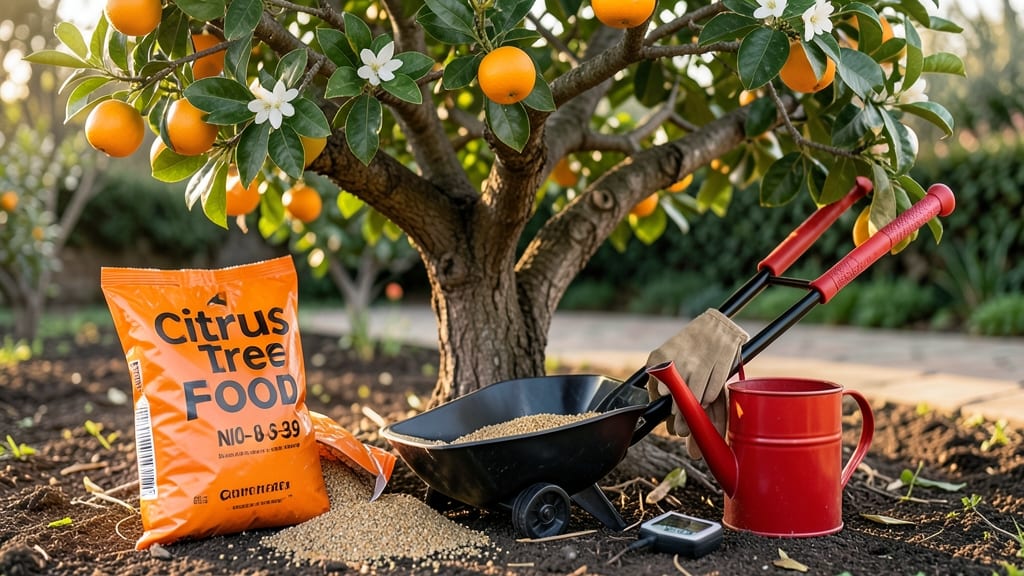
Fertilizing fruit trees in California at the right time ensures your 🍎 thrives through the state’s varied climates—coastal breezes, Central Valley heat, or desert dryness.
California’s diverse climate zones—from coastal fog belts to scorching Central Valley heat—mean fruit tree fertilization timing can make or break your harvest. Get the schedule wrong, and you’ll waste money on nutrients your tree can’t use.
Young trees need a boost in early spring as buds swell, while mature trees benefit from a post-harvest feed to replenish nutrients. But skip fertilizing in winter, when trees rest, or during drought stress, when roots can’t absorb what you offer.
Below, I break down the best months to feed by zone, the signs your tree is hungry (or overfed), and whether organic compost or synthetic granules work better for your soil type.
California fruit tree fertilization schedule by climate zone
California’s three distinct climate zones—coastal, inland, and desert—each demand unique fertilization timing for fruit trees. Coastal areas like San Francisco enjoy mild winters and cool summers, while inland regions (Central Valley) face intense heat and drought, and desert zones (Palm Springs) experience extreme temperature swings.
These differences directly impact when and how you should feed your trees.
Timing is everything when it comes to fruit tree fertilization. A citrus tree in coastal Santa Barbara needs a different schedule than a peach tree in Fresno, and both differ from an avocado tree in the Coachella Valley.
The key is aligning fertilization with your tree’s natural growth cycles and your local climate’s water availability and temperature patterns.
Most fruit trees in California benefit from three primary fertilization windows: early spring (to kickstart growth), late spring/early summer (for fruit development), and occasionally a light feeding in fall (for root strengthening).
However, desert zones often skip fall feeding to prevent winter stress, while coastal areas may extend feeding into early fall due to milder conditions.
For citrus trees in coastal zones, I recommend starting with a balanced 6-6-6 fertilizer in early February to support new leaf growth. By May, switch to a higher potassium formula (e.g., 3-1-5)** to boost fruit development. In inland zones, <
Signs your California fruit tree needs fertilizer (and when to Avoid it)
Your California fruit tree might be sending SOS signals if you notice yellowing leaves between the veins or stunted new growth. These are classic signs of nitrogen deficiency, especially common in sandy soils or after heavy harvests.
But before reaching for fertilizer, check if the issue is overwatering or root rot, which can mimic nutrient hunger.
Another red flag? Small, sparse fruit or poor blossom production—this often means your tree lacks phosphorus or potassium. Young trees (under 3 years) need extra nutrients to establish roots, while mature trees might just need a light seasonal boost rather than heavy feeding.
⚠️ key-takeaway ⚠️
☀️ Late Spring (Apr-May): Use potassium-rich fertilizer post-bloom.
🌿 Avoid: Fall/Winter (encourages late growth vulnerable to frost).
Watch for burnt leaf edges or crusty soil around the base—these warn of over-fertilization, which can damage roots and increase salt buildup in California’s alkaline soils. If your tree drops leaves suddenly or shows blackened roots, flush the soil with water to dilute excess salts before fertilizing again.
During drought stress (common in Central Valley summers), skip fertilization entirely—your tree’s energy should go to survival, not growth. Instead, focus on deep watering (15-30 gallons per tree) to revive roots.
Even citrus trees in coastal areas may need a break if they show leaf curl or fruit drop during heatwaves.
For organic gardeners, compost tea or fish emulsion are gentle options, while synthetic fertilizers like 8-3-9 granules work faster. Always water deeply after applying to prevent root burn.
Pro tip: Test your soil (pH 6.0-7.5 is ideal for most fruit trees)—California’s alkaline soils often need acid-loving amendments like sulfur for blueberries or peaches.
Remember: Young trees (1-3 years) need more frequent feeding (every 6-8 weeks), while mature trees (5+ years) can thrive on annual deep feeding plus mulch.
If your tree’s leaves are dark green but growth is slow, it might need micronutrients like zinc or iron—spray chelated iron for quick results.