
Trees
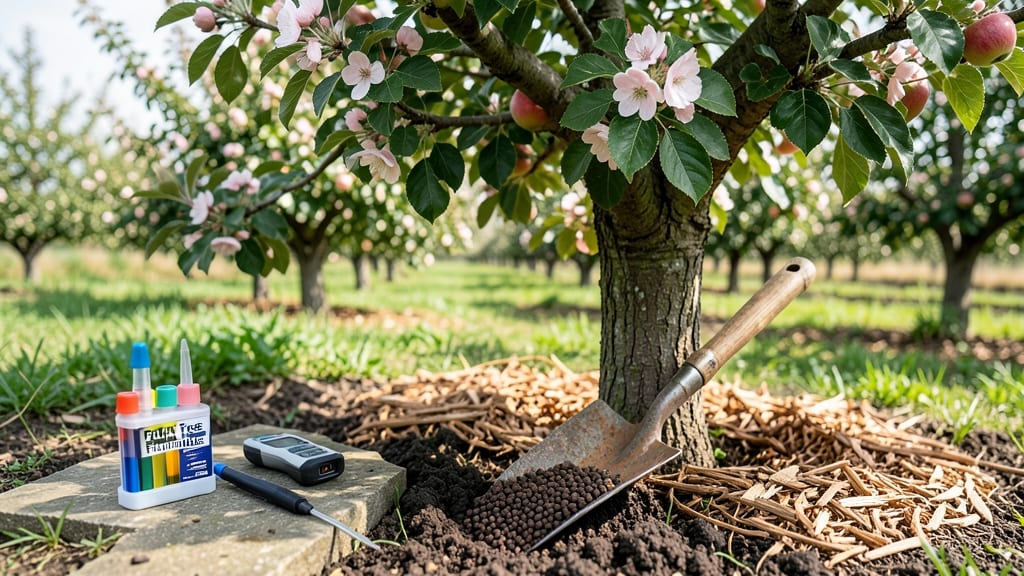
Fertilizing fruit trees at the right time is the difference between a thriving orchard and one that struggles to bear fruit 🍎 — and most gardeners get it wrong by waiting too late or feeding at the wrong stage.
Picture this: You’ve just planted your dream fruit tree, only to watch it put all its energy into leaves instead of fruit because you fertilized at the wrong moment. Or worse, you missed the critical window entirely and now your tree is playing catch-up.
The best time to fertilize isn’t just about the calendar—it’s about matching the tree’s natural growth cycles.
In this guide, I’ll break down the exact seasonal timing for fruit trees, from early spring’s first feeding to late summer’s lighter touch, plus how climate and tree type change the rules.
You’ll also learn how to spot when your tree needs fertilizer—and when to hold off to avoid common mistakes.
By the end, you’ll have a clear schedule tailored to your fruit tree’s needs, so you can skip the guesswork and focus on that harvest you’ve been dreaming of.
Best fertilization timing by season: spring, summer, fall, and winter guidelines
Fruit trees thrive when fertilized at the right time—missing these seasonal windows can lead to poor fruit set, weak branches, or even tree decline. Early spring is my top priority because it kickstarts growth after dormancy, while late summer feeds trees for next year's harvest.
But timing varies dramatically between temperate zones (like USDA 6a) and tropical climates where trees grow year-round.
In temperate regions, fruit trees enter dormancy in winter, making fall fertilization a no-go—it encourages tender new growth that won’t survive frost. Meanwhile, tropical fruit trees (like avocados or citrus) need lighter, more frequent feeding because they don’t have a true dormant season.
Let’s break down the exact month-by-month schedule for each season.
🌱 Key Rule: Always fertilize in the morning to avoid evening moisture that fuels fungal diseases. Water deeply 24 hours before applying fertilizer to prevent root burn.
For temperate climates, my early spring fertilization (March-April) is non-negotiable—this is when trees break dormancy and need phosphorus for root growth and potassium for flower buds. Use a 10-10-10 balanced fertilizer and work it into the soil 6 inches deep around the drip line (not the trunk).
In late spring, switch to a slow-release organic fertilizer like compost or worm castings. This supports fruit development without overstimulating late-season growth, which can leave trees vulnerable to winter damage. 🌿 Pro Tip: Mix in 1-2 inches of compost annually to improve soil structure.
Summer fertilization is tricky—most temperate-zone trees don’t need heavy feeding, but tropical fruit trees (like mangoes) benefit from monthly light feeds.
If you must fertilize in summer, use a low-nitrogen formula (like 5-10-10) to avoid excessive foliage at the expense of fruit quality. ⚠️ Warning: Never fertilize after mid-August in cold climates—it encourages tender growth that won’t harden off before frost.
Fall and winter are dormant seasons for most fruit trees, meaning zero fertilization. In tropical regions, however, trees stay active year-round, so a light potassium-rich feed in fall helps them weather heat stress.
For citrus trees, a low-nitrogen fertilizer in late fall promotes root development without stimulating new growth.
One common mistake I see is over-fertilizing young trees. Saplings only need half the recommended dose—too much nitrogen leads to leafy but fruitless growth. Always water first, then apply fertilizer, and avoid contact with
Fertilizer timing by fruit tree type: citrus, apple, peach, and avocado needs
Not all fruit trees thrive on the same fertilization schedule—citrus trees demand four feedings annually, while apple trees only need two to three. Understanding these differences is key to maximizing your harvest.
Each tree type has distinct growth stages that trigger fertilization needs, from bud break in spring to fruit development in summer.
Citrus trees, for example, require monthly feeding during their active growing season (spring through fall), while avocado trees prefer light applications every 6-8 weeks. Apple and peach trees, on the other hand, benefit from early spring and late summer feedings to support flowering and fruiting.
Soil testing is critical—most fruit trees prefer a slightly acidic to neutral pH (6.0-7.0).
For citrus trees, I recommend using a balanced 6-6-6 fertilizer in early spring to kickstart growth, followed by a low-nitrogen, high-potassium blend in late summer to support fruit ripening. Apple trees benefit from a high-phosphorus fertilizer at bloom time to encourage fruit set, while peach trees respond well to organic matter like compost during early spring.
Avocado trees are unique—they often show signs of nutrient deficiency (like yellowing leaves) before needing fertilizer. Test your soil in late winter before their growing season begins. If your avocado tree is in a container, use a slow-release fertilizer every 8 weeks to prevent overfeeding.
Always water deeply after fertilizing to help nutrients reach the roots.
One common mistake is fertilizing too late in the season, which can stimulate tender new growth vulnerable to frost.
For apple and peach trees, avoid feeding after mid-summer to prevent late-season flushes that won’t harden off before winter. Citrus trees in colder climates should stop fertilizing by late fall to protect their roots from freezing temperatures.
Pro tip: Mix organic compost into the soil before fertilizing to improve nutrient uptake. For young trees, use half the recommended dose to avoid burning delicate roots.
Always follow the label instructions on your fertilizer and adjust based on your tree’s age and size—a 5-year-old peach tree won’t need the same amount as a mature citrus tree. 🌱🍊🍎