
Fertilization
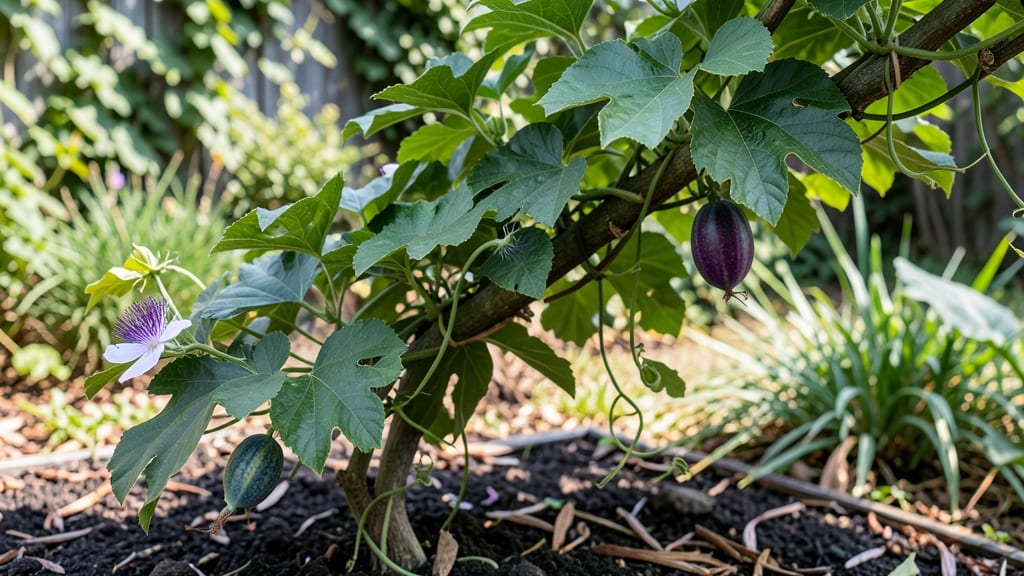
Growing passion fruit indoors lets you enjoy tropical flavors year-round without the heat or pests. 🌱 I've grown these vines in containers for three years now, and the secret is matching their needs to your space—bright light, warm temperatures, and a sturdy trellis.
The vines thrive with minimal pruning when you focus on two key things: keeping them in well-draining soil and training them to climb. Most people overwater, which leads to root rot, but passion fruit plants actually prefer to dry out slightly between waterings.
A 5-gallon pot works for the first year, and you'll see those signature fruits forming by late summer. By next spring, you'll have a vine producing harvests every 6-8 weeks, with fruits that burst with flavor.
The vines stay compact enough for indoor growing, and the fragrance of the flowers alone makes it worth it. Works in any sunny room or greenhouse, even in cooler climates. Here's how to get started!"
📚 In This Guide
- What you need
- Instructions
- Tips and common mistakes
- Wrapping up and next steps
What you need
- ● Passion fruit plants: Choose between Passiflora edulis (purple) or Passiflora ligularis (yellow) varieties. Start with 2-3 healthy plants (or seeds if propagating).
- ● Well-draining soil: A mix of 60% garden soil, 30% compost, and 10% perlite/sand (pH 6.0–7.5).
- ● Organic fertilizer: Balanced NPK (10-10-10) or compost tea (apply every 4–6 weeks).
- ● Mulch: 2–3 inches of straw or wood chips to retain moisture and suppress weeds.
- ● Support structure: A 6–10 ft trellis, fence, or sturdy wire mesh (passion vines grow aggressively!).
- ● Pruning shears: Bypass pruners (sterilized with rubbing alcohol).
- ● Gloves: Heavy-duty gardening gloves (passion vines have tiny, irritating hairs!).
- ● Watering can or hose: With a gentle spray nozzle (vines hate soggy roots!).
- ○ pH test kit: Optional but helpful for monitoring soil acidity.
- ● Sunlight: Full sun (6+ hours daily)—passion fruit is a tropical diva! 🌴
- ● Climate: Warm, humid conditions (USDA zones 9–11; colder zones need container growing or winter protection).
- ● Water access: Consistent moisture (but avoid waterlogging).
- ● Slow-release fertilizer pellets for hands-off nutrition.
- ● Drip irrigation system to automate watering.
- ● Bird netting to protect fruit from pests.
- ● Epsom salt (magnesium boost for vibrant foliage).
Step-by-step guide to growing passion fruit indoors
Here's how I've kept these exotic vines thriving year-round with minimal fuss.
🪴 Step 1: Choose the Right Container and Drainage
Passion fruit vines need room to climb and drain well, so pick a 5-gallon container with drainage holes—these vines hate soggy roots. I use fabric grow bags because they breathe better than plastic and prevent root rot. Add a 2-inch layer of gravel at the bottom before filling with potting mix to create extra drainage space.
If your pot lacks drainage, drill holes yourself—just don't skip this. I've seen vines collapse from root rot when planted in containers without proper drainage. Place a terracotta saucer underneath to catch excess water, but empty it after watering to prevent stagnation.
☀️ Step 2: Position for Maximum Light and Warmth
Passion fruit vines demand full sun—at least 6-8 hours daily—so place them near a south-facing window or under grow lights. My vines grow best within 4-6 inches of a bright LED grow light when natural light is limited. If you notice leaves yellowing or stems stretching wildly, your plant needs more light immediately.
Keep temperatures between 65-85°F—these tropical vines won't tolerate drafts or cold windowsills. I place mine on a heat mat during winter to maintain warmth. Watch for brown leaf tips in dry air; a humidifier nearby helps, or mist leaves lightly in the morning.
🌱 Step 3: Plant and Support the Vine
Fill the container with well-draining potting mix (avoid garden soil—it compacts and suffocates roots). Plant your passion fruit cutting or young vine at the same depth it grew in its nursery pot. Gently press the soil around the base to secure it without compacting.
Install a trellis or sturdy support immediately—these vines grow 10-15 feet annually and need something to climb. I use a 4-foot bamboo trellis in my living room, but a simple fishing line strung from ceiling to floor works too. Train the main stem upward early to encourage strong growth.
💧 Step 4: Water and Fertilize for Healthy Growth
Water when the top 2 inches of soil feel dry—overwatering is the fastest way to kill these vines. I use a self-watering pot to maintain consistent moisture without drowning the roots. Let excess water drain completely before adding more; passion fruit vines rot if their feet stay wet.
Feed every 4-6 weeks with a balanced liquid fertilizer (10-10-10) during growing season. I halve the recommended dose—too much fertilizer burns delicate roots. Stop fertilizing in late fall to let the vine rest. You'll see new leaves and tendrils within weeks of consistent care.
✂️ Step 5: Prune and Harvest for Continued Growth
Prune only to shape—passion fruit vines thrive with minimal cutting. Remove dead or yellowing leaves regularly to redirect energy to fruit production. I trim overly long vines in late winter to control size, but never cut more than 20% of the plant at once.
Harvest when fruit feels slightly soft and changes color—purple for purple passion fruit, yellow for yellow varieties. Twist gently until it releases; don't pull hard or you'll damage the vine. With proper care, my indoor vines produce dozens of fruits per season—just don't expect them to last long once ripe!
Tips & tricks for growing passion fruit indoors
Real talk: These tropical vines seem delicate, but they're tougher than they look once you get the basics right.
Container Selection: Fabric grow bags are my go-to because they prevent root rot better than plastic, but any 5-gallon container with drainage works. Pro tip: If you're using a decorative pot without holes, drill them yourself—trust me, your vine will thank you. I've seen passionate gardeners skip this and lose their plants to soggy roots within weeks.
Lighting Strategy: Those 6-8 hours of daily light aren't optional—this is where most indoor failures happen. If your south-facing window isn't cutting it, supplement with bright LED grow lights. Position them 4-6 inches away and keep them on for 12 hours daily during winter. I notice the difference immediately when leaves stop stretching toward the light.
Pruning Wisdom: The "never cut more than 20% at once" rule is critical. I learned this the hard way after over-trimming and watching my vine struggle to recover. Focus on removing only dead or yellowing leaves during the growing season, and save major pruning for late winter when the vine naturally slows down.
Fertilizer Timing: Halving that 10-10-10 dose is non-negotiable—these vines are sensitive to salt buildup. I fertilize every 6 weeks during spring and summer, then stop completely in fall. The key is consistency: you'll see new tendrils within weeks of proper feeding, but overdoing it causes brown leaf tips that never recover.
Pro Tips for Passion Fruit In
- Real talk: These tropical vines seem delicate, but they're tougher than they look once you get the basics right.
- Container Selection: Fabric grow bags are my go-to because they prevent root rot better than plastic, but any 5-gallon container with drainage works.
- Lighting Strategy: Those 6-8 hours of daily light aren't optional—this is where most indoor failures happen.
Frequently asked questions
Got questions about growing passion fruit with minimal pruning?
You’re not alone! Here are some of the most common queries—plus quick, actionable answers to keep your tropical vines thriving.
How often should I fertilize passion fruit vines with minimal pruning?
Feed your passion fruit vines every 4–6 weeks during the growing season (spring to fall) using a balanced fertilizer (10-10-10 or 8-3-9). Reduce to once every 2–3 months in winter. Over-fertilizing can harm roots, so always water deeply after applying to help nutrients absorb.
When is the best time to prune passion fruit vines if I’m keeping it minimal?
Prune late winter or early spring (just before new growth starts) to remove dead or crossing branches. Avoid heavy pruning—just trim 10–20% of the vine to encourage airflow and fruit production. Skip pruning in fall to protect new growth from cold snaps.
Can I grow passion fruit in containers with minimal pruning?
Use a large container (15+ gallons) with drainage holes and a well-draining potting mix. Choose compact varieties like Passiflora edulis (purple passion fruit). Prune minimally to control size—focus on removing leggy growth and dead leaves. Rotate the pot occasionally for even sunlight exposure.
Why aren’t my passion fruit vines producing fruit, even with minimal pruning?
Fruit production often lags due to lack of pollinators, insufficient sunlight, or poor nutrition. Hand-pollinate flowers with a soft brush, ensure 6+ hours of direct sun daily, and check your fertilizer—passion fruit loves phosphorus-rich food (like bone meal) for flowering. Patience is key: vines may take 1–2 years to bear fruit.
What’s the ideal temperature range for passion fruit vines with minimal care?
Passion fruit thrives in 70–85°F (21–29°C) during the day and above 50°F (10°C) at night. Protect vines from frost (below 32°F/0°C)—they’re tropical! Use row covers or move potted plants indoors if temperatures drop. Heatwaves? Provide afternoon shade to prevent stress.
Wrapping up and next steps
Growing passion fruit with minimal pruning is not only achievable but also incredibly rewarding! 🌱 By focusing on the right fertilization techniques, soil health, and strategic pruning, you can enjoy a bountiful harvest of these tropical delights without the hassle.
Whether you're a beginner or a seasoned gardener, these tips will help you nurture your passion fruit vines effortlessly.
Ready to take the next step? Start small—plant a vine or two, experiment with the fertilization methods shared, and observe what works best for your climate. With patience and care, you’ll soon be savoring the sweet, tangy goodness of homegrown passion fruit! 🍈✨