
How To
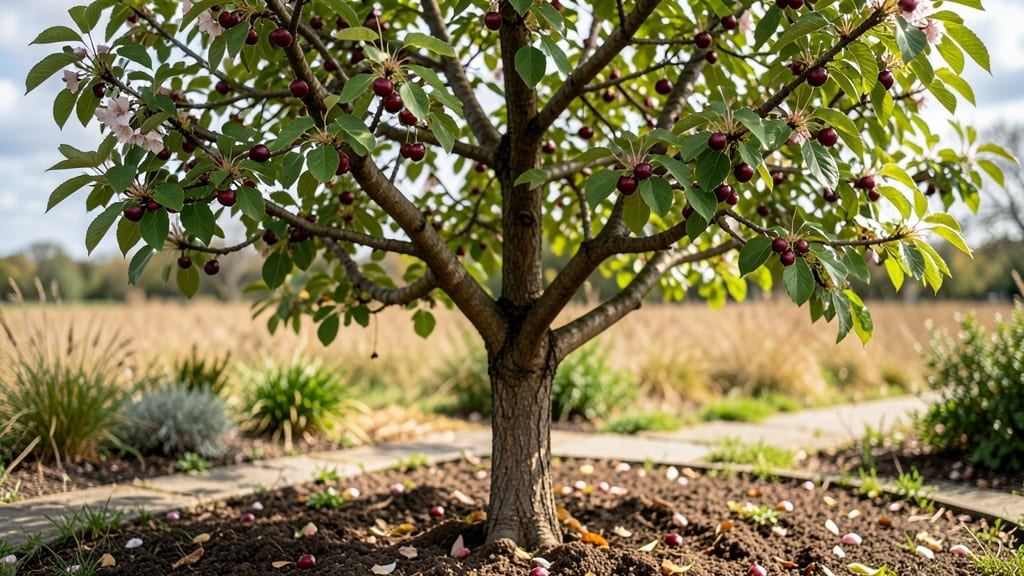
A cherry tree takes 2–7 years to bear fruit, depending on the variety, climate, and care you provide—so patience is the first lesson, but the payoff is worth it.
If you’ve ever dreamed of plucking fresh cherries straight from your own tree, patience is key—but how long should you realistically wait? The answer depends on the variety, your climate zone, and a few surprising factors that most gardeners overlook.
Dwarf varieties like Stella or Montmorency can produce fruit in as little as 2–4 years in ideal conditions, while standard trees like Bing may take 5–7 years or longer.
In colder zones like 6a, winter chilling hours are critical, while warmer climates can speed up fruiting if soil and sunlight are right.
Below, I break down the exact timelines by variety, the 5 factors that accelerate or delay fruit production, and how to optimize your tree’s conditions for the fastest harvest—plus realistic expectations by climate zone.
Cherry tree fruit-bearing timeline by variety: sweet vs sour cherries explained
Understanding when your cherry tree will bear fruit depends on two key factors: the variety you plant and your USDA climate zone. Sweet cherries like Bing or Stella typically fruit 3-5 years after planting, while sour varieties like Montmorency may take 4-6 years.
However, climate plays a major role—warmer zones can accelerate fruiting, while colder zones may delay it by a full year or more.
Dwarf varieties like Stella or Lapins are the fastest fruiters, often producing cherries in 2-3 years due to their compact size and earlier maturity. Standard trees, on the other hand, can take 5-7 years to reach full production.
This timeline also shifts based on whether you plant bare-root or container-grown trees—bare-root varieties often bear fruit 6-12 months sooner.
Here’s how climate zones impact fruiting timelines: In USDA Zones 5-6, most varieties need 500-700 chilling hours to break dormancy, which can delay fruit production by a year compared to Zones 7-10, where milder winters allow earlier blooming and fruiting.
For example, a Bing cherry in Zone 8 might fruit in 2-3 years, while the same tree in Zone 5 could take 4-5 years.
| Variety | Type | Fruiting Time (Years) | Chilling Hours Needed | Best Zones | Notes |
|---|---|---|---|---|---|
| Bing | Sweet | 3-5 | 500-700 | 5-9 | Standard size; needs cross-pollination |
| Stella | Sweet | 2-3 | 500-700 | 5-9 | Dwarf; self-pollinating |
| Montmorency | Sour | 4-6 | 400-600 | 4-8 | Self-pollinating; cold-hardy |
| Lapins | Sweet | 2-3 | 400-500 | 5-9 | Dwarf; self-pollinating |
| Rainier | Sweet | 4-6 | 600-800 | 5-9 | Needs cross-pollination; late bloomer |
If you’re in a warmer zone (8-10), varieties like Stella or Lapins can bear fruit in as little as 2 years with proper care. In contrast, Zone 5 gardeners should expect Bing cherries to take 4-5
5 Critical factors that speed up or delay cherry tree fruit production
Your cherry tree’s journey to fruiting isn’t just about time—it’s about creating the perfect growing conditions. I’ve learned that even the hardiest cherry varieties can get stuck in a delayed fruiting cycle if key factors aren’t optimized.
The good news? With the right adjustments, you can shave years off the wait time and enjoy that first cherry harvest sooner than expected.
From soil pH to winter chilling hours, each element plays a crucial role in whether your tree will bear fruit in 3 years or 7 years. Let’s break down the five most impactful factors and how to tweak them for faster results.
The insights here are based on what’s worked in my own garden—and what I’ve learned from fellow growers in different climates.
🌱 5 Critical Factors for Cherry Tree Fruit Production
- 1. Soil pH (6.0–7.0): Test your soil—cherry trees thrive in slightly acidic to neutral soil. If your pH is off, amend with lime (to raise) or sulfur (to lower).
- 2. Winter Chilling Hours (300–1,000): Most cherries need 500–1,000 hours below 45°F to set fruit. In warm climates, choose low-chill varieties like Stella or Lapins.
- 3. Pruning Techniques: Prune in late winter to remove dead wood and open the canopy. Thin out crowded branches to improve airflow and fruit production.
- 4. Watering Schedule: Deep water once a week during dry spells. Avoid overwatering—soggy soil stresses roots and delays fruiting.
- 5. Disease Resistance: Choose resistant varieties like Bing or Rainier. Monitor for pests and treat early with neem oil or horticultural soap.
The first factor most gardeners overlook is soil pH. Cherry trees are finicky about their growing medium, and even a slight deviation from the ideal 6.0–7.0 range can stall fruit production.
I once had a Montmorency tree that refused to bear fruit for years—until I tested the soil and discovered it was too alkaline. A simple amendment with sulfur got it back on track within a season.
Next up: winter chilling hours. If you live in a warm climate like Zone 9 or 10, traditional cherry varieties might never fruit because they lack sufficient cold exposure.
That’s why I switched to low-chill varieties like Lapins—they thrive with as little as 300 chilling hours and start bearing fruit in 2–3 years instead of 5+.
Don’t underestimate the power of pruning. I’ve seen cherry trees produce fruit faster when pruned correctly. The key is to open the canopy so sunlight reaches the center branches.
This encourages more blossoms and, ultimately, more fruit. I prune mine in late winter, right before buds swell, and it’s made a noticeable difference in my Bing cherry tree’s productivity.
Watering might seem straightforward, but timing and depth matter. Deep, infrequent watering encourages strong root growth, which is essential for fruit production. I water my trees once a week during dry spells, delivering 5–10 gallons per tree.
Overwatering can lead to root rot, which delays fruiting—so always check the soil moisture before watering again.
Finally, disease resistance can make or break your cherry tree’s fruiting timeline. Varieties like Rainier and Stella are bred to resist common diseases like brown rot and leaf spot.
If you’re in a humid climate, prioritize these varieties to avoid setbacks. I’ve also found that applying a copper fungicide in early spring helps prevent issues before they start.