
How To
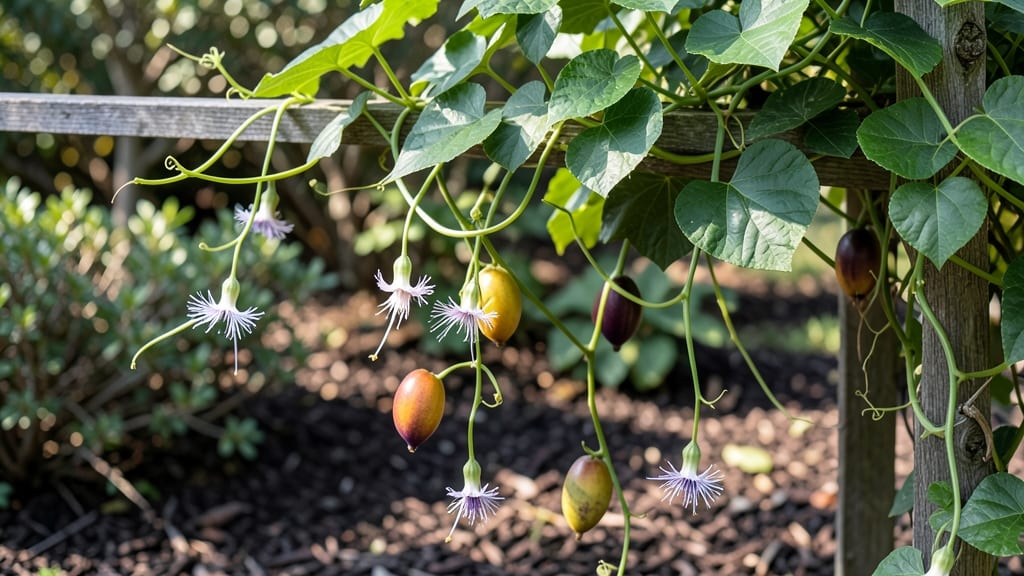
Passion fruit vines grow 10 to 30 feet tall 🍈, transforming your garden into a tropical paradise with the right support and care.
If you're dreaming of lush, tropical passion fruit vines heavy with sweet, tangy fruit, understanding their growth habits is key—because these vines don’t just climb; they explode vertically, sometimes reaching heights that surprise even seasoned gardeners.
In warmer climates like Florida, they can soar to 30 feet in just a few years, while in cooler zones like 6a, they may stay more compact at 10 to 15 feet without proper winter protection. The difference comes down to sunlight, temperature, and how aggressively you prune.
Below, I’ll break down how to manage their height—whether you’re trellising them up a pergola or keeping them in check for a smaller space—so you can enjoy a bountiful harvest without the vines taking over your yard.


Passion fruit vine height by variety: purple vs. yellow fruit growth comparisons
When I first planted my passion fruit vines, I had no idea how aggressively they’d climb—especially after learning about the two main varieties: purple passion fruit (Passiflora edulis) and yellow passion fruit (Passiflora edulis f. flavicarpa).
Both are tropical climbers, but their growth habits and mature heights differ enough to influence your trellis choices and pruning strategies. Understanding these differences is key to maximizing fruit production without your vines turning your garden into a jungle.
The purple passion fruit vine (Passiflora edulis) is the classic variety many gardeners start with, and it’s also the most compact of the two.
In ideal conditions—think warm climates (USDA Zones 8-11) with full sun exposure—it can reach 15 to 25 feet in height within 2 to 3 years.
However, if you’re in a cooler subtropical zone (like Zone 7), expect growth to slow, often maxing out around 10 to 15 feet unless you provide winter protection. This vine’s climbing style is aggressive but manageable, making it perfect for pergolas or sturdy trellises.
On the other hand, the yellow passion fruit vine (Passiflora edulis f. flavicarpa) is a heavyweight champion of growth. In tropical regions, it can surpass 30 feet in height, sometimes even reaching 40 feet with ideal care and support.
This variety is faster-growing and more vigorous, which means it demands stronger trellising structures, like metal cages or reinforced wooden lattices.
If you’re growing it in USDA Zone 8 or warmer, you’ll need to plan for year-round climbing support—this vine won’t hesitate to test the limits of your garden space.
| Variety | Mature Height (Ft) | Climbing Habit | Trellis Needs | Pruning Frequency |
|---|---|---|---|---|
| Purple Passion Fruit (Passiflora edulis) | 15–25 ft | Moderate, twining | Pergola, trellis, or fence | 2–3 times/year |
| Yellow Passion Fruit (Passiflora edulis f. flavicarpa) | 25–40 ft | Aggressive, rapid climber | Strong metal cage or reinforced lattice | 3–4 times/year |
The trellis selection you choose directly impacts how well your passion fruit vine thrives. For the purple variety, a 6-foot-tall trellis or pergola is often sufficient, especially in cooler climates.
However, if you’re growing it in Zone 9 or warmer, I recommend a 10-foot trellis to accommodate its full height potential. The yellow variety, meanwhile, demands heavier-duty support.
A metal cage or a freestanding trellis system that can handle 50+ pounds of vine weight is ideal, especially if you’re aiming for a high yield.
Pruning is another critical factor in managing vine height and fruit production. The purple passion fruit vine benefits from light pruning in early spring to remove dead or weak growth, followed by a second pruning after harvest to encourage new flowering shoots.
For the yellow variety, you’ll need to be more aggressive. I prune mine three times a year: in late winter to shape the vine, in early summer to control height, and in fall to remove spent fruit stalks.
This keeps the vine productive and manageable while preventing it from becoming unruly.
One common mistake I see gardeners make is underestimating the vine’s reach. If you’re growing passion fruit in a small garden or container, the yellow variety is not ideal—it will quickly outgrow its space.
Instead, opt for the purple variety or consider dwarfing techniques, like regular pruning or growing it in a large container with a small trellis. Even then, expect it to reach 8 to 10 feet if given enough space.
The key is to plan ahead and choose your trellis and pruning strategy based on the variety you’re growing.
Both varieties also respond well to seasonal adjustments. In winter months (Zones 7-8), I reduce watering and prune back about 30% of the vine to encourage new growth in spring.
For tropical climates (Zones 9-11), where vines grow year-round, I focus on regular pruning every 2-3 months to maintain height and fruit quality. This approach ensures your passion fruit vine stays healthy, productive, and within your desired height limits.
If you’re new to growing passion fruit, start with the purple variety—it’s more forgiving and easier to manage for beginners.
Once you’ve mastered its growth habits, you can experiment with the yellow variety for its larger fruit and higher yields, but be prepared for more aggressive growth and maintenance. Either way, trellising and pruning are non-negotiable for keeping your vines fruit-bearing and contained.
With the right approach, you’ll enjoy a bountiful harvest without your garden looking like a tangled mess!
Climate-specific growth patterns: how temperature and sunlight affect passion fruit vine height
Passion fruit vines thrive in warm climates, but their vertical growth varies dramatically based on temperature and sunlight exposure.
In tropical zones like Florida or Hawaii, these vines can shoot up 20+ feet in a single season, while in cooler subtropical regions, they may max out at 10-15 feet without proper care. Understanding these patterns helps you adjust your approach to watering, fertilizing, and pruning for maximum yield.
In temperate climates (USDA zones 8-10), passion fruit vines grow more slowly, often reaching 15-20 feet over two years. Below zone 8, growth stalls unless you provide seasonal protection like row covers or greenhouses.
The key difference? Sunlight intensity—vines in full sun grow 30-50% taller than those with partial shade, thanks to increased photosynthesis.
| Climate Type | Avg. Vine Height | Sunlight Needs | Growth Speed | Care Adjustments |
|---|---|---|---|---|
| Tropical (Zones 10-11) | 20-30 ft | Full sun (8+ hrs) | Rapid (10+ ft/year) | Heavy pruning, frequent watering |
| Subtropical (Zones 8-9) | 15-25 ft | Full sun (6-8 hrs) | Moderate (5-10 ft/year) | Balanced fertilizer, winter mulch |
| Temperate (Zones 7-8) | 10-15 ft | Full sun (6+ hrs) | Slow (3-5 ft/year) | Spring/summer pruning, frost protection |
To encourage taller growth in cooler climates, focus on morning sunlight and warmth retention. Plant near south-facing walls or use black plastic mulch to raise soil temperatures by 5-10°F.
In tropical zones, prune aggressively to redirect energy toward fruit production—uncontrolled vines can reach 30 feet but produce fewer harvests due to overgrowth.
Fertilizer plays a crucial role too. In hot climates, use high-potassium fertilizers (like 10-10-20) every 4-6 weeks to support rapid growth, while cooler regions benefit from balanced 10-10-10 applied in spring and early summer. Over-fertilizing in heat can lead to leaf burn, so always water deeply after feeding.
Pruning strategies differ by climate. In tropical areas, trim back 30-50% annually to prevent vines from becoming unmanageable, while in temperate zones, light pruning in late winter (just before new growth) helps avoid frost damage.
Always prune after harvest to encourage next season’s buds—this is especially critical in cooler regions where growth slows.
Regardless of your climate, trellising is non-negotiable. Use strong, sturdy supports like metal cages or wooden pergolas—passion fruit vines can double their weight when laden with fruit, and weak supports lead to broken stems and lost harvests. In windy coastal areas, add guy wires for extra stability.
With the right adjustments, you can coax healthy, productive vines even in less-than-ideal climates. The key is patience and precision: monitor growth, adapt your care routine, and don’t hesitate to provide seasonal support like row covers or temporary greenhouses when temperatures dip.
Your passion fruit vines will reward you with bountiful harvests—no matter how tall they grow! 🌿☀️