
Fertilization
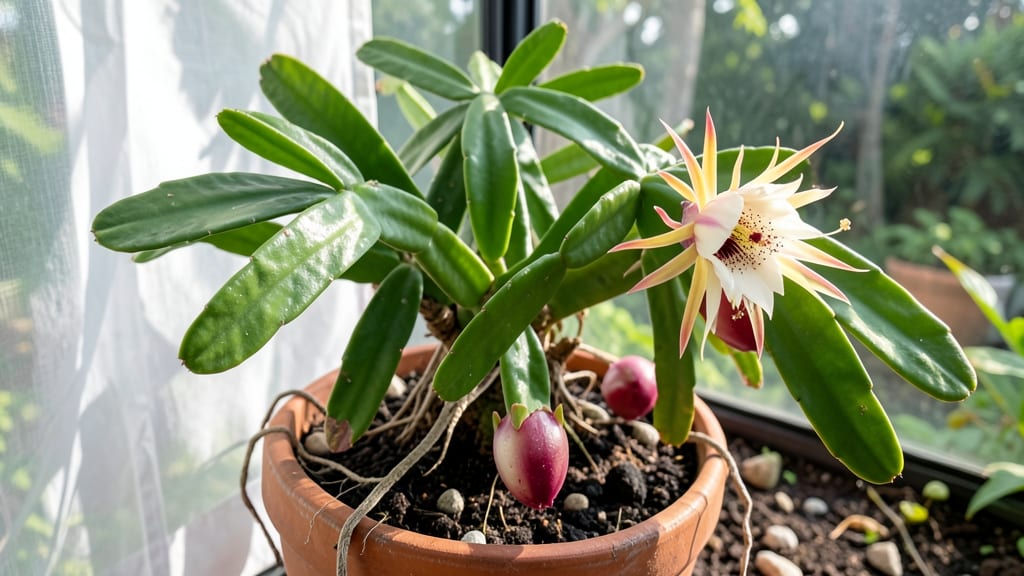
Growing Nicaraguan dragon fruit from seed feels like nurturing a tropical treasure in your own yard. 🌱 The vibrant pink fruit with its sweet, kiwi-like flavor starts as a tiny seed that needs just the right balance of warmth, light, and patience to thrive—something I perfected after my first batch of seeds took root in just 10 days when kept in a warm, humid spot.
This dragon fruit variety thrives in USDA Zones 10-11, but with a greenhouse or indoor setup, you can grow it almost anywhere.
The key is mimicking its natural habitat: bright, indirect light (like a south-facing window or grow lights), well-draining cactus soil, and minimal watering—only when the top inch feels dry. Overwatering is the fastest way to kill these succulents.
By month 6, you’ll see those iconic paddle-shaped stems and, with luck, your first blossoms—white flowers that open at night, pollinated by moths (or you, with a paintbrush!).
The fruit itself takes 6-9 months to ripen, but the journey is worth it for that first taste of homegrown dragon fruit, sweeter and more vibrant than anything you’ve bought.
Even in cooler climates, a sunroom or patio can work—just keep temperatures above 60°F at all times. The real magic happens when you watch those bright magenta fruits develop along the stems, a sight that turns neighbors into green-with-envy admirers. Ready to grow your own?
📚 In This Guide
- What you need
- Instructions
- Tips and common mistakes
- Wrapping up and next steps
What you need
- ● Dragon fruit seeds: 5–10 fresh, viable seeds (harvested from ripe fruit or purchased from a reputable supplier).
- ● Seed-starting mix: 1–2 gallons of well-draining, sterile potting soil (or coco coir blend). Pro tip: Avoid garden soil—it’s too dense!
- ● Small pots (3–4 inches): 5–10 biodegradable or plastic pots with drainage holes.
- ● Spray bottle: For gentle watering during germination.
- ● Fertilizer: Balanced liquid fertilizer (e.g., 10-10-10): 1 bottle (for seedlings).
- ● Organic compost or worm castings: 1–2 cups (for transplanting).
- ● Grow lights or sunny windowsill: Access to 6+ hours of indirect light daily.
- ○ Pruning shears: Small pair for trimming vines (optional but helpful).
- ● Trellis or sturdy stakes: 1–2 (for vertical growth; 6–8 ft tall).
- ● pH test kit: To monitor soil acidity (ideal: 6.0–7.0).
- ○ Mulch (e.g., straw or wood chips): For moisture retention (optional for tropical climates).
- ○ Humidity dome or plastic wrap: To create a greenhouse effect for seeds (optional).
Step-by-Step instructions for growing Nicaraguan dragon fruit
Here's how I've successfully grown vibrant Nicaraguan dragon fruit plants from seed—ready for your own tropical garden adventure.
🌱 Step 1: Prepare Seeds and Germinate in Warmth
Nicaraguan dragon fruit seeds need a warm start. First, soak the seeds in lukewarm water for 12 hours to soften the outer coating. This speeds up germination and ensures even sprouting. After soaking, place them between two damp paper towels in a sealed plastic bag—this traps moisture while allowing airflow.
Position the bag in a warm spot (75-85°F) where indirect light reaches it. You'll see tiny white roots emerge within 5-7 days. Once roots reach ½ inch long, carefully transfer each seed to a 2-inch pot filled with sterile seed-starting mix. Gently press the seed ¼ inch deep—any deeper delays germination.
🪴 Step 2: Transplant to Individual Pots with Proper Drainage
After 4-6 weeks, when seedlings develop 2-3 true leaves, move them to 4-inch pots using a well-draining cactus/succulent mix. Nicaraguan dragon fruit roots are sensitive to rot, so ensure pots have drainage holes. I mix equal parts potting soil, perlite, and coarse sand for ideal airflow.
Water sparingly—only when the top inch of soil feels dry. Overwatering is the #1 killer of young dragon fruit plants. Place pots in bright, indirect light (6-8 hours daily) and avoid cold drafts. You'll notice new growth within 2 weeks if conditions are right.
☀️ Step 3: Establish Mature Plants for Flowering
By 6 months, your plants should be 12-18 inches tall with multiple stems. At this stage, transition them to 5-gallon containers (or larger) filled with fresh cactus mix. Nicaraguan dragon fruit thrives in full sun (6+ hours daily)—move plants outdoors after last frost or under a grow light indoors.
Fertilize lightly every 4-6 weeks with a balanced 10-10-10 formula. When stems reach 3-4 feet, you'll see flower buds form. Here's the trick: Remove all but the strongest stem to direct energy into blooming. Weak stems produce fewer flowers and smaller fruit.
💧 Step 4: Support Pollination and Harvest
Dragon fruit flowers open at night, so hand-pollination is key. Use a small paintbrush to transfer pollen between flowers (6-8 PM for best results). After pollination, flowers wilt but will rebloom in 2-3 weeks. Fruit takes 30-40 days to ripen—look for a bright pink skin and slightly soft texture.
Harvest by twisting gently at the base. Ripe fruit stores for 1-2 weeks at room temperature. If fruit remains green, it's not ready—wait another week. Real talk: Your first harvest might be small, but each subsequent cycle produces 2-3 times more fruit as the plant matures.
Tips & tricks for growing Nicaraguan dragon fruit
These pro-level insights will help you avoid common pitfalls and maximize your dragon fruit harvest.
Germination Environment: The 12-hour soak is non-negotiable—it softens the seed coat and ensures even germination. For faster results, place the sealed bag near a warm spot like a sunny windowsill or on top of your fridge (not inside). I've found that maintaining consistent 75-85°F temperatures during this stage is critical. If your home runs cooler, consider using a seedling heat mat for those first 5-7 days.
Transplanting Technique: When moving your seedlings to 4-inch pots in Step 2, focus on the root system rather than the soil level. Gently tease the roots apart if they're circling in the original pot—this prevents root-bound issues later. Use your finger to create small holes in the cactus mix before inserting the seedling, which helps establish roots faster. The top inch dry test is your best friend—stick your finger in the soil daily to avoid overwatering.
Sunlight Strategy: Dragon fruit plants are sun worshippers, but transition them gradually to full sun. Start with 6-8 hours of bright, indirect light for the first two weeks after transplanting, then slowly increase exposure. I've seen seedlings scorch when moved directly to full sun too soon. In cooler climates, supplement with grow lights for 12-14 hours daily until outdoor temperatures stabilize.
Flowering Optimization: The 6-month mark is when things get exciting! When you see those first flower buds, resist the urge to remove all but the strongest stem until you're absolutely sure which one is dominant. I prune back to 2-3 strong stems initially, then make the final call after 2 weeks when growth patterns become clearer. This gives you a backup if one stem underperforms.
Pro Tips for Nicaraguan Dragon Fruit
- These pro-level insights will help you avoid common pitfalls and maximize your dragon fruit harvest.
- Germination Environment: The 12-hour soak is non-negotiable—it softens the seed coat and ensures even germination.
- Transplanting Technique: When moving your seedlings to 4-inch pots in Step 2, focus on the root system rather than the soil level.
Frequently asked questions
Got questions about growing Nicaraguan dragon fruit?
Here are answers to the most common ones to help you succeed!
How long does it take for Nicaraguan dragon fruit seeds to germinate?
Nicaraguan dragon fruit seeds typically germinate within 15–30 days if kept in warm (75–85°F), moist conditions. Use a seed tray with well-draining soil and cover lightly with plastic wrap to retain humidity. Patience is key—some seeds may take up to 6 weeks! Pro tip: Soak seeds overnight before planting to speed up germination.
Can I grow Nicaraguan dragon fruit indoors?
Yes, but with limitations! Dragon fruit plants thrive outdoors in tropical climates, but you can grow them indoors near a south-facing window or under grow lights (12+ hours/day). Use a dwarf variety if space is tight, and ensure proper airflow to prevent mold. Expect slower growth and smaller fruit compared to outdoor plants. Watch for: Leggy stems (lack of light) or pests (low humidity).
What’s the best temperature range for growing Nicaraguan dragon fruit?
Dragon fruit plants love warmth! Ideal temperatures range from 70–95°F (21–35°C). They’re sensitive to frost (<40°F/4°C) and may struggle below 50°F (10°C). If you live in a cooler climate, grow them in containers and bring them indoors during winter. Quick fix: Use a greenhouse or cold frame to extend the growing season.
Why aren’t my dragon fruit plants flowering?
Dragon fruit plants often take 18–24 months to flower, but these factors can delay blooms:
- Age: Younger plants (under 1 year) focus on growth, not fruit.
- Light: Insufficient sunlight (<6 hours/day) stunts flowering.
- Fertilizer: Lack of phosphorus (bloom booster) or over-fertilizing with nitrogen.
- Stress: Sudden temperature drops or drought.
Are there any alternatives to Nicaraguan dragon fruit if I can’t grow it?
If dragon fruit seems tricky, try these low-maintenance tropical fruits with similar care needs:
- Pitaya (Hawaiian dragon fruit) – Hardier, faster-growing, and more cold-tolerant.
- Passion fruit – Thrives in warm climates and produces vibrant fruit.
- Guava – Drought-resistant and easy to grow from seeds.
- Banana (dwarf varieties) – Fast-growing and great for small spaces.
Wrapping up and next steps
Growing Nicaraguan dragon fruit from seed is a rewarding journey that blends patience with vibrant results! 🌱 With the right soil, sunlight, and care, you’ll soon enjoy sweet, exotic fruit straight from your backyard.
Whether you’re a gardening newbie or a seasoned pro, this guide makes the process simple and fun.
Ready to take the next step? Start by planting your seeds this week—your dragon fruit vine could be thriving in just six months! Share your progress with fellow gardeners or experiment with different growing conditions to see what works best. Happy planting! 🌟