
Propagation
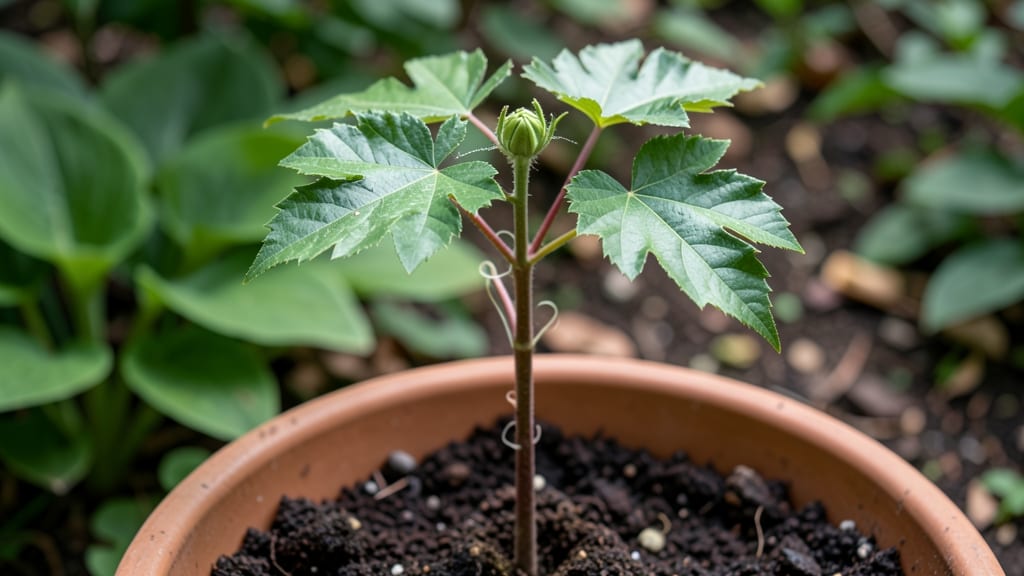
Passion fruit seedlings start as two round, smooth cotyledons that look like tiny, plump leaves—nothing like the vines you’ll see later. 🌱 These first leaves are your clue: they’re simple, unmarked, and often a soft green with a slightly waxy sheen, unlike the jagged edges of mature passion fruit foliage.
The real magic happens when the first true leaves appear, which are deeply lobed with serrated edges, almost like a miniature maple leaf—but with a slightly fuzzy texture.
Within 2-3 weeks, you’ll notice the vine habit emerging: slender, hairy stems that twist like tiny corkscrews as they grow. These seedlings grow fast, so expect to see 3-4 true leaves within a month, each one more pronounced than the last.
Compare them to other seedlings—passion fruit’s lobed, serrated leaves stand out against the smooth, rounded leaves of citrus or the deeply veined leaves of tomatoes.
The most tell-tale sign? The way the leaves grow in a spiral pattern along the stem, and the faint purple tint on the undersides of younger leaves.
This isn’t just a plant—it’s a vine in disguise, and spotting these early clues means you’re one step closer to a thriving passion fruit patch. Keep an eye out for these details, and you’ll never mistake them for anything else.
Once you’ve identified your seedlings, the next step is giving them the right support to grow into strong, productive vines.
Passion fruit plants need room to climb, so plan for a trellis or sturdy fence early—these aren’t shrubs, they’re aggressive climbers that will reward your patience with sweet, tropical fruit. The journey starts with those first tiny leaves, but the real adventure is just beginning.
Seedling Appearance Explained
Understanding why passion fruit seedlings look the way they do starts with their genetic programming and environmental triggers. These tiny plants aren’t just random sprouts—they follow a precise developmental blueprint shaped by nature and nurture. Here’s why their leaves, stems, and tendrils take on those distinctive features:
Passion fruit seedlings (Passiflora edulis and related species) inherit their leaf shape, vine structure, and growth habits directly from their parents. Here’s the science behind their signature look:
- Compound Leaves with Tendrils: Passion fruit vines are tendril-bearing climbers, meaning their leaves grow in palmate (hand-like) or trifoliate (three-part) arrangements—a trait hardwired into their DNA.
These tendrils (modified stems) help them cling to supports, a survival adaptation from their tropical origins. - Thin, Delicate Stems: Seedlings start with soft, hairy stems because their primary goal is rapid vertical growth to reach sunlight.
Thick stems come later as the plant matures and invests in structural support. - Variegation or Color: Some seedlings may show purple-tinged stems or leaves due to anthocyanin pigments, which protect young plants from UV radiation in bright tropical sunlight.
💡 Pro Tip: If your seedlings lack tendrils or have unusually thick stems, they might be a hybrid or a different Passiflora species—like Passiflora caerulea (blue passionflower), which has more robust growth.
Seedlings don’t grow in a vacuum—their appearance is heavily influenced by light, temperature, water, and soil. Here’s how each factor plays a role:
| Factor | Effect on Seedlings | What to Watch For |
|---|---|---|
| Low Light | Leaves grow larger and paler (etiolation) to maximize light absorption. | Long, weak stems; yellowing between veins. |
| High Heat | Leaves may curl or scorch at the edges due to transpiration stress. | Brown tips; slower growth. |
| Overwatering | Roots suffocate, leading to yellow, mushy leaves and stunted growth. | Blackened stems; foul smell from soil. |
| Poor Drainage | Seedlings develop root rot, causing leaves to drop prematurely. | Wilting despite wet soil; dark, slimy roots. |
| Nutrient Deficiency | Leaves turn yellow (chlorosis) or develop purple undersides (phosphorus lack). | Slow growth; weak, brittle stems. |
🔥 Warning: If seedlings look stunted with tiny, dark green leaves, they might be overcrowded—passion fruit vines need space to spread (at least 6–10 feet apart for mature plants).
Even before you see them, seedlings are chemically primed to grow in specific ways. Key hormones at play:
- Auxins: Promote cell elongation, making stems stretch toward light (phototropism).
This is why seedlings grow tall and thin early on. - Gibberellins: Encourage leaf expansion and tendril development, helping the vine climb. - Ethylene: Released under stress (like drought or damage), it can stunt growth or cause abnormal leaf shapes.
🌡️ Fun Fact: If you notice seedlings growing toward a window, auxins are working overtime—this is their way of seeking sunlight before they can photosynthesize efficiently.
Even healthy-looking seedlings can be secretly struggling due to microscopic threats:
- Fungal Infections (e.g., powdery mildew): Cause white fuzzy coatings on leaves, reducing photosynthesis.
Seedlings may look stunted with crinkled leaves. - Aphids or Spider Mites: Sap-sucking pests leave sticky residue (honeydew) and yellow spots, weakening the plant. - Root-Knot Nematodes: Attack roots, leading to poor nutrient uptake—seedlings may have small, chlorotic leaves despite good care.
✨ Prevention Tip: Use neem oil spray on seedlings to deter pests before they take hold. Check the undersides of leaves for tiny webs or bugs—early signs of infestation!
Passion fruit seedlings are sensitive to soil chemistry. If their environment isn’t just right, their appearance suffers:
- Too Acidic (pH < 5.5): Locks out phosphorus and calcium, causing purple stems and leaf curling.
- Too Alkaline (pH > 7.0): Limits iron and manganese, leading to yellowing between veins (interveinal chlorosis).
- Compacted or Rocky Soil: Strangles roots, resulting in slow growth and small, dark leaves.
🎯 Action Step: Test your soil’s pH (ideal range: 6.0–7.0) and amend with compost or sulfur if needed. Passion fruit loves well-draining, slightly acidic soil—think loamy and rich in organic matter.
Seedlings don’t stay the same—they morph as they mature. Here’s the timeline:
- Germination (0–7 days): Tiny cotyledons (seed leaves) appear—these look round and simple, not the classic passion fruit shape yet.
- Early Growth (1–4 weeks): True leaves emerge, palmate or trifoliate, with tendril hooks forming at leaf axils.
- Vine Stage (4+ weeks): Stems thicken, leaves darken, and side shoots begin branching out.
🔪 Key Observation: If your seedlings skip stages (e.g., no tendrils at 4 weeks), they may be stressed or a different variety. Compare them to healthy reference images of Passiflora edulis seedlings.
Fixing Common Seedling Struggles
Passion fruit seedlings are delicate but resilient—when they show signs of distress, quick action can turn things around. Below are practical fixes for the most common issues, paired with prevention tips to keep your young vines thriving. 🌱
Cause: Overwatering, poor drainage, or nutrient deficiency. Fix:
- Repot immediately if soil feels soggy. Use a well-draining mix (50% coconut coir, 30% perlite, 20% compost).
- Adjust watering: Let the top 1–2 inches of soil dry out between waterings. Passion fruit seedlings hate wet feet!
- Fertilize lightly with a balanced liquid fertilizer (10-10-10) diluted to half-strength. Avoid heavy doses—young roots are sensitive.
Prevention Tips: ✔ Use pots with drainage holes—no exceptions! ✔ Mulch with straw to retain moisture without suffocating roots. ✔ Test soil pH (6.0–7.0 is ideal). Use a simple kit or vinegar/baking soda test.
Cause: Insufficient light or overcrowding. Fix:
- Move seedlings to a bright, indirect spot (east or west-facing window). If indoors, supplement with a grow light 12–14 hours/day.
- Prune leggy stems by pinching back the top 2–3 inches to encourage bushier growth. Use clean scissors to avoid disease.
- Thin seedlings if overcrowded—keep at least 6 inches between plants.
Prevention Tips: 💡 Start with larger seeds (not tiny ones) for stronger initial growth. 🌡️ Keep temperatures stable (65–80°F). Avoid cold drafts or heaters too close. 🎯 Rotate pots weekly to ensure even light exposure.
Cause: Spider mites, aphids, or mealybugs love tender seedlings. Fix:
- Isolate affected plants to prevent spread.
- Blast off pests with a strong stream of water (early morning works best).
- Spray neem oil solution (1 tsp neem oil + 1 tsp mild soap + 1 quart water). Reapply every 5–7 days until pests vanish.
- Introduce beneficial insects like ladybugs or lacewings for long-term control.
Prevention Tips: ✨ Inspect new plants before bringing them home (quarantine for 2 weeks). 🔥 Avoid over-fertilizing—weak plants attract pests. 🌿 Use reflective mulch (like aluminum foil) to deter crawling insects.
Cause: Fungal infection (often from overwatering or poor airflow). Fix:
- Remove the seedling from the pot and trim away blackened tissue with sterilized scissors.
- Repot in fresh, sterile soil (bake soil in the oven at 200°F for 30 minutes to kill fungi).
- Apply fungicide (copper-based or hydrogen peroxide 3%) to the soil and leaves.
- Improve airflow by spacing plants farther apart and using a small fan (gentle breeze helps).
Prevention Tips: 💡 Sterilize tools with rubbing alcohol before each use. 🌡️ Water in the morning so foliage dries quickly. 🍃 Avoid wetting leaves—water at the soil base instead.
Pro Tip: 🌱 Monitor humidity—passion fruit seedlings thrive in 50–70% humidity. Use a humidifier or place a tray of water near seedlings if your home is dry.
Remember: Most issues are fixable with early action and proper care. Keep an eye on your seedlings, and they’ll reward you with vibrant growth and future fruit! 🍈✨
Frequently asked questions
How can I tell if my tiny green sprouts are actually passion fruit seedlings?
Look for the two smooth cotyledons (first leaves) that appear first—these are round and simple, not lobed. The real giveaway comes when the true leaves emerge: they’ll be deeply lobed with serrated edges (like miniature maple leaves) and grow in a spiral pattern. Check for tiny tendril hooks forming at the leaf axils—this vine habit is unique to passion fruit.
Why do my passion fruit seedlings have purple stems or leaves?
That purple tint comes from anthocyanin pigments, which protect young plants from intense sunlight. It’s completely normal, especially in cooler temperatures. If the purple spreads to older leaves or appears alongside yellowing, your seedlings might need more phosphorus—try a light application of bone meal or a balanced fertilizer.
What should I do if my passion fruit seedlings look leggy or stretched?
Leggy seedlings need more light! Move them to a bright, indirect spot (like an east-facing window) or add a grow light for 12–14 hours/day. Pinch back the top 2–3 inches of the stem to encourage bushier growth, and thin crowded seedlings to give them 6+ inches of space. Avoid overwatering—let the top 1–2 inches of soil dry out between waterings.
Can I grow passion fruit seedlings indoors, and what do they need?
Yes! Start with a south- or west-facing window and supplement with a grow light if natural light is weak. Use a well-draining mix (like 50% coconut coir + 30% perlite + 20% compost) and keep humidity high (use a tray of water or humidifier). Maintain temperatures between 65–80°F—avoid cold drafts or heaters near the plants.
How do I know if my passion fruit seedlings are healthy or struggling?
Healthy seedlings have dark green, lobed leaves with visible veins, hairy but firm stems, and new growth appearing regularly. Watch for red flags: yellowing leaves (overwatering or nutrient deficiency), blackened stems (root rot), or tiny webs (pests like spider mites). If you see these, adjust care immediately—seedlings recover faster when issues are caught early!