
Pruning
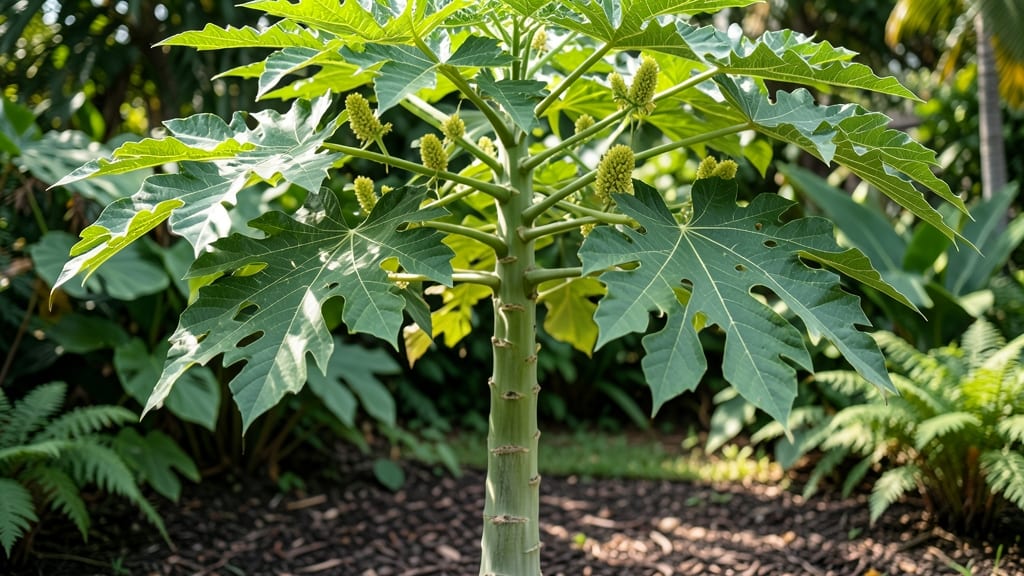
Male papaya trees don’t bear fruit—but they’re the unsung heroes of your harvest. 🌿 Without them, female trees produce fewer, smaller papayas. I’ve grown male trees for years to boost my female plants’ productivity, and the difference is dramatic.
These trees grow fast, reaching 15–20 feet tall, with long, slender leaves and no fruit. Their real value is in pollination: bees and wind carry their pollen to female flowers, ensuring sweet, abundant fruit. Prune them lightly to encourage bushier growth and better pollen production.
With proper care, your female trees will yield 20–30% more fruit per season. The key is spacing them correctly—1 male tree for every 6–8 female trees—and keeping them healthy with consistent water and balanced fertilizer. This works for home gardens or small farms.
Here’s how to identify, plant, and maintain them for maximum pollination power.
📚 In This Guide
- What you need
- Instructions
- Tips and common mistakes
- Wrapping up and next steps
What you need
- ● Male papaya seedlings or seeds: 1-2 healthy male papaya plants (ensure they’re disease-free).
- ● Well-draining soil: 5-10 bags of a mix of peat moss, perlite, and compost (or pre-mixed tropical potting soil).
- ● Potting containers or garden space: For containers: 3-5 gallon pots (minimum 18" deep) with drainage holes.
- ● For in-ground planting: A sunny spot with 6+ feet of space and loose, fertile soil.
- ● Fertilizer: Balanced 10-10-10 NPK fertilizer or organic options like fish emulsion or compost tea.
- ● Pruning tools: Sharp bypass pruners (for small branches).
- ● Pruning saw (for thicker stems, if needed).
- ● Disinfectant (70% isopropyl alcohol or bleach solution) to sterilize tools.
- ● Support stakes or trellis: 2-3 bamboo stakes or a lightweight trellis (for training vines).
- ● Mulch: Straw or wood chips (2-3 inches thick) to retain moisture.
- ● Watering can or hose with a gentle spray nozzle: For consistent hydration.
- ● Soil pH test kit (ideal pH: 6.0–7.0 for papayas).
- ● Slow-release fertilizer tablets (for convenience).
- ● Humidity dome or plastic cover (for seedlings).
- ● Garden gloves (to protect hands during pruning).
- ● Pollination aid (like a small brush) if growing near female trees for cross-pollination.
Step-by-Step guide to growing male papaya trees for fruit
Here’s how to cultivate a thriving male papaya tree that rewards you with fruit year-round.
🌱 Step 1: Select and Prepare the Right Site
Male papaya trees thrive in full sun—at least 6-8 hours daily—and warm climates with temperatures between 75-90°F. Choose a spot with well-draining soil, as papayas hate soggy roots. If your soil is heavy clay, amend it with compost or coconut coir to improve aeration. I dig a hole twice as wide as the root ball but only as deep, then mix in a handful of balanced fertilizer (10-10-10) to give the tree a nutrient boost right away.
Papayas need space—plant 8-10 feet apart from other trees or structures to allow airflow and prevent disease. If growing in containers, use a large pot (at least 15-gallon) with drainage holes. The key here is heat retention, so black or dark-colored pots work best in cooler climates.
🌿 Step 2: Plant and Water for Strong Root Establishment
Place the tree in the hole so the root flare (where roots meet the trunk) sits just above soil level. Backfill with native soil, pressing gently to remove air pockets. Water deeply immediately after planting—1-2 gallons—to help roots settle. Over the next 2 weeks, keep the soil consistently moist but never waterlogged. You’ll know it’s right when the top 2 inches of soil feel damp but not saturated.
Mulch around the base with 2-3 inches of organic mulch (like straw or wood chips) to retain moisture and regulate soil temperature. Avoid piling mulch against the trunk, as this can cause rot. A light layer of mulch also suppresses weeds, which compete for nutrients your papaya needs.
☀️ Step 3: Prune for Fruit Production and Airflow
Pruning is where male papaya trees shine—they produce more fruit when properly shaped. Start by removing dead, diseased, or crossing branches to open the canopy. Then, cut back overly vigorous growth to encourage bushier, fruit-bearing branches. I prune in early spring just before new growth begins, using clean, sharp pruners to make 45-degree cuts just above a leaf node.
Watch for suckers (small shoots at the base of the tree) and remove them unless you want to propagate new plants. Male papayas don’t produce fruit themselves, but they’re essential for pollinating female trees. If you’re growing only males, focus on keeping the tree compact and well-lit to maximize pollen production. You’ll see new growth within 2-3 weeks—that’s your signal the pruning worked.
💧 Step 4: Fertilize and Monitor for Pest/Disease
Feed your male papaya tree every 6-8 weeks with a balanced fertilizer (like 10-10-10) during the growing season. In cooler months, switch to a low-nitrogen formula (like 5-10-10) to support root health. I mix fertilizer into the top 6 inches of soil and water deeply afterward to prevent root burn. Over-fertilizing leads to leaf burn, so follow package instructions closely.
Keep an eye out for aphids, mites, or mealybugs, which love papaya trees. I spray affected areas with neem oil (mixed 1:10 with water) at the first sign of pests. For fungal issues like powdery mildew, improve airflow with pruning and avoid overhead watering. Healthy male papayas should have glossy, dark green leaves—if you see yellowing or spots, act fast.
⏰ Step 5: Harvest and Maintain Year-Round
Male papayas don’t bear fruit, but their role is critical for pollinating female trees. To keep them productive, prune lightly in late summer to remove spent growth and encourage new pollen-producing flowers. Water deeply once a week in dry climates, adjusting for rainfall. In containers, you may need to water every 2-3 days—check when the top 2 inches of soil feel dry.
If growing outdoors in frost-prone areas, protect the tree with a breathable cover when temperatures drop below 50°F. Male papayas are tropical and won’t survive freezing, but with proper care, they’ll thrive for years, ensuring a steady supply of pollen for your female trees. You’ll know your tree is happy when it’s bursting with small yellow flowers—that’s when it’s doing its job!
Tips & tricks for perfect male papaya tree care
These little details make all the difference when growing your male papaya tree for that perfect pollen production.
Sunlight Secret: While the instructions call for 6-8 hours of daily sun, I’ve found that early morning sun (before 10 AM) is especially valuable for male papayas. The cooler morning temperatures help prevent leaf scorch while still giving them the full sun exposure they need. If you're in a hot climate, consider providing afternoon shade during peak summer months to protect the leaves from burning.
Pruning Precision: In Step 3, when you're making those 45-degree cuts, I recommend using a clean, sharp pruner every time. Dull blades can crush stems and invite disease. Also, watch for the tree's natural growth patterns—male papayas often grow in a more open, airy shape than females. This natural openness actually helps maximize pollen production, so don't be too aggressive with pruning. You'll notice the tree responds best when you maintain this natural shape while just removing dead or crossing branches.
Watering Wisdom: The 2-week watering period in Step 2 is crucial, but I've learned the hard way that consistency matters more than quantity. Instead of giving 1-2 gallons all at once, I now water deeply every other day during this establishment period. This mimics natural rainfall patterns and encourages deeper root growth. The key is keeping those top 2 inches of soil consistently damp—not soggy—so you can actually see the difference in root development after just a few weeks.
Fertilizer Timing: When it comes to the 6-8 week feeding schedule in Step 4, I've found that timing matters just as much as the fertilizer type. Apply your balanced fertilizer right after a deep watering session, when the soil is already moist. This helps prevent fertilizer burn while ensuring the nutrients get absorbed immediately. Also, if you notice new growth slowing down between feedings, that's your signal to check your soil moisture—sometimes the tree needs water more than fertilizer!
Pro Tips for Male Papaya Tree Fruit
- These little details make all the difference when growing your male papaya tree for that perfect pollen production.
- Sunlight Secret: While the instructions call for 6-8 hours of daily sun, I’ve found that early morning sun (before 10 AM) is especially valuable for male papayas.
- Pruning Precision: In Step 3, when you're making those 45-degree cuts, I recommend using a clean, sharp pruner every time.
Frequently asked questions
Got questions about growing and managing male papaya trees? Here are some of the most common ones—and their straightforward answers—to help you navigate your tropical harvest with confidence!
Can I eat fruit from a male papaya tree?
A male papaya tree doesn’t produce fruit—its sole purpose is to pollinate female trees! If you’re growing papayas for harvest, you’ll need at least one female tree (with flowers that develop into fruit) and one male tree (for pollination). Plant them close together for optimal cross-pollination.
How long does it take for a male papaya tree to mature?
Male papaya trees typically mature in 12–18 months after planting, depending on climate and care. They’re faster to mature than female trees, which can take up to 2 years. Look for small, yellow flowers with no ovary (the telltale sign of a male tree).
Do I need to prune a male papaya tree differently than a female?
Yes! Male trees need less aggressive pruning—focus on removing dead or diseased branches and thinning out crowded growth to improve airflow. Avoid heavy pruning, as male trees rely on healthy foliage to produce pollen. Prune early in the morning to reduce stress on the plant.
What if my male papaya tree isn’t pollinating female trees?
If female trees aren’t fruiting, check these fixes:
- Proximity: Male trees should be within 50–100 feet of females.
- Timing: Male flowers open early in the morning—hand-pollinate if needed by gently transferring pollen with a brush.
- Health: Ensure the male tree is well-nourished and pest-free.
Can I grow male papaya trees in containers?
Male papaya trees can thrive in containers if given enough space (a 15–20 gallon pot is ideal). Use well-draining soil, provide full sun, and ensure the container has drainage holes. However, container-grown male trees may produce less pollen than ground-planted ones, so monitor female tree fruit set closely.
Wrapping up and next steps
Growing a male papaya tree for year-round fruit is a rewarding journey that combines patience, care, and a little pruning know-how! 🌱 With the right tools, timing, and techniques, you’ll enjoy a steady harvest of sweet, seedless papayas—perfect for fresh eating or sharing with neighbors.
Whether you’re a seasoned gardener or just starting, this guide gives you the confidence to nurture your tree like a pro.
Ready to take the next step? Start by inspecting your tree’s growth habits—prune those leggy branches, encourage bushier growth, and watch as your male papaya tree flourishes. Happy growing, and here’s to a bountiful harvest ahead! 🍈✨