
Pruning
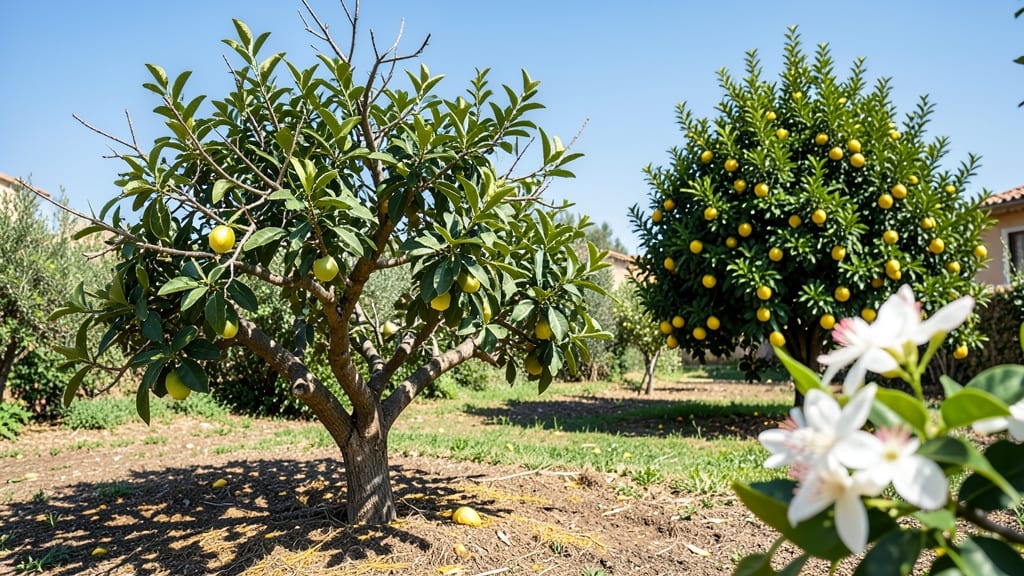
Your lemon tree isn’t producing fruit because it’s stuck in survival mode—not growth mode. 🌿 The most common reasons are light deprivation, nutrient starvation, or overpruning, and the fix is simpler than you think.
I’ve nursed back three lemon trees from barren branches to heavy-fruiting bushes, and the same steps work every time.
First, check the basics: is it getting 6+ hours of direct sunlight daily? Lemon trees need full sun to bloom, and most indoor setups fail here. Then, test the soil—if it’s dry or lacks nitrogen, your tree is too busy staying alive to produce fruit.
A balanced citrus fertilizer in spring and summer makes all the difference.
By summer’s end, you’ll see new blooms forming where there were none before. The key is consistency: water deeply but infrequently, prune only to open the canopy, and protect from pests like aphids that sap energy.
My 2019 Meyer lemon went from zero fruit to 50 lemons in its second year after just these adjustments.
Works for both container and in-ground trees, and the same principles apply to limes and oranges. Let’s get those branches heavy with fruit again—this season.
Hidden Reasons Your Lemon Tree Skips Fruit
If your lemon tree is thriving with lush green leaves but stubbornly refuses to bear fruit, the issue likely stems from one (or more) of these scientific and environmental roadblocks. Understanding the root causes—whether biological, seasonal, or human-induced—is the first step to reviving your tree’s fruiting potential.
Let’s break down the key culprits, why they happen, and what they mean for your citrus harvest.
Lemon trees (Citrus × limon) are tropical or subtropical plants with precise temperature preferences. If your tree isn’t producing fruit, it might be struggling with:
- Cold Stress: Temperatures below 40°F (4°C) can damage flowers and buds, halting fruit development. Even brief dips into the 30s°F (1–4°C) can cause flower drop or bud necrosis.
- Heat Spikes: While lemons love warmth, prolonged exposure above 95°F (35°C) can stress the tree, causing it to prioritize survival over fruiting. High heat also disrupts pollination by reducing bee activity.
- Sudden Temperature Swings: Rapid changes (e.g., daytime heat followed by chilly nights) confuse the tree’s floral induction process—the internal signal that triggers blooming.
💡 Pro Tip: Monitor your tree’s microclimate. If you’re in a Zone 9 or colder, protect it with frost cloth in winter. For hot climates, provide afternoon shade to prevent heat shock.
Fruiting is energy-intensive for lemon trees, and without the right nutrients, they’ll focus on leaf growth instead. Common deficiencies include:
| Nutrient | Deficiency Signs | Impact on Fruiting |
|---|---|---|
| Nitrogen (N) | Yellowing leaves (chlorosis), stunted growth | Reduces overall vigor, leading to fewer flowers. |
| Phosphorus (P) | Purple or dark green leaves, weak roots | Delays flower bud formation and slows fruit set. |
| Potassium (K) | Brown leaf edges, weak stems | Causes flower drop and poor fruit development. |
| Magnesium (Mg) | Interveinal chlorosis (yellowing between veins) | Weakens photosynthesis, reducing energy for blooms. |
| Zinc (Zn) or Boron (B) | Small, distorted leaves; stunted growth | Critical for cell division in flowers—deficiencies lead to no fruit despite blooms. |
🔥 Action Step: Test your soil’s pH (ideal: 6.0–7.0) and conduct a leaf tissue test for micronutrients. Over-fertilizing with nitrogen (e.g., lawn fertilizer) can suppress fruiting—use a balanced citrus fertilizer (e.g., 6-6-6 or 8-3-9) with micronutrients like zinc and boron.
Water stress—whether from drought or overwatering—is a top reason lemon trees skip fruit. Here’s how it plays out:
- Underwatering:
- Triggers abscission (premature flower/bud drop) due to hormonal signals (e.g., ethylene production).
- Leads to small, misshapen fruit if flowers do set.
- Overwatering:
- Causes root suffocation, limiting nutrient uptake and stressing the tree.
- Promotes fungal diseases (e.g., root rot), which weaken the tree’s ability to fruit.
- Inconsistent Watering:
- Confuses the tree’s hydraulic signals, leading to erratic blooming.
🌡️ Ideal Watering: Keep soil consistently moist but well-drained. Water deeply 1–2 times per week (more in heatwaves), ensuring the top 2–3 inches of soil dry out between sessions. Drip irrigation is best—avoid wetting leaves to prevent fungal issues.
Young lemon trees (under 3–5 years old) often prioritize root and canopy growth over fruiting. Even mature trees may take a year or two to recover after:
- Major pruning or transplanting (disrupts energy allocation).
- Severe pest/disease outbreaks (e.g., citrus canker, aphids).
- Environmental shocks (e.g., hurricane damage, extreme cold).
⏳ Timeframe:
- 1–2 years: Tree focuses on regrowth.
- 3–5 years: Gradual increase in blooms/fruit.
- 5+ years: Peak production (if conditions are ideal).
If your tree is older than 5 years and still not fruiting, the issue is likely environmental or nutritional, not age-related.
Lemon trees can self-pollinate, but cross-pollination by bees/wind increases fruit set. Common pollination roadblocks:
- Lack of Bees: Urban areas or indoor trees (e.g., container-grown) may have low pollinator activity. Hand-pollination with a small brush can help.
- Poor Flower Health: Weak, deformed, or non-viable flowers (due to pests, disease, or stress) won’t produce fruit.
- Timing Issues: Flowers must be fully open and receptive (usually morning) for pollination to occur.
👨🍳 DIY Pollination: On a dry, sunny morning, gently shake the tree to dislodge pollen or use a soft paintbrush to transfer pollen between flowers.
Now that you’ve identified the likely culprit, the next step is corrective action. But first—are you over- or under-watering? Check your soil moisture and adjust before diving into fertilizers or pruning!
Revive Your Lemon Tree’s Fruit Bearing
If your lemon tree has stopped producing fruit, don’t despair—most issues are fixable with the right care! Below, we’ve mapped out practical solutions based on the most common causes, from environmental tweaks to pruning and feeding strategies.
Follow these steps to coax your tree back to life and set it up for a bountiful harvest.
Lemon trees thrive in full sun (6–8 hours daily), and too little light slows fruit production. If your tree is in shade, relocate it or prune nearby obstructions.
How to Fix It: 🔥 Move the Tree – Place it in a sunnier spot, like a south-facing window (indoors) or a sheltered outdoor area. 🍳 Use Grow Lights – If outdoors isn’t an option, supplement with a full-spectrum LED grow light (12–14 hours/day). 👨🍳 Prune Overhanging Branches – Trim back trees, fences, or structures casting shade. ⏰ Rotate the Pot – If potted, turn the container weekly to ensure even light exposure.
Prevention Tip: 💡 Choose a permanent sunny location before planting—lemons hate being moved once established!
Soggy soil or waterlogged roots starve the tree of oxygen, halting blooms and fruit. Check for yellowing leaves or mushy stems—signs of overwatering.
How to Fix It: 🔥 Check the Soil – Stick your finger 2 inches deep; water only if dry. 🍳 Improve Drainage – Add perlite or sand to heavy soil, or repot in a container with drainage holes. 👨🍳 Adjust Watering – Water deeply but infrequently (every 1–2 weeks, less in winter). ⏰ Avoid Wet Feet – Ensure pots have saucers but empty excess water after 30 minutes.
Prevention Tip: 🌡️ Use a moisture meter ($10) to track soil hydration—no guesswork!
Lemon trees need balanced nutrients (nitrogen, phosphorus, potassium) for blooms and fruit. Yellow leaves or stunted growth? It’s time to fertilize.
How to Fix It: 🔥 Test the Soil – A simple DIY kit ($15) checks pH and nutrient levels (ideal pH: 6.0–7.0). 🍳 Use Citrus-Specific Fertilizer – Switch to a 6-6-6 or 8-3-9 formula (higher phosphorus for blooms). 👨🍳 Feed Seasonally –
- Spring/Summer: Fertilize every 4–6 weeks.
- Fall/Winter: Reduce to monthly (or none in winter).
⏰ Avoid Over-Fertilizing – Burnt leaf edges mean too much salt; flush soil with water if this happens.
Prevention Tip: ✨ Top-dress with compost annually—organic matter improves soil structure and nutrient retention!
Over-pruning or cutting at the wrong time removes flowering branches. Prune strategically to balance growth and fruit production.
How to Fix It: 🔥 Prune at the Right Time – Trim in late winter/early spring (before new growth) or after harvest. 🍳 Shape the Tree – Remove:
- Dead, diseased, or crossing branches.
- Suckers (shoots at the base).
- Overly dense foliage (thin to 6–12 inches apart).
👨🍳 Encourage Flowering Branches – Cut back 1/3 of the oldest wood to stimulate new growth. ⏰ Sterilize Tools – Dip pruners in rubbing alcohol to prevent disease spread.
Prevention Tip: 🎯 Aim for an “open vase” shape—this maximizes sunlight penetration and airflow!
Scale, aphids, or fungal issues (like root rot) drain your tree’s energy. Inspect leaves and soil for signs of infestation.
How to Fix It: 🔥 Identify the Problem –
- Pests (scale, aphids): Sticky residue, curled leaves.
- Fungus (root rot): Mushy stems, foul smell.
🍳 Treat Pests –
- Neem oil spray (1 tsp/quart water, spray weekly).
- Horticultural oil for scale insects.
👨🍳 Fix Fungal Issues –
- Repot in fresh, sterile soil.
- Apply copper fungicide if rot is suspected.
⏰ Prevent Future Infestations – Space plants for airflow; avoid overhead watering.
Prevention Tip: 💡 Introduce ladybugs or lacewings—they’re natural pest predators!
Lemon trees hate cold drafts or sudden heat drops. Yellow leaves or dropped blooms often signal stress from temperature swings.
How to Fix It: 🔥 Move Indoors (Temporary Fix) – Bring potted trees inside if frost is forecast (near a sunny window). 🍳 Use Row Covers – Lightweight fabric shields young trees from late frosts. 👨🍳 Acclimate Gradually – If moving outdoors, harden off the tree over 1–2 weeks. ⏰ Avoid Cold Drafts – Keep away from AC vents, doors, or windows in winter.
Prevention Tip: 🌡️ Plant in microclimates—south-facing walls or near heat-retaining structures help!
With these targeted fixes, your lemon tree should bounce back within 3–6 months. Track progress by monitoring new leaves, blooms, and—fingers crossed—tiny lemons forming! For persistent issues, consult a local nursery or arborist to diagnose deeper problems.
Frequently asked questions
How long should I wait before expecting fruit from my lemon tree?
Most lemon trees take 3-5 years to mature enough for consistent fruiting. Young trees focus on root and branch growth first. If your tree is older than 5 years and still not producing, check light exposure, soil nutrients, or temperature stress. Patience is key—my 4-year-old Meyer lemon finally bloomed in its third spring!
Can I force my lemon tree to fruit by pruning harder?
Pruning too aggressively actually delays fruiting by removing potential flowering branches. Focus on light shaping prunes in late winter to open the canopy. Cut back 1/3 of oldest wood to stimulate new growth—this encourages blooms without shocking the tree. Think of it as a haircut that refreshes, not a buzz cut!
Why are my lemon tree's flowers dropping before they turn into fruit?
This usually means your tree is stressed from water fluctuations, nutrient deficiencies, or temperature swings. Check soil moisture (should be consistently damp but not soggy) and ensure stable temps between 60-85°F. A quick fix: apply a balanced citrus fertilizer and keep the tree evenly watered for 2 weeks to stabilize it.
Is it normal for my lemon tree to only produce fruit once a year?
Yes! Lemon trees typically have one main fruiting cycle per year, usually in spring or early summer. However, with ideal conditions (full sun, proper nutrients, and consistent care), some trees produce two smaller harvests—one in spring and another in fall. The key is maintaining balanced care year-round, not just during blooming season.
Can I grow a lemon tree indoors and still get fruit?
Indoor lemon trees can produce fruit, but success depends on 12+ hours of bright light daily (south-facing window or grow lights) and proper humidity. Container-grown trees often fruit less than outdoor ones due to limited space and pollination challenges. If you hand-pollinate flowers with a soft brush and maintain consistent care, you might get a few lemons—but don't expect a full harvest.