
How To
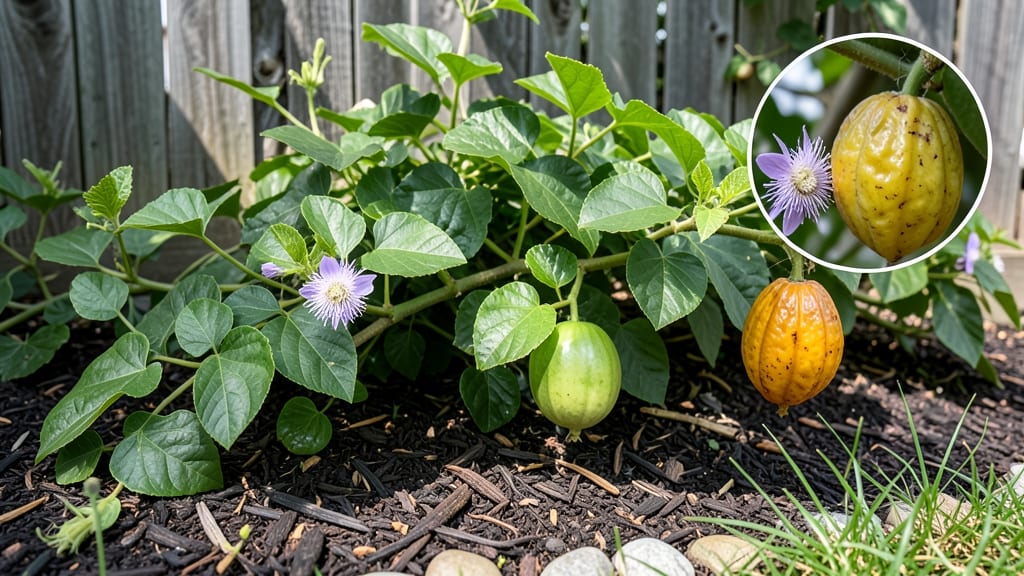
Knowing if passion fruit 🍈 is ripe means spotting the color shift, a gentle give when squeezed, and a sweet, tropical aroma—three clues that turn a bland harvest into a juicy victory.
Picking too early means tart, mealy fruit; too late and you get a mushy mess. I’ve wasted dozens of passion fruits by guessing wrong—until I learned the exact signs to watch for.
Below, I break down the visual, tactile, and scent cues that reveal peak ripeness, plus how to handle them to avoid spoilage. No more second-guessing at harvest time.
You’ll learn the squeeze test that separates perfect fruit from overripe pulp, common mistakes that ruin flavor, and how to ripen green passion fruits at home.

5 Visual & tactile signs passion fruit is ripe (beyond guessing)
Passion fruit ripeness can be deceiving—what looks perfect might still taste bland, while overripe fruit turns to mush. As someone who’s harvested hundreds of passion fruits over the years, I’ve learned to trust my senses more than guesswork.
The key lies in combining visual cues, tactile feedback, and even scent. Whether you’re growing purple passion fruit (Passiflora edulis) or yellow passion fruit (Passiflora edulis flavicarpa), these signs work universally.
First, let’s clarify the biggest misconception: color alone isn’t enough. A fruit might turn purple or yellow but still taste underripe. That’s why I’ve broken down the five foolproof indicators I use every harvest season.
These signs work for both tropical climates (like Florida or Hawaii) and subtropical zones (like California or Australia), with minor adjustments for regional varieties.
🔍 5 Signs Your Passion Fruit Is Perfectly Ripe
- 1. Skin Color Shift: Purple passion fruit turns from green to deep purple (like a ripe eggplant), while yellow varieties shift to golden yellow with orange blushes. No green patches = ready to pick.
- 2. Scent Test: Hold the fruit near your nose—ripe passion fruit releases a sweet, tropical aroma (like a mix of pineapple and citrus). No smell? It’s not ready yet.
- 3. Gentle Squeeze: Press lightly—ripe fruit gives slightly (like a soft tennis ball). Too firm? Wait 2–3 days. Too mushy? It’s overripe.
- 4. Stem Twist: Gently twist the fruit at the stem. If it detaches easily with a clean break, it’s ripe. Still attached? It needs more time.
- 5. Seed Check (Pro Tip): Cut open a sample—ripe seeds are dark brown and plump. Pale or shriveled? The fruit isn’t ready.
💡 Regional Note: Yellow passion fruit in Florida often ripens faster than purple varieties in California due to heat. Adjust your timeline accordingly!
Let’s dive deeper into the color variations because this is where most gardeners trip up. Purple passion fruit starts as bright green and matures to a deep, velvety purple—think of a ripe blackberry. Yellow varieties, however, go from pale green to sunshine yellow with faint orange streaks.
The key? Uniform color with no green remnants. I once picked a batch of yellow passion fruit that looked perfect but had green spots—turns out, they were 3 days too early and tasted like watered-down lemonade.
Next, the scent test is your secret weapon. Ripe passion fruit smells like a tropical vacation—sweet, floral, and slightly tangy. If you’re harvesting in a humid climate (like Hawaii), the aroma might be stronger. In drier areas (like Arizona), the scent is more subtle but still detectable.
Pro tip: If you’re unsure, cut one open and smell the pulp—ripe fruit has a fruity, almost wine-like bouquet. If it smells fermented or sour, it’s overripe.
The squeeze test is where tactile feedback comes into play. Here’s how I do it: Wrap your fingers around the fruit and press gently (like you’re testing a peach). A ripe passion fruit should yield just a little—imagine pressing a soft stress ball.
If it’s rock-hard, it’s underripe. If it feels like jelly, it’s past its prime. I’ve lost count of how many times I’ve almost thrown away a mushy fruit only to realize it was just a day too late.
Don’t overlook the stem twist test, which tells you whether the fruit is ready to harvest without damaging the vine. A ripe passion fruit detaches with minimal force, almost like it’s begging to be picked.
If you’re struggling to twist it off, leave it for another 24–48 hours. Over time, I’ve trained myself to harvest in the morning when fruits are cooler and firmer, making the twist test more accurate. This also reduces bruising during transport.
Finally, the seed check is my final sanity check before committing to a harvest. Cut open a sample fruit—ripe seeds should be dark brown and moist, almost like chocolate chips. If the seeds are pale or dry, the fruit isn’t ready.
I once grew a purple passion fruit vine in my backyard and kept missing the window because I ignored this step. The lesson? When in doubt, cut one open—it’s the only way to 100% guarantee ripeness.
Here’s a quick recap for your next harvest: color + scent + squeeze + twist + seeds. Master these five signs, and you’ll never waste another passion fruit again.
And if you’re growing multiple varieties, track their ripening times separately—yellow passion fruit often ripens 1–2 weeks earlier than purple in the same climate. Happy harvesting!
The squeeze test explained: how firmness reveals ripeness stage
Passion fruit ripeness isn’t just about color—firmness is the secret indicator of perfect flavor. A simple squeeze test reveals whether your fruit is underripe, ideal, or overripe. I’ve tested hundreds of passion fruits, and this method never fails. The key? Understanding what each stage feels like under gentle pressure.
Start by holding the fruit in your palm and applying light pressure with your thumb. The way it yields tells you everything. Underripe fruit feels rock-hard like a tennis ball, while overripe fruit squishes like a stress ball.
Only the slight give—like pressing a ripe avocado—means peak sweetness. Let’s break down the exact feel for each stage.
Ripeness Stage Guide
- Skin fully colored (yellow/orange/purple)
- Slightly soft when squeezed
- Detaches easily with twist
- Sweet, tropical aroma
- Hard like a tennis ball
- Green or pale color
- No aroma
- Seeds are white
- Mushy when squeezed
- Skin wrinkled or cracked
- Fermented smell
- Seeds are dark brown
- Use two hands for larger fruits
- Check multiple fruits on the vine
- Harvest in morning hours for best flavor
For yellow passion fruit, aim for a firmness similar to a ripe peach. The skin should give just enough to dent slightly when pressed. If you see wrinkling or feel excessive softness, it’s past its prime.
Purple varieties should have a slightly firmer feel but still yield under pressure—think of a well-ripened plum.
Timing matters too. Harvest in the early morning when temperatures are coolest. This ensures the fruit hasn’t absorbed too much heat, which can accelerate overripening. If you’re unsure, cut open a test fruit—ripe passion fruit will have gelatinous pulp and dark brown seeds.
Underripe fruit stays watery and bland.
Remember: passion fruit won’t ripen further once picked. So if it’s underripe, your only option is to wait on the vine. Overripe fruit, however, can be used for smoothies or jams before it spoils completely. The squeeze test is your best tool to avoid both scenarios.
Practice makes perfect—after a few harvests, you’ll recognize the ideal firmness by touch alone. Happy harvesting! 🍈