
Trees
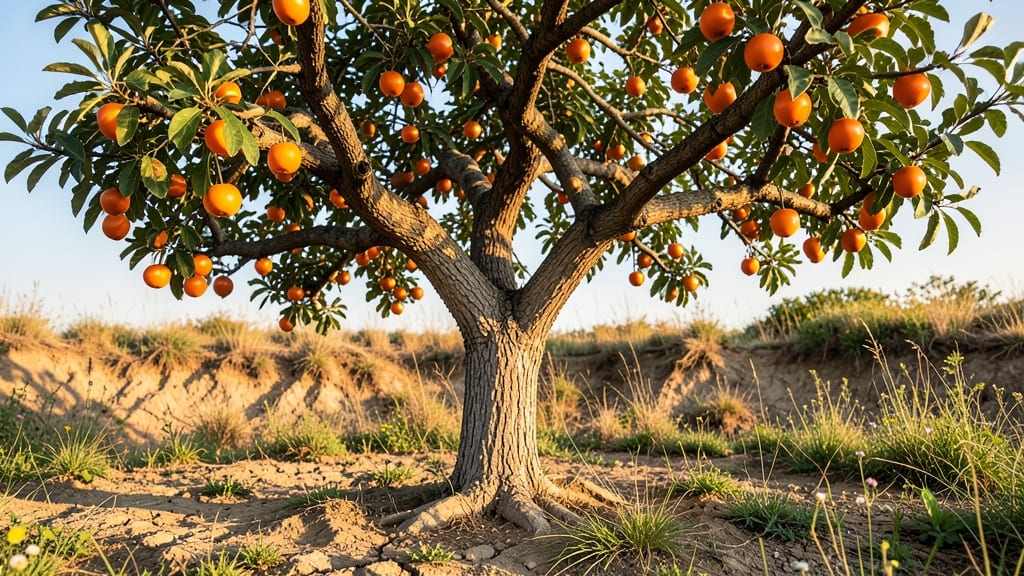
Indiana’s climate—with cold winters and hot summers—can still support thriving fruit trees. These 10 cold-hardy varieties thrive in the Hoosier State, offering sweet rewards from early spring blossoms to late fall harvests, even in Zone 5-6 conditions.
Honeycrisp Apple Tree
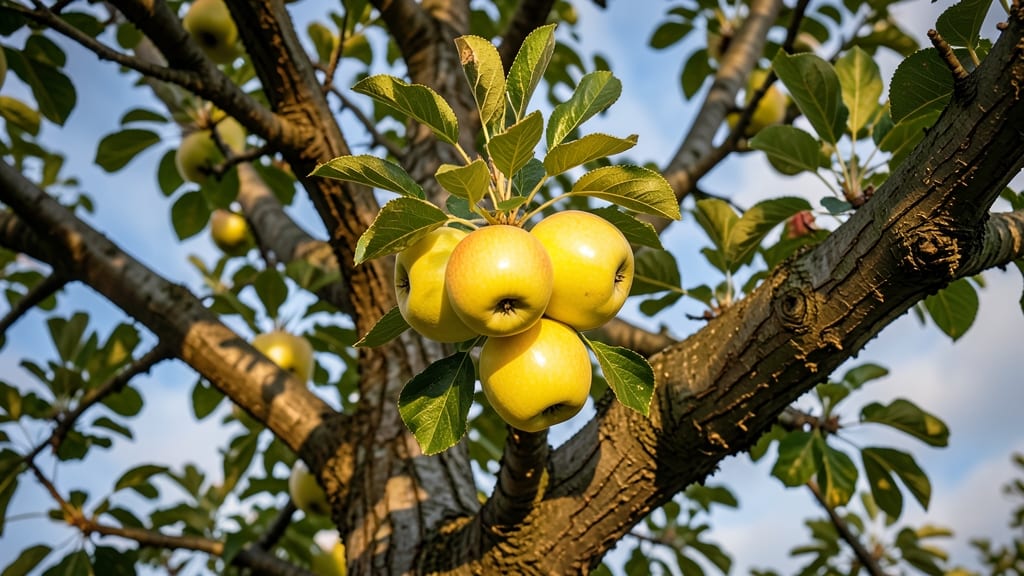
If you're craving the perfect Indiana-grown apple—crisp, sweet, and bursting with flavor—the Honeycrisp apple tree is your golden ticket. This variety has earned its reputation as the state’s favorite, thriving in Indiana’s climate while resisting common apple diseases like fire blight and apple scab.
Plant your Honeycrisp in well-drained soil with full sun (6-8 hours daily) and space trees 15-20 feet apart for proper airflow. It’s a heavy producer, yielding 150-200 pounds per tree at maturity, and its apples store well for months—ideal for home orchards or small-scale commercial sales. Prune annually to maintain shape and remove dead wood, and watch for late spring frosts that can damage blossoms.
This apple’s low-maintenance nature and exceptional flavor make it a standout for both beginner and experienced growers. Whether you’re harvesting for fresh eating or selling at a local market, Honeycrisp delivers year after year. 🌟
Patriot Pear Tree
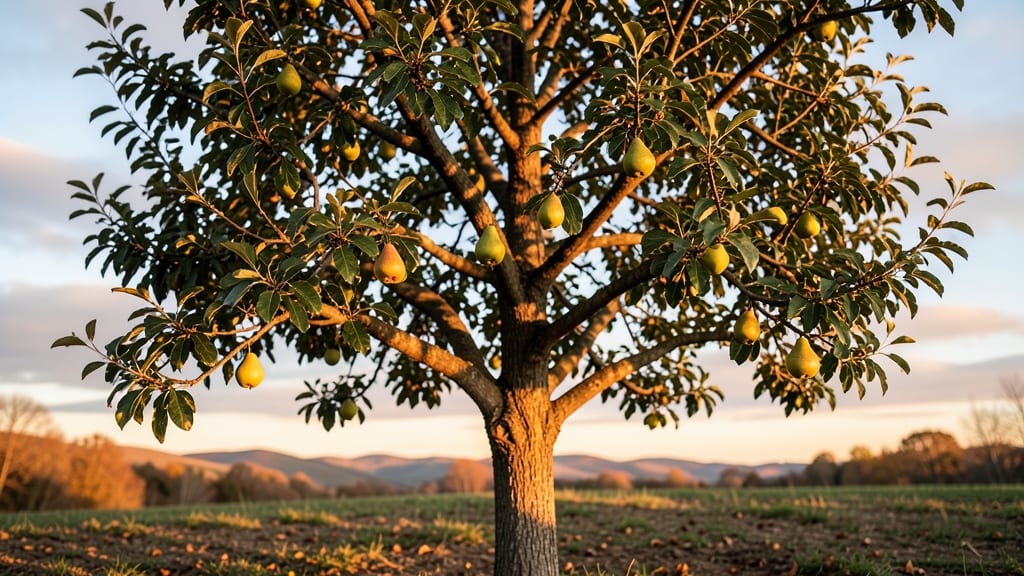
If you’ve ever dreamed of harvesting your own pears but worry about Indiana’s unpredictable weather or limited space, the Patriot Pear Tree is your answer. This variety thrives in Zone 5-8, making it one of the most reliable choices for Hoosier gardeners, and its compact size fits perfectly in small urban yards or even large containers.
What sets the Patriot apart is its exceptional disease resistance, particularly against fire blight—a common issue in pear trees. The fruit itself is a standout: sweet, firm, and slightly spiced, ideal for fresh snacking or baking pies and cobblers. For best results, plant in full sun with well-draining soil and space trees about 15-20 feet apart to allow airflow and reduce disease risk.
Urban gardeners and first-time fruit tree growers will love this low-maintenance option that delivers high-quality fruit with minimal fuss. 🌟
Montmorency Tart Cherry Tree
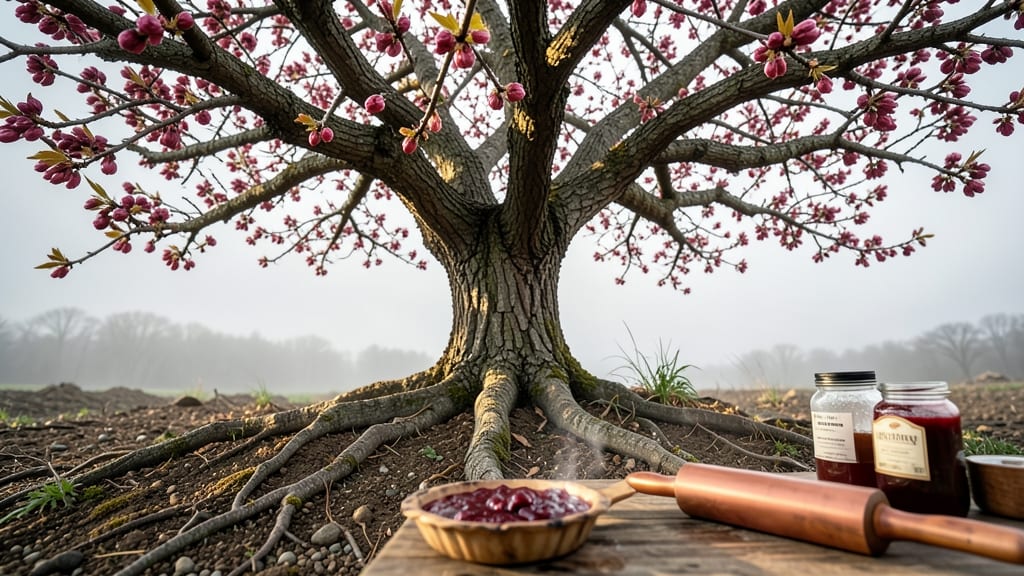
If you’ve ever dreamed of making homemade pie fillings or preserves but struggled with finicky fruit trees, the Montmorency tart cherry is your answer. This Indiana-hardy variety thrives in rocky, well-drained soil—even where other trees might struggle—and its late-blooming flowers dodge spring frosts that can devastate early blossoms.
Plant this self-pollinating tree in full sun (6+ hours daily) and expect a harvest in 2-3 years. Its small, tart cherries are perfect for canning, and the tree’s compact size (15-20 feet tall) makes it ideal for small orchards or even large containers. Organic growers love it because it resists cherry leaf spot with minimal intervention.
Perfect for backyard homesteaders and commercial growers alike, this tree turns Indiana’s rocky soils into a cherry-producing powerhouse. 🌟
Stark Gold Delicious Apple Tree
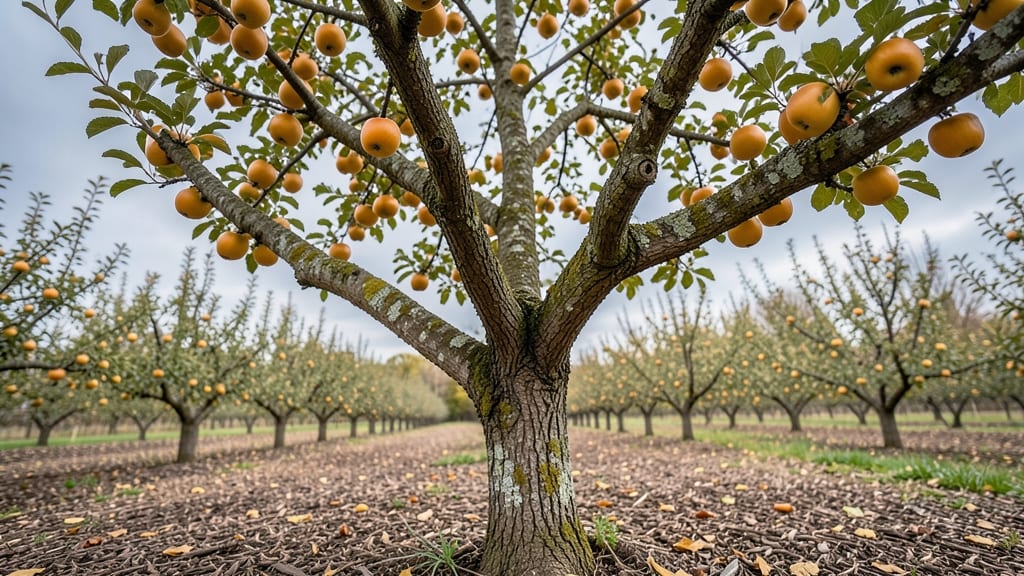
Looking for an apple tree that thrives in Indiana’s unpredictable weather while delivering reliable yields year after year? The Stark Gold Delicious apple tree is a standout choice for school gardens and community orchards, thanks to its exceptional cold hardiness and ability to store well for months.
This variety handles Indiana’s Zone 5-6 winters with ease, producing sweet, golden-red apples that stay crisp even after months of storage. It’s also disease-resistant, reducing the need for chemical sprays—a huge plus for educational settings. Plant in full sun with well-drained soil, and expect a mature tree to produce 50-100 pounds of fruit annually.
Perfect for group projects or public spaces, this tree combines durability with delicious rewards, making it a favorite for gardeners who want both beauty and bounty. 🌟
Everbearing Raspberry Bush
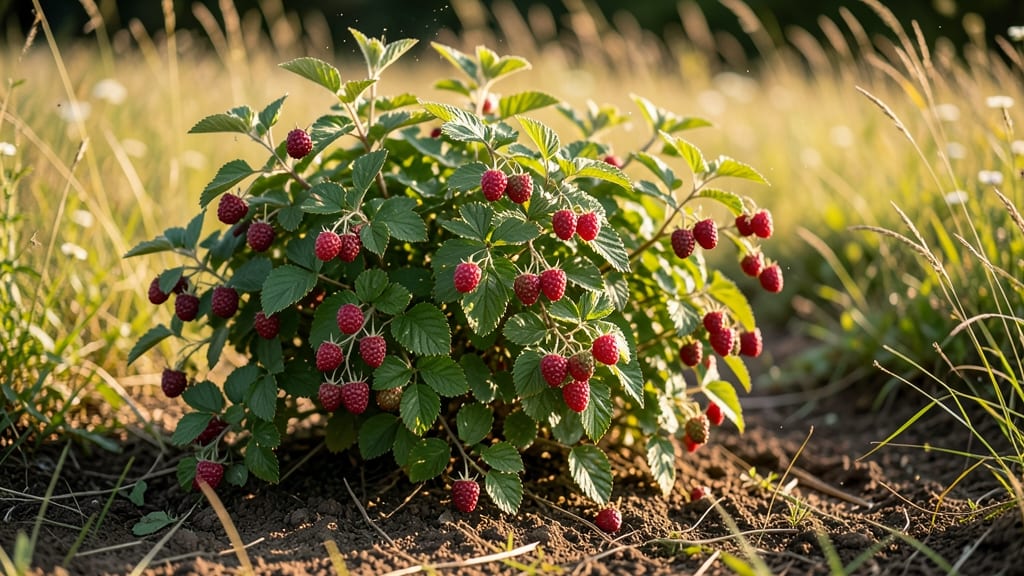
Skip the orchard and plant this everbearing raspberry bush instead—it’s Indiana’s secret weapon for year-round fruit production with almost no fuss. Unlike traditional raspberries that fruit just once, this variety delivers two harvests annually: one in early summer and another in late summer/fall, making it a game-changer for home gardeners.
Thriving in partial shade (a rarity for fruit-bearing plants), it’s perfect for spots where trees won’t grow, like under mature shade trees or along north-facing fences. Plant canes in well-draining soil and mulch heavily to retain moisture—then step back. These bushes are disease-resistant, low-maintenance, and even tolerate Indiana’s fluctuating weather better than many fruit trees.
Ideal for beginners or busy gardeners, everbearing raspberries fit seamlessly into small spaces, containers, or community gardens. With minimal pruning and care, you’ll enjoy fresh berries for jams, snacks, or desserts—no orchard required! 🌱
Elberta Peach Tree
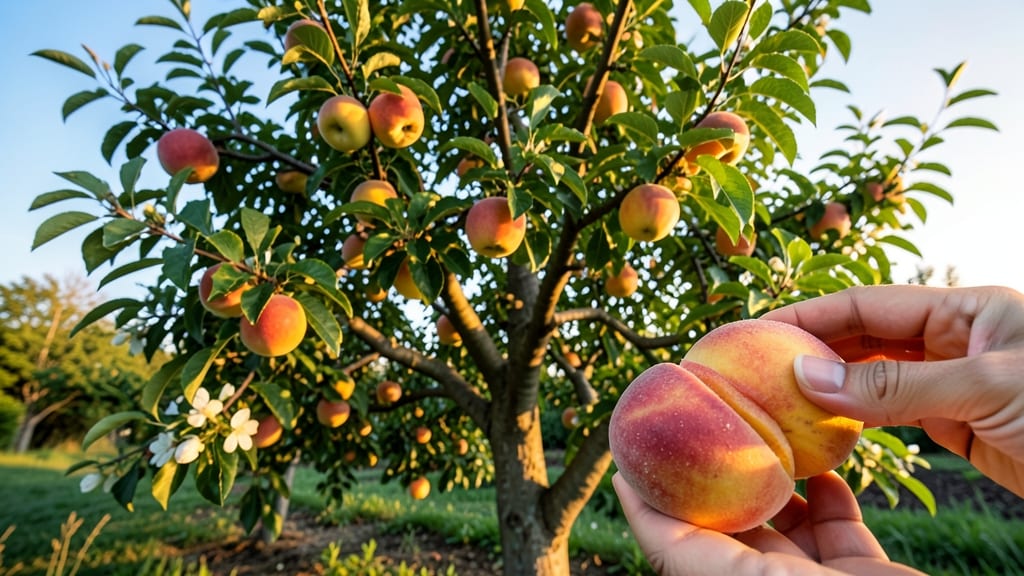
If you crave juicy, freestone peaches that practically melt in your mouth, the Elberta peach tree is Indiana’s top choice—sweet, cold-tolerant, and beloved by home growers. This variety thrives in Zones 4-9, making it perfect for Indiana’s climate, though late frosts can still threaten blossoms in northern regions.
Plant your Elberta peach tree in full sun with well-draining soil, and protect young trees with frost cloth or row covers during late spring blooms. Once established, it rewards you with large, yellow-fleshed peaches that ripen in late summer—ideal for fresh eating, canning, or freezing. Prune annually to maintain airflow and remove dead wood.
This tree is especially rewarding for first-time fruit growers in Indiana, offering reliable harvests with minimal fuss. Just remember: a little frost protection goes a long way for those early blooms! 🌻
Versailles Plum Tree
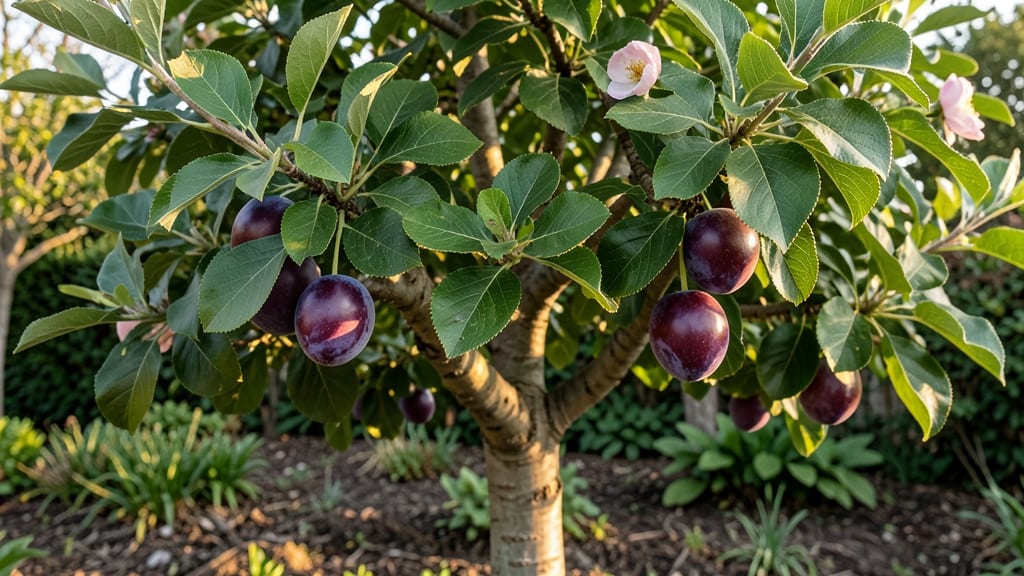
If you dream of fresh fruit but lack space for a full-sized orchard, the Versailles plum tree is your perfect solution. This compact, self-pollinating variety fits seamlessly into small yards, containers, or even urban balconies while delivering sweet, purple plums perfect for jams or fresh snacking.
Growing just 8-10 feet tall, this dwarf tree thrives in full sun (6-8 hours daily) and tolerates Indiana’s Zone 4-8 climates, making it ideal for northern and southern regions alike. Unlike many fruit trees, Versailles plums don’t require a pollinator partner—its flowers are self-fertile, ensuring fruit production with minimal effort. Plant in well-draining soil with a slightly acidic pH (6.0-6.5) for best results.
This variety is especially great for beginners or gardeners with limited space who still want homegrown fruit. With its low-maintenance nature and reliable harvests, you’ll enjoy plums in late summer without the fuss of traditional orchards. 🌻
Bluecrop Blueberry Bush
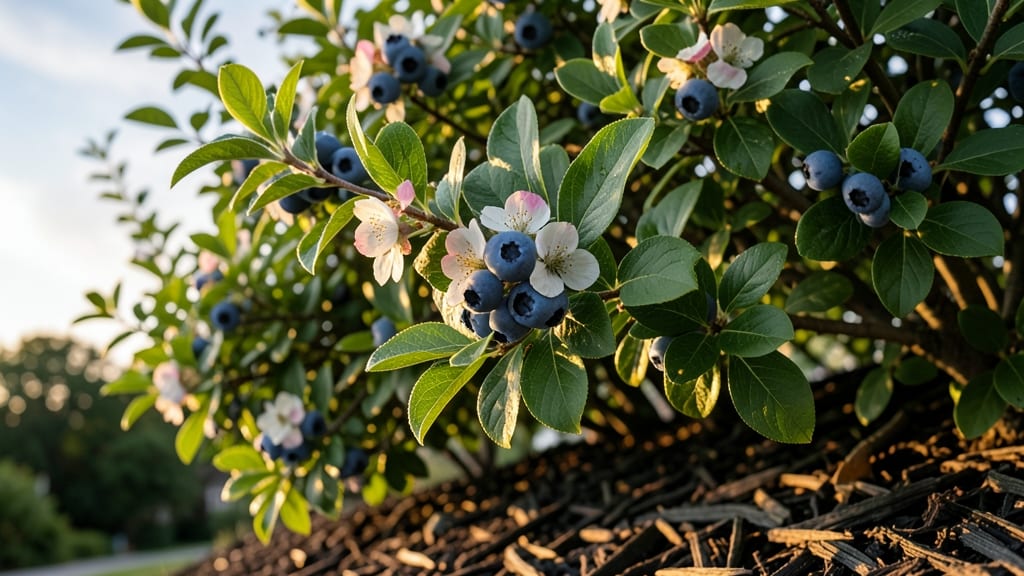
If you’ve ever struggled with Indiana’s neutral to alkaline soil, the Bluecrop blueberry bush is your game-changer. This highbush variety thrives in acidic conditions (pH 4.5–5.5) and delivers abundant fruit in late summer—just when pollinators need the most nourishment.
Bluecrop’s white spring blooms attract bees and butterflies, while its deep blue berries ripen from July to August, offering a pollinator-friendly harvest. Plant in full sun with well-draining, amended soil (use peat moss or sulfur to adjust pH). Mulch with pine needles to retain acidity and moisture, and space bushes 4–6 feet apart for airflow and productivity.
This bush is ideal for beginner gardeners and urban plots—its compact size (6–8 feet tall) fits small yards, and it produces fruit in just 2–3 years. With proper care, you’ll enjoy a year-round bounty of berries for pies, snacks, or sharing with neighbors. 🌿
Sugar Moon Pear Tree
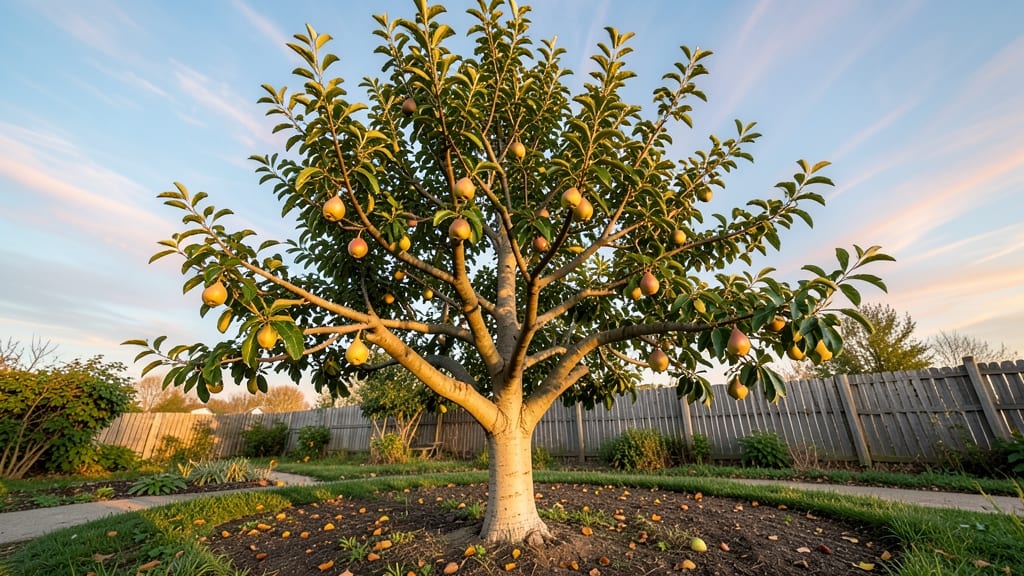
Tired of fruit trees that demand constant attention or struggle with Indiana’s climate? The Sugar Moon Pear Tree changes the game with its exceptional cold hardiness (Zone 4-8) and effortless care—perfect for busy homesteaders and urban gardeners alike.
This variety thrives in full sun to partial shade and produces crisp, honey-sweet pears that stay firm even when ripe, making them ideal for fresh eating or light cooking. Unlike other pears, it requires minimal pruning and resists common diseases, so you spend more time enjoying the fruit than fighting pests. Plant in well-drained soil, and you’ll harvest in just 3-4 years.
Backyard orchard enthusiasts and space-conscious growers will love this tree’s compact size (15-20 feet tall) and year-round interest, from spring blossoms to autumn foliage. 🌻
American Persimmon Tree

Skip the fuss of finicky fruit trees—American persimmon thrives in Indiana’s toughest conditions with zero effort. This native tree produces vibrant orange fruit that’s naturally sweet when fully ripe (no need to pick early!) and grows in soils where other plants fail.
Plant it in full sun to partial shade, and watch it flourish in poor, rocky, or clay-heavy soil without amendments. The tree’s wildlife magnet status attracts birds, butterflies, and pollinators, while its pest-free nature means no pesticides are ever needed. Fruit ripens in late fall, offering a unique harvest window.
Perfect for low-maintenance gardeners and native plant enthusiasts, this tree turns underused corners into productive, wildlife-friendly spaces. 🌟