
Aphids
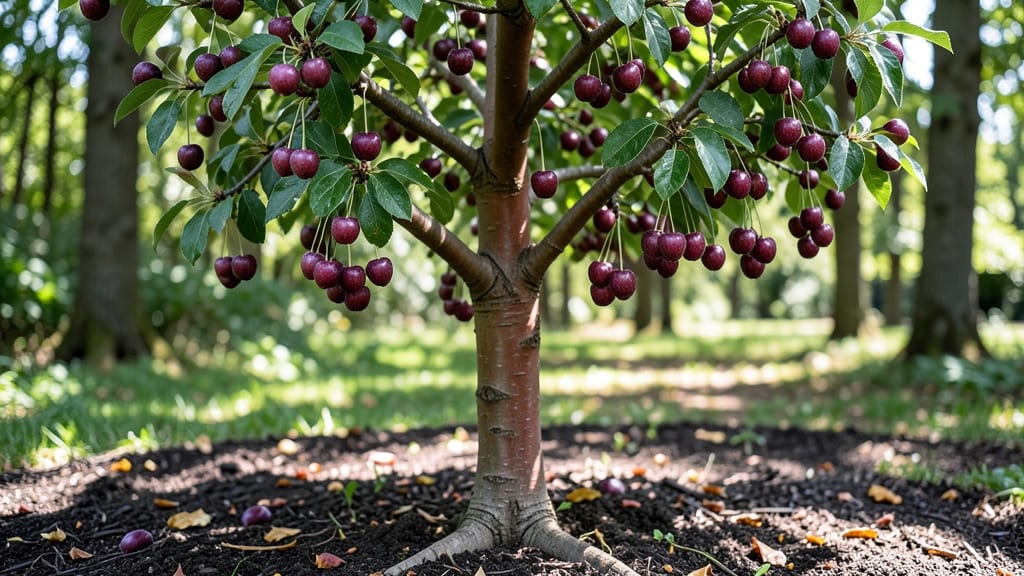
Plum cherry trees deliver sweet-tart fruit that bursts with flavor straight from your yard. 🌱 I’ve grown these for years, and the key to consistent harvests isn’t just planting—it’s knowing exactly when to prune, shape, and care for them through every season.
These trees thrive in full sun and well-draining soil, but their real magic happens in winter when dormant pruning sets the stage for summer’s bounty. A 3-step pruning calendar keeps branches strong, opens airflow, and prevents disease—so you’re not fighting pests or blight when fruit ripens.
By summer’s end, you’ll be harvesting clusters of 1-inch jewels perfect for fresh eating, jams, or decorative centerpieces. The trees even stay attractive when not fruiting, making them a two-season showstopper.
Whether you’re starting from seed or transplanting a sapling, this guide covers every step—from spring’s first flush of leaves to winter’s final cleanup. Let’s get those branches in shape!
📚 In This Guide
- What you need
- Instructions
- Tips and common mistakes
- Wrapping up and next steps
What you need
- ● Pruning shears: Sharp, bypass-style shears (for clean cuts on small branches). Size: 6–8 inches (for precision). Quantity: 1 per 2–3 trees.
- ● Loppers: For thicker branches (½–1.5 inches). Size: 18–24 inches (extendable handles help!). Quantity: 1 per 5–6 trees.
- ● Pruning saw: For branches >1.5 inches. Type: Curved-tooth saw for wood (avoids splintering). Quantity: 1.
- ● Gloves: Heavy-duty, cut-resistant gloves (protects from thorns and sap). Quantity: 1 pair.
- ● Disinfectant: 70% isopropyl alcohol or bleach solution (1 part bleach to 9 parts water) to sterilize tools between cuts. Quantity: Small bottle or spray.
- ○ Sealing wax: Pruning sealant (optional but recommended for large cuts >0.5 inches to prevent disease). Quantity: Small jar.
- ● Ladder: Sturdy, non-slip ladder (for tall trees). Height: Extendable to 10+ feet. Quantity: 1.
- ● Twine or zip ties: For temporarily securing branches during heavy pruning. Quantity: 1 roll.
- ● Hand sanitizer: For clean hands after pruning (sap can irritate skin!).
- ● Notebook & pen: To jot down notes on cuts made (helps track growth patterns).
- ● Tree wound paint: Alternative to sealing wax (check for aphid-resistant formulas).
- ● Safety glasses: Protects eyes from debris (especially when using a saw).
- ● Pruning guidebook: A plum cherry-specific reference (e.g., “Pruning Fruit Trees for Home Gardeners”).
Step-by-step pruning calendar for plum and cherry trees
Here's the seasonal pruning guide I swear by to keep my plum and cherry trees healthy and productive.
⏰ Step 1: Late Winter Pruning (Dormant Season)
Prune your trees in late winter—just as buds begin to swell but before any leaves appear. This is the best time to remove dead, diseased, or crossing branches. I always start by removing any branches that are thinner than a pencil or have dark, shriveled bark—they won't produce fruit and can spread disease.
Use clean, sharp pruning shears to make cuts at a 45-degree angle about ¼ inch above an outward-facing bud. This encourages new growth in the right direction. For larger branches, use loppers and seal the wound with pruning paint if it's bigger than ½ inch in diameter. Avoid heavy pruning now—just shape the tree and remove about 10-20% of the canopy to improve airflow.
Here's the thing—if you prune too early in winter, you risk damaging new growth from late-season warmth. Wait until mid-to-late February in most climates, or when daytime temperatures consistently stay above 40°F. You'll know you've waited too long when buds start to burst open.
☀️ Step 2: Summer Light Pruning (After Harvest)
After your fruit harvest, usually in late summer (August-September), do a quick check for any suckers (shoots growing from the base) or water sprouts (vertical shoots with no leaves). These steal energy from the tree and reduce next year's fruit production. Remove them with your hand or shears—no need for fancy cuts here, just snip them off at the base.
Thin out any overcrowded branches to let sunlight and air reach the center of the tree. Look for branches rubbing against each other—these will eventually split and damage the tree. Make clean cuts just outside the branch collar (the swollen area where the branch meets the trunk). You'll see new leaves emerge within a week—that's your signal everything is working.
I know it seems counterintuitive to prune in summer, but this prevents disease spread and keeps the tree from getting too stressed before winter. Just avoid heavy pruning now—stick to light shaping and cleanup.
✂️ Step 3: Fall Cleanup (Pre-Winter Prep)
In early fall (October), remove any dead or diseased branches that may have been missed earlier. Rake up and dispose of fallen leaves and fruit—these can harbor pests and diseases over winter. I always sterilize my pruning tools with rubbing alcohol before and after to prevent spreading anything to healthy branches.
This is also the time to thin out some fruit clusters if you notice overproduction. Leave 6-8 inches of space between clusters to ensure larger, higher-quality fruit next season. You'll see fewer but bigger cherries or plums—worth the effort!
Don't prune too late in the season, though. Stop by mid-November to avoid stimulating new growth that won't harden off before winter. You'll know you've waited too long if you see fresh green leaves or buds starting to swell.
🌱 Step 4: Spring Growth Check (Adjust as Needed)
In early spring (March-April), do a quick walkthrough to see how your tree responded to last year's pruning. Look for new shoots growing from old cuts—these are a good sign your tree is healthy. If you notice too many vertical shoots, prune them back by ⅓ to encourage branching.
This is also the time to correct any mistakes from last winter's pruning. For example, if you accidentally cut a branch too close to the trunk, you might need to bridge the gap with a new branch if the tree is young. Just make sure the new branch is strong enough to support future fruit.
Real talk: If your tree looks stressed (yellow leaves, sparse growth), it might need extra nutrients. A light application of balanced fertilizer in early spring can help, but don't overdo it—too much nitrogen leads to leafy growth at the expense of fruit.
Tips & tricks for pruning plum and cherry trees like a pro
Here's what nobody tells you—these little details make all the difference between a healthy tree and one that struggles to bear fruit.
Timing is Everything: The 40°F daytime temperature rule in late winter is your golden window. If you're unsure about the exact timing, check for swollen buds that haven't yet burst open—this is your visual cue. I've missed this window twice and ended up with stunted growth. Trust me, the tree will thank you for patience.
The Right Tools Matter: Don't skimp on pruning shears—dull blades tear wood instead of making clean cuts. I invest in a good pair and keep them sharpened. For branches thicker than your thumb, use loppers, and always clean your tools with rubbing alcohol between cuts to prevent disease spread. This simple step saved my trees from bacterial canker last year.
Branch Angle Secrets: When making cuts, aim for a 45-degree angle just above an outward-facing bud. This isn't just about looks—it directs new growth away from the center of the tree where airflow is crucial. I mark the bud with a piece of tape before cutting to ensure perfect placement every time. This technique has given me trees with strong, outward branches that catch sunlight.
Fall Fruit Cluster Strategy: The 6-8 inch spacing between fruit clusters isn't arbitrary—it's about giving each cluster room to develop properly. I use a ruler to measure between clusters and adjust by removing smaller clusters. This might seem like less fruit now, but you'll end up with larger, more flavorful plums and cherries next season.
Pro Tips for Plum Cherry Fruit
- Here's what nobody tells you—these little details make all the difference between a healthy tree and one that struggles to bear fruit.
- Timing is Everything: The 40°F daytime temperature rule in late winter is your golden window.
- The Right Tools Matter: Don't skimp on pruning shears—dull blades tear wood instead of making clean cuts.
Frequently asked questions
When is the best time to prune plum and cherry trees?
For plum trees, prune during late winter or early spring (February–March) while they’re still dormant but before buds swell. Cherry trees, especially sweet cherries, should be pruned in late winter (February) to avoid silver leaf fungus. Sour cherries can handle pruning until early summer—just avoid heavy cuts when sap is flowing!
Can I prune plum or cherry trees in summer?
Yes, but lightly! Summer pruning (June–August) is best for corrective shaping or removing diseased branches. Avoid heavy pruning—it stresses the tree and can attract pests like aphids. Focus on thinning out crowded branches to improve airflow and fruit quality. If you must prune, do it on a dry, cloudy day to reduce stress.
How do I tell if I’m pruning too much?
You’re over-pruning if you see more than 25% of the tree’s canopy removed at once or if the cuts expose large, white, inner bark (a sign of severe stress). Signs of over-pruning include excessive water sprouts, leaf drop, or stunted growth. For plum and cherry trees, small, strategic cuts (like thinning out 2–3 branches per year) yield the best results.
Will pruning help with aphid infestations?
Pruning opens up the canopy, improving airflow and reducing aphid hotspots (like dense, shaded branches). Focus on removing infested leaves or shoots immediately and dispose of them in a sealed bag. After pruning, spray with neem oil or insecticidal soap for extra protection. Preventative pruning in winter also cuts back overwintering aphid eggs!
What if my plum or cherry tree isn’t fruiting after pruning?
Lack of fruit could mean too much shade (prune to let sunlight reach the center) or improper timing (e.g., pruning sweet cherries after bud swell). Check for balanced cuts—avoid “heading back” (cutting just above a bud), which can reduce flowering. If the tree is young (<3 years), be patient—it may need time to establish. For older trees, ensure they’re well-fed with compost or fertilizer (rich in nitrogen for leaves, potassium for fruit).
Wrapping up and next steps
Pruning your plum cherry fruit trees isn’t just about shaping them—it’s about unlocking their full potential for bountiful, healthy harvests year after year! 🌿 By following this seasonal calendar, you’ll boost airflow, reduce pests like aphids, and encourage stronger growth.
Whether you’re a seasoned gardener or just starting, every snip brings you closer to a fruit-filled future.
Ready to take the next step? Grab your pruners, mark your calendar, and start small—even one well-timed cut can make a difference! 🌱 Your plum cherries will thank you with juicy, sweet rewards.