
Companion Plants
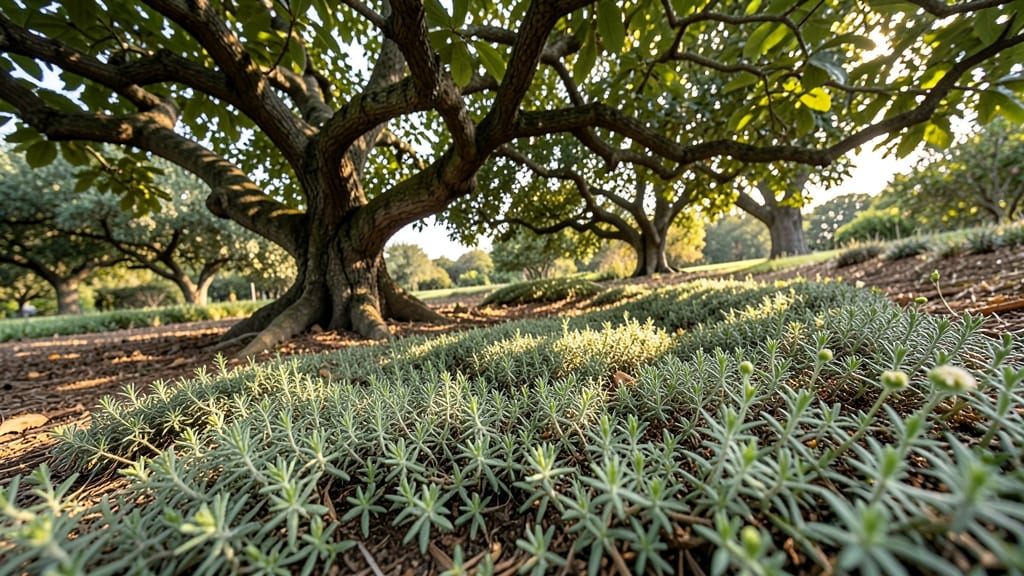
Struggling to maximize space under your fruit trees? The right shade-loving perennials can improve soil health, deter pests, and even enhance fruit production—while keeping your yard lush and low-maintenance. These 10 understory plants thrive in partial shade and create a mutually beneficial ecosystem.
Comfrey Roots for Nutrient-Rich Soil
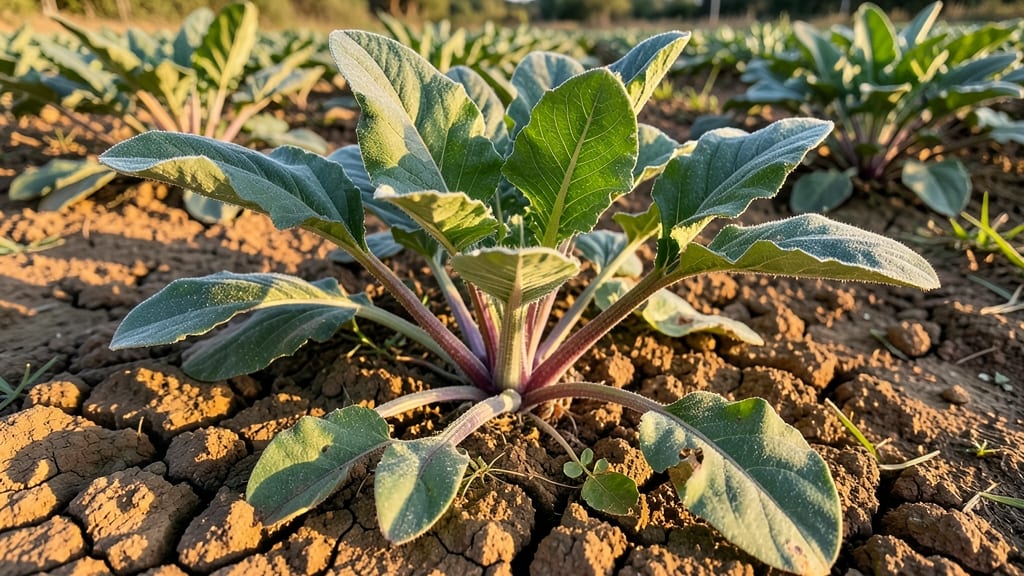
If your fruit trees are struggling in heavy clay or nutrient-poor soil, comfrey is the unsung hero you need. This hardy perennial grows roots up to 4 feet deep, vacuuming up nitrogen, phosphorus, and potassium—then storing them in its leaves for you to harvest.
Plant comfrey in a sunny to partially shaded spot under your trees, letting it establish for 2-3 years. In late summer, cut back the leaves, chop them into a "comfrey tea," and water it into the soil or lay them as mulch. This dynamic accumulator transforms compacted soil into fertile loam, perfect for fruit trees that crave nutrients.
Best for gardeners with poor soils or those tired of synthetic fertilizers, comfrey’s deep roots won’t compete with your trees—just feed them instead. 🌱
Hostas for Year-Round Ground Cover
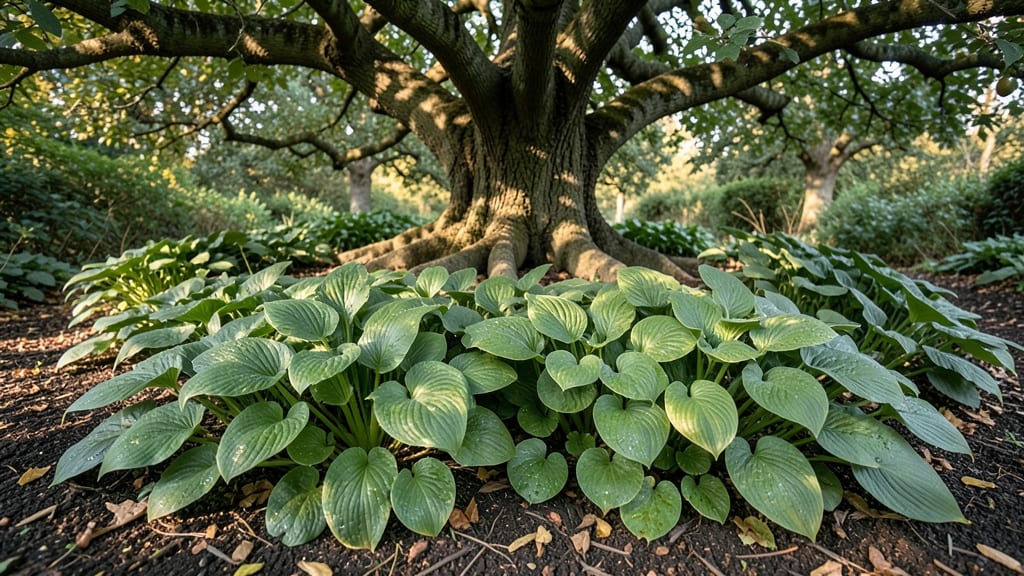
Tired of battling weeds under your apple or pear trees? Hostas are the unsung heroes of shaded orchards—providing year-round ground cover that stays lush even in winter. Their broad, textured leaves create a living mulch that blocks weeds while retaining soil moisture, making them ideal for dry-shade conditions.
For maximum impact, opt for blue-green varieties like 'Blue Angel' or 'Halcyon,' which add striking contrast to dappled sunlight. These cold-hardy perennials thrive in USDA zones 3-9 and require minimal care—just keep them evenly moist and protect young plants from slugs. Their deep roots won’t compete with fruit trees, yet they create a polished, woodland-like appearance.
Perfect for gardeners who want low-maintenance beauty without sacrificing function, hostas also deter pests like rabbits with their slightly toxic foliage. Plant them in clusters for a dramatic focal point under mature trees. 💚
Strawberries for Dual Harvesting
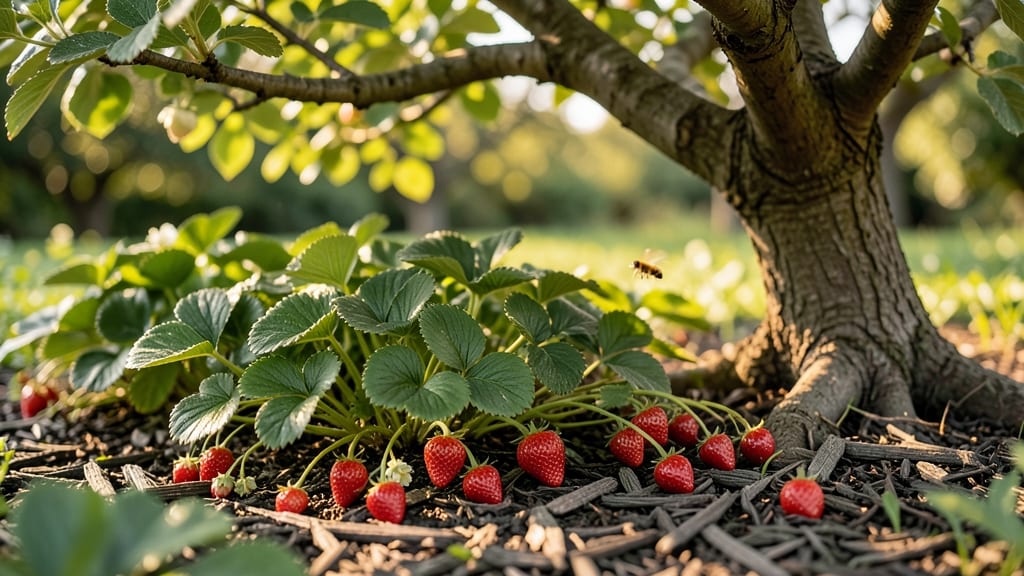
Turn your fruit tree's understory into a dual-purpose harvest zone with strawberries—a delicious way to make the most of shaded spaces. These berries thrive in partial shade, producing sweet fruit while protecting tree roots from erosion and competing weeds.
Opt for everbearing varieties like 'Seascape' or June-bearing types such as 'Jewel' for reliable yields. Plant them in well-draining soil, 12-18 inches from the tree's drip line, and mulch heavily to retain moisture. Strawberries also deter pests like moles and voles with their dense growth, making them a low-maintenance, high-reward choice.
Small-space gardeners and orchard owners will love how strawberries fit neatly under trees, offering year-round greenery and a summer harvest. Plus, kids and wildlife adore them too! 🌻
Lungwort for Pollinators and Soil
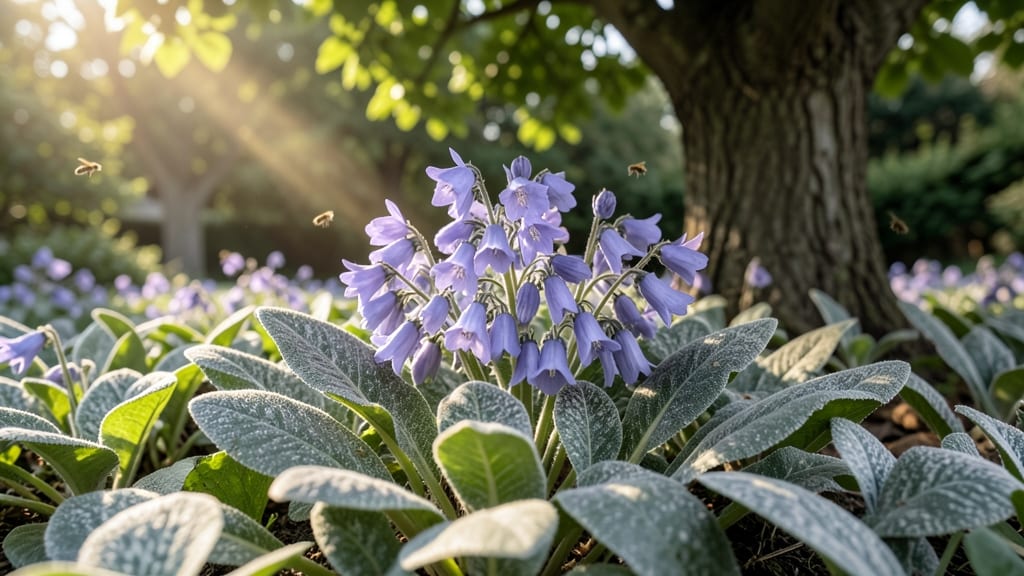
If you're looking for a pollinator magnet that doubles as a soil superhero, lungwort (Pulmonaria spp.) is your answer. This underrated perennial thrives in the dappled shade under fruit trees, offering silver-spotted foliage that transitions to green and delicate purple-blue flowers that bees adore in early spring.
Lungwort’s low-growing, clumping habit makes it perfect for tight spaces where other plants might struggle. It also improves soil structure by preventing compaction and retaining moisture—ideal for areas where tree roots compete for water. Plant it in partial shade (2-4 hours of sun) and watch it spread gently over time, creating a lush, textured carpet.
This versatile plant is especially rewarding for gardeners who want low-maintenance beauty without sacrificing function. Its year-round interest and ability to thrive in challenging conditions make it a standout choice for understory planting. 🌿
Clover for Nitrogen Fixation
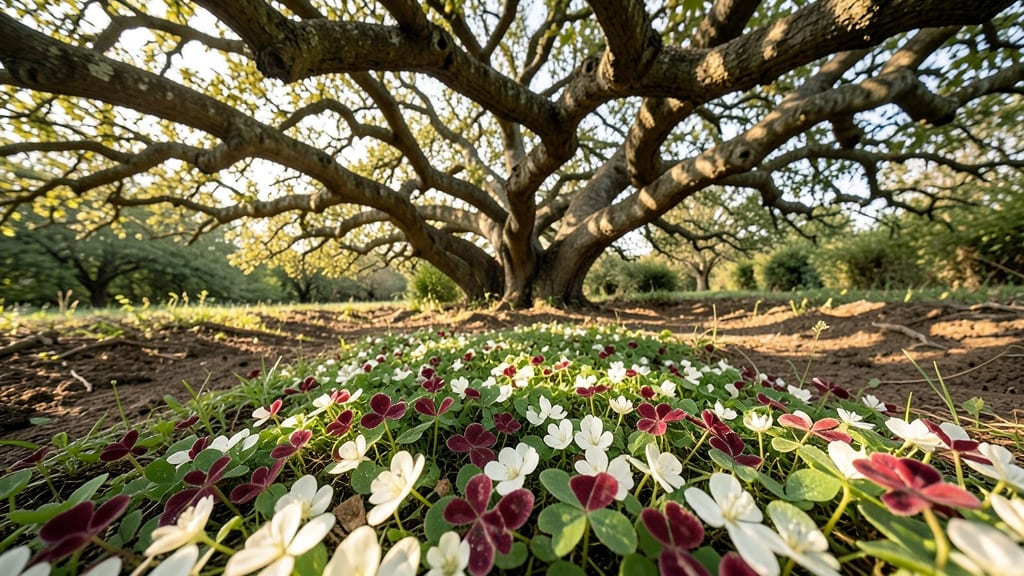
Tired of spending money on synthetic fertilizers while watching your fruit trees thrive? White or red clover is your secret weapon—a free, natural nitrogen booster that works with your tree’s roots instead of against them.
This hardy ground cover forms a dense mat that blocks weeds while its shallow roots fix nitrogen directly into the soil, feeding your fruit trees over time. Unlike deep-rooted plants, clover won’t steal water or nutrients from your trees, making it ideal for partial shade conditions. Simply mow or trim the flowers before they seed to prevent spreading where you don’t want it.
Perfect for organic gardeners and those with poor soil quality, clover transforms understory spaces into lush, self-sustaining ecosystems. 🌱
Ferns for Moisture Retention
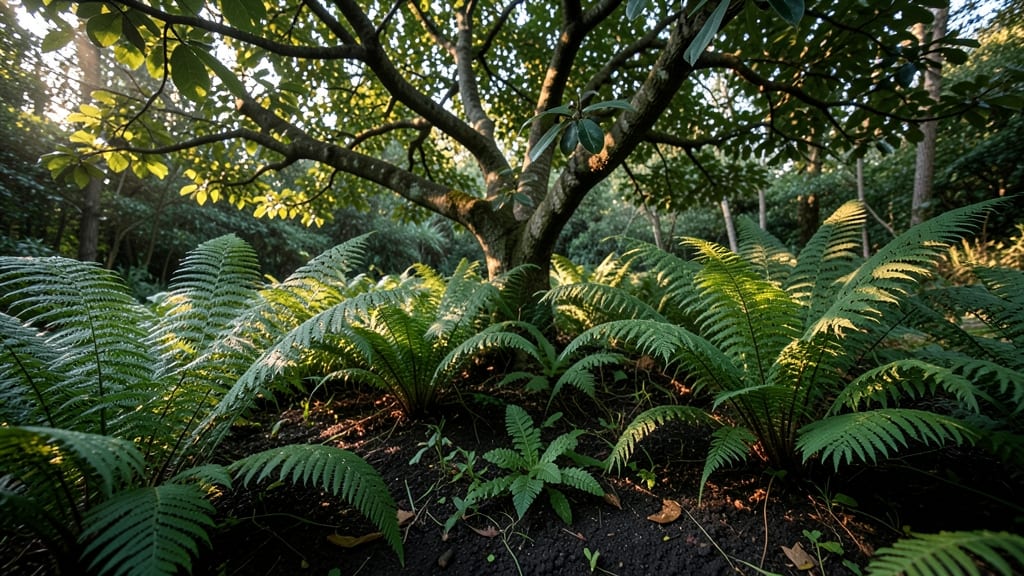
Transform the understory of your fruit trees into a thriving, woodland oasis with ferns—nature’s built-in moisture regulators. These shade-loving plants like maidenhair and ostrich fern create a lush carpet that retains soil moisture, reducing watering needs while preventing erosion under heavy tree canopies.
Ferns thrive in damp, shaded conditions and require minimal care once established, making them perfect for areas where other plants struggle. Their delicate fronds add texture and movement, creating a serene, low-maintenance ground cover that suppresses weeds naturally. For best results, plant in well-draining soil and keep the area consistently moist during their first growing season.
This is the ideal choice for gardeners who want to mimic a natural forest floor without the upkeep. Ferns are especially beneficial in regions with humid climates or under trees with dense canopies. 🌿
Garlic Chives for Pest Control
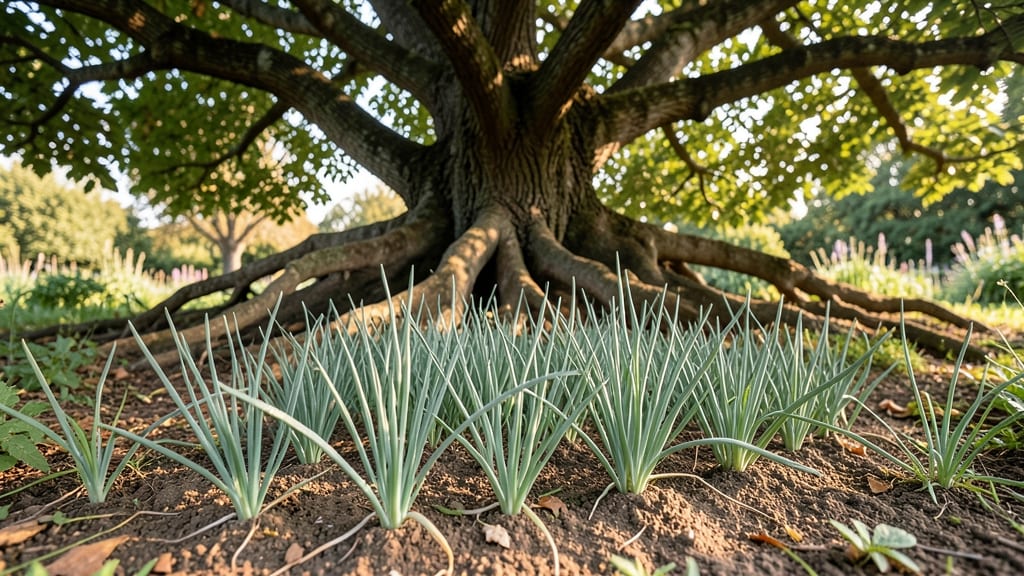
Tired of pests ruining your fruit tree harvest? Garlic chives are the unsung heroes of the orchard—this easy-to-grow perennial deters aphids, carrot flies, and even Japanese beetles with its potent aroma while staying neatly contained in clumps.
Plant garlic chives in well-draining soil under your trees where they’ll receive 3-6 hours of sunlight daily. Their shallow roots won’t compete with fruit trees, and you can harvest leaves year-round for cooking or pest control. The purple flower spikes in summer add a pretty bonus! Perfect for beginners or small-space gardeners who want dual benefits. 🌱
Sweet Woodruff for Fragrance and Weed Suppression
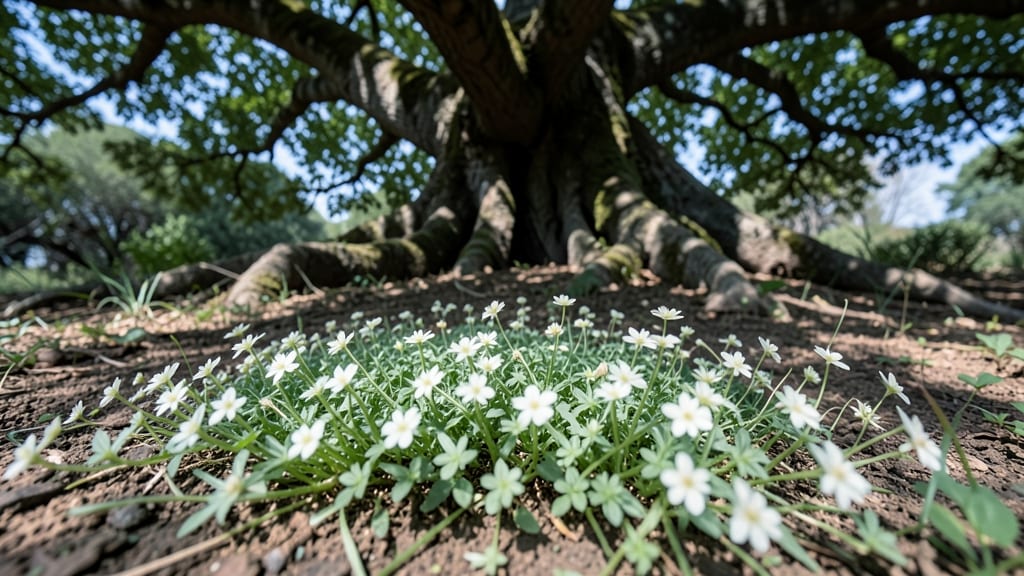
Tired of battling weeds under your fruit trees while dealing with dry, shaded soil? Sweet woodruff is the understory plant you’ve been waiting for—it spreads gently to smother weeds while filling your garden with a delicate vanilla scent when crushed.
This hardy perennial thrives in dry-shade conditions, making it perfect for mature fruit trees where other plants struggle. Plant it in early spring or fall, spacing clumps about 12 inches apart to allow for natural spread. It’s also deer-resistant, so you won’t have to worry about hungry critters nibbling it back. Plus, its airy foliage lets sunlight filter through to the soil below, keeping roots cool.
Gardeners with limited sunlight or those who love fragrant gardens will adore sweet woodruff—it’s a low-maintenance way to add beauty and functionality without competing with your fruit trees. 🌿
Calendula for Companion Planting
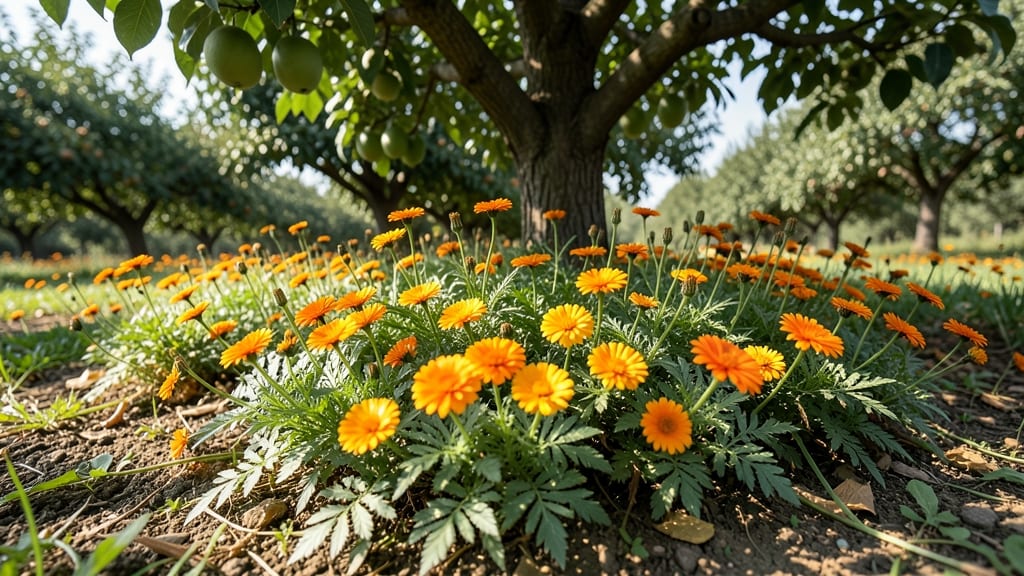
Looking for a dual-purpose plant that boosts your orchard’s health and adds beauty? Calendula—commonly known as pot marigold—is your secret weapon. Its vibrant blooms create a cheerful understory while acting as a natural pest deterrent and pollinator magnet.
This sun-loving yet shade-tolerant annual thrives in partial shade under fruit trees, where it attracts ladybugs, hoverflies, and bees that prey on garden pests. The edible petals (mildly peppery) can be sprinkled over salads, teas, or used as a natural dye. Deadhead spent blooms to encourage continuous flowering from spring until frost.
Perfect for beginner gardeners or those seeking low-maintenance solutions, calendula’s disease-resistant nature means fewer worries about fungal issues common in damp orchard soils. 🌻
Thyme for Drought Resistance

If you're tired of battling weeds and watering under your fruit trees, creeping thyme is your secret weapon. This hardy, low-growing herb thrives in dry shade, making it perfect for the often-neglected space beneath fruit trees where moisture is scarce.
With its woody stems and fragrant leaves, creeping thyme forms a dense, weed-suppressing mat that stays green even in drought. It’s also edible—harvest leaves for soups or teas, and enjoy delicate purple flowers that attract pollinators. Plant it in well-draining soil and watch it spread effortlessly, requiring minimal care.
This versatile herb is ideal for urban gardeners, beginners, or anyone seeking low-maintenance ground cover that doubles as a culinary asset. Plus, its aromatic scent deters pests naturally. 🌿