
Trees
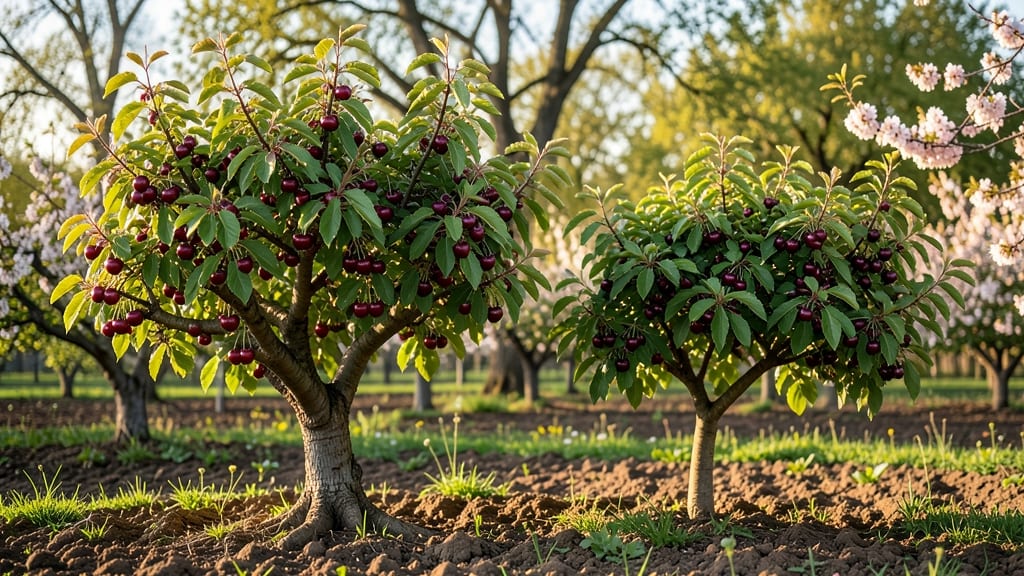
Growing cherry fruit trees means waking up to the scent of blossoms in spring and harvesting sweet-tart fruit that tastes like summer in every bite. 🌸 I planted my first tree five years ago, and what started as a whim became the centerpiece of my backyard—now producing enough cherries to share with neighbors every July.
The secret to success isn't just picking the right variety (sweet Bing cherries or tart Montmorency, depending on your taste) but matching them to your climate and soil. Most cherries thrive in zones 5-8 with well-draining soil, though dwarf varieties adapt better to small spaces.
My tree sits in full sun with slightly acidic soil, and the difference in fruit quality is night-and-day compared to my friend's struggling tree in heavy clay.
By mid-June, you'll be picking fruit that's juicy, flavorful, and packed with antioxidants—if you've pruned correctly in winter and watered deeply during dry spells. The first harvest is always the most exciting, but consistent care turns that into a yearly tradition.
Even pollination becomes second nature once you understand how to pair varieties. Whether you're working with a full-size tree or a compact dwarf, these care tips apply. Let's get your orchard thriving!
📚 In This Guide
- What you need
- Instructions
- Tips and common mistakes
- Wrapping up and next steps
What you need
- ● Cherry Tree Varieties: 2–5 bare-root or container-grown saplings (choose sweet Prunus avium or tart Prunus cerasus varieties based on your climate and taste)
- ○ Optional: Grafted trees for specific cherry types (e.g., Bing, Rainier, Montmorency)
- ● Soil & Amendments: Well-draining, slightly acidic soil (pH 6.0–6.5)
- ● Compost or aged manure (5–10 lbs per planting hole)
- ● Organic mulch (wood chips or straw, 2–3 inches thick)
- ● Planting Supplies: Shovel or trowel
- ● Garden gloves
- ● Stakes (2–3 per tree, 4–6 ft tall)
- ● Tree ties or soft cloth strips
- ○ Watering: Drip irrigation system or soaker hose (optional but highly recommended)
- ● Watering can (for young seedlings)
- ● Pruning & Maintenance: Pruning shears (bypass type for clean cuts)
- ● Loppers (for thicker branches)
- ● Fungicide (copper-based or organic, for disease prevention)
- ● Insecticide (neem oil or horticultural oil, as needed)
- ○ Pollination Support: Optional: Bees or hand-pollination tools (if growing self-unfruitful varieties)
- ● Full-sun location (6–8+ hours of sunlight daily)
- ● Space for mature tree size (15–25 ft wide, depending on variety)
- ● Local frost dates (cherry trees are not frost-tolerant; avoid late-spring frosts!)
- ● Cross-pollination plan (most cherries need a second tree for fruit set)
- ○ Optional: Trellis or espalier system (for dwarf varieties or small spaces)
Step-by-step guide to planting and caring for cherry fruit trees
Here's how to grow healthy, productive cherry trees that bear fruit reliably year after year.
🌱 Step 1: Choose the Right Location and Prepare the Soil
Cherry trees thrive in full sun with at least 6-8 hours of direct sunlight daily. Pick a spot with well-draining soil—cherries hate soggy roots. I test soil drainage by digging a 12-inch deep hole, filling it with water, and checking if it drains within 2 hours. If not, amend with 2-3 inches of compost or sand.
Spread a 4-inch layer of organic mulch around the planting area (but keep it 6 inches away from the trunk to prevent rot). This keeps soil moist and suppresses weeds. I like to use wood chips because they break down slowly and improve soil structure over time. Avoid fresh mulch—it can steal nitrogen and stress young trees.
🪴 Step 2: Plant Bare-Root Trees at the Right Time
Plant bare-root cherry trees in late winter or early spring, before buds swell. Soak the roots in lukewarm water for 2-4 hours before planting to rehydrate them. Dig a hole twice as wide and just as deep as the root ball. Place the tree in the center, ensuring the graft union (the bulge near the base) sits 2-3 inches above soil level—this prevents root rot.
Backfill with native soil, tamping gently to remove air pockets. Water deeply to settle the soil, then add a 2-inch layer of mulch around the base (again, not touching the trunk). Stake the tree only if it leans heavily—cherry trees have strong roots and usually don’t need support. I always water newly planted trees once a week for the first month to help roots establish.
☀️ Step 3: Prune for Shape and Airflow in Early Spring
Prune young cherry trees in late winter or early spring, before buds break. Remove any dead, crossing, or inward-growing branches first. Open the center of the tree by cutting back branches that grow toward the center—this improves airflow and reduces disease risk. I aim to create an open vase shape, which lets sunlight reach all branches and encourages fruit production.
Cut branches at a 45-degree angle, ¼ inch above an outward-facing bud. Avoid leaving stubs—this invites pests and disease. Thin out crowded branches to no more than 8-10 feet apart on mature trees. Prune lightly in subsequent years, focusing on removing dead wood and shaping the tree. Never prune in fall—it stimulates new growth that won’t harden off before winter.
💧 Step 4: Water Deeply and Fertilize for Fruit Production
Water cherry trees deeply once a week during the first growing season, then every 10-14 days once established. You’ll know watering is right when the top 6 inches of soil feel moist but not soggy. Drip irrigation is ideal—it delivers water slowly at the roots and avoids wetting leaves, which reduces fungal diseases like brown rot.
Fertilize in early spring with a balanced 10-10-10 fertilizer or a fruit-tree-specific blend. Spread ½ cup per inch of trunk diameter around the drip line (the edge of the tree’s canopy). Water deeply after applying fertilizer. Avoid high-nitrogen fertilizers in summer—they encourage leafy growth at the expense of fruit. I also add 1 cup of bone meal in early spring to boost phosphorus for flowering.
✂️ Step 5: Thin Fruit and Monitor for Pests/Diseases
When cherries form, thin them to 4-6 inches apart once they’re 1 inch in diameter. This prevents overcrowding, which leads to small, poor-quality fruit. I use clean pruning shears to remove excess fruit, leaving the largest, healthiest ones. Thin in late spring to avoid stressing the tree too early in the season.
Watch for common cherry pests like aphids, Japanese beetles, and spider mites. Treat infestations early with neem oil or insecticidal soap—cherry trees are sensitive to harsh chemicals. For fungal diseases like leaf spot or brown rot, remove infected leaves and apply copper fungicide as a preventive spray in early spring and after harvest. I always clean up fallen fruit and leaves in fall to reduce disease pressure.
Tips & tricks for perfect cherry tree care
These simple strategies will help you grow a thriving orchard that produces delicious cherries year after year.
Soil Preparation: The 2-hour drainage test is your best friend—if water pools after that time, you'll need to amend the soil. I've found that mixing in 2-3 inches of compost not only improves drainage but also introduces beneficial microbes that help young trees establish stronger root systems. For heavier clay soils, consider adding coarse sand instead of compost to prevent compaction around the roots.
Root Hydration: That 2-4 hour soak for bare-root trees might seem like a long time, but it's crucial for reviving dormant roots. I like to check the water temperature with my wrist—it should feel warm but not hot. If you're planting multiple trees, soak them all at once in a large container to save time. This step makes all the difference in preventing transplant shock.
Pruning Precision: When making those 45-degree cuts in Step 3, I always count the buds to ensure I'm cutting just above an outward-facing one. This visual cue helps maintain the tree's natural shape while promoting healthy growth. Remember that cherry trees have a strong tendency to grow upright, so you'll need to be more aggressive with pruning than with many other fruit trees.
Watering Wisdom: The key to that 6-inch moist soil check is consistency. I've learned to use a long screwdriver to test soil moisture—just push it in and pull out to see if the soil sticks together. In hot summers, you might need to water more frequently, but always let the top layer dry slightly between waterings to prevent root rot. Drip irrigation systems are worth the investment for serious orchard care.
Pro Tips for Cherry Fruit Trees
- These simple strategies will help you grow a thriving orchard that produces delicious cherries year after year.
- Soil Preparation: The 2-hour drainage test is your best friend—if water pools after that time, you'll need to amend the soil.
- Root Hydration: That 2-4 hour soak for bare-root trees might seem like a long time, but it's crucial for reviving dormant roots.
Frequently asked questions
Got questions about growing cherry fruit trees? You’re not alone! Here are some of the most common queries—plus quick, actionable answers to keep your orchard thriving year-round.
How long does it take for a cherry tree to bear fruit?
Most cherry trees take 3 to 5 years to produce fruit after planting, depending on the variety and growing conditions. Dwarf varieties may fruit sooner (2–3 years), while standard trees can take longer. Patience pays off—healthy trees reward you with bountiful harvests! Pro tip: Use rootstocks like Mazzard for faster results.
When is the best time to plant cherry trees?
The ideal time is late fall or early spring (before buds break). This gives roots time to establish before extreme weather. Avoid planting in summer heat or winter frost. If you must plant in summer, water deeply and mulch heavily to retain moisture. Bonus: Bare-root trees planted in winter (dormant season) often thrive best!
Do cherry trees need another tree for pollination?
Yes! Most sweet cherries (Prunus avium) are self-unfruitful and need a pollinator variety within 50–100 feet. Sour cherries (Prunus cerasus) are often self-fertile but produce more with a partner. Check your variety’s tags—some, like Stella®, are self-pollinating. Tip: Plant at least two compatible varieties for guaranteed fruit!
What pests or diseases should I watch for in cherry trees?
Common threats include:
- Cherry fruit flies – Tiny maggots in fruit; use traps or netting.
- Brown rot fungus – Causes blackened fruit; prune infected branches and apply copper fungicide.
- Aphids/spider mites – Spray with neem oil or insecticidal soap.
- Canker disease – Remove infected bark and sterilize pruners.
Can I grow cherry trees in containers? What’s the best setup?
Yes! Dwarf varieties like ‘Stella’ or ‘Black Tartarian’ thrive in 15–25 gallon pots with:
- Well-draining soil (mix garden soil + perlite).
- Full sun (6+ hours daily).
- Regular watering (keep soil moist but not soggy).
- Fertilizer high in potassium (e.g., 5-10-10) during fruiting season.
Wrapping up and next steps
Growing cherry fruit trees is a rewarding journey that blends patience, care, and a touch of creativity—especially when you aim for a year-round harvest.
Whether you’re a seasoned gardener or just starting, the key lies in selecting the right varieties, providing consistent care, and leveraging seasonal hacks to extend your fruit’s lifespan. With the right tools, knowledge, and a little love, your orchard can become a bountiful, year-long treasure trove!
Ready to take the next step? Start by planning your orchard layout or experimenting with preservation techniques like canning, freezing, or fermenting. Your future self—and your taste buds—will thank you! 🌱🍒