
Pruning
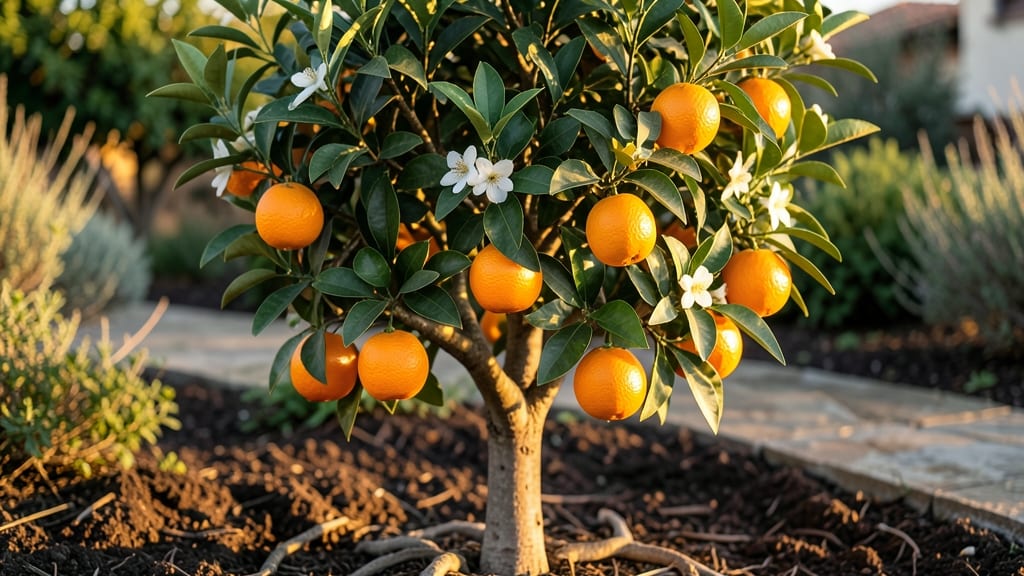
Growing an orange fruit tree means waking up to fragrant blossoms and harvesting your own sweet fruit—if you get the pruning right. 🌱 The difference between a scraggly bush and a productive tree often comes down to when and how you trim, and I’ve learned the exact timing that transforms a struggling plant into a fruit-bearing powerhouse.
Start with the right variety for your climate: sweet oranges like Valencia thrive in warm zones, while hardier trifoliate oranges handle cooler areas. Dwarf varieties fit containers, while standard trees need space.
The key is matching your tree to sunlight (at least 6-8 hours daily) and soil that drains well—no soggy roots allowed. Once established, prune in late winter to shape the tree and encourage new growth, then again after harvest to remove dead wood.
A well-pruned tree produces 30-50% more fruit the following season. The scent of blossoms in spring and the weight of oranges in fall make every cut worthwhile. For cooler climates, try container growing or dwarf varieties near sunny walls.
Patience is key—most trees take 3-5 years to bear fruit, but the first harvest is worth every season of care.
📚 In This Guide
- What you need
- Instructions
- Tips and common mistakes
- Wrapping up and next steps
What you need
- ● Orange tree sapling or bare-root tree: Choose a cold-hardy variety (like Citrus × aurantium or Citrus sinensis) suited to your climate zone (USDA Zones 9-11 for outdoor growth).
- ● Well-draining potting soil or citrus-specific mix: 5-10 gallons, depending on pot size (or 2-3 cubic yards for in-ground planting).
- ● Large container (15-25 gallons) or planting hole: Minimum 24" deep and wide for in-ground trees; ensure drainage holes in pots.
- ● Slow-release citrus fertilizer (10-10-10 or 8-3-9): 1-2 lbs per year of tree age (e.g., 2 lbs for a 2-year-old tree).
- ● Mulch (wood chips or straw): 2-3 inches to retain moisture and regulate soil temperature.
- ● Drip irrigation system or hose with adjustable nozzle: For consistent watering (avoid overhead sprinklers to prevent fungal diseases).
- ● Bypass pruners (sharp, clean): For cuts up to ½" in diameter.
- ● Loppers (for thicker branches): 6-8" cutting capacity.
- ● Pruning saw (for large branches): Only if branches exceed 2" in diameter.
- ● Hand pruners (for fine trimming): For shaping and removing small suckers.
- ● Disinfectant (70% isopropyl alcohol or bleach solution): To sterilize tools between cuts and prevent disease.
- ● Gloves (cut-resistant): Protects hands from thorns and sap.
- ● Safety glasses: Recommended for heavy pruning sessions.
- ● Citrus-specific fungicide (copper-based): For prevention of citrus blight or rust.
- ● Tree support stake (if young): 4-6 ft tall, with rubberized ties.
- ● Soil moisture meter: Ensures optimal hydration without overwatering.
- ● Pollination aid (if indoors): A small paintbrush to hand-pollinate flowers (for indoor trees).
- ● Tree wrap (for winter protection): If growing in marginal climates (Zones 8-9).
Step-by-Step guide to year-long orange fruit tree care
Precision pruning transforms a struggling tree into a fruit-bearing powerhouse—here’s how I do it.
✂️ Step 1: Prune for Structure in Late Winter
When temperatures hover around 40-50°F and before buds swell, grab your sharp pruning shears and remove any dead, crossing, or inward-growing branches first. These compete for energy and block sunlight from reaching the fruit. I cut back to an outward-facing bud or branch collar—never leave stubs, as they invite disease.
Next, thin the canopy by removing 15-20% of the total branches, focusing on those that don’t contribute to the tree’s shape. You’ll know you’re on track when you can see light filtering through the center. Avoid heavy pruning—this stresses the tree and delays fruiting. Afterward, sterilize your tools with rubbing alcohol to prevent bacterial spread.
☀️ Step 2: Encourage Flowering in Early Spring
Once buds break and new growth appears, shift focus to promoting blooms. Thin remaining branches further to allow sunlight to reach at least 6 hours daily to every part of the tree. I prune back overly vigorous shoots to 12-18 inches—this redirects energy toward fruit production instead of leafy growth.
Apply a balanced citrus fertilizer (like 6-6-6) when buds form but before flowers open. Water deeply at the base—1-2 gallons per week—but avoid wetting leaves to prevent fungal diseases. You’ll see tiny white blossoms appear within 4-6 weeks; these are your future oranges.
🌿 Step 3: Maintain Through Summer and Harvest
During summer, prune only to remove sucker growth (shoots sprouting from the base) and any branches rubbing against each other. Use sterilized hand pruners for small cuts and loppers for thicker branches. Thin out 20% of the fruit when they’re the size of a golf ball—this ensures larger, sweeter oranges by reducing competition for nutrients.
Harvest when the fruit is fully colored and slightly soft to the touch (usually fall to early winter, depending on your climate). Twist gently to avoid tearing the stem. Store ripe fruit at room temperature for immediate use or refrigerate for longer shelf life.
⏰ Step 4: Prepare for Winter Dormancy
After harvest, prune again to remove any remaining dead or diseased wood. Apply a 2-3 inch layer of mulch around the base (but not touching the trunk) to insulate roots. In colder zones, wrap the trunk with burlap or frost cloth if temperatures dip below 20°F—this prevents sunscald and cold damage.
Reduce watering by half once leaves fall, keeping soil slightly moist but not soggy. Prune lightly in late winter to shape the tree for next year’s harvest. You’ll notice new growth sprout from the pruned areas in early spring—a sign your tree is healthy and ready for another cycle.
Tips & tricks for perfect orange fruit tree care
I learned these tricks after watching my first citrus tree struggle—here's how to avoid common pitfalls and maximize fruit production.
Timing is Everything: The late winter pruning window (when temperatures hover around 40-50°F) is critical because it allows the tree to heal before spring growth begins. I always check for swollen buds—if they're already forming, wait a few weeks. This timing ensures your cuts don't stress the tree when it's preparing for its most energy-intensive season.
Visual Pruning Cues: When thinning the canopy in Step 1, look for branches that cast shadows on other branches—these are blocking sunlight. The goal is to create an open center where light can reach all parts of the tree. I imagine removing branches like editing a photo: you want to eliminate the clutter while keeping the essential elements that create the best composition.
Fertilizer Application Strategy: That 6-6-6 balanced citrus fertilizer should be applied when you see tiny buds forming but before the white blossoms appear. This timing gives the tree just enough nutrients to support flowering without encouraging excessive leafy growth. I make a shallow trench around the drip line and bury the fertilizer granules—this keeps them away from the trunk where they could burn roots.
Harvesting Technique: When harvesting, the "gently twist" method works best when the fruit is fully colored but still slightly firm. If the fruit resists, it's not ready—wait another week. I always harvest in the morning when temperatures are cooler, as this helps preserve the fruit's freshness longer. Store oranges at room temperature for up to a week, or refrigerate for extended storage.
Pro Tips for Orange Fruit Tree
- I learned these tricks after watching my first citrus tree struggle—here's how to avoid common pitfalls and maximize fruit production.
- Timing is Everything: The late winter pruning window (when temperatures hover around 40-50°F) is critical because it allows the tree to heal before spring growth begins.
- Visual Pruning Cues: When thinning the canopy in Step 1, look for branches that cast shadows on other branches—these are blocking sunlight.
Frequently asked questions
Got questions about growing your own orange fruit tree? You’re not alone! Here are some of the most common queries—and their answers—to help you cultivate a thriving citrus grove with confidence.
When is the best time to plant an orange tree?
The ideal time to plant an orange tree is in early spring (after the last frost) or late fall (before the first frost). This gives the tree time to establish roots before extreme weather hits. If you’re in a warm climate, fall planting is perfect—just avoid summer heatwaves, which can stress young trees.
How often should I prune my orange tree?
Prune your orange tree once a year, preferably in late winter or early spring (before new growth starts). Light maintenance pruning can be done in summer to remove dead branches or shape the tree. Avoid heavy pruning in fall—it can stimulate new growth that won’t harden off before winter.
Why aren’t my orange tree’s fruits ripening?
Unripe or small oranges often mean insufficient sunlight, water stress, or poor pollination. Ensure your tree gets 6+ hours of direct sunlight daily and water deeply 1-2 times per week (more in extreme heat). Cross-pollination (if growing from seed) or hand-pollinating with a paintbrush can also help. Check for pests like aphids or citrus leaf miners, which drain energy.
Can orange trees survive winter frost?
Most orange trees (Citrus × sinensis) are tender perennials and can’t handle frost below 28°F (-2°C). If you live in a cold climate, grow them in containers and move them indoors or to a greenhouse during winter. For in-ground trees, choose hardier varieties like ‘Satsuma’ (tolerates brief chills) or use frost cloths to protect young trees.
What are some low-maintenance alternatives to orange trees?
If oranges seem high-maintenance, try these easy citrus alternatives:
- Lemon trees: Hardy, fast-growing, and great for containers.
- Calamondin: Dwarf, cold-tolerant, and produces tiny, tangy fruits.
- Meyer lemon: Sweeter, more forgiving, and thrives in pots.
- Kumquat: Tiny, cold-resistant, and edible peel!
Wrapping up and next steps
Growing an orange fruit tree is a rewarding journey that combines patience, care, and a little precision—especially when it comes to pruning! By mastering the techniques shared here, you’re not just shaping your tree; you’re nurturing a future harvest of juicy, homegrown oranges. 🍊✨
Ready to take the next step? Start small—grab your pruning shears and give your tree a trim this weekend. Watch as your efforts bloom into lush branches and bountiful fruit year after year!