
Pruning
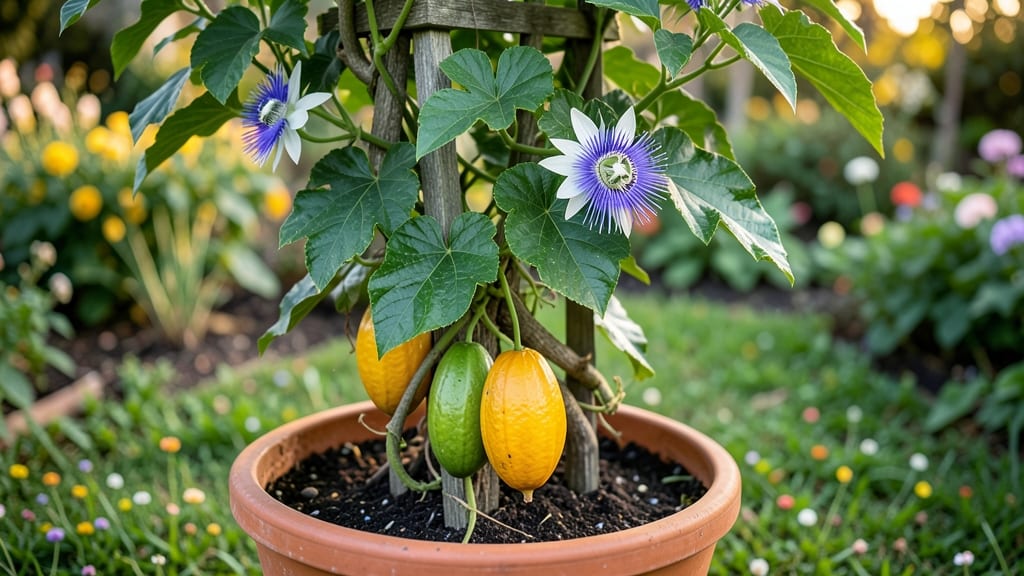
Growing a passion fruit tree requires thoughtful care—rewarding you with exotic fruit that tastes like tropical sunshine. 🌿 The key is mimicking its native rainforest habitat—warmth, humidity, and a sturdy trellis to climb.
I’ve grown mine for three years now, and the first harvest in June still makes my neighbors jealous.
Start with well-draining soil mixed with compost, and plant in a spot with 6+ hours of sunlight daily. Water deeply when the top inch dries out, but avoid soggy roots—passion fruit vines hate wet feet.
A 5-gallon pot works for containers, while outdoor vines need space to sprawl or climb.
By late summer, you’ll see those signature purple flowers followed by golf-ball-sized fruits ripening in 8-10 weeks. Prune leggy growth in spring to encourage bushier vines and better airflow, which cuts down on pests.
This vine thrives in zones 8-11, but with winter protection (like moving pots indoors), you can grow it almost anywhere. The real magic? That first taste of fresh passion fruit—tart, sweet, and impossible to buy at the store.
📚 In This Guide
- What you need
- Instructions
- Tips and common mistakes
- Wrapping up and next steps
What you need
- ● Passion fruit plants: Choose between Passiflora edulis (purple) or Passiflora ligularis (yellow) varieties. Start with 1–3 healthy plants (or seeds if propagating from scratch).
- ● Well-draining soil: Mix 50% garden soil, 30% compost, and 20% perlite or coarse sand (1–2 cubic yards per tree). Passion fruit hates soggy roots!
- ● Support structure: Trellis or fence: 8–10 feet tall (use galvanized metal or PVC pipes for durability).
- ● Strong stakes: 4–6 wooden or bamboo stakes (2–3 inches in diameter) for young vines.
- ○ Fertilizer: Balanced 10-10-10 NPK fertilizer (1–2 cups per tree, applied every 4–6 weeks during growing season). Optional: Add citrus-specific fertilizer for extra nutrients.
- ● Mulch: 3–4 inches of organic mulch (straw, wood chips, or pine bark) to retain moisture and suppress weeds.
- ● Pruning tools: Bypass pruners: Sharp, clean, and sterilized (for cutting vines and suckers).
- ● Loppers: For thicker branches (1.5–2 inches in diameter).
- ● Gloves: Heavy-duty gardening gloves (passion fruit vines have thorns!).
- ● Watering supplies: Drip irrigation system (recommended for consistent moisture) or a watering can with a long spout (5+ gallons capacity).
- ○ Soaker hose (optional, for deep root hydration).
- ● Sunlight: 6–8 hours of full sun daily (partial shade in hotter climates (Zones 10–11) to prevent stress).
- ● Temperature: Ideal range: 65–85°F (18–29°C).
- ● Cold hardiness: Tolerates brief dips to 28°F (-2°C) but thrives best in USDA Zones 7–11.
- ● Wind protection: Plant in a sheltered spot (vines are not wind-resistant). Use a windbreak if needed.
- ● Drainage: Avoid low-lying areas where water pools. Elevate containers if growing in pots.
- ● Pest control: Neem oil or insecticidal soap (for aphids, spider mites, or whiteflies).
- ● Pollination aid: A soft paintbrush (to hand-pollinate flowers if bees are scarce).
- ● Container gardening: Large 15–20 gallon pots with drainage holes (if space is limited).
- ● Harvesting tools: Pruning shears (for cutting ripe fruit stems) and a fruit picker (to avoid damaging vines).
How to cultivate a thriving passion fruit vine
Passion fruit thrives when you mimic its tropical origins—here’s how to give it the perfect balance of warmth, support, and care.
🌱 Step 1: Choose the Right Location and Plant at the Correct Time
Passion fruit vines need full sun exposure—at least 6-8 hours daily—and warm temperatures. Plant in spring after the last frost when soil temperatures reach 65°F or higher. The vine’s roots struggle in cold soil, so wait until nighttime temps stay above 55°F consistently.
Select a spot with well-draining soil, ideally with a trellis or sturdy fence nearby. Passion fruit vines can grow 20-30 feet if unchecked, so plan for vertical support. If your climate has mild winters, you can plant in late summer for a fall harvest, but spring is ideal for most growers.
☀️ Step 2: Provide Consistent Warmth and Sunlight
Passion fruit vines are tropical and won’t tolerate frost—any temperature below 32°F will kill the plant. In colder climates, grow them in containers and bring them indoors during winter or plant them near a south-facing wall for extra warmth. You’ll see new growth slow or stop if temps drop below 50°F.
If you’re growing in a container, place it where it gets direct sunlight for most of the day. A greenhouse or sunroom works well in cooler areas. Watch for yellowing leaves—this often signals insufficient light or cold stress. Adjust placement if you notice the vine stretching toward the sun with long, weak stems.
💧 Step 3: Water Deeply and Maintain Moisture Without Overdoing It
Passion fruit vines need 1-2 inches of water per week, but they’re sensitive to soggy roots. Water deeply at the base of the plant, ensuring the soil stays moist but not waterlogged. The top 2 inches of soil should feel slightly damp to the touch, but the lower layers should dry out slightly between waterings.
Mulch around the base with 2-3 inches of organic mulch (like wood chips or straw) to retain moisture and regulate soil temperature. This helps prevent the roots from drying out in hot weather or overheating. If the leaves start curling or wilting, it’s a sign the vine needs water—but don’t overcompensate by drowning it.
✂️ Step 4: Prune for Airflow and Encourage Fruit Production
Prune your passion fruit vine in late winter or early spring before new growth begins. Remove any dead, diseased, or crossing branches to improve airflow and reduce the risk of fungal issues. Cut back overgrown vines to half their length to encourage bushier growth and more fruit production.
You’ll also want to trim any suckers (small shoots growing from the base or along the stem) unless you’re propagating new plants. Passion fruit vines produce fruit on new wood, so regular pruning keeps the plant healthy and focused on bearing fruit. Watch for new buds forming after pruning—these will develop into flowers and eventually fruit.
🍈 Step 5: Fertilize and Monitor for Pests and Diseases
Feed your passion fruit vine with a balanced fertilizer (10-10-10 or 20-20-20) every 4-6 weeks during the growing season. Start fertilizing in early spring and continue until late summer. Over-fertilizing can lead to excessive leaf growth at the expense of fruit production, so follow the package instructions closely.
Keep an eye out for common pests like aphids, spider mites, and whiteflies, which can weaken the vine. If you spot any, treat them with neem oil or insecticidal soap. Fungal diseases like powdery mildew can also be an issue in humid conditions, so ensure good airflow around the plant. Remove any affected leaves immediately to prevent the spread.
Tips & tricks for perfect passion fruit vine cultivation
These key insights will help you turn your tropical passion fruit vine into a thriving, fruit-bearing powerhouse.
Location and Timing: When selecting your planting spot in Step 1, pay special attention to microclimates. A south-facing wall can provide that extra warmth needed to push soil temperatures above 65°F, especially in cooler climates. I've seen vines thrive in spots that get afternoon sun even if morning light is limited—they'll still get their required 6-8 hours. The critical nighttime 55°F threshold is often overlooked, but it's what prevents root shock that can kill young plants.
Sunlight Strategy: In Step 2, if you're growing in containers, rotate them every few weeks to ensure even sunlight exposure. Passion fruit vines will grow toward the light source, creating lopsided growth. I've noticed that when leaves start stretching toward the sun with weak stems, it's a clear sign they need more light or a different position. For indoor growers, supplement with grow lights for 12-14 hours daily during winter months when natural light is scarce.
Watering Wisdom: The 1-2 inches of water per week guideline in Step 3 can be tricky to judge by eye. I recommend using a rain gauge or measuring cup to track your watering—passion fruit vines are surprisingly drought-sensitive once established. The top 2 inches of soil should feel like a wrung-out sponge: damp but not soggy. In hot climates, you might need to water every 2-3 days, while cooler areas may only require weekly watering. Always water at the base to prevent fungal issues from wet foliage.
Pruning Precision: When pruning in Step 4, focus on creating an open center that allows sunlight and air to circulate. I cut back overgrown vines to about half their length, but I never remove more than 1/3 in a single session to avoid shocking the plant. The key is to maintain that vertical structure while encouraging bushier growth—think of it like giving your vine a haircut that promotes thickness rather than length. Always prune just above a leaf node where new growth will emerge.
Pro Tips for Passion Fruit Tree Care
- These key insights will help you turn your tropical passion fruit vine into a thriving, fruit-bearing powerhouse.
- Location and Timing: When selecting your planting spot in Step 1, pay special attention to microclimates.
- Sunlight Strategy: In Step 2, if you're growing in containers, rotate them every few weeks to ensure even sunlight exposure.
Frequently asked questions
How often should I prune my passion fruit tree?
Prune your passion fruit tree 2-3 times a year: once after the first harvest (to encourage new growth), again in late winter (to shape the vine), and lightly after heavy fruiting. Focus on removing dead wood, crossing branches, and thinning crowded vines to improve airflow and fruit production. Pro tip: Use sterilized pruners to prevent disease!
Can I grow a passion fruit tree in a container? If so, what size pot do I need?
Yes! Passion fruit trees thrive in containers, but they need space to sprawl. Opt for a 15-20 gallon pot with drainage holes and support a trellis or sturdy frame for climbing. Ensure the pot is large enough to accommodate roots—smaller pots can stunt growth and reduce fruit yield. Bonus: Move pots indoors during frost!
Why aren’t my passion fruit trees bearing fruit? What am I doing wrong?
Common culprits include insufficient sunlight (they need 6+ hours daily), poor pollination (hand-pollinate with a brush if bees are scarce), or over-fertilizing with nitrogen (which promotes leaves over fruit). Check for pests like aphids or mites too—they can stress the plant. Try this: Feed with a low-nitrogen, high-phosphorus fertilizer during flowering.
How do I protect my passion fruit tree from pests like fruit flies or spider mites?
Prevent pests with organic sprays like neem oil (mix 1 tbsp per quart of water) or insecticidal soap. For fruit flies, remove overripe fruit promptly and trap adults with apple cider vinegar + dish soap. Spider mites hate water sprays—hose down leaves weekly. Early action is key!
Do passion fruit trees need a trellis, or can they grow on the ground?
While they can grow on the ground, vines sprawl aggressively and may rot in damp soil. A trellis, fence, or sturdy arbor elevates the plant, improves airflow (reducing disease), and makes harvesting easier. Plus, vertical growth saves space! DIY tip: Use bamboo stakes or a simple wire frame for support.
When is the best time to harvest passion fruit?
Harvest when the fruit changes from green to yellow/orange and gives slightly when gently squeezed. Avoid waiting too long—overripe fruit gets mealy and loses flavor. Pro move: Pick in the morning for the freshest taste!
Wrapping up and next steps
Caring for your passion fruit tree is a rewarding journey that leads to bursting vines and year-round harvests—if you’ve got the patience and passion! 🌱 With the right tools, pruning techniques, and a little TLC, you’ll soon be enjoying sweet, tangy fruits straight from your backyard.
Remember, consistency is key, whether you’re shaping new growth or managing pests.
Ready to take the next step? Start small: pick one section of your vine to practice pruning, then gradually expand as you gain confidence. Before you know it, you’ll be a pro—and your neighbors will be asking for tips! 🌟