
Planting
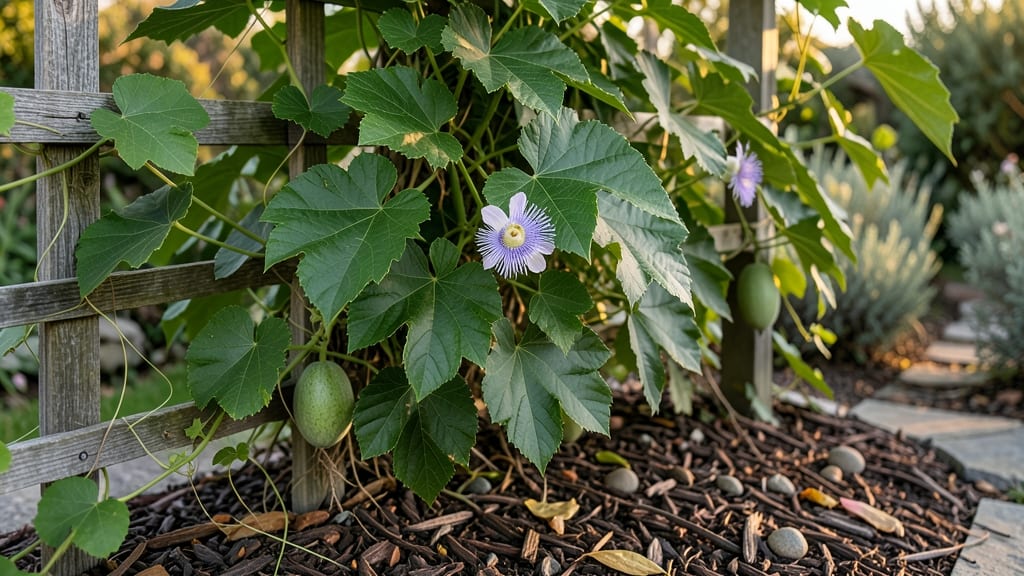
Growing passion fruit plants means tropical flavors and vibrant vines right in your garden—or even on your balcony. 🌿 I’ve watched these fast-growing climbers transform from delicate seedlings into heavy-fruiting powerhouses, and the secret isn’t complicated: it’s sunlight, patience, and the right support system.
Whether you’re growing in containers or planting directly in the ground, passion fruit thrives when given the right conditions—and the payoff is worth every bit of effort.
The first step is choosing the right variety for your climate, since some passion fruits need cross-pollination while others (like the self-pollinating ‘Panama Red’) produce fruit all on their own.
You’ll need well-draining soil, a sturdy trellis or fence for those heavy vines, and a spot that gets at least 6-8 hours of sunlight daily. Watering is key—keep the soil consistently moist but never soggy, especially during flowering and fruiting seasons.
And here’s the thing: passion fruit plants are frost-sensitive, so if you live in a cooler zone, you’ll need to bring them indoors or protect them when temperatures dip below 32°F.
By mid-summer, you’ll start seeing those distinctive, fragrant flowers—and if you’re lucky, the first small, green fruits forming. The harvest window is usually 6-8 months after planting, depending on your variety, and those tropical fruits are sweeter than anything you’ll find in stores.
The real magic happens when you slice one open and taste that complex mix of citrus, pineapple, and something uniquely exotic. It’s the kind of reward that makes every pruning session and trellis adjustment feel worth it.
Here’s the best part: passion fruit plants keep producing for years, and with proper care, your vines can grow 20-30 feet long—making them perfect for covering fences, pergolas, or even a sturdy container setup.
Just be prepared for the mess: fallen fruits and sticky sap are part of the adventure. Whether you’re a beginner or a seasoned gardener, these vines deliver excitement, beauty, and a harvest that tastes like a vacation.
📚 In This Guide
- What you need
- Instructions
- Tips and common mistakes
- Wrapping up and next steps
What you need
- ● Passion fruit seeds or cuttings: Choose from varieties like Purple Passionfruit (Passiflora edulis) or Yellow Passionfruit (Passiflora ligularis). Start with 1-3 seeds or 2-3 healthy cuttings.
- ● Well-draining potting mix: 5-10 gallons (for pots) or enrich your garden soil with compost (3-5 lbs per plant) and perlite/sand (1 part per 3 parts soil) for aeration.
- ● Containers (if potted): Use 5-gallon pots or larger (18"+ diameter) with drainage holes. Ensure they’re made of terracotta or plastic.
- ● Support structure: A trellis, fence, or sturdy bamboo stake (6-10 ft tall) to guide the vine’s growth.
- ● Fertilizer: A balanced organic fertilizer (10-10-10 or 5-5-5) or compost tea for slow-release nutrients.
- ● Watering can or hose: With a gentle spray nozzle to avoid damaging young plants.
- ● Pruning shears: Sharp, sterilized shears for trimming vines and removing dead growth.
- ● Mulch: Straw or wood chips (2-3 inches) to retain moisture and suppress weeds.
- ● Grow lights: If indoors, use full-spectrum LED grow lights (12-16 hrs/day) for seedlings.
- ● Plant food (foliar spray): Seaweed-based or fish emulsion for a nutrient boost.
- ● Pest control: Neem oil or insecticidal soap to deter aphids or spider mites.
- ● Soil pH test kit: Passion fruit thrives in slightly acidic to neutral soil (pH 6.0-7.5).
- ● Drip irrigation system: For large gardens to ensure consistent moisture.
Step-by-step instructions for growing passion fruit plants
Here's how I grow lush, fruit-bearing passion vines—whether you're working with containers or garden beds.
🌱 Step 1: Choose the Perfect Planting Spot
Passion fruit vines need full sun—at least 6-8 hours daily—to produce abundant fruit. In hot climates, afternoon shade helps prevent leaf scorch, but morning sun is non-negotiable. If growing in pots, place them where they get direct sunlight for most of the day.
Vines thrive in well-draining soil with a slightly acidic to neutral pH (6.0-7.5). Amend heavy clay soil with compost or coconut coir to improve drainage. I always test my soil first—passion fruit roots rot quickly in soggy conditions.
🪴 Step 2: Plant Your Vine Correctly
For container growing, use a pot at least 12-18 inches deep with drainage holes. Fill the bottom third with gravel or perlite to prevent root rot. Place the vine in the pot and backfill with soil, pressing gently to remove air pockets. Leave 1 inch of space between the soil and pot rim for watering.
In garden beds, dig a hole twice as wide as the root ball but no deeper. Position the vine so the graft union (if present) sits 1-2 inches above soil level. This prevents soil-borne diseases from infecting the plant. Water deeply after planting to settle the soil around roots.
☀️ Step 3: Water and Fertilize for Strong Growth
Keep the soil consistently moist but never waterlogged—passion fruit vines wilt quickly in drought but suffocate in soggy soil. Water at the base when the top 2 inches of soil feel dry. Mulch with 2-3 inches of organic mulch to retain moisture and regulate soil temperature.
Feed young vines with a balanced fertilizer (10-10-10) every 4-6 weeks during the growing season. Once flowers appear, switch to a low-nitrogen, high-phosphorus fertilizer (5-10-10) to encourage fruiting. I avoid high-nitrogen fertilizers—they promote leafy growth at the expense of fruit.
✂️ Step 4: Prune and Train for Maximum Fruit
Prune in late winter or early spring to shape the vine and remove dead or weak growth. Cut back one-third of the previous year's growth to encourage new, vigorous shoots. This also improves air circulation, reducing the risk of fungal diseases.
Train young vines along a trellis or fence to keep them off the ground. Passion fruit vines can grow 20-30 feet long, so provide sturdy support. Pinch back the tips of new growth when they reach 3-4 feet to encourage bushier growth and more flower clusters.
🍈 Step 5: Harvest and Encourage Repeat Blooming
Harvest fruit when it changes color—typically yellow or purple depending on the variety—and feels slightly soft when gently squeezed. Cut stems with 2-3 inches of stem attached to prevent splitting. Ripe passion fruit won’t reattach to the vine.
After harvest, feed the vine with a potassium-rich fertilizer (0-0-52) to replenish nutrients. Deadhead spent flowers to redirect the plant’s energy into new blooms. In warm climates, passion fruit vines can produce fruit year-round with consistent care.
Tips & tricks for thriving passion fruit vines
Here's what I've learned after growing passion fruit vines for years—these little details make all the difference between a struggling plant and a fruit-bearing powerhouse.
The Sunlight Secret: Those 6-8 hours of daily sun are non-negotiable, but here's the thing: passion fruit vines actually prefer morning sun and afternoon shade in hot climates. I've seen vines in direct afternoon sun get leaf scorch within weeks. If your afternoons hit 90°F+, move your pots to partial shade after 12pm—your plant will thank you with better growth and more flowers.
Soil Test First: Before you plant, grab a soil test kit from your local garden center—it's only about $20 and can save you from root rot disasters. Passion fruit roots need that slightly acidic to neutral pH (6.0-7.5), but clay soils often need serious amending. I've had to mix in a full 50% coconut coir to sand ratio in my heavy clay to get proper drainage. The roots will rot if they sit in soggy conditions for more than a few hours.
Watering Wisdom: The "consistently moist but never waterlogged" rule is harder than it sounds. I use my finger to check soil moisture—when the top 2 inches feel dry to the touch, that's your watering cue. For container growers, I've found that watering in the morning gives roots time to dry slightly before evening, which prevents fungal issues. And here's a pro move: water at the base only, never the leaves—this prevents fungal diseases that can wipe out your plant.
Fertilizer Timing: That switch from balanced (10-10-10) to low-nitrogen (5-10-10) when flowers appear is crucial. I've seen beginners keep using high-nitrogen fertilizers right through flowering season, and their plants just produce leaves instead of fruit. The moment you see those first flowers, make the switch—and don't forget to add that potassium-rich (0-0-52) fertilizer after harvest to replenish what went into fruit production.
Pro Tips for Passion Fruit Plant Growing
- Here's what I've learned after growing passion fruit vines for years—these little details make all the difference between a struggling plant and a fruit-bearing powerhouse.
- The Sunlight Secret: Those 6-8 hours of daily sun are non-negotiable, but here's the thing: passion fruit vines actually prefer morning sun and afternoon shade in hot climates.
- Soil Test First: Before you plant, grab a soil test kit from your local garden center—it's only about $20 and can save you from root rot disasters.
Frequently asked questions
Got questions about growing passion fruit plants?
You’re not alone! Here are answers to the most common queries to help you cultivate a thriving vine—whether in pots or the ground.
How long does it take for a passion fruit plant to bear fruit?
With proper care, most passion fruit vines (like Passiflora edulis) start producing fruit 12–18 months after planting. Patience is key—young plants focus on root and vine growth first! Pro tip: Fertilize regularly (every 4–6 weeks) to speed up fruiting.
Can passion fruit plants survive frost?
Nope! Passion fruit vines are tropical and die back in temps below 30°F (-1°C). If you live in a cold climate, grow them in large pots and move them indoors or to a greenhouse during winter. Mulch heavily if planting in-ground for extra protection.
What’s the best way to prune a passion fruit plant?
Prune to shape the vine and boost fruit production! Cut back overcrowded or leggy growth in early spring, and trim dead/diseased branches year-round. Leave 3–4 main stems for airflow and sunlight. Bonus: Pruning also makes harvesting easier!
Why are my passion fruit leaves yellowing or curling?
Yellow leaves often signal overwatering or nutrient deficiency (like nitrogen or magnesium). Check soil moisture—passion fruit prefers well-draining soil. Curling leaves could mean pests (spider mites) or fungal issues. Spray with neem oil or insecticidal soap if needed. Fix it fast: Adjust watering and fertilize with a balanced plant food.
Can I grow passion fruit from store-bought fruit?
Yes! Save seeds from a ripe passion fruit, rinse them, and plant them in moist potting mix. Germination takes 2–4 weeks in warm (70°F/21°C) conditions. Warning: Seedlings may take 2+ years to fruit—consider buying a grafted plant for faster results.
Are passion fruit vines good for small spaces or balconies?
They thrive in containers (15+ gallon pots) with trellises for vertical growth. Just ensure pots have drainage holes and use a lightweight potting mix. Rotate pots occasionally for even sunlight exposure. Pro move: Choose dwarf varieties like Passiflora coccinea for compact vines!
Wrapping up and next steps
Growing a passion fruit plant is a rewarding journey that brings vibrant blooms and delicious fruit to your space—whether in pots or the ground! 🌱 With the right soil, sunlight, and care, you’ll soon enjoy the sweet-tart rewards of your tropical vine.
Remember, patience and consistency are key, especially when dealing with trellises, pruning, or troubleshooting pests.
Ready to take the next step? Start by planting your seeds or seedlings this season and watch your passion fruit vine flourish. Share your progress with fellow gardeners, and soon, you’ll be harvesting your own homegrown passion fruits—one vine at a time! 🍈✨