
Neem Oil
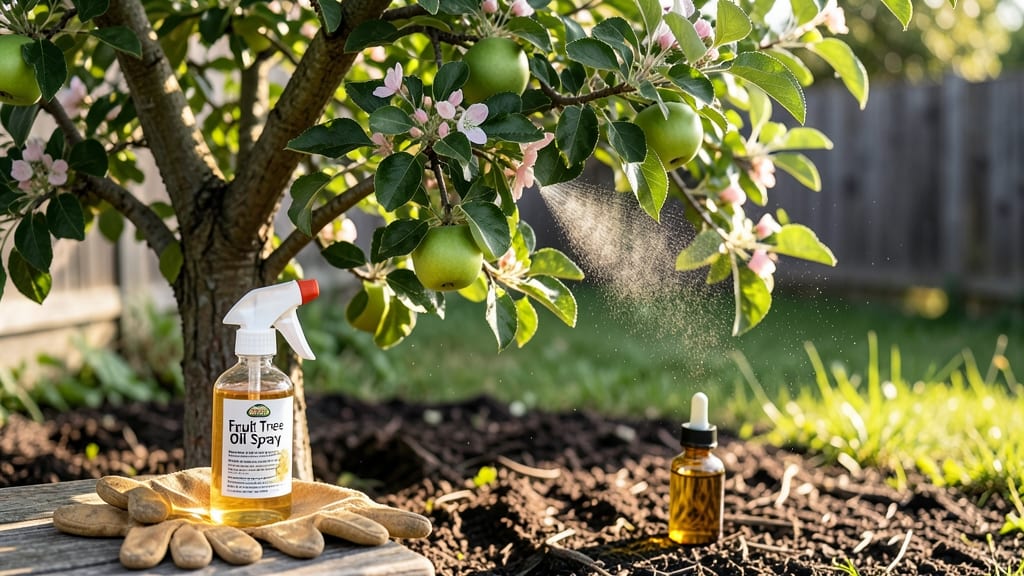
A neem-based oil spray for fruit trees is your secret weapon against fungal blight and pests like aphids and mites. 🌿 I’ve used this spray for five seasons now, and it’s saved my apple and peach trees from unsightly spots and sticky infestations that store-bought chemicals never could.
The best part? It’s made from simple, non-toxic ingredients you can mix at home in under 10 minutes.
This spray works by smothering fungal spores and disrupting the life cycle of soft-bodied pests—no harsh chemicals needed. You’ll need 1 tablespoon of neem oil, 1 teaspoon of mild liquid soap (like Castile), and 1 quart of water.
The soap helps the oil stick to leaves, while the neem oil provides the fungal and insect control. Apply it in the early morning or late evening when bees aren’t active, and reapply every 7-14 days during peak pest seasons.
What you’ll notice almost immediately is healthier foliage with fewer brown spots or curled leaves. The trees stay productive, and you avoid the bitter taste or residue left by synthetic sprays.
Plus, it’s safe for your family and pets once fully dried—just avoid spraying when kids or animals might come into contact with the trees right after application.
For extra protection, pair this spray with pruning diseased branches and mulching to reduce soil-borne fungi. If you’re dealing with scale insects, add a 1% horticultural oil instead of neem for better results. The key is consistency—don’t skip applications during rainy seasons, as moisture can wash the spray away faster.
📚 In This Guide
- What you need
- Instructions
- Tips and common mistakes
- Wrapping up and next steps
What you need
- ● Neem oil (100% cold-pressed, organic): 2 tablespoons (30 mL) – Look for food-grade quality for safety.
- ● Water: 1 quart (946 mL) – Use distilled or rainwater if possible.
- ● Dish soap (mild, biodegradable): ½ teaspoon (2.5 mL) – Avoid harsh detergents; Castile soap works well.
- ○ Horticultural oil or vegetable oil (optional but recommended): 1 teaspoon (5 mL) – Helps oil adhere to leaves.
- ● Spray bottle or pump sprayer: 1 quart (946 mL) capacity – Choose one with a fine mist nozzle for even coverage.
- ● Measuring spoons and cups – For precise mixing.
- ● Stirring stick or small whisk – Ensures thorough blending.
- ● Gloves and safety goggles – Protects skin and eyes from oils.
- ● Ladder or step stool – For reaching higher branches.
- ● Label maker or masking tape + marker – To label your spray bottle.
- ○ Fine mesh strainer (optional) – Filters out debris if using tap water.
Step-by-Step instructions for making a neem-based fruit tree oil spray
This simple homemade spray creates a powerful fungal barrier for your orchard.
🌿 Step 1: Gather and Prepare Your Materials
Start with 1 quart of water and 2 tablespoons of neem oil—the active ingredient that disrupts fungal spores and insect life cycles. I always use cold-pressed neem oil because it retains more of the natural compounds that trees need. Add 1 teaspoon of horticultural oil (like refined soybean or mineral oil) to help the neem oil adhere to leaf surfaces.
Mix these in a 1-quart spray bottle (never a metal container—oils degrade metal over time). Shake gently to combine without creating suds. The solution should look uniformly cloudy, not separated. This blend works best when fresh, so prepare it the morning you plan to apply it.
💧 Step 2: Add Emulsifiers and Fungicidal Boosters
To ensure the oil doesn’t repel water and wash off leaves, add ½ teaspoon of liquid soap (like Castile soap) or a commercial horticultural emulsifier. This breaks the oil into tiny droplets that cling to leaf surfaces. Stir well—you’ll see the mixture turn milky as the emulsifier activates. The soap also helps the spray spread evenly when applied.
For extra fungal protection, I like to add 1 tablespoon of baking soda (not baking powder). This raises the pH slightly, creating an environment unfriendly to fungal spores like powdery mildew and black spot. The baking soda also acts as a mild antiseptic, preventing secondary infections. Shake again until fully dissolved.
☀️ Step 3: Apply at the Right Time and Conditions
Spray your fruit trees early in the morning or late afternoon when temperatures are below 85°F. Heat causes the oils to volatilize too quickly, reducing effectiveness. Avoid spraying when rain is forecast within 24 hours—the oils need time to bind to leaves. Focus on the undersides of leaves, where fungal spores often hide, and the fruit surfaces to prevent blight.
Apply until the upper and lower leaf surfaces glisten lightly—this indicates even coverage. I like to spray in two directions (top to bottom, then side to side) to ensure full contact. Reapply every 7-10 days during active growing seasons or after heavy rain. Consistency is key—fungal infections spread fast, but this spray creates a protective film that disrupts their life cycle.
✂️ Step 4: Monitor and Adjust for Best Results
Watch for new leaf growth after application—this signals the spray is working. Healthy new leaves should emerge free of spots or discoloration. If you notice oil residue on fruit, dilute your next batch with an additional ¼ cup of water to reduce concentration. Overapplication can leave a greasy film that deters pollinators, though neem oil is generally safe for bees when used correctly.
Rotate this spray with copper fungicide every 3-4 applications to prevent resistance. I also recommend pruning infected branches immediately—cut ½ inch below the last healthy bud to remove fungal sources. Store any leftover spray in a cool, dark place for up to 2 weeks**, but shake well before each use. The oils separate over time, so fresh batches work best.
Tips & tricks for perfect fruit tree oil spray
Here's what nobody tells you about making this spray work like a pro—details that separate good results from truly effective protection.
Ingredient Quality Matters: The difference between a mediocre spray and one that actually works starts with your neem oil. Cold-pressed neem oil contains more azadirachtin, the compound that disrupts fungal spores. I've found that cheaper, refined neem oil often lacks this potency—it's worth investing in the good stuff. Also, always use food-grade horticultural oil; mineral oil or vegetable oil won't provide the same protective coating. The baking soda should be pure—no aluminum-free versions, as they won't raise the pH effectively.
Mixing Technique: When combining your ingredients in Step 1, don't just shake once! The oils are heavier than water and will separate if you don't mix thoroughly. Shake vigorously for 30 seconds after adding each ingredient, then let it sit for 5 minutes before shaking again. This ensures the oils emulsify properly and don't create clumps. The final mixture should look like milky coffee, not separated layers. If you see oil floating on top after 24 hours, it's time to make a fresh batch—the oils have separated and lost effectiveness.
Application Strategy: In Step 3, the two-direction spraying method is crucial but often overlooked. After your first pass (top to bottom), wait 10 minutes before doing side-to-side—this gives the first layer time to adhere. For large trees, consider using a concentrated sprayer that delivers a fine mist rather than a coarse spray. The goal is to create a thin, even film on leaves, not soak them. You'll know you've got good coverage when light reflects off the leaves like a fresh dew—this indicates the oils are properly suspended and ready to work.
Storage Wisdom: That 2-week shelf life is non-negotiable if you want effectiveness. Store your spray in a glass or plastic spray bottle (never metal) in a cool, dark place—direct sunlight breaks down the active compounds. Before each use, shake vigorously for 30 seconds; the oils will separate even in good containers. If you notice the mixture smells rancid or overly pungent, discard it immediately—this indicates the oils have gone bad. I keep a small notebook to track when I made each batch, as the 7-10 day reapplication schedule becomes your new orchard routine.
Pro Tips for Fruit Tree Oil Spray
- Here's what nobody tells you about making this spray work like a pro—details that separate good results from truly effective protection.
- Ingredient Quality Matters: The difference between a mediocre spray and one that actually works starts with your neem oil.
- Mixing Technique: When combining your ingredients in Step 1, don't just shake once!
Frequently asked questions
Got questions about using fruit tree oil spray to protect your trees?
Here are some common ones—and their answers—to help you get the most out of your neem-based spray!
How often should I apply fruit tree oil spray?
Apply every 7–14 days during active fungal threats (spring/summer) or when rain washes it off. For prevention, monthly sprays work well. Always spray in the evening to avoid harming bees or beneficial insects. Consistency is key—don’t skip applications during rainy seasons!
Can I use this spray on edible fruit trees like apples or citrus?
Yes! Neem oil is organic and safe for edible trees when used as directed. However, wait 14 days before harvesting fruit after application to ensure residue settles. Avoid spraying directly on blooms to protect pollinators. Always check the label for specific harvest intervals.
What if my trees still get blight after spraying?
If blight persists, you may need to adjust your approach:
- Increase frequency to every 7 days during outbreaks.
- Mix with baking soda (1 tsp per gallon) for extra fungal defense.
- Prune infected branches and sterilize tools with rubbing alcohol.
- Check soil health—poor drainage or overwatering can worsen blight.
If the problem continues, consult a local arborist for targeted solutions.
Is fruit tree oil spray safe for all trees?
Neem oil is generally safe for most fruit trees (apples, peaches, citrus, etc.), but avoid:
- Young, tender seedlings (use a diluted solution).
- Walnut, pecan, or grape trees (neem can cause leaf burn).
- Trees under stress (drought, extreme heat).
Always test a small branch first for sensitivity. For non-fruit trees, opt for a horticultural oil instead.
Can I make a DIY version instead of buying pre-mixed spray?
A simple homemade neem oil spray requires:
- 1 tbsp neem oil
- 1 tsp mild liquid soap (as an emulsifier)
- 1 quart water
Pro tip: Add 1 tbsp of baking soda for extra fungal power. Shake well before each use—neem oil separates! Store in a cool, dark place for up to 2 weeks.
Will this spray harm bees or other pollinators?
Neem oil is low-toxicity to bees, but spray only in the evening (after 6 PM) when they’re less active. Avoid blooming trees entirely or cover hives during application. For extra safety, skip spraying on days when bees are foraging heavily (check local bee activity patterns).
Wrapping up and next steps
Armed with your neem-based fruit tree oil spray, you’re now ready to shield your orchard from fungal blight and keep those harvests thriving! 🌱 This simple, eco-friendly solution harnesses the power of nature to protect your trees without harsh chemicals—because healthy trees mean delicious, abundant fruit for seasons to come.
Your next step? Test a small branch first to confirm effectiveness, then scale up as needed. Happy spraying—and here’s to a bountiful, blight-free future! 🍏💚