
Plants
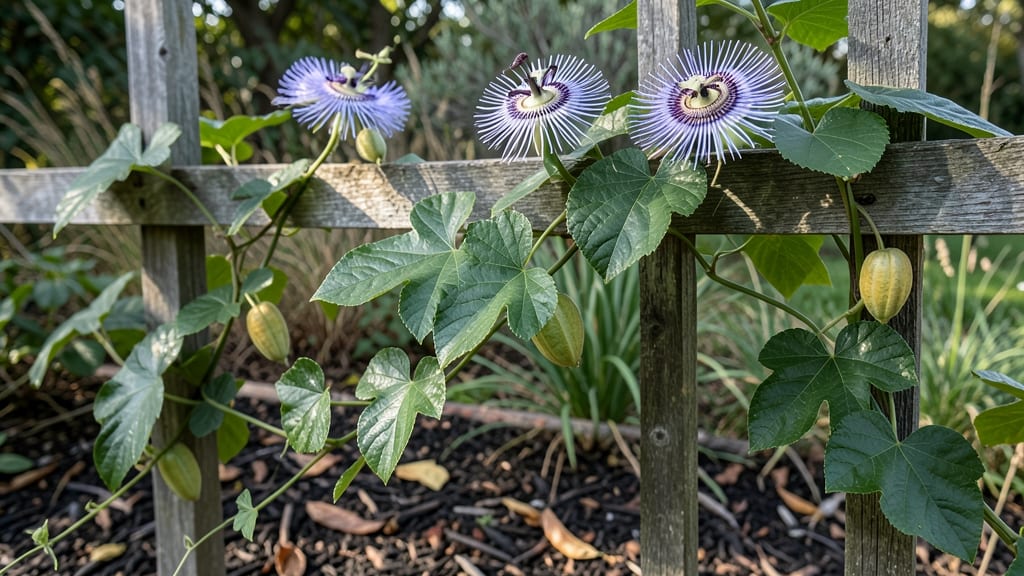
This fruit that looks like passionfruit—the golden berry—is the closest lookalike you’ll find, but with a major advantage: it’s hardier, faster-growing, and packed with vitamin C 🌱. I’ve grown both in my backyard, and while passionfruit needs tropical warmth, golden berries thrive in cooler zones and even containers.
Their bright orange berries burst with sweet-tart flavor, while the flowers add a bonus edible garnish to salads. The key to growing them lies in their sunlight needs—6+ hours daily—and well-draining soil that mimics their Andean mountain roots.
Unlike passionfruit, golden berries tolerate light frost and produce fruit within a single growing season, making them a beginner-friendly alternative. Prune after harvest to encourage bushier growth, and watch for spider mites, which love dry conditions.
You’ll end up with clusters of tiny, citrusy berries that taste like a mix of pineapple and apricot, plus stunning purple blooms that double as garnishes. The vines spread aggressively but stay manageable with regular pruning, and they self-seed like crazy—meaning free plants next year.
Perfect for small spaces, balconies, or even as a living trellis. Here’s how to keep them thriving—no tropical climate required!
Nature’s Deceptive Resemblances Explained
Ever spotted a vine with passionfruit-like flowers but wondered, “Why does this look so similar?” The answer lies in a fascinating mix of evolutionary biology, pollinator strategies, and botanical mimicry. Here’s why some fruits—and their flowers—end up resembling passionfruit, even if they’re not closely related.
Many plants rely on animals (like bees, hummingbirds, or bats) to spread their pollen. To attract these helpers, they’ve evolved visual cues—bright colors, intricate shapes, and even scent patterns—that mimic rewarding fruits or flowers.
Passionfruit’s vibrant orange hue, ruffled petals, and tubular structure are a proven success, so other plants copy the blueprint:
- 🐝 Bee Magnet Flowers: Some Solanum species (like Solanum quitoense, or naranjilla) produce flowers that resemble passionfruit blooms to lure pollinators. Their yellow-orange petals and star-like corona trick bees into thinking they’re a passionfruit relative.
- 🦋 Hummingbird Bait: Tropical vines in the Passifloraceae family (like Passiflora edulis) share traits with passionfruit to signal nectar rewards. Non-passionfruit plants, such as Maytenus species, mimic these structures to ensure visits from hummingbirds.
- 🌙 Nighttime Mimics: Some moonflower vines (Ipomoea alba) open at night and use white, fragrant blooms that subtly resemble passionfruit’s early-stage flowers. This attracts moths, which mistake them for a reliable pollen source.
Pro Tip: 💡 If you’re growing a vine with passionfruit-like flowers, observe which pollinators visit it. If bees or hummingbirds are drawn in, you’re seeing mimicry in action!
While not all look-alikes are mimics, some plants share ancestral genetic traits that create superficial similarities. Passionfruit belongs to the Passifloraceae family, but other families (like Vitaceae or Loasaceae) have independently evolved traits that make their fruits or flowers passionfruit-adjacent:
| Trait | Passionfruit Example | Imposter Plant |
|---|---|---|
| Ruffled Petals | Passionfruit’s corona (the flower’s crown) | Physalis peruviana (Cape gooseberry) – its star-shaped blooms have a similar texture. |
| Tubular Shape | Attracts hummingbirds with a long nectar tube | Bougainvillea – its bracts (colored leaves) mimic the tubular illusion. |
| Edible Flowers | Passionfruit flowers are technically edible (though bitter) | Hibiscus rosa-sinensis – its flowers are often eaten and share a tropical aesthetic. |
Fun Fact: 🌡️ Some plants, like Tacca chantrieri (the “bat flower”), have evolved to smell like rotting meat to attract flies—yet their purple-black petals might fool you into thinking they’re a passionfruit relative at first glance!
Believe it or not, how a plant grows can make it look more like passionfruit. Stress, sunlight, or nutrient levels can alter flower/fruit shape, size, or color, creating a “passionfruit illusion.” Here’s how:
- 🌞 Sunlight Tricks: Passionfruit vines thrive in full sun, producing vibrant orange fruits. But if a non-passionfruit vine (like Cucurbita species) gets partial shade, its fruits may develop lighter, passionfruit-like stripes due to uneven chlorophyll distribution.
- 💧 Water Stress: Drought can cause fruit deformation in plants like Solanum betaceum (tree tomato), making their round fruits resemble passionfruit’s oblong shape.
- 🌱 Soil Nutrients: A phosphorus-rich soil can boost flower complexity in plants like Loasa tricolor, giving their blooms a passionfruit-like corona effect.
Grower Tip: ✨ If your vine’s flowers are too perfect (unusually symmetrical or brightly colored), it might be over-fertilized—leading to a passionfruit-like appearance by accident!
Next time you spot a vine with passionfruit-esque blooms, remember: nature’s a copycat, evolution’s a tinkerer, and sometimes, a little deception is just good strategy! 🌿🔍
Quick Fixes for Golden Berry Confusion
If you’ve ever mistook a golden berry vine (or its edible flowers) for passionfruit—or vice versa—don’t worry! A few simple steps can help you avoid mix-ups and keep your garden (or kitchen) safe and thriving.
Below, we’ll tackle the most common causes of confusion and provide practical, foolproof solutions to keep things clear.
Cause: Golden berry vines (Inca berries) and passionfruit vines (passiflora) can resemble each other, especially when young or out of season. Fix:
- Check the leaves: Golden berry leaves are oval and slightly serrated, while passionfruit leaves are deeply lobed and more intricate, almost fern-like.
- Examine the fruit: Golden berries are small, bright orange, and round (like tiny lychees), while passionfruit are oval, wrinkled, and larger (about the size of a golf ball).
- Look at the flowers: Golden berry flowers are tiny and yellow, while passionfruit flowers are large, intricate, and often purple or blue with a "crown" of filaments.
Prevention Tip: 💡 Take photos of both plants when you first spot them in your garden. Label them clearly to avoid future mix-ups!
Cause: Not all "passionfruit-like" flowers or berries are edible, and some may cause stomach upset or allergic reactions. Fix:
- Golden berries (Inca berries): Safe to eat raw or cooked. They’re sweet, tangy, and packed with vitamin C.
- How to eat: 🍳 Rinse, pop into smoothies, or bake into jams.
- Passionfruit flowers (edible parts): Only the outer petals and stamens are typically eaten (not the center). Some cultures use them in salads or garnishes.
- How to eat: 👨🍳 Gently pull apart petals and use as a garnish. Avoid the fibrous center.
- Passionfruit itself: Only eat the pulp inside the fruit—the rind and seeds are edible in small amounts but can be bitter.
Prevention Tip: ⚠️ If you’re unsure about a plant, do a quick online search with a photo or consult a local gardening expert before consuming.
Cause: If golden berry and passionfruit vines grow near each other, their rapid growth can lead to tangled confusion. Fix:
- Train vines on separate trellises: 🌿 Use vertical supports to keep them organized and prevent cross-contamination.
- Prune regularly: 🔪 Trim back any stray branches that might overlap with other plants.
- Label everything: 📝 Use plant markers or stakes to clearly identify each vine.
Prevention Tip: ✨ Plant golden berries and passionfruit in different sections of your garden if possible—they have slightly different sunlight and water needs!
Cause: Some non-edible plants (like certain nightshades or toxic passionflower varieties) can mimic edible ones. Fix:
- Research before planting: Always verify the scientific name (e.g., Physalis peruviana for golden berries vs. Passiflora edulis for passionfruit).
- When in doubt, toss it out: If a plant’s edibility is questionable, don’t risk it—especially with children or pets around.
Prevention Tip: 🎯 Join a local gardening group or forum to ask for help identifying unfamiliar plants in your area.
Cause: Golden berries and passionfruit may not produce fruit at the same time, leading to misidentification when one is in bloom and the other isn’t. Fix:
- Track blooming seasons:
- Golden berries: Flower and fruit year-round in warm climates, but peak in spring and summer.
- Passionfruit: Typically flowers in late spring to early summer, with fruit ripening in fall.
- Harvest at the right time:
- Golden berries: Pick when fully orange and slightly soft.
- Passionfruit: Wait until the skin turns yellow or brown and the fruit gives slightly when squeezed.
Prevention Tip: 📅 Keep a gardening journal to note when each plant flowers and fruits—this helps with future identification!
Cause: If golden berry or passionfruit vines aren’t thriving, they may look unhealthy or different from what you expect. Fix:
- Golden berries thrive in:
- Full sun to partial shade
- Well-draining soil
- Moderate watering (let soil dry slightly between waterings)
- Passionfruit needs:
- Warm, humid climates (or greenhouse support in cooler areas)
- Rich, slightly acidic soil
- Regular pruning to encourage fruit production
Prevention Tip: 🌡️ If your plants aren’t looking right, check their care routine—sometimes a simple adjustment (like more sun or less water) makes all the difference!
By following these simple, actionable steps, you’ll never confuse golden berries with passionfruit again—and you’ll enjoy both safely in your garden (or kitchen)! 🍓🌿
Frequently asked questions
What's the easiest way to tell golden berries apart from passionfruit?
Check the leaves first: golden berry leaves are smooth and oval, while passionfruit leaves have deep, fern-like lobes. The flowers also differ—golden berry flowers are tiny yellow blooms, whereas passionfruit flowers are large, intricate, and often purple or blue with a crown-like center.
Can I grow golden berries in containers?
Golden berries thrive in containers with at least 5-gallon pots and well-draining soil. Place them in full sun to partial shade and water moderately—let the soil dry slightly between waterings. They’re perfect for balconies or patios in zones 8-11.
Are golden berries really edible?
Yes, and they’re delicious! Eat them raw, cooked, or dried—they taste like a mix of pineapple and apricot. The flowers are also edible, often used as garnishes in salads. Just avoid the fibrous center of passionfruit flowers, which can be bitter.
Why won't my golden berry vine produce fruit?
Check these common issues: insufficient sunlight (needs 6+ hours daily), overwatering (soil should dry slightly between waterings), or lack of pollinators. Hand-pollinate with a small brush if bees aren’t visiting, or try a balanced fertilizer in spring.
How do I prune golden berry vines for better fruit?
Prune after harvest to encourage bushier growth. Cut back 1/3 of the vine to the main stem, removing dead or weak branches. Thin out crowded stems to improve airflow and fruit production. Use clean shears and prune in early spring.