
Flowers
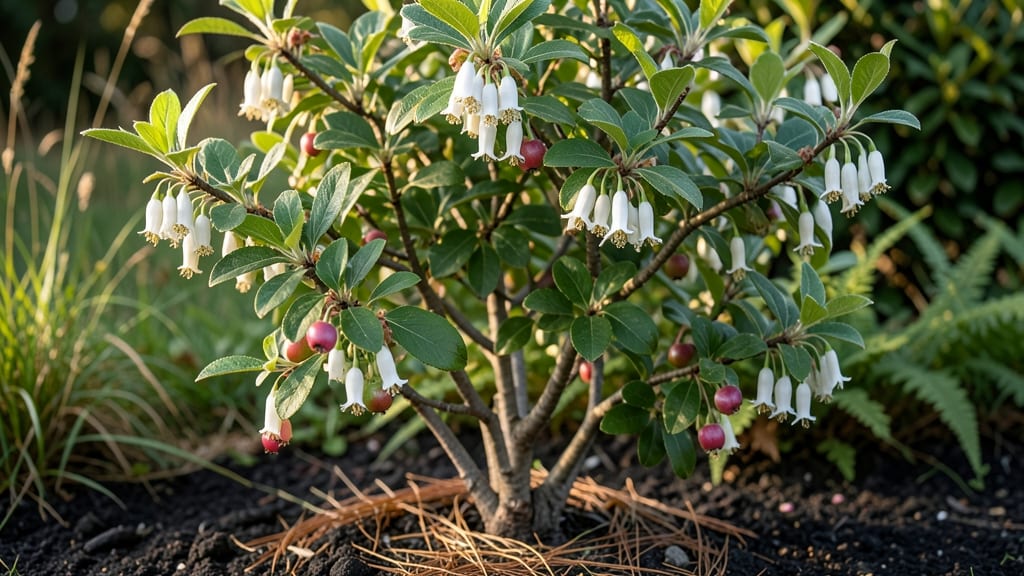
Transforming a blueberry flower 🫐 into fruit is where the real magic happens—and it all starts with understanding the pollination process.
Did you know that only 10% of blueberry flowers typically turn into fruit? That’s right, even with perfect care, most blooms drop off without setting fruit. But here’s the secret: with the right techniques, you can boost that rate to 30% or higher, tripling your harvest.
In this guide, I’ll walk you through the exact stages from bloom to fruit, including how to support pollination, fix common issues, and create the ideal conditions for your blueberries to thrive in Zone 6a.
Whether you’re dealing with self-unfruitful varieties or just want bigger, juicier berries, these step-by-step tips will help you maximize every flower’s potential.
The blueberry flower-to-fruit process: a step-by-step breakdown
Watching your blueberry bushes transform from delicate white or pink flowers into juicy blueberries is one of the most rewarding parts of gardening. But did you know this process relies on precise pollination triggers and environmental conditions?
Understanding each stage—from bloom to harvest—helps you maximize fruit set and avoid common pitfalls. Let’s break down what happens between those showy blooms and your first ripe berry.
Blueberries are unique because they’re self-pollinating but not always self-fertile. Highbush varieties (like Bluecrop or Duke) often need cross-pollination for optimal yields, while lowbush types (wild varieties) are more independent.
The journey from flower to fruit spans 60-90 days, depending on your USDA zone and growing conditions. Let’s explore each critical phase so you can troubleshoot and optimize your harvest.
-
1
Flowering Stage (April-May)
Duration: 7-10 days
🌸 Blooms appear on last year’s wood (not new growth). Highbush varieties produce white or pink flowers, while lowbush types have bell-shaped blooms. Ideal temps: 50-70°F. Below 40°F, flowers may drop. -
2
Pollination Trigger (Day 3-5)
Duration: 24-48 hours
Bees, wind, or hand-pollination transfer pollen from anthers to stigmas. Highbush varieties benefit from cross-pollination between bushes. Humidity below 50% reduces pollinator activity—water lightly if dry. -
3
Fertilization & Fruit Set (Day 7-10)
Duration: 7-14 days
Fertilized flowers swell into pea-sized green berries. Unpollinated flowers drop off. Low soil pH (4.5-5.5) is critical—test and amend with sulfur or peat moss if needed. Over-fertilizing with nitrogen now can reduce fruiting. -
4
Cell Division (Weeks 3-6)
Duration: 30-45 days
Berries grow rapidly, turning from green to pink. Phosphorus-rich fertilizer (10-10-10) supports cell expansion. Thin fruit if clusters are dense—leave 1 inch between berries to prevent mummy berry disease and improve size. -
5
Color Change (Weeks 7-9)
Duration: 10-14 days
Berries develop blue pigment (anthocyanins) due to sunlight. Red or purple berries aren’t ripe—wait for deep blue color. Calcium deficiency (blossom end rot) may cause dark spots; apply calcium nitrate if needed. -
6
Harvest Readiness (Weeks 10-12)
Duration: 7-14 days
Berries are plump, deep blue, and detach easily. Harvest in morning after dew dries to preserve sweetness. Highbush varieties ripen 2-3 weeks earlier than lowbush types. Store in refrigerated containers for up to 1 week.
Timing is everything with blueberries! Highbush varieties like Jersey or Patriot typically reach harvest in late June to early July, while lowbush types (like wild blueberries) ripen 2-3 weeks later.
Pay attention to your local frost dates—late frosts after flowering can devastate your crop. If you’re in Zone 6 or colder, consider planting early-season varieties like Bluegold to avoid frost risks.
One of the biggest mistakes gardeners make is overlooking soil pH. Blueberries thrive in
How to boost pollination for maximum blueberry fruit set
Blueberry bushes produce stunning pink and white flowers in spring, but only a fraction of these blossoms develop into fruit. The key to transforming blueberry flowers to fruit lies in effective pollination—a process that can be easily optimized with the right techniques.
Many gardeners miss out on maximum yields because they overlook simple strategies to improve pollination rates, whether through natural methods or gentle intervention.
Blueberries are self-pollinating but benefit from cross-pollination, especially in low-pollinator environments. Without proper pollination, your bush might produce fewer berries or even fail to fruit entirely. The good news? You can take control of this process by attracting pollinators, hand-pollinating flowers, and creating ideal growing conditions.
Let’s dive into the most effective ways to boost your blueberry’s fruit set and enjoy a bountiful harvest.
- 1 Hand-Pollination Technique: Use a soft paintbrush to transfer pollen from one flower to another on cloudy or windless days. Focus on self-unfruitful varieties like 'Bluecrop' or 'Jersey' that need extra help.
- 2 Attract Native Bees: Plant bee-friendly flowers like lavender, borage, or native wildflowers nearby. Avoid pesticides during bloom to keep pollinators thriving.
- 3 Optimize Temperature: Blueberries pollinate best between 55°F and 75°F. Use row covers on cold mornings to protect flowers from frost damage.
- 4 Reduce Wind Exposure: Wind can disrupt pollen transfer. Plant bushes in sheltered locations or use windbreaks like tall grasses or shrubs.
- 5 Hummingbird Feeders: These birds love blueberry nectar! Place a feeder nearby to encourage them to visit your bushes during bloom.
If you’re growing self-unfruitful varieties, hand-pollination becomes your best friend. On a dry, calm morning, gently brush a soft paintbrush over the stamens of one flower and then over the stigma of another.
Repeat this process for 10-15 flowers per cluster to maximize fruit set. This method is especially useful if your garden lacks natural pollinators like bees or hummingbirds.
Creating a pollinator-friendly habitat is another game-changer. Blueberries thrive when surrounded by native flowering plants that attract bees and hummingbirds. Consider adding lavender, bee balm, or sunflowers to your garden’s perimeter.
Avoid using pesticides during the blooming season, as even low-toxicity sprays can harm pollinators. Instead, opt for organic pest control methods like neem oil or companion planting.
Environmental conditions play a critical role in blueberry pollination. Blueberries prefer mild temperatures between 55°F and 75°F for optimal pollen transfer. If your region experiences early spring frosts, consider using floating row covers to protect flowers until temperatures stabilize.
Additionally, ensure your bushes receive adequate sunlight—at least 6-8 hours daily—as this encourages robust flowering and better pollination success.
Don’t overlook the power of humidity and wind. High humidity can make pollen stickier and harder to transfer, while strong winds can blow pollen away before it reaches the stigma.
If your garden is exposed to consistent wind, create a windbreak using tall plants or a fence to shield your blueberry bushes. This simple adjustment can significantly improve your fruit set rates.