
Picking
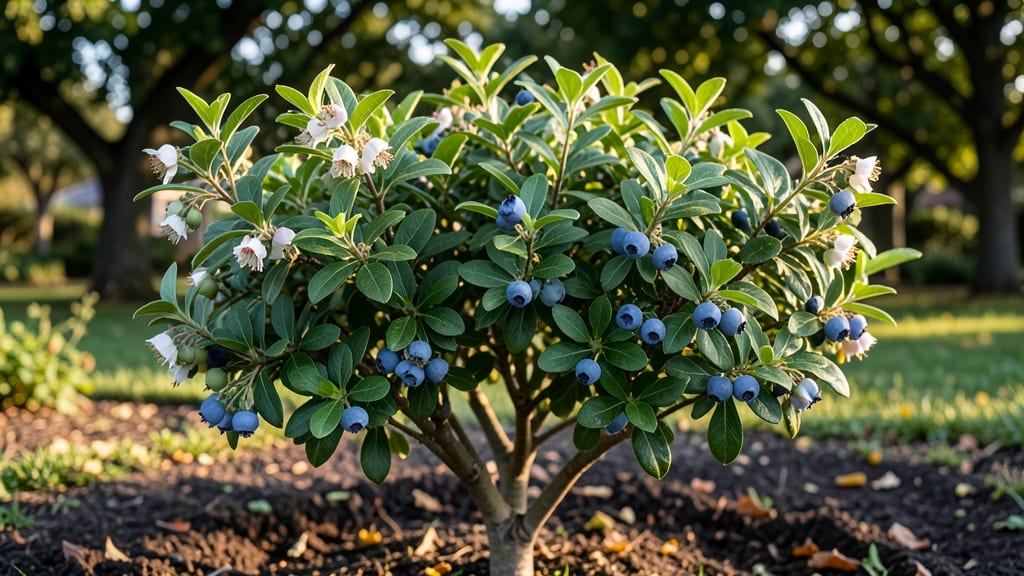
Blueberry bushes produce fruit anywhere from 1 to 3 years after planting, depending on variety and care—but timing it right means the difference between a handful of berries and a bucketful.
Picture this: You’ve nurtured your 🫐 blueberry bush for months, only to stare at empty branches when summer rolls around. That’s the frustration of planting the wrong variety for your zone or missing key care steps before fruiting even begins.
In this guide, I’ll break down exactly when your bushes will bear fruit—whether you’re in Zone 6a or beyond—and how to push ripening forward with simple tricks like pruning and soil tweaks.
You’ll learn which varieties ripen first, how climate zones shift harvest months, and the 5 foolproof signs your bush is ready to produce. No more guessing—just a timeline tailored to your garden.
Blueberry fruit production timeline by variety type (northern vs southern cultivars)
Blueberries are one of the most rewarding shrubs to grow, but their fruiting timeline varies dramatically between northern and southern varieties. Whether you're growing lowbush, highbush, or rabbiteye blueberries, understanding these differences helps you plan for the perfect harvest window.
Northern varieties typically fruit 2-4 weeks later than southern types due to chilling hour requirements and heat tolerance.
In colder climates (USDA Zones 3-7), highbush varieties like Bluecrop and Jersey produce fruit from late June to August, while lowbush types ripen even earlier, often in June.
Southern varieties (Zones 7-10), including rabbiteye types like Climax and Powderblue, ripen as early as March to May, giving gardeners in warmer regions a head start on the season.
Here’s a detailed breakdown of fruiting timelines by variety, including early, mid-season, and late producers to help you choose the best types for your climate and harvest schedule.
If you're in a transition zone (like Zone 7), you can grow both northern and southern varieties to extend your harvest season. For example, planting Jersey (northern) alongside Climax (southern) lets you enjoy berries from April through August.
Just ensure your soil stays acidic (pH 4.5-5.5) and well-drained, as this is critical for all blueberry varieties.
For northern gardeners, early varieties like Earliblue ripen as soon as late June, while late types like Patriot hold fruit until early September. This extended window lets you pick berries over 6-8 weeks, depending on your microclimate.
In contrast, southern varieties like Powderblue are ready for harvest by April, making them ideal for early markets or fresh eating.
One common mistake is assuming all blueberries ripen at the same time. In reality, even within a single variety, berries can ripen over 2-4 weeks. To manage this, pick berries every 2-3 days once they start changing color.
Use a gentle twist to avoid damaging the plant, and always harvest in the morning when berries are cool and firm.
To encourage earlier fruiting, consider pruning in late winter to remove old wood and open the canopy for better airflow. This helps flower buds develop more efficiently. Additionally, mulching with pine needles or peat moss maintains soil acidity and retains moisture, which is especially helpful in drought-prone southern climates.
If you're in a warmer zone (like Zone 9-10) and notice your rabbiteye blueberries struggling, it might be due to heat stress. Providing afternoon shade or using drip irrigation can make a significant difference.
Meanwhile, northern varieties may need winter protection in Zone 5 or colder, such as mulching with straw or wrapping the bush with burlap.
Understanding your local frost dates is also key. In northern climates, a late frost can damage flower buds in spring, while s
How hardiness zones affect blueberry harvest months (Zone 3–10 guide)
Your hardiness zone is the ultimate predictor of when your blueberry bushes will produce fruit. Northern zones like Zone 3 have shorter growing seasons, while Zone 8–10 regions enjoy extended harvest windows. Understanding these differences helps you choose the right varieties and plan for optimal fruit production each year.
Blueberries need chilling hours (typically 500–1,000 hours below 45°F) to set fruit, which directly impacts harvest timing. Southern zones often produce fruit earlier in spring, while northern zones see harvests in mid-to-late summer. Heat tolerance also plays a role—some varieties struggle in Zone 9+ if summer temps exceed 90°F.
| Hardiness Zone | Typical Harvest Window | Best Varieties | Chilling Hours Needed |
|---|---|---|---|
| Zone 3–4 | Late June–July | Patriot, Bluecrop | 800–1,000 hours |
| Zone 5–6 | June–July | Jersey, Bluegold | 600–800 hours |
| Zone 7–8 | April–June | Duke, Premier | 400–600 hours |
| Zone 9–10 | March–May | O’Neal, Climax | 200–400 hours |
🌱 Note: Southern varieties may need winter chilling from nearby trees or artificial methods.
If you live in Zone 3–5, focus on late-season varieties like Bluecrop or Jersey, which thrive in cooler climates. These bushes produce fruit in June–July, aligning with their natural growing cycle.
For Zone 6–8, early varieties like Duke or Premier ripen in April–June, perfect for warmer springs.
In Zone 9–10, heat-sensitive varieties may struggle, so opt for low-chill types like O’Neal or Climax. These ripen in March–May before summer heat sets in. If your zone is borderline, consider container growing to move plants to shaded areas during peak heat.
To adjust planting for optimal fruit production, prioritize acidic soil (pH 4.5–5.5) and full sun. Mulch with pine needles to retain acidity, and prune in late winter to encourage new growth. Dwarf varieties are ideal for containers, while standard bushes need space for airflow.
Remember: Frost timing matters too. Late spring frosts can damage blossoms, delaying fruit. In Zone 4–6, protect young bushes with frost cloth if frost threatens during bloom. With the right variety and care, your blueberries will reward you with juicy, homegrown fruit every season! 🫐