
Blooming
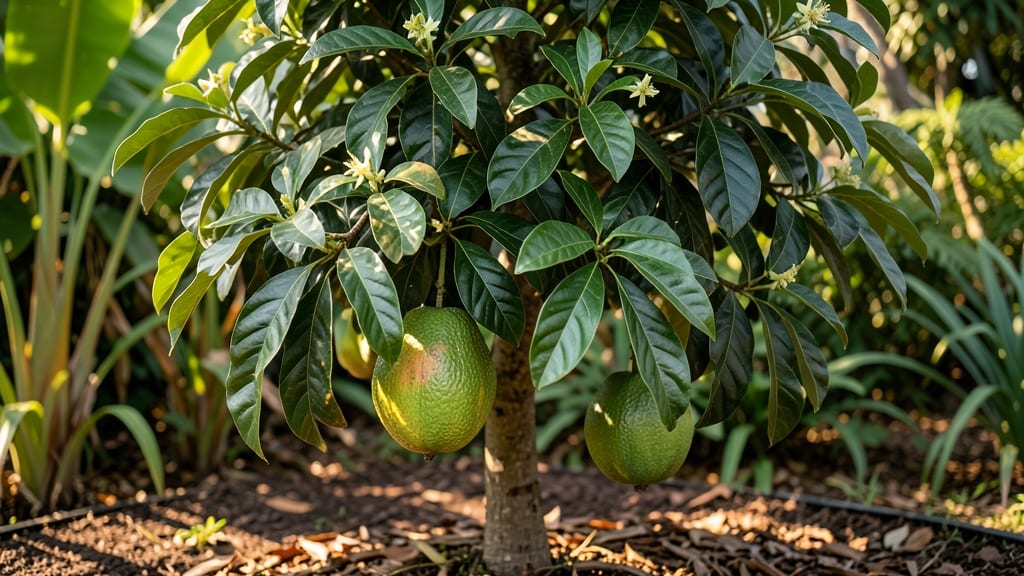
When referring to annona fruit in English, you'll most commonly encounter names like sugar apple, custard apple, or cherimoya, depending on the specific variety. These tropical fruits feature luscious, creamy interiors and a distinctive sweetness with subtle floral notes. The three most widely recognized varieties are atemoya, cherimoya, and soursop (also called graviola).
These tropical fruits belong to the Annonaceae family and have been cultivated for centuries across Central and South America. 🌿 The name "annona" itself comes from the Latin word for "grain," reflecting their historical role as a staple food.
What makes them so special is their unique flavor profile—often described as a mix of pineapple, banana, and citrus, with a texture that ranges from custard-like to slightly grainy.
In my garden journal, I've noted that cherimoya varieties tend to have the most complex flavor, while soursop offers a tart contrast that works beautifully in desserts and beverages.
What's fascinating about these fruits is how their appearance varies dramatically between varieties. Cherimoya typically sports a smooth, green skin with a heart-shaped form, while soursop develops a spiky, green exterior resembling a small pineapple. Sugar apples often have a more rounded shape with a slightly rougher texture.
These visual differences make them easy to distinguish at first glance, which comes in handy when shopping at specialty markets or planning your own home garden.
💡 In This Article
- How Annona Fruit Varieties Differ in Taste and Appearance
- Best Ways to Grow Annona Trees at Home
How Annona fruit varieties differ in taste and appearance
The differences between annona varieties start with their botanical structure. Cherimoya (Annona cherimola) features a smooth, heart-shaped fruit with a thick, velvety green rind that protects its snow-white, custard-like flesh.
When ripe, the flesh has a delicate, almost floral aroma with flavors reminiscent of banana, pineapple, and strawberry—often called the "queen of fruits" for its complex sweetness.
In contrast, atemoya (Annona squamosa × cherimola), a hybrid, combines cherimoya's smooth skin with a slightly rougher, scaly texture and a milder, more straightforward sweetness profile.
Soursop (Annona muricata), also called graviola, stands out with its spiky, green exterior resembling a pineapple, but its flesh is tart and creamy with a citrusy, tropical tang rather than pure sweetness.
The texture is slightly grainier than cherimoya's, almost like a cross between custard and a soft, juicy fruit. What's fascinating is how their sugar content varies: cherimoya averages 15-20% sugar by weight, while soursop has only 5-10% sugar but compensates with intense acidity and aromatic compounds.
This is why soursop works so well in drinks and desserts where tartness is desired.
For gardeners, these differences matter when selecting varieties. Cherimoya and atemoya thrive in USDA zones 9-11 and need 120-150 frost-free days to produce fruit, while soursop is more cold-hardy (USDA zone 10) and can tolerate brief dips to 30°F.
The key to flavor development is full ripening on the tree—unlike many fruits, annonas never soften after picking. I’ve found that cherimoya’s flavor peaks when the fruit yields slightly to gentle pressure, while soursop should be firm but give just a bit.
Another surprising detail is how their seeds play a role in identification. Cherimoya seeds are flat and black, while soursop seeds are long, brown, and slightly curved. This is useful for distinguishing between varieties when shopping at markets or identifying plants in your garden.
The seeds also contain acetogenins, compounds being studied for potential medicinal properties, though they’re not safe to eat in large quantities.
If you’re growing these fruits, consider their pollination needs: cherimoya is self-pollinating, while atemoya and soursop often require cross-pollination for fruit set. In my garden, I’ve planted a mix of varieties to ensure better yields.
The aroma alone—especially from a ripe cherimoya—is enough to make you want to grow these tropical delights, even in cooler climates with container gardening.
For those curious about culinary uses, cherimoya and atemoya shine in desserts like ice cream or mousses, while soursop is perfect for smoothies, juices, or even savory dishes like ceviche.
The contrast in textures and flavors makes them a fun addition to any kitchen, whether you're a home gardener or a tropical fruit enthusiast.