
Fertilization
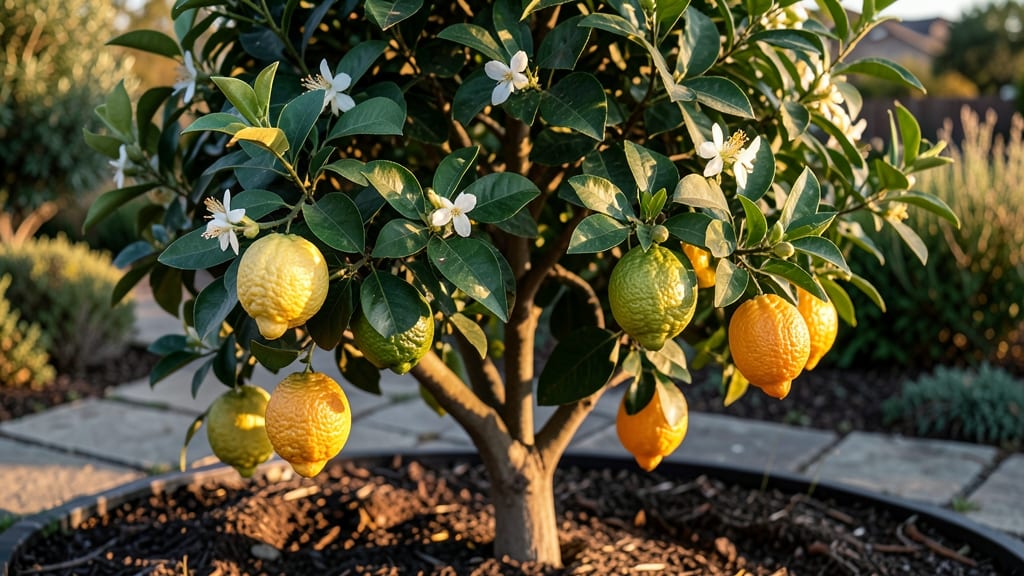
Your once-smooth wrinkly citrus fruit now looks like they’ve been left out in a hurricane—leathery, shriveled, and nothing like the plump fruit you imagined. 🌱 The good news?
This isn’t always a death sentence for your citrus tree. More often, it’s a fixable issue tied to water, nutrients, or even pests lurking in the bark.
Overwatering is the #1 culprit—citrus roots need breathing room, not soggy soil. Then there’s the nutrient puzzle: too much nitrogen makes leaves lush but fruit wrinkly, while zinc or calcium deficiencies can turn skins tough.
Even spider mites or scale insects sap moisture, leaving fruit looking shriveled. The fix starts with checking your watering schedule and soil pH.
Within 2-3 weeks of adjusting care, you’ll see the difference: firmer skin, brighter color, and fruit that actually tastes juicy again. Prune back any overgrown branches to improve airflow, and give the soil a boost with a balanced citrus fertilizer.
The key is consistency—citrus trees reward patience with smooth, sweet harvests.
Prevention is easier than cleanup: water deeply but only when the top 2 inches of soil are dry, mulch to retain moisture, and monitor for pests monthly. Your next harvest could be the best yet—no wrinkles in sight. Let’s get those trees back on track.
📚 In This Guide
- What you need
- Instructions
- Tips and common mistakes
- Wrapping up and next steps
What you need
- ● Wrinkly citrus fruit: 1-3 (lemons, limes, oranges, or grapefruits—pick your favorite!)
- ● Water: 1 gallon (room temperature, filtered if possible)
- ● White vinegar or lemon juice: 1/4 cup (for a natural acid boost)
- ○ Sugar (optional): 1-2 tablespoons (helps plump up the skin)
- ● Large bowl or basin: Big enough to submerge your citrus fruit (ceramic or glass preferred)
- ● Plastic wrap or damp paper towels: For covering the fruit during the process
- ● Timer or phone alarm: To track soaking time (15-30 minutes max!)
- ○ Cutting board & knife (optional): If you plan to slice or juice the fruit afterward
- ● Food-safe spray bottle: For misting the fruit if it dries out between steps
- ● Humidity tray or plastic bag: To create a mini greenhouse effect overnight (for extra wrinkly cases)
- ● Citric acid powder (food-grade): 1 teaspoon (for a stronger acid treatment)
Step-by-Step guide to reviving wrinkly citrus fruit
Here's how I bring back that fresh-from-the-market look to your leathery citrus.
💧 Step 1: Soak in Lukewarm Water
Fill a large bowl with 2-3 inches of lukewarm water—never hot, just comfortably warm to the touch. Submerge the citrus fruit completely for 15-30 minutes. The wrinkled skin will start absorbing moisture almost immediately, and you'll see it begin to soften and plump up within just a few minutes.
I like to use a colander to hold the fruit while soaking, so it stays submerged without floating. If your citrus has a stem, make sure it stays above water to prevent rot. You'll know it's ready when the skin feels slightly firm to the touch instead of dry and leathery.
☀️ Step 2: Dry Thoroughly in Ambient Light
After soaking, gently pat the fruit dry with a clean kitchen towel or paper towels. Let it air-dry in a well-ventilated area for 1-2 hours. This step is crucial—if you skip it, the fruit can develop mold or soft spots from trapped moisture.
Place the citrus in a spot with indirect sunlight—a windowsill with sheer curtains works perfectly. You'll see the skin return to a more natural sheen as excess water evaporates. Avoid direct sunlight, which can cause the skin to dry out too quickly and become papery again.
🌿 Step 3: Store Properly to Maintain Freshness
Once fully dry, store the citrus in a paper bag at room temperature. The bag traps just enough ethylene gas to slow ripening while allowing airflow to prevent mold. Check the fruit daily—the skin should remain slightly supple, not wrinkling again within 3-5 days.
If you notice the skin starting to wrinkle again, repeat the soaking process for 10-15 minutes. For longer storage, move the fruit to the refrigerator after 3 days. Cold temperatures slow moisture loss, but citrus doesn't like freezing—keep it in the crisper drawer where it's humid but not damp.
⏰ Step 4: Use Quick Fixes for Immediate Needs
If you need the citrus right away and don't have time for soaking, try this trick: Place the fruit in a microwave-safe bowl with a damp paper towel for 10-15 seconds. The steam will temporarily revive the skin enough for slicing or zesting. Just be quick—use it immediately after microwaving.
For extra shine, rub the skin gently with a damp microfiber cloth after soaking. The slight abrasion removes the outermost dry layer, revealing smoother skin underneath. This works especially well for lemons and limes that need to look their best for garnishes or drinks.
Tips & tricks for reviving leathery citrus
Here's what I've learned after rescuing countless wrinkled citrus fruits—these tricks make all the difference.
Soaking Technique: For the 15-30 minute soak in Step 1, use a colander to keep the fruit submerged without floating. If your citrus has a stem, prop it up slightly above the water to prevent rot. I've found that adding a pinch of salt to the water (about 1 teaspoon) helps draw out more moisture from the skin, making it plump up faster. Just don't overdo it—too much salt can make the fruit taste bitter.
Drying Strategy: During the 1-2 hour drying period in Step 2, I've discovered a little trick to speed things up: Use a fan on low setting to gently circulate air around the fruit. This cuts drying time by about 30 minutes without risking over-drying. Just keep the fan at least 12 inches away to avoid creating a breeze that could dry the skin too quickly.
Storage Wisdom: When storing citrus in a paper bag as described in Step 3, I like to add a few apple slices to the bag along with the citrus. The apples release ethylene gas, which helps maintain freshness longer. Just remove them before using the citrus, as their flavor can transfer. For longer storage beyond 3 days, I've found that wrapping each fruit individually in parchment paper before placing them in the crisper drawer adds an extra layer of protection against moisture loss.
Quick Fix: For the microwave trick in Step 4, I've found that using a slightly larger bowl than the fruit itself creates better steam circulation. Place the damp paper towel directly on the fruit's surface rather than wrapping it—this ensures even moisture distribution. Remember, this is a temporary fix, so use the citrus immediately after microwaving for best results.
Pro Tips for Wrinkly Citrus Fruit
- Here's what I've learned after rescuing countless wrinkled citrus fruits—these tricks make all the difference.
- Soaking Technique: For the 15-30 minute soak in Step 1, use a colander to keep the fruit submerged without floating.
- Drying Strategy: During the 1-2 hour drying period in Step 2, I've discovered a little trick to speed things up: Use a fan on low setting to gently circulate air around the fruit.
Frequently asked questions
Got questions about wrinkly citrus fruit?
You’re not alone! Here are answers to the most common concerns—plus tips to keep your citrus looking fresh and juicy.
Why does my citrus fruit develop wrinkly skin?
Wrinkly skin usually happens when citrus fruits lose moisture due to underwatering, over-ripening, or dry air. If your tree is in a pot, soil drying out too quickly can also trigger this. Check the soil’s moisture level—it should feel like a damp sponge, not bone-dry.
Can I fix wrinkly citrus fruit, or is it too late?
Not all hope is lost! If the wrinkles are mild and the fruit isn’t mushy, soak the tree in water for 15–30 minutes to rehydrate the roots. For severe cases, prune affected branches to redirect energy to healthier fruit. Pro tip: Mist the fruit lightly with water to slow moisture loss while it recovers.
How long does it take for citrus fruit to recover from wrinkles?
Recovery time varies, but with proper care (consistent watering, humidity, and shade from direct sun), you may see improvement in 1–2 weeks. If the fruit is already overripe, it won’t bounce back—focus on preventing wrinkles in new growth by adjusting your watering routine.
Are there citrus varieties less prone to wrinkly skin?
Yes! Meyer lemons and calamondins tend to hold moisture better than grapefruits or limes. For container-grown trees, opt for dwarf varieties—their smaller size makes hydration easier. Bonus tip: Keep your tree in a humid environment (like a greenhouse or near a pebble tray) to reduce stress.
Is wrinkly citrus fruit safe to eat?
Wrinkled skin doesn’t mean the fruit is unsafe, but the texture and flavor may be less vibrant. If the flesh is firm and free of mold, it’s usually fine to eat—just peel carefully. For the best taste, harvest citrus when it’s still slightly firm and before wrinkles appear.
Wrapping up and next steps
Reviving wrinkly citrus fruit isn’t just about saving your harvest—it’s a simple way to boost flavor, extend shelf life, and reduce food waste.
Whether you’re dealing with leathery oranges, dried-out lemons, or shriveled limes, the right mix of hydration, humidity, and care can work wonders. You’ve got the tools and know-how—now it’s time to put them to use!
Ready to transform your citrus? Grab a bowl of water, a damp towel, and a little patience—your next step is to pick your favorite method and get reviving! 🌱 With these tips, you’ll enjoy juicy, vibrant citrus for weeks to come.